What Does Pearl Necklace Mean? Slang Origins and Jewelry Guide
Curious about what pearl necklace means in slang? We decode the internet meme and provide a gemologist's guide to buying and styling real pearls.

The Linguistic Trap: Slang vs. Sartorial Elegance
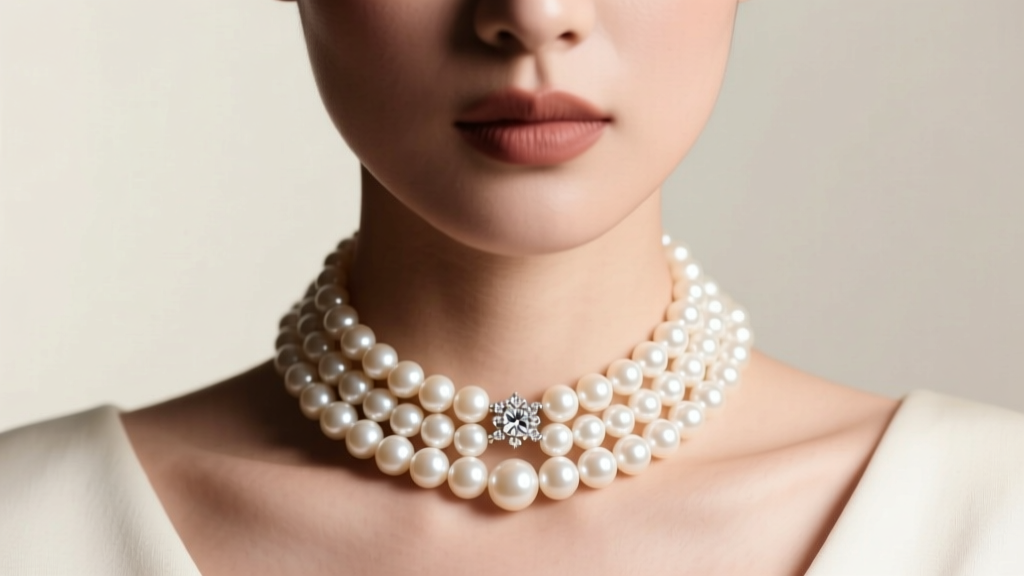
When navigating the intersection of internet culture and fine jewelry, few search queries are as fraught with misunderstanding as the one you just typed. If you are asking what does pearl necklace mean slang, you have likely stumbled into a linguistic trap that has confused jewelry shoppers, gift-givers, and internet users for over two decades.
In internet and pop-culture slang, the term is a vulgar euphemism for a specific sexual act. Originating in late-1990s shock-jock radio culture and proliferating across early web forums and urban dictionaries, the slang term was designed as a shock-humor prank. For years, this created a massive semantic collision: genuine jewelry enthusiasts searching for classic strands of Akoya or Freshwater pearls were routinely met with explicit, NSFW search results.
"The semantic hijacking of the pearl necklace in early internet culture remains one of the most persistent linguistic pranks of the digital age, forcing the jewelry industry to rely heavily on visual merchandising and specific gemological terminology to reclaim the narrative."
The 2026 Pearl Renaissance: Breaking the Meme
Fortunately, the cultural landscape has shifted dramatically. As we move through 2026, the pearl necklace has been radically reclaimed by high fashion, gender-fluid styling, and streetwear. The outdated slang term has largely been eclipsed by a massive resurgence in organic gemstone appreciation. Designers and everyday wearers alike are dismantling the old-school, hyper-feminine stereotypes of the single-strand pearl, replacing them with asymmetrical layering, mixed-metal hardware, and baroque silhouettes.
Today, wearing a pearl necklace is a statement of sartorial confidence that completely overrides any lingering internet meme. Whether draped over a tailored suit, layered with heavy gold chains, or worn as a subtle pendant, the pearl has been restored to its rightful place as a pillar of organic gemology.
Gemological Breakdown: Choosing Your Pearl Strand
To confidently purchase and wear pearl jewelry, one must understand the gemological metrics that dictate value, durability, and aesthetics. Unlike mined diamonds, pearls are organic gems created by living mollusks. Their value is not determined by carat weight, but by a complex matrix of luster, nacre thickness, surface cleanliness, and orient.
According to the Gemological Institute of America (GIA), evaluating a pearl strand requires a keen eye for light reflection. The finest pearls exhibit a "mirror-like" luster, where the light reflected from the surface is sharp and distinct, rather than cloudy or chalky.
| Pearl Variety | Average Size | Nacre Thickness | Luster Profile | Entry Price (18" Strand) |
|---|---|---|---|---|
| Akoya (Saltwater) | 6.0 - 8.5mm | 0.4mm - 0.8mm | Sharp, Mirror-like | $1,200 - $2,500 |
| Freshwater | 7.0 - 10.0mm | Solid Nacre | Soft, Satin to High | $150 - $600 |
| South Sea (White) | 10.0 - 15.0mm | 2.0mm - 4.0mm | Deep, Satin Glow | $4,000 - $12,000 |
| Tahitian (Dark) | 8.0 - 14.0mm | 0.8mm - 2.0mm | Metallic, Peacock | $2,000 - $8,000 |
Understanding Nacre and Overtone
Nacre is the crystalline substance the mollusk secretes to form the pearl. In saltwater bead-nucleated pearls (like Akoya), a thin layer of nacre covers a mother-of-pearl bead. If the nacre is too thin (under 0.3mm), the pearl will eventually peel or crack. Freshwater pearls, conversely, are typically solid nacre throughout, making them incredibly durable despite their lower price point. Furthermore, high-grade pearls exhibit "overtone"—a secondary translucent color that floats over the primary body color, such as the coveted rose overtone on white Akoya pearls or the peacock overtone on dark Tahitians.

Styling Frameworks to Elevate Your Pearl Jewelry
To distance your personal style from outdated tropes (and any lingering slang associations), modern styling relies on contrast and juxtaposition. Here are three actionable frameworks for wearing pearls in the current fashion climate:
- The Texture Clash: Pair the soft, organic luster of a freshwater pearl choker with hard, industrial metals. A 14k yellow gold Cuban link chain layered beneath a 7mm pearl strand creates a visual tension that reads as highly contemporary and streetwear-adjacent.
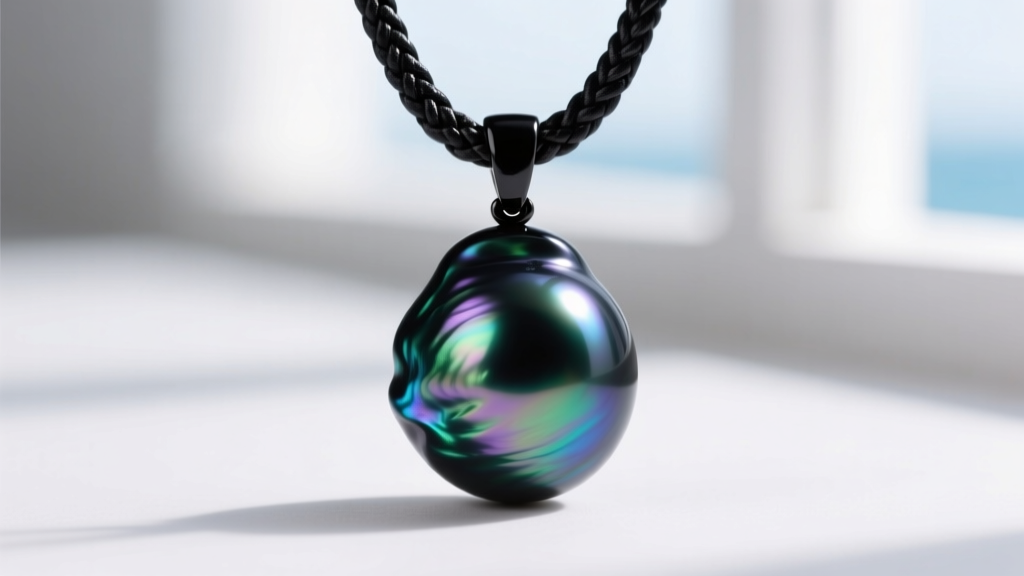
- The Baroque Pivot: Ditch the perfectly round, uniform strands. Baroque pearls—which are asymmetrical and irregularly shaped—highlight the organic nature of the gem. A single, large baroque Tahitian pearl suspended on a braided leather cord or a minimalist oxidized silver chain offers an edgy, gender-neutral aesthetic.
- The Opera-Length Drape: For formalwear, bypass the traditional 18-inch princess length. Opt for a 32-inch opera-length strand of white South Sea pearls and double-loop it, securing the drape with a vintage diamond brooch or a modern geometric gold slide.
Preserving Nacre: Expert Care and Maintenance
Pearls rank at a mere 2.5 to 3.0 on the Mohs hardness scale, making them exceptionally vulnerable to scratches, chemicals, and dehydration. The golden rule of pearl jewelry is "Last On, First Off." Pearls should be the final item you put on after applying cosmetics, perfumes, and hairsprays, and the first item you remove upon returning home.
The GIA strongly advises against using ultrasonic cleaners or steamers on pearl jewelry. The high-frequency vibrations can shatter the nacre, especially if the pearl has a microscopic surface blemish or a thin nacre layer. Instead, wipe your pearls gently with a damp, lint-free microfiber cloth after each wear to remove acidic body oils that can slowly etch the surface over time.
The Restringing Protocol
If you own a knotted pearl strand, the silk thread will naturally stretch and degrade over time due to ambient humidity and skin oils. As a strict maintenance protocol, you should have your pearl necklaces professionally restrung every 24 to 36 months if worn weekly. A master stringer will use 100% silk thread with French wire (gimp) at the clasp to prevent the metal from sawing through the silk, tying individual 1mm overhand knots between each pearl to prevent total loss in the event of a strand break.
Final Thoughts on Reclaiming the Pearl
The internet may have temporarily hijacked the terminology, but it could never diminish the gemological reality of the pearl. By understanding the precise metrics of nacre thickness, luster grades, and modern styling frameworks, you elevate the conversation from internet slang to high jewelry appreciation. The pearl necklace remains one of the most versatile, historically significant, and dynamically evolving accessories in the modern wardrobe.


