Decoding the Pearl Necklace Urban Meaning in Streetwear
Explore the pearl necklace urban meaning in 2026 streetwear. We compare pearl materials, stringing durability, and layering techniques for city life.

The Cultural Shift: From Country Club to Concrete
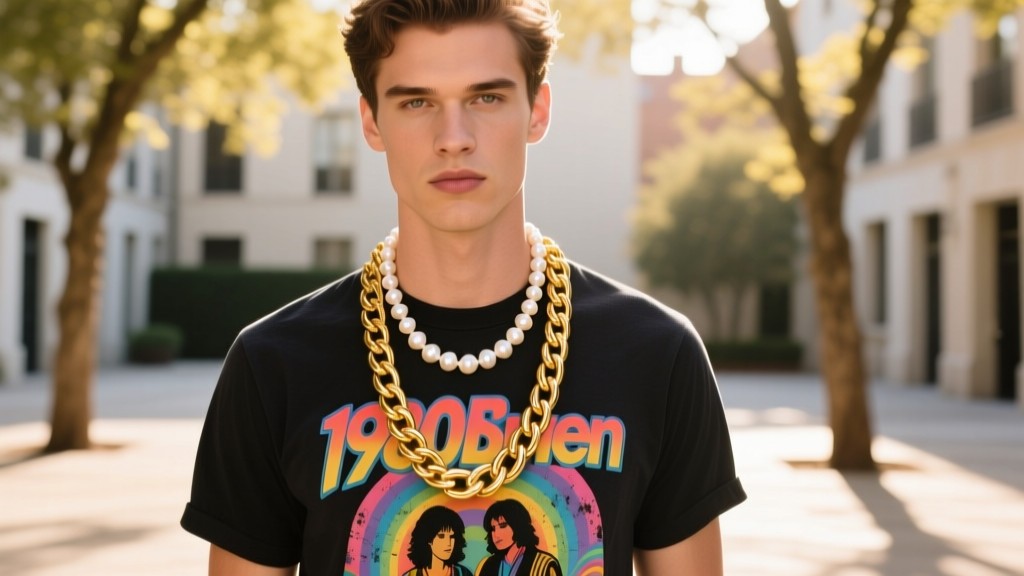
When analyzing the pearl necklace urban meaning in contemporary fashion, we are no longer looking at a relic of mid-century conservative style or traditional femininity. Over the past decade, the pearl has been radically reclaimed by hip-hop artists, skaters, and streetwear icons. Figures like A$AP Rocky, Tyler, the Creator, and Bad Bunny have fundamentally rewired the cultural coding of the pearl, transforming it into a symbol of gender-fluid rebellion, luxury subversion, and high-low fashion mixing. In the urban lexicon, the pearl necklace is no longer just an accessory; it is a deliberate juxtaposition of delicate heritage against the harsh, gritty backdrop of street culture.
However, translating this aesthetic from a music video to the concrete jungle requires a deep understanding of material properties. The urban environment is notoriously hostile to fine jewelry. Between acidic sweat, high friction from layered streetwear, and the sheer weight of accompanying metal chains, a traditional pearl necklace will quickly fail if not engineered for the streets. To truly master this look, you must understand the gemological and structural realities of the materials you are wearing.
Material Breakdown: Which Pearls Survive the Streets?
Not all pearls are created equal, and the GIA Pearl Quality Factors dictate how well a strand will hold up to daily urban wear. Pearls rank at a mere 2.5 to 3.0 on the Mohs hardness scale, making them exceptionally soft and prone to scratching. Yet, the internal structure—specifically the nacre thickness—determines their survival rate when knocked against heavy metal pendants or zippers.
| Pearl Type | Nacre Structure | Mohs Hardness | Sweat Resistance | Streetwear Price Range |
|---|---|---|---|---|
| Freshwater | Solid nacre (100%) | 2.5 - 3.0 | Moderate | $50 - $350 |
| Akoya | Thin (0.3mm - 0.5mm) | 2.5 - 3.0 | Low (Prone to etching) | $300 - $1,500 |
| Mother-of-Pearl (Shell) | Solid shell bead | 3.0 - 3.5 | High | $20 - $120 |
| South Sea | Thick (2.0mm - 4.0mm) | 2.5 - 3.0 | Moderate | $1,000 - $5,000+ |
For the urban environment, Freshwater pearls are the undisputed champions of durability. Because they are cultured without a shell bead nucleus, the entire pearl is solid nacre. If a freshwater pearl is scratched or chipped against a heavy Cuban link chain, the underlying layer is identical to the surface. Conversely, Akoya pearls offer a superior, mirror-like luster that looks incredible in flash photography, but their thin nacre is a liability. If an Akoya pearl is repeatedly struck or exposed to highly acidic sweat over time, the nacre can peel away, revealing the dull shell bead underneath and ruining the necklace.
The Stringing Crisis: Silk vs. Steel in Urban Environments
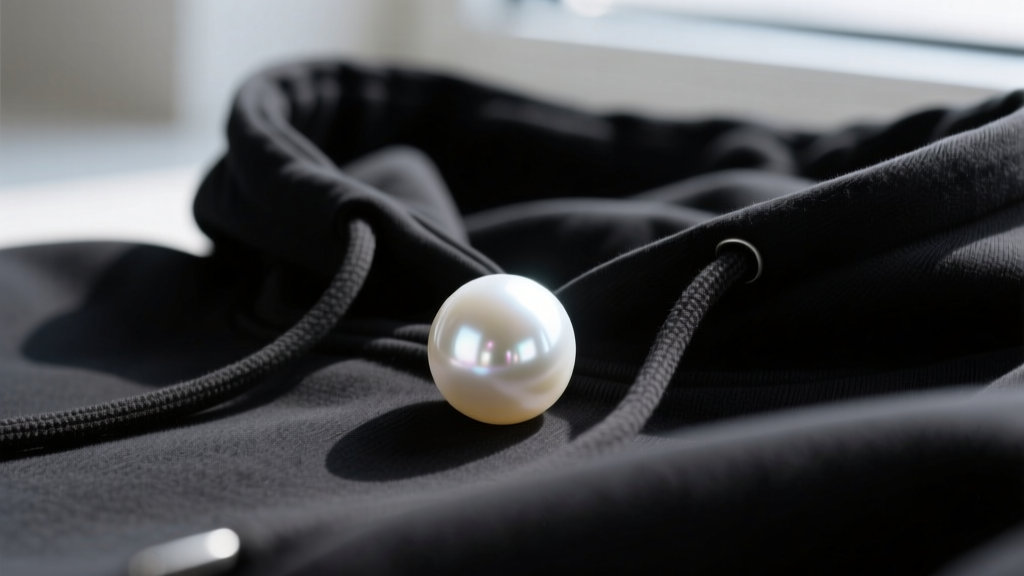
The most common failure mode for pearl necklaces in streetwear is not the pearl itself, but the stringing material. Traditional pearl necklaces are strung on Size F or Size #2 silk thread with individual knots between each bead. While this is the gold standard for classic jewelry, it is a catastrophic choice for urban styling.
Human sweat has a pH ranging from 4.5 to 7.0. When silk thread absorbs acidic sweat, dirt, and street grime, the protein fibers rapidly degrade, rot, and stretch. Furthermore, the urban trend of layering a delicate pearl choker with a heavy 50-gram sterling silver or gold chain creates immense kinetic friction. The metal chain acts like a saw against the silk thread, eventually snapping it and sending pearls scattering across the pavement.
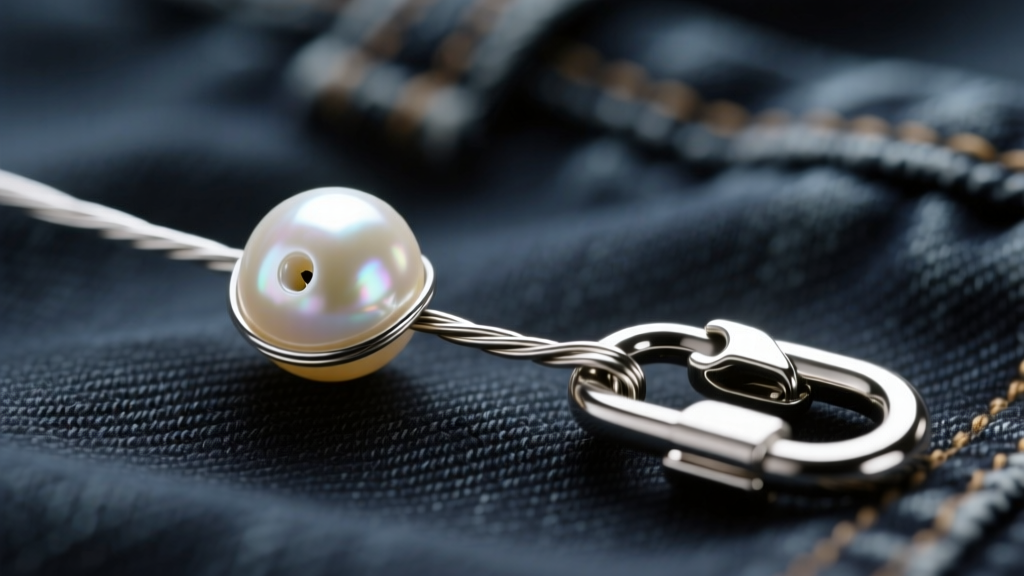
The Expert Solution: If you are buying or commissioning a pearl necklace for streetwear, demand that it be strung on 49-strand stainless steel micro-wire (such as Beadalon 0.018-inch diameter). This aerospace-grade wire is coated in nylon, possesses a tensile strength that easily supports heavy metal layering, and is entirely impervious to sweat and moisture. While it sacrifices the traditional "drape" of silk, it guarantees the structural integrity required for daily city wear.
Failure Modes: Environmental Hazards in the City
Beyond physical impact, the urban environment introduces chemical hazards that can permanently dull your pearls. According to the GIA Pearl Care and Cleaning guidelines, calcium carbonate (the primary component of pearls) is highly reactive to acids. In a streetwear context, this means you must be hyper-vigilant about the following:
- Acidic Perspiration: After a long day in the city or a crowded concert, sweat will etch the surface of the pearl, leaving a chalky, matte residue. Always wipe the strand with a damp, lint-free microfiber cloth immediately after taking it off.
- Cologne and Fragrances: Streetwear culture heavily intersects with niche fragrances. Spraying cologne directly onto the neck while wearing pearls will introduce alcohol and synthetic acids that strip the nacre's natural orient and luster.
- Chlorine and Tap Water: Jumping into a pool or getting caught in acidic urban rain can compromise the drill holes, causing the internal bead (in the case of Akoya or South Sea pearls) to expand or trap moisture, leading to internal cracking.
Sizing, Hardware, and Layering Mechanics
Achieving the correct "urban meaning" relies heavily on proportions and hardware. The preppy standard is a 18-inch princess length with a tiny, invisible clasp. Streetwear demands a more deliberate, hardware-forward approach.
For the quintessential streetwear look, opt for a 16-inch choker or a 20-inch princess length. The 16-inch choker sits tightly against the collarbone, creating a stark contrast when layered under an oversized vintage graphic tee or an unbuttoned flannel. The 20-inch length allows the pearls to rest perfectly over a heavyweight hoodie, framing the chest without tangling in the drawstrings.
Do not hide the clasp. In urban jewelry design, the hardware is part of the aesthetic. Upgrade the standard spring-ring clasp to a heavy-duty sterling silver or 14k gold lobster clasp, or even a custom-machined toggle clasp. This not only provides a secure anchor point that can withstand the pulling force of heavy outerwear, but it also adds an industrial, utilitarian edge that bridges the gap between delicate nacre and brutalist streetwear design.
Investment vs. Imitation: 2026 Buying Guide
As the pearl necklace urban meaning continues to dominate global fashion runways and hip-hop videos in 2026, the market is flooded with imitations. Glass beads coated in synthetic pearl essence (like Majorica) or plastic beads offer zero longevity and lack the thermal properties of real nacre. Real pearls feel cool to the touch and warm up slowly against the skin; imitations immediately match ambient temperature and feel distinctly "light" and hollow.
If you are investing in this aesthetic, prioritize baroque or coin-shaped freshwater pearls over perfectly round ones. Baroque pearls feature irregular, organic shapes that inherently align with the raw, unpolished ethos of streetwear. They are also significantly more affordable than perfectly spherical Akoya strands, allowing you to allocate more of your budget toward heavy-duty steel stringing and premium metal clasps. Ultimately, mastering the urban pearl is about embracing the tension between fragility and resilience—both culturally and materially.


