Pendant vs Necklace: The 2026 Gift Guide for Every Occasion
Master the pendant vs necklace debate with our 2026 gift guide. Learn how to match chain styles, materials, and focal charms to any milestone.

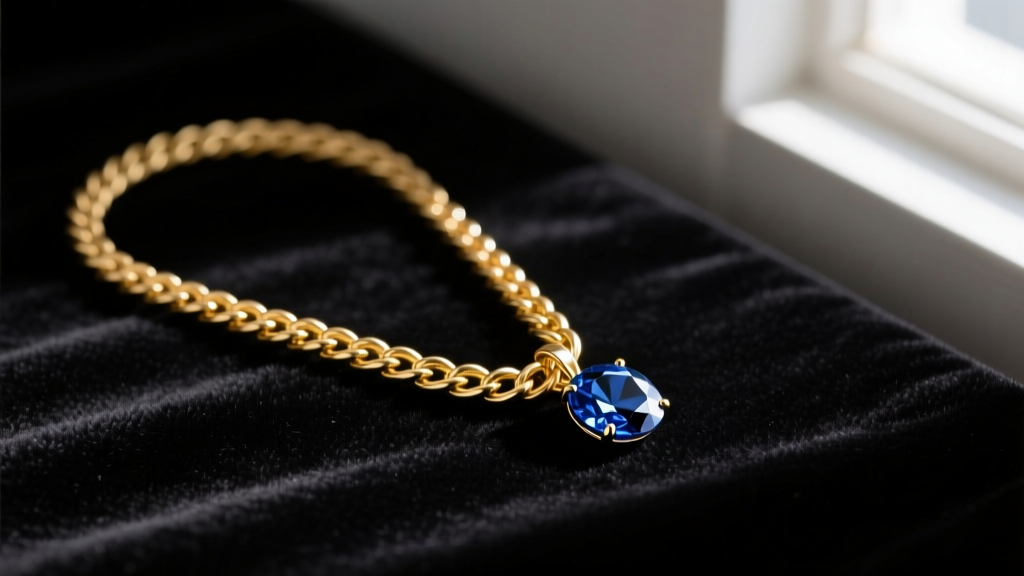
When shopping for fine jewelry, the terms 'necklace' and 'pendant' are frequently used interchangeably by consumers, yet they represent two entirely distinct components of a single accessory. Understanding the core differences in the pendant vs necklace debate is the secret to selecting a highly personalized, structurally sound, and emotionally resonant gift. As we move through 2026, gifting trends have shifted heavily toward modular, meaningful pieces rather than generic, mass-produced sets. Whether you are shopping for a milestone anniversary, a graduation, or a significant birthday, this comprehensive guide will help you navigate chain gauges, focal point aesthetics, and occasion-specific matching.
The Core Distinction: Chain vs. Focal Point
To gift intelligently, you must first understand the anatomy of the jewelry. A necklace is the foundational chain, cord, or collar that encircles the neck. It is measured by its length (typically 16 to 24 inches) and its gauge (the thickness of the metal wire). A pendant is the decorative focal point or charm that suspends from the necklace via a bail or jump ring.
Why does this distinction matter for gifting? Because a standalone necklace relies entirely on the weave of the metal and the clasp for its visual impact, whereas a pendant allows for deep personalization—such as birthstones, custom engravings, or lockets—while the chain simply acts as the structural support. According to the Federal Trade Commission's Jewelry Guides, understanding metal stamping and karat weights is also vital when purchasing these components separately, as the chain and pendant may require different durability grades.
Occasion Matching Matrix: When to Gift What
Not every milestone calls for the same jewelry architecture. Use this 2026 matrix to determine whether a standalone necklace or a customizable pendant is the superior choice for your recipient.
| Occasion | Best Choice | Recommended Material & Style | Estimated Price Range |
|---|---|---|---|
| High School / College Graduation | Pendant | 14k Gold initial or compass charm on a 1.0mm cable chain | $250 - $600 |
| 1st or 5th Wedding Anniversary | Standalone Necklace | 18k Gold tennis necklace or 2.5mm Herringbone chain | $1,200 - $4,500 |
| Significant Birthday (30th, 40th) | Pendant | Platinum bezel-set diamond solitaire on a 1.2mm box chain | $800 - $3,000 |
| Holiday / Valentine's Day | Standalone Necklace | Sterling silver (925) paperclip chain with integrated charms | $150 - $450 |
| Mother's Day / Push Present | Pendant | 14k Rose gold locket or birthstone cluster on a rope chain | $400 - $1,500 |
Deep Dive: Gifting the Perfect Pendant
When you decide a pendant is the right route, the customization possibilities are vast. However, a common gifting mistake is ignoring the bail—the loop that connects the pendant to the chain. If you are buying a pendant and a chain separately, you must ensure the chain's gauge can pass through the bail's inner diameter.
Bail Types and Compatibility
- Standard Bail: A visible loop soldered to the top of the pendant. Best for lightweight chains (0.8mm - 1.0mm).
- Hidden Bail: Tucked behind the gemstone, giving the illusion that the pendant is floating on the chain. Requires a flexible chain like a box or snake chain to navigate the tight curve.
- European Bail: A wide, horizontal tube that the chain threads through. Ideal for heavy, statement gemstones and thicker chains (1.5mm+).
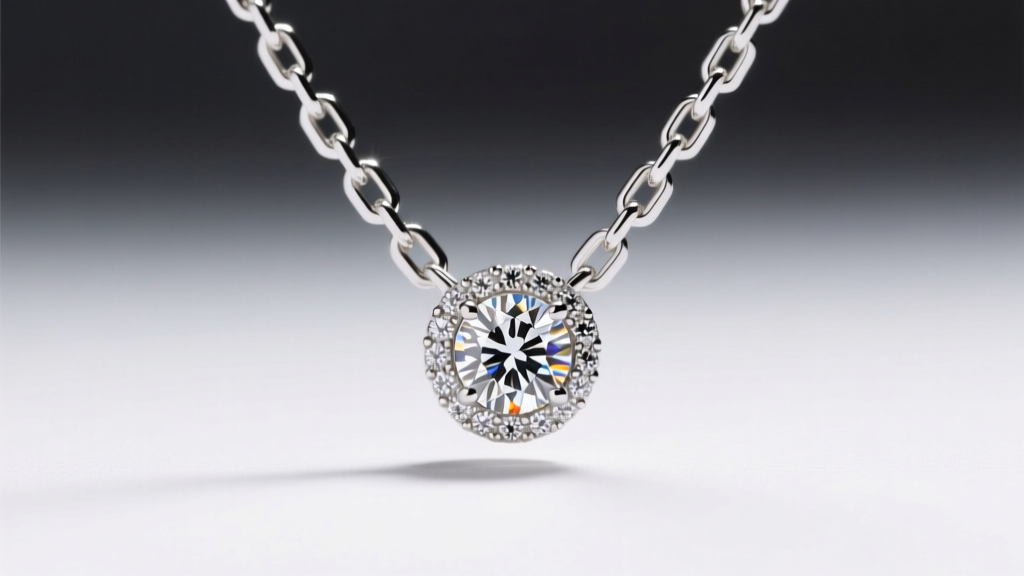
Gemstone and Metal Pairings
For everyday wear pendants, the Gemological Institute of America (GIA) notes that 14k gold is often preferred over 18k gold due to its higher alloy content, which provides superior scratch resistance for pieces that endure daily friction. If gifting a diamond solitaire pendant, opt for a bezel setting rather than a prong setting; bezels prevent the prongs from catching on knitwear, a common failure mode in winter gifting.
Deep Dive: Gifting a Standalone Necklace
A standalone necklace is a masterclass in metalwork. Without a pendant to distract the eye, the weave, polish, and clasp of the chain become the stars of the show. In 2026, textured and liquid-like chains are dominating the luxury gifting space.
Chain Weaves That Command Attention
- Herringbone: Composed of flat, short parallel links set in a V-pattern. It lays completely flat against the collarbone, creating a liquid gold effect. Warning: Herringbone chains are notoriously prone to kinking. Never gift this to someone who sleeps in their jewelry.
- Box Chain: Square links connected to form a smooth, geometric line. Highly durable and excellent for supporting heavy pendants without stretching.
- Paperclip Chain: Elongated rectangular links that offer a modern, architectural look. Often gifted as standalone pieces in mixed-metal finishes (e.g., alternating yellow gold and white gold links).
- Rope Chain: Twisted metal segments that mimic a woven rope. The facets catch light brilliantly, making it an excellent standalone gift for those who prefer high-sparkle metals without gemstones.
The Clasp: An Overlooked Gifting Detail
Do not ruin a $2,000 necklace gift with a cheap clasp. Spring ring clasps are difficult to operate with one hand and are prone to snapping under tension. Always upgrade your gift to a lobster clasp for chains under 3.0mm, or a box clasp with a safety figure-eight catch for heavy tennis necklaces and thick Cuban links.
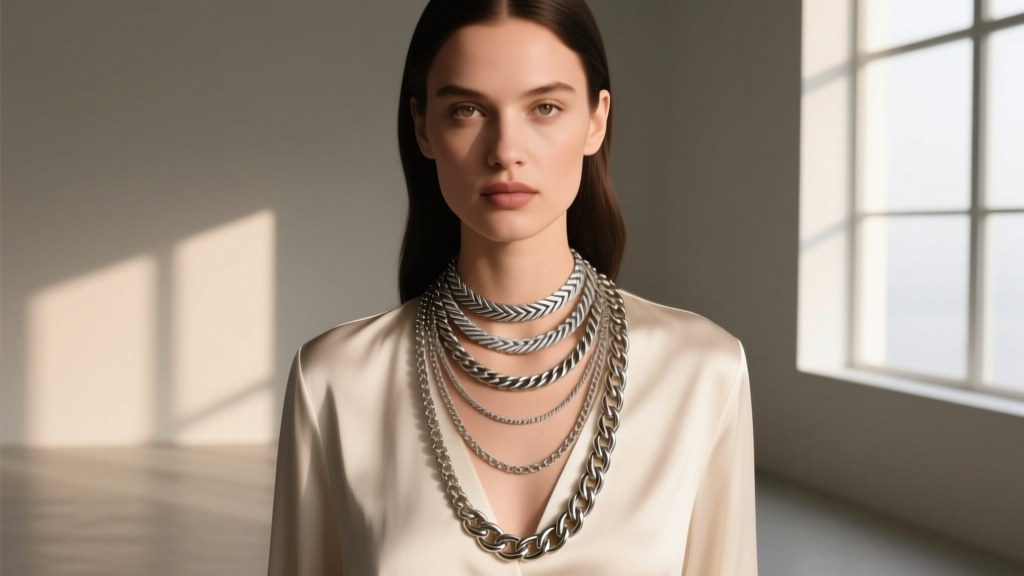
Sizing and Proportions: The 2026 Layering Rules
If you are gifting a necklace without knowing the recipient's exact preferences, length and gauge are your safest bets. The modern jewelry wardrobe relies heavily on layering, meaning your gift will likely be stacked with existing pieces.
"When buying a blind gift, a 16-inch chain with a 2-inch extender is the universal skeleton key. It allows the wearer to adjust from a choker length to a standard collarbone drape, ensuring it integrates seamlessly into their current layering stack." - Master Bench Jeweler
Gauge Guidelines for Gifting
Gauge refers to the thickness of the chain. Buying the wrong gauge can result in a chain that snaps under a pendant's weight or looks comically oversized on a delicate neckline.
- 0.8mm - 1.0mm (Delicate): Best for minimalist, barely-there chains holding lightweight gemstone pendants (under 2 carats).
- 1.2mm - 1.8mm (Standard): The sweet spot for everyday wear. Strong enough to hold medium-sized lockets or crosses, yet thin enough to remain elegant.
- 2.0mm - 4.0mm (Statement): Ideal for standalone necklaces. Thick enough to be worn alone as a focal point without requiring a pendant.
Expert Troubleshooting: Common Gift-Giving Mistakes
Even seasoned shoppers fall into predictable traps when navigating the pendant vs necklace dilemma. Avoid these critical errors to ensure your 2026 gift is a resounding success:
1. Ignoring Metal Allergies
If the recipient has sensitive skin, avoid white gold chains that are rhodium-plated over a high-nickel alloy. As the plating wears off, contact dermatitis can occur. Instead, gift a platinum or palladium chain, which are naturally white and hypoallergenic, or ensure the sterling silver is explicitly stamped nickel-free.
2. The 'Tangle' Factor
Snake chains and herringbone chains are beautiful but act like magnets for body hair and loose threads. If your recipient leads an active lifestyle or frequently wears textured knits, pivot to a cable or curb chain, which have smooth, rounded profiles that resist snagging.
3. Mismatched Karat Weights
Never pair an 18k gold pendant with a 14k gold chain. The 18k pendant is softer and heavier; over time, the friction will cause the harder 14k chain to act like a microscopic saw, eventually cutting through the pendant's bail. Always match your karat weights, or use platinum for the chain to ensure structural supremacy.
Final Thoughts for the 2026 Gifter
Mastering the pendant vs necklace distinction elevates you from a casual shopper to a thoughtful curator. By selecting the correct chain weave to match the recipient's lifestyle, choosing the appropriate gauge for structural integrity, and aligning the focal point with the emotional weight of the occasion, your jewelry gift will transcend mere accessory status. Whether you opt for the deeply personal narrative of a custom pendant or the sleek, architectural beauty of a standalone herringbone necklace, precision in your selection guarantees a piece that will be worn, cherished, and passed down for generations.


