2026 Pendent Necklace Gift Guide: Match The Occasion
Discover the perfect pendent necklace for every milestone. Our 2026 gift guide matches occasions, metals, and budgets for unforgettable jewelry gifting.

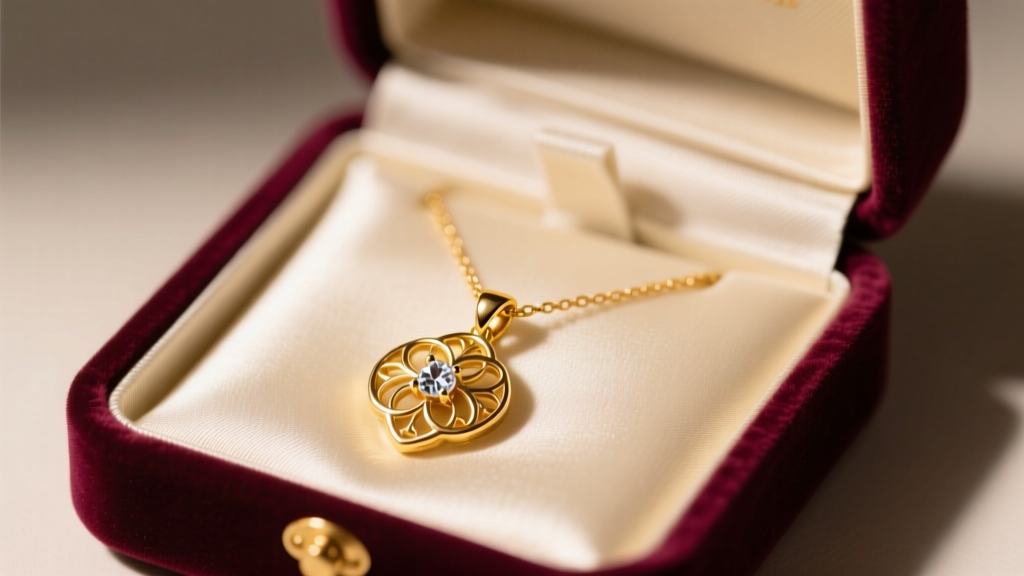
Gifting jewelry is an exercise in emotional translation. You are attempting to encapsulate a relationship, a milestone, or a shared memory into a tangible object. As we navigate the gifting landscape of 2026, the classic pendent necklace remains an undisputed champion of versatility and sentiment. However, the difference between a forgetvable gift and an heirloom lies in the granular details: the tensile strength of the chain, the metallurgical composition of the alloy, and the precise gemological grading of the center stone.
This comprehensive guide strips away the marketing fluff. We will dissect the mechanics of necklace gifting, providing you with a data-driven framework to match the perfect piece to the exact occasion, budget, and lifestyle of your recipient.
The Metallurgy of Gifting: Choosing the Right Alloy
Before selecting a gemstone or design, you must understand the canvas. The metal dictates the necklace's durability, skin compatibility, and long-term maintenance. According to the American Gem Society, understanding metal alloys is the first step in making an informed jewelry purchase.
14k vs. 18k Gold: The Durability Dilemma
- 14k Gold (58.5% Pure Gold): The pragmatic choice for daily wear. The higher proportion of alloy metals (like copper, zinc, and silver) grants 14k gold superior tensile strength. It resists scratching and bending, making it ideal for active recipients or heavier pendants.
- 18k Gold (75% Pure Gold): Offers a richer, deeper color—especially noticeable in yellow and rose gold variants. However, it is softer. An 18k chain is more prone to micro-abrasions and requires a slightly thicker gauge (1.2mm or higher) to support a heavy stone safely.
Platinum and Palladium: The Hypoallergenic Heavyweights
For recipients with nickel sensitivities or those who demand zero maintenance regarding rhodium plating (which white gold requires every 12-18 months), platinum is the apex predator of metals. Platinum 950 (95% pure) is dense, naturally white, and develops a patina over time rather than losing metal mass when scratched. Palladium offers a similar hypoallergenic profile at a lower price point, though it is notoriously difficult for jewelers to resize or repair.
The Occasion Matching Matrix
Context is everything. A piece that signifies a romantic milestone may fall flat as a graduation gift. Use this matrix to align your purchase with the psychological weight of the event.
| Occasion | Recommended Style | Ideal Metal | Gemstone Focus | Budget Range |
|---|---|---|---|---|
| 1st Anniversary | Solitaire or interlocking circles | 18k Yellow Gold | Pearl or Diamond (0.25ct) | $300 - $800 |
| Milestone Birthday (30/40) | Birthstone halo or initial | 14k Rose Gold | Sapphire, Emerald, or Ruby | $400 - $1,200 |
| College Graduation | Minimalist geometric bar or compass | Sterling Silver or Platinum | Onyx, Mother of Pearl, or none | $100 - $400 |
| Push Present | Elaborate halo or three-stone | Platinum 950 | Diamond (VS1 clarity, 0.50ct+) | $1,500 - $5,000+ |
Expert Insight: When gifting for a "Push Present" or major anniversary, always prioritize the cut grade of the diamond over sheer carat weight. An Excellent/Ideal cut 0.45ct diamond will outsparkle a poorly cut 0.70ct stone, delivering superior visual impact and light return. For verified grading, always insist on a GIA Diamond Grading Report.
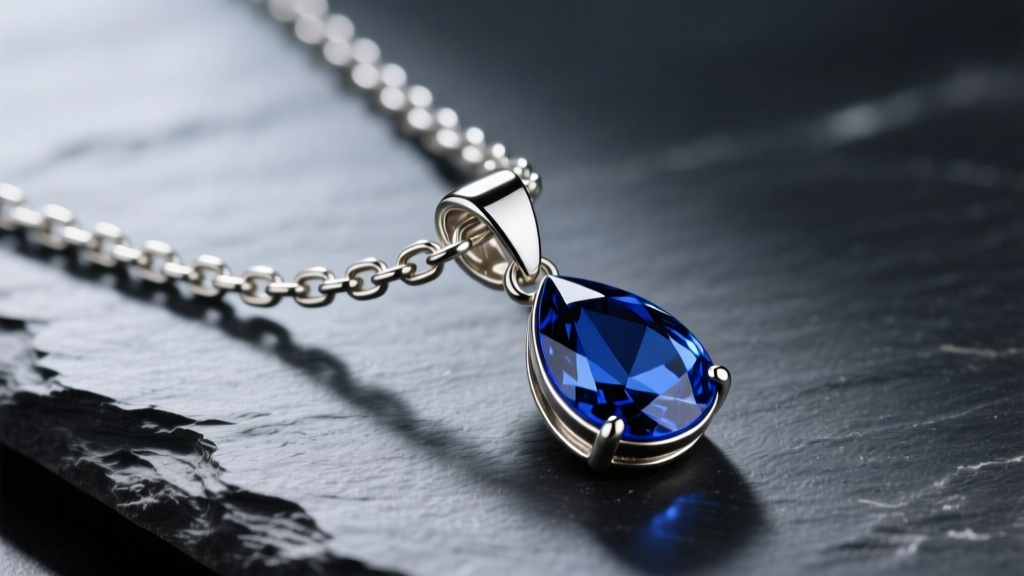
Chain Architecture: The Unsung Hero of the Pendent Necklace
A common mistake in jewelry gifting is hyper-focusing on the pendant while neglecting the chain. The chain is the structural suspension system. If it fails, the sentimental and financial investment is lost. In 2026, discerning buyers are moving away from flimsy mass-produced chains toward engineered links.
Link Profiles and Load Capacities
- Cable Chain (0.8mm - 1.0mm): The traditional oval-link chain. It is lightweight and classic but highly susceptible to kinking if slept in. Best reserved for lightweight pendants (under 3 grams).
- Rolo Chain (1.2mm - 1.5mm): Featuring symmetrical, round links. The rolo chain offers excellent structural integrity and a satisfying weight. It is the gold standard for medium-weight gemstone pendants.
- Wheat (Spiga) Chain (1.0mm - 1.8mm): Woven from four strands of twisted oval links. This is arguably the most durable chain style on the market. Its woven nature prevents kinking and distributes the weight of heavy pendants evenly across the neck.
- Box Chain (1.0mm+): Geometric and modern. While visually striking, box chains can be difficult to repair if a link snaps, as the square links require specialized laser welding.
Clasp Mechanics: Security vs. Accessibility
The clasp is the single most frequent point of mechanical failure on any necklace.
- Lobster Claw: The industry standard. It features a spring-loaded trigger and offers high security. However, it requires manual dexterity to operate, which can be frustrating for the wearer when fastening it behind their neck.
- Spring Ring: Often found on budget chains. Avoid these for fine jewelry gifts; the internal spring is weak, and the thin wire gate bends easily, leading to lost pendants.
- Magnetic Clasps: An excellent 2026 innovation for recipients with arthritis or limited mobility. High-grade neodymium magnets encased in 14k gold provide a secure hold that easily breaks away if the chain is violently snagged, preventing choking hazards or chain tearing.
2026 Pricing Tiers: What to Expect
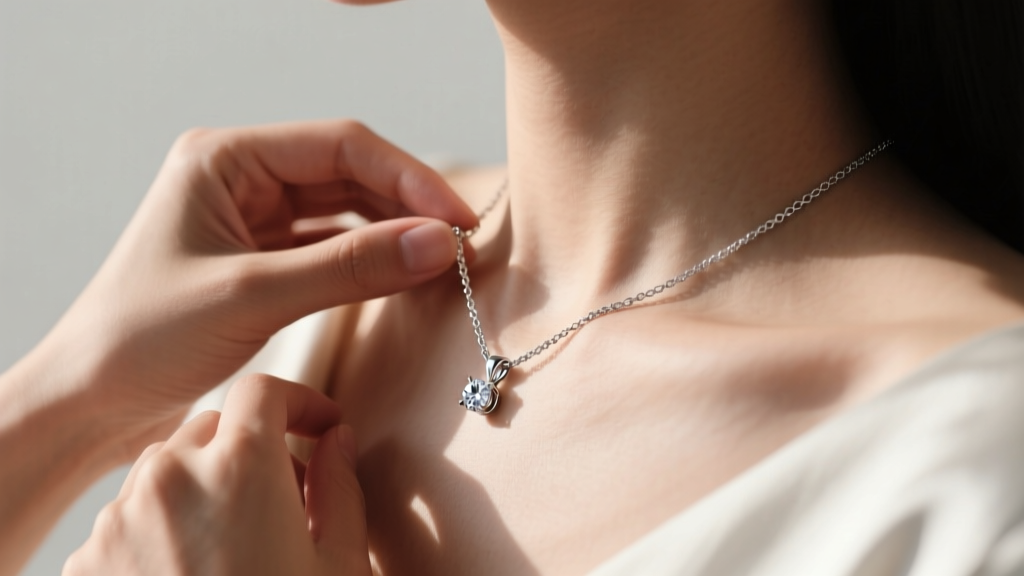
Understanding market pricing protects you from inflated retail markups and helps you allocate your budget toward the elements that matter most (e.g., spending more on the center stone rather than an overly complex setting).
Tier 1: The Thoughtful Entry ($100 - $350)
At this level, expect 14k gold-filled chains, sterling silver with heavy rhodium plating, or solid 10k gold. Gemstones will likely be lab-created (such as flame-fusion sapphires or lab-grown diamonds under 0.15ct). Strategy: Focus on unique, artisan-cast metal designs or meaningful semi-precious stones like lapis lazuli or high-grade amethyst rather than attempting to buy diamonds in this bracket.
Tier 2: The Core Fine Jewelry ($350 - $1,200)
This is the sweet spot for high-quality gifting. You can secure solid 14k or 18k gold wheat or rolo chains paired with ethically sourced, earth-mined gemstones or premium lab-grown diamonds (0.25ct to 0.75ct). Strategy: Demand a bezel setting for active recipients, as it protects the gemstone's girdle from chipping far better than traditional prong settings.
Tier 3: The Heirloom Investment ($1,200 - $5,000+)
Here, you enter the realm of platinum chains, VVS-clarity diamonds, and rare colored gemstones (like unheated Burmese rubies or Colombian emeralds). Strategy: At this price point, provenance is critical. Ensure the piece comes with a gemological certificate from a Tier-1 lab (GIA, AGS, or Gübelin for colored stones) and that the jeweler provides a complimentary appraisal for insurance purposes.
Final Presentation: Elevating the Unboxing
The physical presentation of a pendent necklace is the final variable in the gifting equation. Discard the flimsy, mass-produced cardboard box provided by most online retailers. Invest in a hardwood or leather-lined presentation box with a dedicated necklace insert. A proper insert features a rolled velvet pillow or a slotted clasp-holder that keeps the chain taut, preventing the dreaded "tangled chain" reveal. Furthermore, always include a microfiber polishing cloth and a small bottle of non-toxic jewelry cleaning solution tailored to the specific metal and gemstone you have chosen. By mastering these details, you transform a simple purchase into a masterclass in thoughtful gifting.


