The Pickleball Necklace Guide: Metals, Chains & Fit
Discover the technical specs for a durable pickleball necklace. Compare sweat-proof metals, impact-resistant chains, and safety clasps for the court.

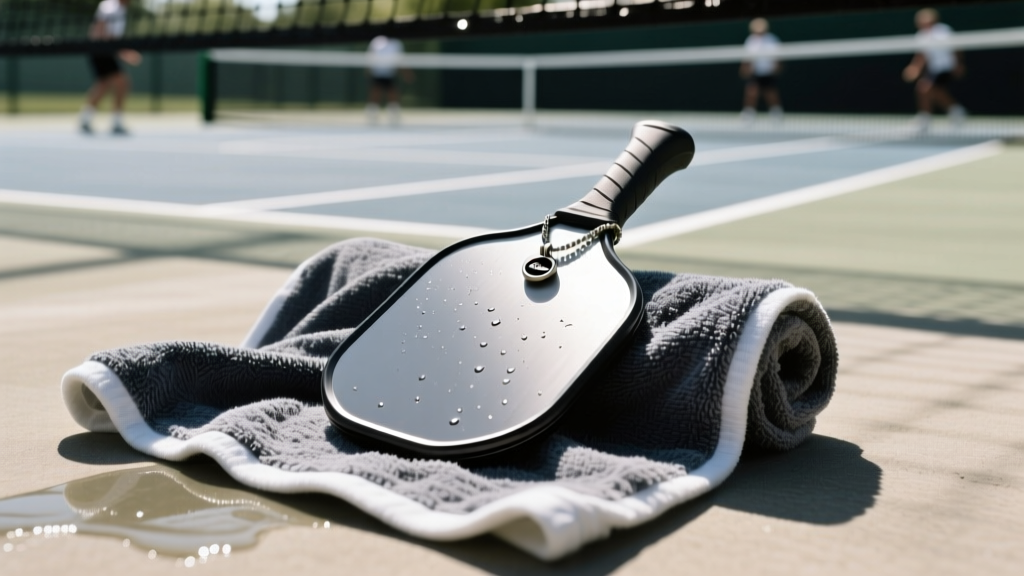
The Biomechanics of Court Jewelry: Why Standard Chains Fail
The explosive growth of pickleball has created a unique intersection between athletic performance and sports jewelry. However, designing or selecting a true pickleball necklace requires an understanding of the sport's specific biomechanics. Unlike tennis, which features a longer kinetic chain and wider swings, pickleball demands rapid, compact torso rotations, sudden lunges, and close-quarters volleys at the kitchen line. This environment subjects necklaces to high-frequency oscillation, extreme tensile stress, and relentless chemical exposure from sweat.
Furthermore, competitive players must adhere to strict safety regulations. According to the USA Pickleball Official Rulebook, dangling or hazardous jewelry is strictly prohibited during sanctioned play to prevent injury to the player or their opponents. Therefore, a court-ready pickleball necklace must sit flush against the sternum, eliminate any snag points, and survive the corrosive microclimate of an outdoor or indoor court without degrading.
Metallurgy & Sweat Resistance: Grading the Alloys
Human sweat is a highly corrosive electrolyte solution. With a pH ranging from 4.5 to 7.0 and high concentrations of sodium chloride, urea, and lactic acid, sweat rapidly destroys standard fashion metals. When selecting a pickleball pendant and chain, you must evaluate the alloy's pitting corrosion resistance.
Grade 5 Titanium vs. 316L Stainless Steel
The two undisputed champions of sports metallurgy are Grade 5 Titanium (Ti-6Al-4V) and 316L Stainless Steel. Grade 5 Titanium is the gold standard for biocompatibility and weight. It is 45% lighter than steel, meaning a titanium paddle pendant will not swing distractingly during a dinking rally. It is entirely immune to chloride-induced corrosion. However, its extreme hardness makes intricate CNC machining expensive, driving the price of detailed titanium pendants into the $120–$250 range.
316L Stainless Steel, often marketed as 'surgical steel,' is the most practical alternative. The critical differentiator between 316L and standard 304 stainless steel is the addition of 2-3% molybdenum. As detailed in materials science literature on 316L Stainless Steel corrosion resistance, molybdenum dramatically enhances the alloy's ability to resist pitting from chloride ions found in heavy sweat. A high-quality 316L pickleball necklace typically costs between $40 and $85, offering the best strength-to-cost ratio for daily players.
The Tarnish Trap: Why Sterling Silver is Banned
Sterling silver (925) is entirely unsuitable for the pickleball court. By definition, sterling silver contains 7.5% copper to increase hardness. When copper is exposed to the chlorides and sulfur compounds in human sweat, it undergoes a rapid oxidation-reduction reaction, resulting in black copper chloride tarnish. This not only ruins the aesthetic of the necklace but can also leave a permanent green or black stain on the player's chest and collarbones.
Chain Architecture: Weaves That Survive the Dink
The chain is the most common point of failure in sports jewelry. A paddle strike to the chest or a snag on the net can generate over 30 pounds of instantaneous lateral force. Fluid chains like snake, herringbone, or omega are strictly prohibited for court wear; their interlocking flush links possess zero lateral flexibility and will permanently kink or snap under minimal bending stress.
| Chain Weave | Tensile Strength | Kink Resistance | Sweat Drainage | Court Verdict |
|---|---|---|---|---|
| Wheat (Spiga) | High | Excellent | Moderate | Best Overall |
| Box (Venetian) | Medium-High | Good | High | Great Alternative |
| Rope | Very High | Excellent | Low | Too Heavy/Bulky |
| Snake | Very Low | Poor | Poor | Avoid Completely |
| Herringbone | Low | Very Poor | Poor | Avoid Completely |
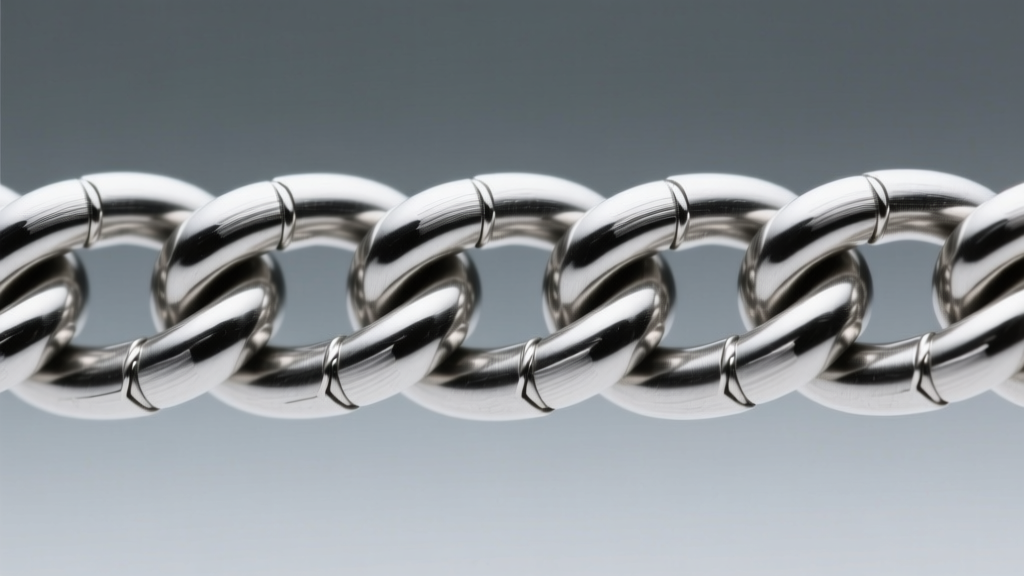
The wheat chain (also known as a spiga chain) is the optimal architecture for a pickleball necklace. Its woven, semi-rigid interlocking links distribute tensile stress evenly across multiple solder points, preventing the localized tearing seen in standard cable chains.
Clasp Engineering: Breakaway vs. Locking Mechanisms
A standard lobster clasp poses a severe choking and cervical spine hazard on the pickleball court. If a player dives for a ball and the chain catches on the net post, or if a partner's paddle inadvertently hooks the chain during a rapid poach, a non-yielding clasp can cause catastrophic injury.
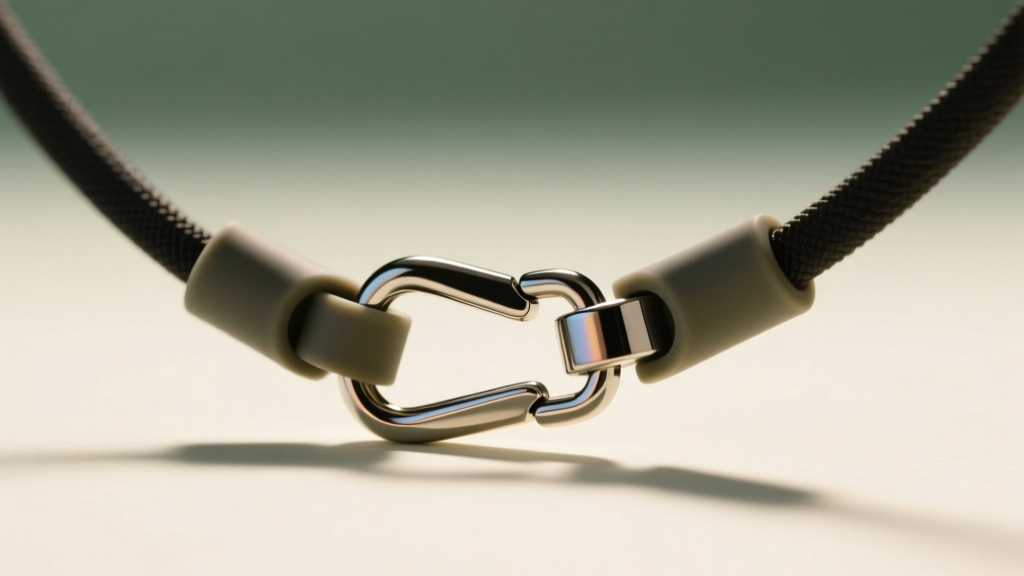
The mandatory solution for serious athletes is a magnetic breakaway safety clasp. These clasps utilize N42 or N52 grade neodymium magnets housed in a 316L stainless steel or medical-grade silicone shell. They are engineered to hold securely under the normal oscillation of a sprint or swing (withstanding up to 4-5 lbs of vertical pull) but will instantly and safely detach when subjected to a sudden lateral snag exceeding 8 lbs of force. When shopping, verify that the breakaway mechanism uses a sliding sleeve or friction-fit silicone housing rather than weak glue, which degrades rapidly when exposed to sweat and UV radiation.
Pendant Engraving & Impact Durability
Pickleball pendants frequently feature paddle silhouettes, ball dimple patterns, or player initials. The method used to apply these details dictates the pendant's lifespan. Avoid enameled pendants at all costs. Enamel is essentially fused glass; a direct impact from a stray pickleball (which can travel at speeds exceeding 40 mph at the kitchen line) will shatter or chip the enamel, leaving sharp, jagged edges against the skin.
Instead, opt for deep laser etching. A high-wattage fiber laser can carve details to a depth of 0.05mm to 0.10mm directly into the titanium or steel substrate. For maximum contrast and durability, the etched grooves should be filled with a two-part ceramic epoxy resin. Unlike paint or enamel, ceramic epoxy is slightly flexible, completely waterproof, and will not chip upon impact.
Sizing Framework: The 18-to-22 Inch Sweet Spot
Chain length in court sports is not merely an aesthetic choice; it is a matter of proprioception and safety. A standard 16-inch choker or 18-inch princess-length necklace sits too high on the clavicle. During a deep lunge or a low dink, an 18-inch chain will swing upward, potentially striking the player's chin or obstructing their peripheral vision.
- 18 Inches (Clavicle): High risk of chin impact during lunges. Interferes with collarbone sweat-wicking zones.
- 20 Inches (Sternum): The optimal length. Sits flush below the collarbone, allowing full range of motion without visual distraction.
- 22 Inches (Upper Chest): Safe, but heavier pendants may swing excessively during rapid directional changes.
Paddle Grip Interference & Pendant Weight
An often-overlooked factor in sports jewelry design is pendant weight and its effect on the player's kinesthetic awareness. In the 'soft game' (dinking and drop shots), players rely on micro-adjustments in their grip pressure. A heavy, oversized pendant (exceeding 18 grams) creates a pendulum effect that pulls slightly on the cervical nerves and distracts from the tactile feedback of the paddle grip.
A technical pickleball pendant should weigh between 4 and 9 grams. This provides enough mass to lay flat against the sternum via gravity, preventing it from flipping upside down, but remains light enough to be entirely ignored by the brain's sensory processing during intense rallies.
Post-Match Care: Neutralizing Chloride Buildup
Even the most resilient 316L steel and Grade 5 titanium require basic maintenance to prevent the buildup of dead skin cells, urea, and salt crystals in the chain links. After every match, the necklace should be rinsed under lukewarm tap water to dissolve the sodium chloride. Once a month, an ultrasonic cleaner filled with a mild, ammonia-free dish soap will vibrate the microscopic debris out of the wheat chain's interlocking links, ensuring the solder points remain visible for structural inspection and the metal retains its original luster.


