Pin Necklace Meaning & Value: A Budget Buyer's Guide
Discover the true pin necklace meaning and how to assess its real market value. Compare materials, vintage clasps, and pricing tiers before you buy.

Decoding the Pin Necklace Meaning: Symbolism Meets Market Value
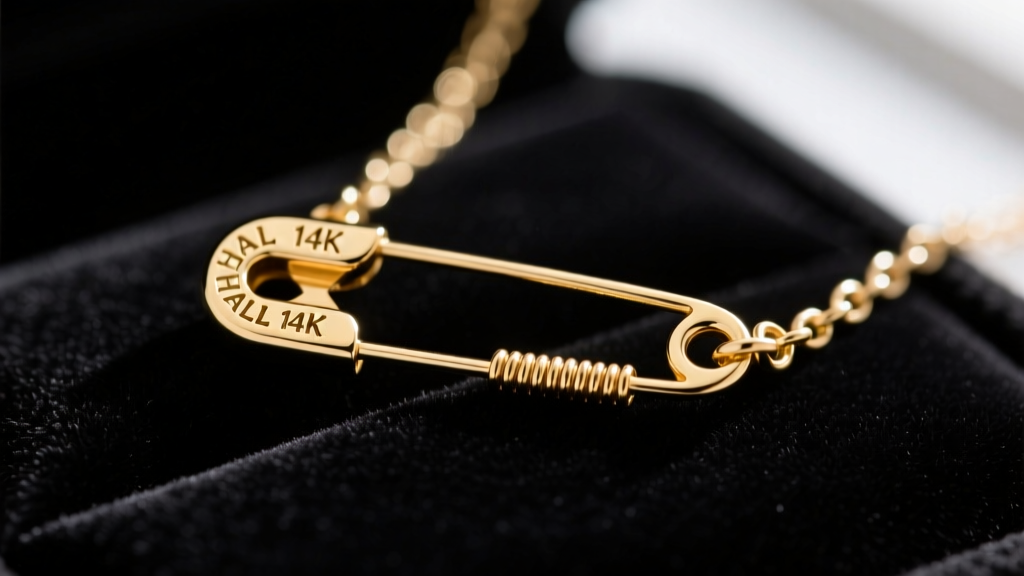
When collectors and fashion enthusiasts search for the pin necklace meaning, they are usually navigating a crossroads between historical symbolism and modern aesthetic rebellion. Originally, pins served strictly utilitarian or status-driven purposes. The Victorian stick pin was a hallmark of gentlemen’s cravat styling and mourning jewelry, while the mid-20th-century safety pin was later hijacked by the 1970s punk movement as a symbol of anti-establishment solidarity. Today, wearing a pin as a necklace pendant bridges these worlds, offering a layered narrative of prestige and subversion.
However, understanding the cultural pin necklace meaning is only the first step for a savvy buyer. The true challenge lies in value assessment. A safety pin necklace can cost $18 at a fast-fashion retailer or $4,500 at a luxury boutique. How do you determine if a vintage stick pin or a designer safety pin pendant is a sound financial investment or an overpriced novelty? This guide breaks down the metallurgical, historical, and structural factors that dictate the real market value of pin necklaces.
Material Grades and Their Impact on Resale Value
The baseline value of any pin necklace is anchored in its material composition. Because pins require structural integrity—specifically a rigid pin stem and a high-tensile spring coil—pure 24k gold is virtually never used. The alloy mix directly impacts both durability and secondary market liquidity.
Base Metals and Costume Alloys
Pins crafted from brass, pewter, or copper are typically categorized as costume jewelry. While brands like Trifari or Coro produced exquisite gold-plated stick pins in the 1940s, the intrinsic metal value is negligible. You are paying for the brand heritage and enamel craftsmanship. Expect to pay between $35 and $120 for signed vintage pieces in excellent condition. If the gold plating (vermeil) is rubbing off to reveal the base metal, the value drops by up to 60%.
Sterling Silver (925)
Sterling silver is the sweet spot for budget-conscious buyers seeking intrinsic value. Composed of 92.5% pure silver and 7.5% copper, it offers enough tensile strength for the pin mechanism while retaining precious metal status. According to the London Assay Office, authentic sterling must bear a '925' stamp or a recognized maker's mark. A modern, independent jeweler's sterling silver safety pin pendant typically retails for $85 to $250, with a scrap melt value of roughly $15 to $30, meaning you are paying a fair premium for labor and design.
Fine Gold (14k and 18k)
High-end pin necklaces, such as those from Tiffany & Co. or Vivienne Westwood, utilize 14k (58.5% gold) or 18k (75% gold) alloys. The copper and zinc mixed into 18k gold provide the necessary 'spring-back' memory for the safety pin coil. Luxury brand premiums are steep; a simple 18k gold safety pin pendant can retail for $1,800 to $3,500. On the secondary market, these pieces retain 40% to 65% of their retail value, provided they include original packaging and authenticity certificates.
The Value Matrix: Pricing Tiers for Pin Necklaces
To accurately budget for a pin necklace, you must categorize the piece into one of four distinct market tiers. The following matrix outlines what you should expect to pay based on provenance, material, and condition.
| Tier Category | Typical Materials | Price Range (USD) | Value Drivers & Risks |
|---|---|---|---|
| Costume / Vintage Unsigned | Brass, Gold-Plated, Rhinestones | $15 - $45 | High risk of plating loss; low resale liquidity. |
| Signed Vintage (e.g., Trifari, Monet) | Heavy Gold Electroplate, Enamel | $60 - $250 | Driven by collector demand; enamel cracks reduce value by 40%. |
| Modern Artisan / Indie Fine | Sterling Silver, 10k/14k Gold | $120 - $800 | Driven by craftsmanship; retains intrinsic metal scrap value. |
| Luxury Designer (e.g., Tiffany, Westwood) | 18k Gold, Pavé Diamonds | $1,500 - $5,000+ | Brand premium; requires box/papers for strong secondary market return. |
Authentication: Dating Vintage Pins by Clasp Anatomy
If you are evaluating an antique stick pin or a vintage brooch being sold as a pendant, the clasp mechanism on the reverse side is your most reliable tool for dating the piece. Misrepresented eras are a common trap for budget buyers. The Victoria and Albert Museum Jewelry Archives notes that hardware evolution provides a precise timeline for jewelry authentication.
- The Trombone Clasp (Pre-1900s): Features a push-pull tube mechanism that locks the pin stem. If a seller claims a stick pin is from the 1870s but it has a modern locking clasp, it is likely a reproduction or a repaired piece, which diminishes its antique premium.
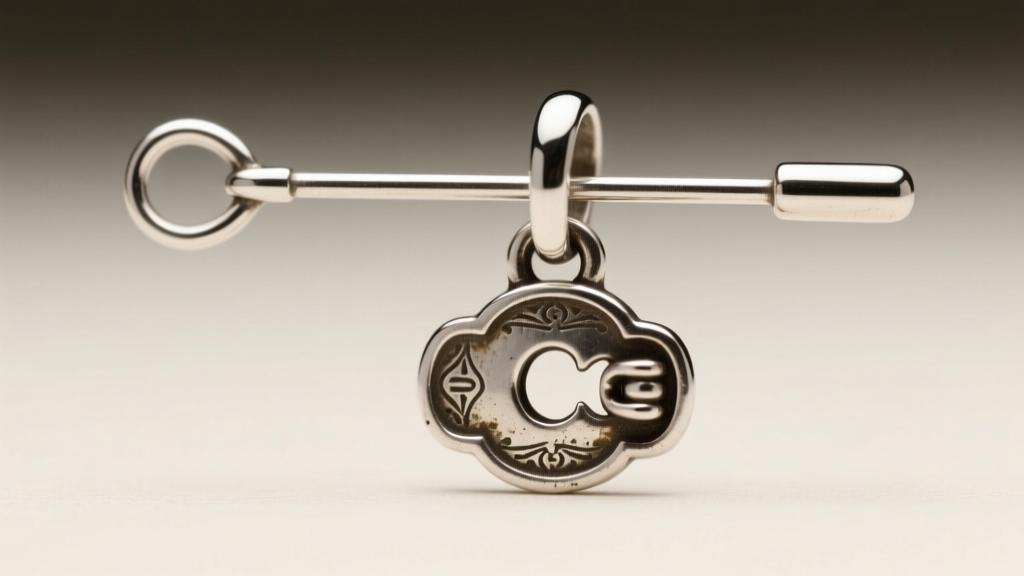
- The Simple 'C' Clasp (1890s–1920s): A basic C-shaped hook with no locking mechanism. The pin stem often extends well beyond the edge of the brooch. Excellent for dating early 20th-century mourning pins.
- The Locking C-Clasp (1930s–Present): Features a rolling barrel that snaps over the pin stem to secure it. Patented around 1901 but not ubiquitous until the late 1920s. If you see a modern locking clasp on a piece marketed as 'Victorian,' proceed with extreme caution.
Gemstone and Enamel Assessment
Many vintage stick pins feature small cabochons or seed pearls. According to the Gemological Institute of America (GIA), early 20th-century pins frequently used synthetic rubies or sapphires (Verneuil process) rather than natural stones. While synthetics are historically accurate and beautiful, they should not command natural gemstone pricing. Furthermore, inspect enamel work under a 10x jeweler's loupe; hairline fractures in guilloché enamel are a dealbreaker for serious investors.
Budgeting for Custom Pin-to-Pendant Conversions
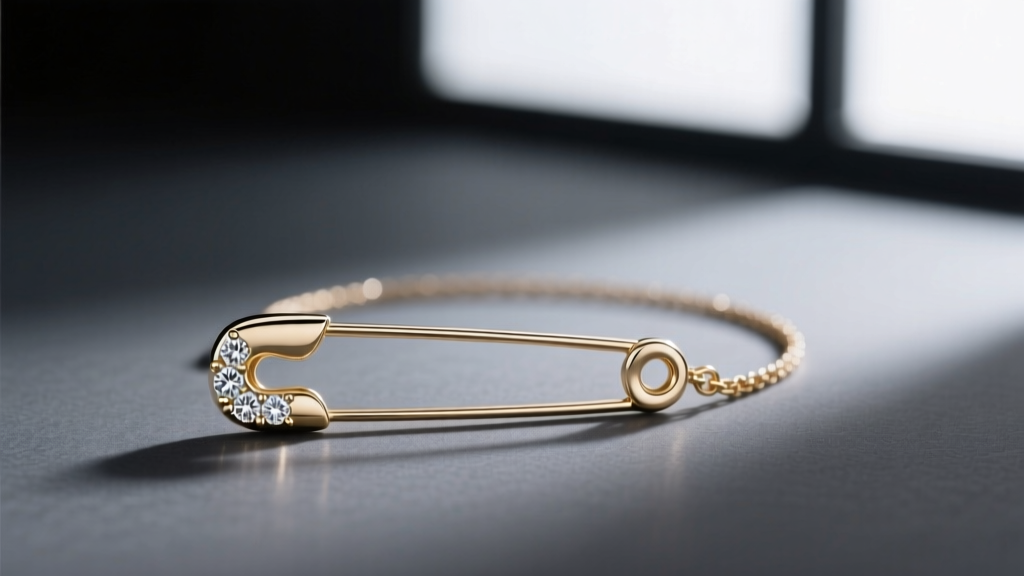
A highly effective budget strategy is purchasing an authentic, high-quality vintage stick pin or lapel pin and having a local jeweler convert it into a necklace pendant. This allows you to acquire solid 14k gold or intricate enamel work for a fraction of the cost of a modern designer piece. However, conversion costs vary wildly based on the required technique.
Torch Soldering vs. Laser Welding
If your vintage pin is solid gold or sterling silver with no heat-sensitive elements, a jeweler can use a traditional micro-torch to solder a sterling or gold bail (the loop the chain passes through) onto the back. This typically costs between $45 and $85.
However, if the pin features enamel, soft gemstones (like opals or turquoise), or is gold-filled, torch soldering will scorch the enamel or melt the thin gold layer. The jeweler must use a laser welder, which focuses a high-energy beam on a microscopic point without transferring ambient heat to the rest of the piece. Laser welding a bail onto an enameled stick pin will cost between $110 and $175. Always ask the jeweler about their welding capabilities before committing to a fragile vintage purchase.
Final Verdict: Is a Pin Necklace a Sound Investment?
The pin necklace meaning ultimately transcends its punk or Victorian origins, evolving into a versatile staple of modern jewelry wardrobes. From a strict budget and value assessment perspective, the highest ROI (Return on Investment) lies in the Modern Artisan and Signed Vintage tiers. You avoid the massive depreciation hit of luxury brand markups while securing pieces with intrinsic metal value or rising collector demand.
When shopping, always verify the hallmark stamps, scrutinize the clasp mechanism to confirm the era, and factor in potential laser-welding costs if you plan to convert a lapel pin. By focusing on structural integrity and verifiable provenance, you can build a meaningful, historically rich necklace collection without overpaying for mere brand hype.


