Pink Floral Necklace Value Guide: Pricing & Materials
Discover the true value of a pink floral necklace. We break down pricing tiers, material grades, and longevity to help you shop smart.

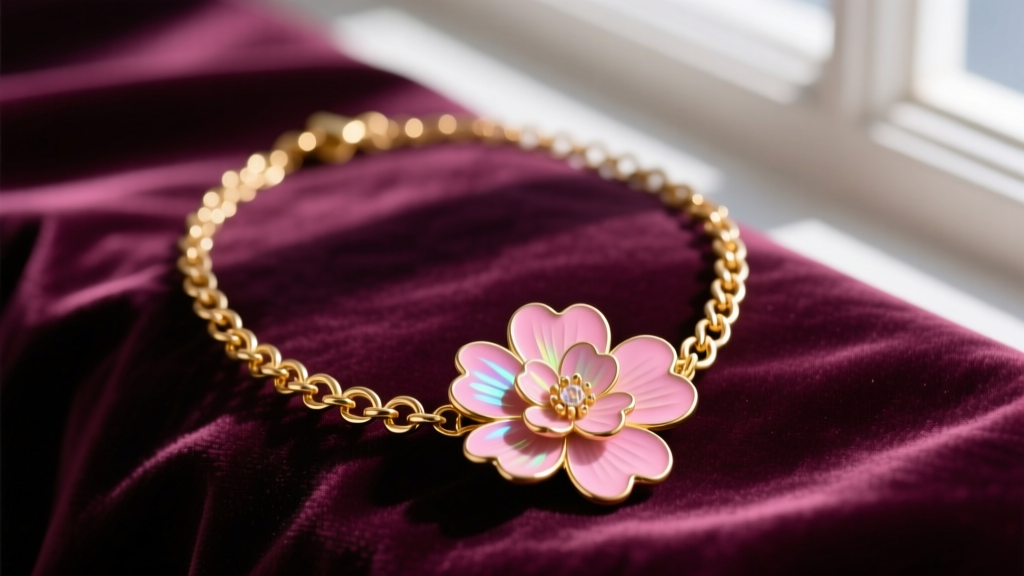
The Anatomy of Value: What Dictates the Price Tag?
The pink floral necklace has long been a symbol of romance, femininity, and botanical appreciation. From the Victorian era's obsession with the "language of flowers" to contemporary spring collections, floral motifs remain a perennial favorite. However, as you browse the market in 2026, you will notice a staggering price disparity. A quick search reveals pink floral necklaces priced anywhere from $12 at fast-fashion retailers to over $4,500 at high-end heritage jewelers. For the discerning buyer, this raises a critical question: what exactly are you paying for, and how can you accurately assess the budget and true value of these pieces? This guide strips away the marketing fluff to evaluate the material science, manufacturing techniques, and structural integrity of pink floral necklaces across different price tiers.
The Floral Medium: Enamel, Resin, and Gemstones
The "pink" in your floral necklace is typically achieved through one of three methods, each with vastly different durability profiles and price points.
Vitreous Enamel vs. Cold Enamel
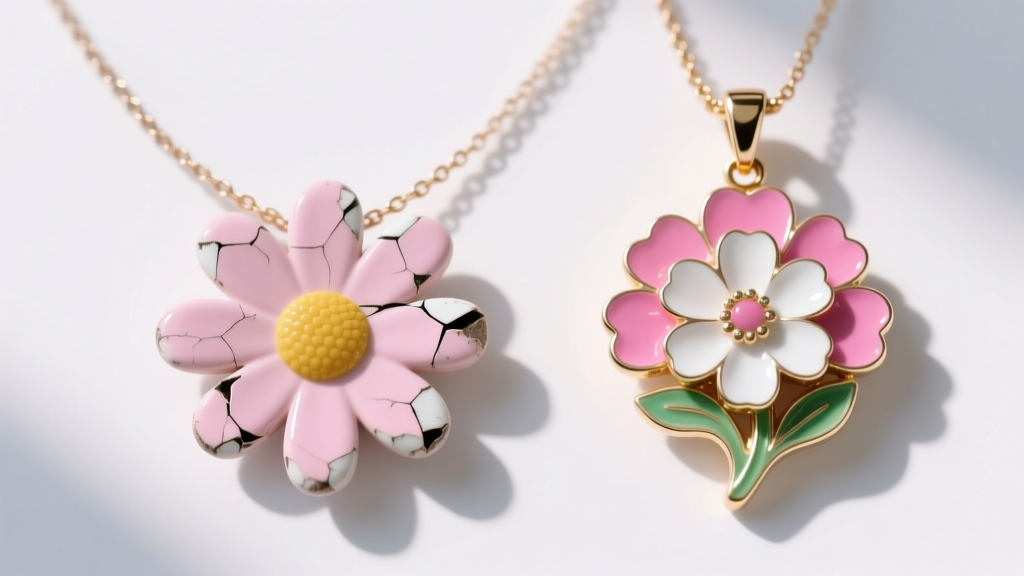
Vitreous enamel is a glass-like substance created by fusing silica powder to a metal base at temperatures exceeding 1400°F. It is incredibly durable, impervious to UV light, and will retain its vibrant pink hue for centuries. Conversely, "cold enamel" is merely a marketing term for tinted epoxy resin. While cold enamel allows for intricate, multi-colored floral designs at a fraction of the cost, it is highly susceptible to UV degradation. Within two to three years of regular wear, a cold enamel pink flower will inevitably yellow and become brittle, leading to micro-fractures. If a brand does not explicitly state "fired" or "vitreous" enamel, assume it is resin.
Gemstone Carvings and Inlays
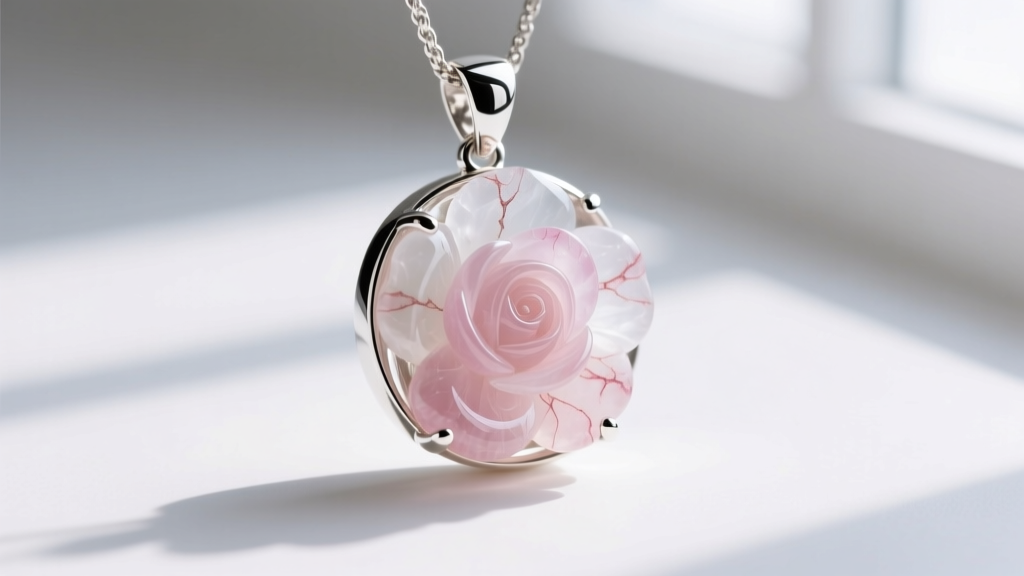
For gemstone-based pink floral necklaces, the value hinges on the stone's origin and treatment. Budget pieces frequently use dyed jade, dyed quartz, or even pink-tinted glass molded into flower shapes. Mid-range options often feature carved rose quartz or natural morganite. According to the Gemological Institute of America (GIA), rose quartz is relatively abundant and affordable, making it an excellent value proposition for carved floral pendants. However, buyers must be wary of fracture-filled quartz, which can shatter if exposed to sudden temperature changes. High-end luxury pieces utilize faceted pink sapphires or padparadscha sapphires set into the petals, driving the price into the thousands due to the rarity of the rough material and the labor-intensive pavé setting process.
Base Metals and Plating Standards
The metal beneath the pink floral design dictates the necklace's structural integrity and skin compatibility. The Jewelers of America strictly outlines the standards for precious metal plating. In the budget tier ($15–$40), necklaces are typically made of brass or nickel-silver alloys with "flash plating"—a gold layer less than 0.1 microns thick. This plating wears off rapidly, exposing the base metal and often causing contact dermatitis.
To achieve genuine value, look for "gold vermeil." By FTC guidelines, vermeil must feature a sterling silver base coated with at least 2.5 microns of 10k, 14k, or 18k gold. A mid-range pink floral necklace ($80–$250) crafted in 14k gold vermeil over solid sterling silver offers the best balance of luxury aesthetics, hypoallergenic properties, and long-term durability.
The 2026 Pricing Matrix: Budget vs. Mid-Range vs. Luxury
To help you assess whether a pink floral necklace is priced fairly, consult the matrix below. This framework evaluates what you should realistically expect at each price point.
| Price Tier | Expected Base Metal | Floral Material | Chain Gauge & Clasp | Expected Lifespan |
|---|---|---|---|---|
| Budget ($15–$50) | Brass/Zinc Alloy | Cold Enamel, Dyed Glass, Acrylic | 0.5mm - 0.8mm, Spring Ring | 6 months – 2 years |
| Mid-Range ($80–$250) | Sterling Silver, 14k Vermeil (2.5μm) | Vitreous Enamel, Carved Rose Quartz | 1.0mm - 1.2mm, Lobster Clasp | 5 – 15 years |
| Luxury ($500+) | Solid 14k/18k Gold, Platinum | Pink Sapphire, Morganite, Fired Enamel | 1.2mm+, Solid Gold Lobster | Generational |
Chain Construction: The Hidden Failure Point
A common mistake when assessing the value of a pink floral necklace is focusing entirely on the pendant while ignoring the chain. A heavy, intricately carved rose quartz or thick enamel floral pendant can easily weigh between 8 and 15 grams. Suspending this weight on a flimsy 0.6mm cable chain is a structural failure waiting to happen.
When evaluating a piece, check the chain's millimeter width and clasp type. A high-value necklace will feature a chain no thinner than 1.0mm, utilizing a robust lobster clasp rather than a fragile spring-ring clasp. Furthermore, inspect the jump rings connecting the clasp to the chain; they should be soldered shut or made of thick-gauge wire to prevent the chain from slipping through and losing your pendant.
Red Flags: When You Are Overpaying
Avoid paying mid-range prices for budget-tier materials. Watch out for these deceptive marketing tactics:
- "Gold Plated" without micron specification: This usually means flash plating over brass, which will tarnish within weeks of daily wear.
- "Genuine Crystal": In the jewelry industry, this is often a legal loophole for leaded glass or synthetic rhinestones, not natural minerals.
- "Artisan Resin": A fancy term for mass-produced epoxy cold enamel that will yellow over time when exposed to sunlight.
- Unstamped Metals: If the silver components lack a "925" stamp or the gold lacks a karat marking, the metal purity is unverified and potentially hazardous to sensitive skin.
Care, Maintenance, and Depreciation
How you care for your pink floral necklace directly impacts its residual value and lifespan. Vitreous enamel and solid gemstones can be gently cleaned with warm water, mild dish soap, and a soft-bristled brush. However, cold enamel and dyed stones should never be submerged in liquid or exposed to harsh chemicals, including perfumes and lotions, which will strip the color and degrade the resin matrix.
Furthermore, never place a floral necklace with prong-set pink sapphires or morganite in an ultrasonic cleaner. The high-frequency vibrations can loosen the settings or exacerbate internal fractures in treated stones. Store the piece flat in a tarnish-resistant cloth pouch to prevent the chain from tangling and scratching the delicate enamel or stone petals.
"The greatest enemy of cold enamel floral jewelry is not water, but UV radiation and cosmetic chemicals. Once the epoxy matrix begins to break down, the pink pigments will oxidize and turn a muddy brown, completely destroying the piece's aesthetic and resale value." — Master Bench Jeweler Assessment
Final Verdict: Maximizing Your Budget
The most prudent investment in the pink floral necklace category lies squarely in the mid-range tier. By spending between $120 and $200, you bypass the disposable nature of fast-fashion jewelry and gain access to solid sterling silver bases, thick 14k gold vermeil, and either genuine vitreous enamel or natural carved rose quartz. This sweet spot guarantees a piece that will withstand daily wear, resist tarnishing, and maintain its botanical charm for a decade or more, offering an exceptional cost-per-wear value that neither the cheapest nor the most exorbitantly priced options can match.


