Restoring Charming Charlie Necklaces: Repair & Care Guide
Learn how to clean, repair, and restore vintage Charming Charlie necklaces. Expert troubleshooting for tarnish, loose stones, and broken clasps.

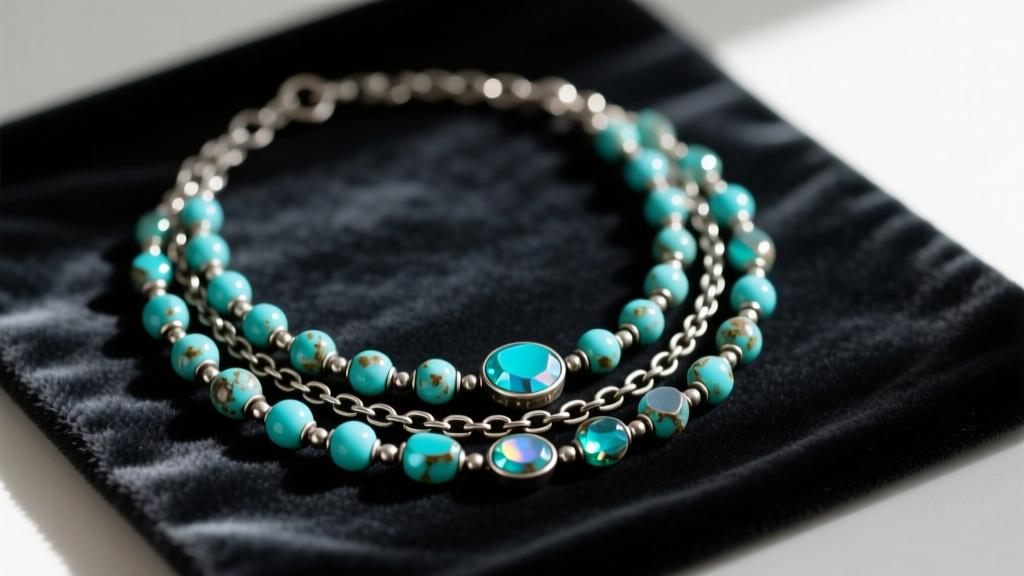
The Legacy and Anatomy of Charming Charlie Jewelry
Charming Charlie was a staple of 2010s fashion jewelry, beloved for its bold, colorful, and heavily layered necklace designs. Though the brand ultimately filed for bankruptcy and closed its retail footprint, thousands of their statement pieces remain in jewelry boxes today. However, because these pieces were manufactured as accessible fashion jewelry rather than fine jewelry, they present unique troubleshooting challenges as they age. To effectively restore Charming Charlie necklaces, you must first understand their material anatomy.
Most Charming Charlie necklaces were cast from Zamak (a zinc alloy containing aluminum, magnesium, and copper) or stamped from base brass. These metals were then finished with a microscopically thin 'flash plating' of gold or silver-tone metal, and sealed with a clear epoxy or lacquer coat. The stones are predominantly acrylic, resin, or glass rhinestones set with prongs or adhesive. Understanding this specific material stack is critical, as using the wrong cleaning agents can instantly strip the flash plating and ruin the piece.
Troubleshooting Tarnish and 'Green Skin' Reactions
The most common complaint with vintage Charming Charlie necklaces is rapid tarnishing and the dreaded 'green skin' reaction. This occurs when the protective topcoat wears away from friction and body oils, exposing the underlying copper or nickel alloys to oxygen and sweat. Once the base metal oxidizes, it transfers to your skin and turns the jewelry a dull, mottled brown or black.
What NOT To Do
Never use commercial silver dips (like Tarn-X) or harsh baking soda pastes on these necklaces. According to the Gemological Institute of America (GIA), abrasive cleaners and chemical dips will strip the delicate flash plating right off the zinc alloy core, leaving you with a dull, grey, and unsalvageable base metal.
The Restoration Protocol
- Light Cleaning: Use a few drops of mild dish soap (like Dawn) in lukewarm water. Gently agitate with a baby toothbrush, avoiding vigorous scrubbing on plated areas. Dry immediately with a microfiber cloth.
- Polishing: Use a treated jewelry cloth, such as a Sunshine Cloth, but apply zero pressure. Let the chemical treatment on the cloth do the work.
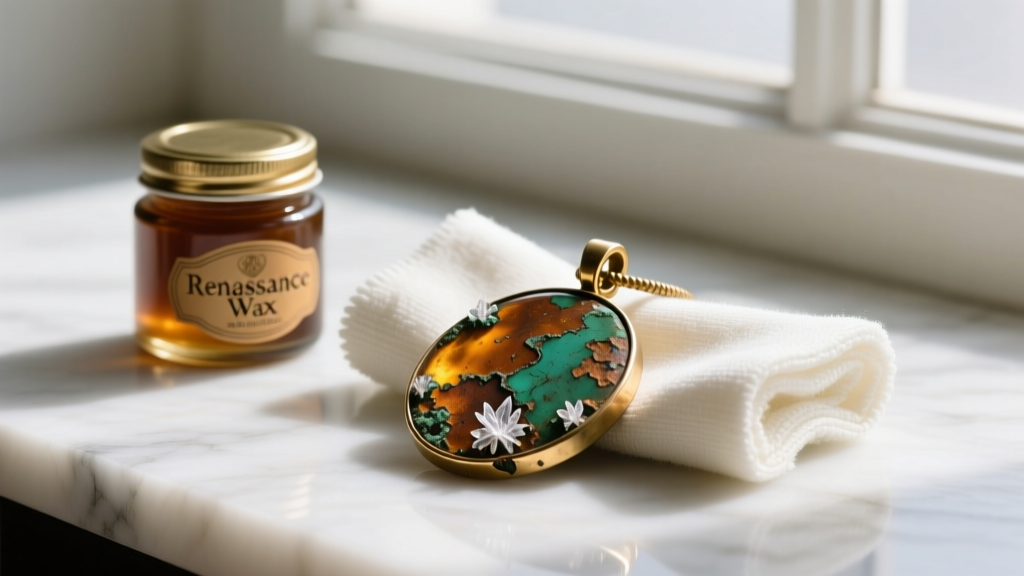
- Sealing (The Green Skin Fix): Once clean and dry, apply a micro-thin layer of Renaissance Wax or a specialized jewelry sealant like ProtectaClear. This creates a breathable, invisible barrier between the base metal and your skin, halting oxidation and preventing green marks without altering the necklace's finish.
Re-Setting Loose Rhinestones and Acrylic Gems
Charming Charlie's multi-strand and bib necklaces often feature dozens of glued or prong-set stones. Over time, temperature fluctuations and adhesive degradation cause stones to pop out. If you have lost a stone, you can source replacement acrylic cabochons or glass rhinestones from suppliers like Fire Mountain Gems.
Choosing the Right Adhesive
Do not use super glue (cyanoacrylate). Super glue dries brittle, creates a white 'frosting' residue on glass and acrylic, and will eventually crack under the flex of a necklace chain. Instead, use the following:
- GS Hypo Cement: Best for tiny, 2mm-4mm glass rhinestones. It features a precision needle tip and dries clear without frosting.
- E6000 Jewelry & Bead: Best for larger acrylic cabochons and heavy resin stones. It remains slightly flexible, absorbing the shock of the necklace moving against your chest.
Application Tip: Apply a microscopic dot of adhesive to the setting, wait 30 seconds for it to become tacky, and then press the stone in. Use a piece of painter's tape to hold the stone flat while it cures for 24 hours.
Upgrading Flimsy Clasps and Jump Rings
The hardware on fashion jewelry is notoriously weak. Charming Charlie frequently used lightweight, hollow spring-ring clasps and thin, unsoldered jump rings that easily pull apart, leading to lost pendants and broken chains. Upgrading the findings is a vital troubleshooting step for long-term wearability.
| Component | Original CC Spec | Recommended Upgrade | Estimated Cost |
|---|---|---|---|
| Clasp | 7mm Hollow Spring Ring | 10mm Solid Lobster Claw | $3 - $6 |
| Jump Rings | 4mm, 22-Gauge (Unsoldered) | 5mm, 18-Gauge (Soldered) | $4 - $8 (pack) |
| Extender Chain | Thin alloy cable chain | Stainless steel or brass-filled cable | $5 - $10 |
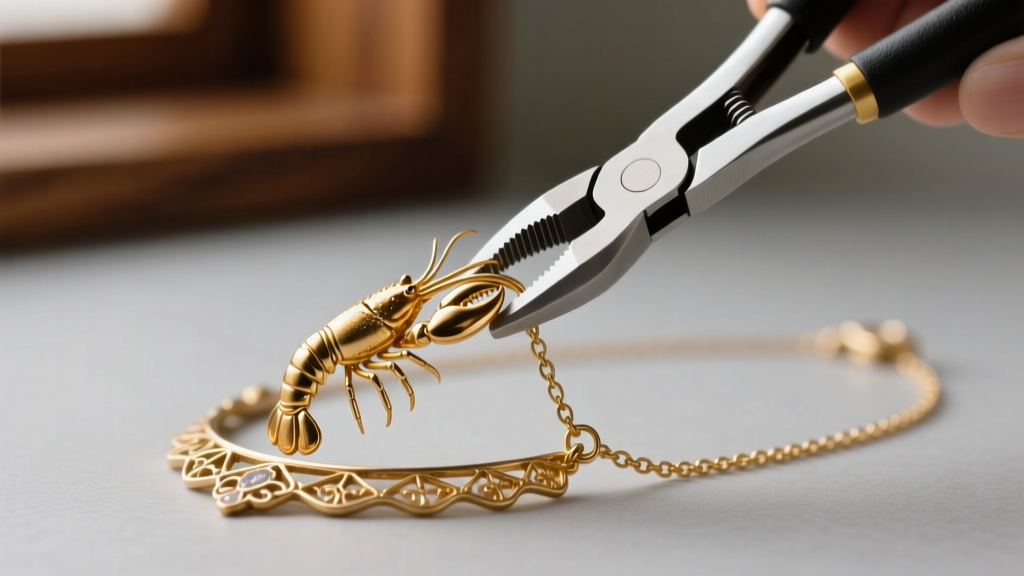
To perform this upgrade, you will need a pair of chain-nose pliers and flush cutters. Snip the old jump ring, thread the new 18-gauge soldered jump ring through the end of the chain and the new lobster clasp, and close it securely. Sourcing high-quality brass or stainless steel findings from Rio Grande Jewelry Supply ensures your upgraded hardware will not tarnish or snap under tension.
Detangling Multi-Strand and Layered Sets
Charming Charlie was famous for selling pre-layered necklace sets and complex multi-strand bibs. When stored improperly, these fine alloy chains knot together into seemingly impossible tangles. Pulling on them will permanently stretch or snap the delicate links.
The Powder and Needle Method
- Lay the tangled necklace flat on a hard, dark surface (like a slate tile or dark cutting mat).
- Sprinkle a generous amount of baby powder or cornstarch directly onto the knot. This acts as a dry lubricant, reducing the friction between the metal links.
- Take two sewing needles or fine beading awls. Insert the tips into the center of the knot and gently wiggle them outward to loosen the tension.
- Once the center is loose, use the needles to pull individual links through the gaps. Wipe away the powder with a soft brush once fully detangled.
Sourcing Replacement Parts and Vintage Pieces
Because the brand is defunct, you cannot order replacement parts directly from the manufacturer. If you are missing a specific proprietary pendant or clasp, your best troubleshooting route is the secondary market. Platforms like Poshmark, eBay, and Etsy are goldmines for 'junk' or broken Charming Charlie lots. You can often purchase a broken $15 necklace simply to harvest its unique glass stones, acrylic beads, or specific chain styles to repair your favorite piece. When searching, use specific long-tail keywords like 'Charming Charlie turquoise bib necklace broken' to find donor pieces that match your exact colorway and hardware finish.


