How to Clean and Care for Your Sacred Tulasi Necklace
Learn expert care, cleaning, and maintenance tips for your sacred tulasi necklace. Protect the organic wood beads and thread from sweat and moisture.

The Unique Botanical Profile of Tulasi Wood
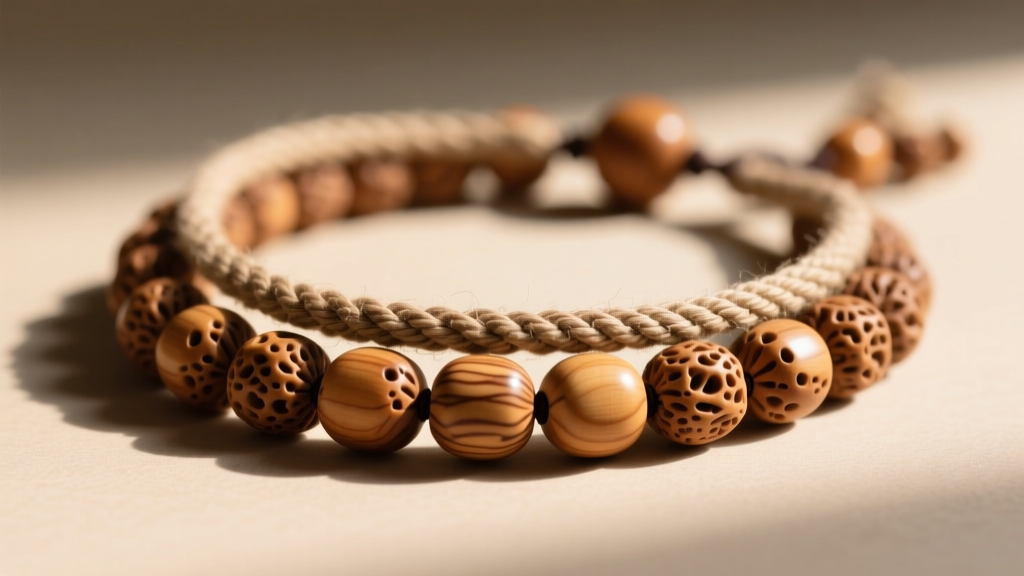
To properly maintain a tulasi necklace, you must first understand the material you are working with. Tulasi beads are carved from the dried stems and roots of the Holy Basil plant (Ocimum tenuiflorum). Unlike dense gemstones, metallic alloys, or even resinous hardwoods like sandalwood, tulasi wood is highly porous, lightweight, and lacks natural protective oils. According to data from The Wood Database, organic plant stems possess a cellular structure designed to transport water, meaning they will rapidly absorb moisture, sweat, and environmental pollutants if left untreated.
Because of this extreme porosity, a tulasi necklace cannot be cleaned using standard jewelry ultrasonic machines or harsh chemical dips. The wood is also relatively soft, making it susceptible to denting, cracking, and surface degradation when exposed to the acidic nature of human sebum and perspiration. Caring for this sacred mala requires a specialized approach that balances physical preservation with the spiritual reverence outlined in traditional Vaishnava guidelines on Krishna.com.
Daily Wear: Navigating Moisture and Acidity
The most common point of failure for a tulasi necklace is prolonged exposure to moisture. Human sweat typically has a pH ranging from 4.5 to 7.0. When this mildly acidic moisture saturates the porous wood beads, it breaks down the lignin and cellulose fibers over time, leading to a dark, muddy discoloration and a weakened structural integrity.
The Purity and Protection Protocol
- Showering and Swimming: Always remove your tulasi mala before bathing, swimming, or entering a sauna. Chlorine and saltwater are particularly aggressive and will cause the wood fibers to splinter and the cotton thread to rot.
- Heavy Exercise: Avoid wearing the necklace during high-intensity workouts. The combination of heavy sweating and friction against the chest will accelerate the degradation of both the beads and the stringing material.
- Sleeping: Take the necklace off before bed. Tossing and turning can cause the beads to snag on bedding, putting undue stress on the stringing cord and potentially causing micro-fractures in the wood.
Step-by-Step Cleaning Guide for Tulasi Beads
When your necklace accumulates surface dirt, skin cells, or environmental dust, it requires gentle, dry-cleaning methods. Never submerge your tulasi necklace in water.
- Dry Brushing: Use a clean, soft-bristled brush (such as a horsehair shoe brush or a clean, dry baby toothbrush). Gently brush each bead in a circular motion to dislodge dust trapped in the wood’s natural grooves and around the drill holes.
- The Damp Cloth Method: If dry brushing is insufficient, slightly dampen a microfiber cloth with distilled water. Wring it out until it is barely moist. Wipe each bead individually, ensuring no water seeps into the drill holes where the thread is housed.
- Immediate Drying: After using the damp cloth, immediately buff the beads dry with a separate, soft cotton cloth. Allow the necklace to air dry in a well-ventilated area away from direct sunlight or heat sources, which can cause rapid moisture loss and cracking.
- Avoid Chemical Cleaners: Never use rubbing alcohol, ammonia, or commercial jewelry polishes. These solvents will strip the wood of its natural remaining moisture, leading to irreversible brittleness.
Conditioning: Oiling and Hydration
Because tulasi wood lacks the dense, self-sealing resins found in other botanical jewelry materials, it requires periodic conditioning to prevent drying and cracking. Oiling also enhances the natural grain and deepens the color of the beads to a rich, warm brown.
Approved Oils for Tulasi Wood
- Sandalwood Essential Oil: The traditional and most spiritually appropriate choice. It provides a light protective barrier and imparts a calming, sacred fragrance. Ensure it is diluted with a carrier oil if it is a concentrated essential oil.
- Pure Ghee (Clarified Butter):strong> Highly revered in Vedic traditions, ghee nourishes the wood deeply. However, it must be applied very sparingly to avoid attracting dust or developing a rancid odor over time.
- Food-Grade Mineral Oil: An excellent, odorless, and stable alternative that will not go rancid. It is widely used for wooden cutting boards and works exceptionally well for preserving organic wood beads.
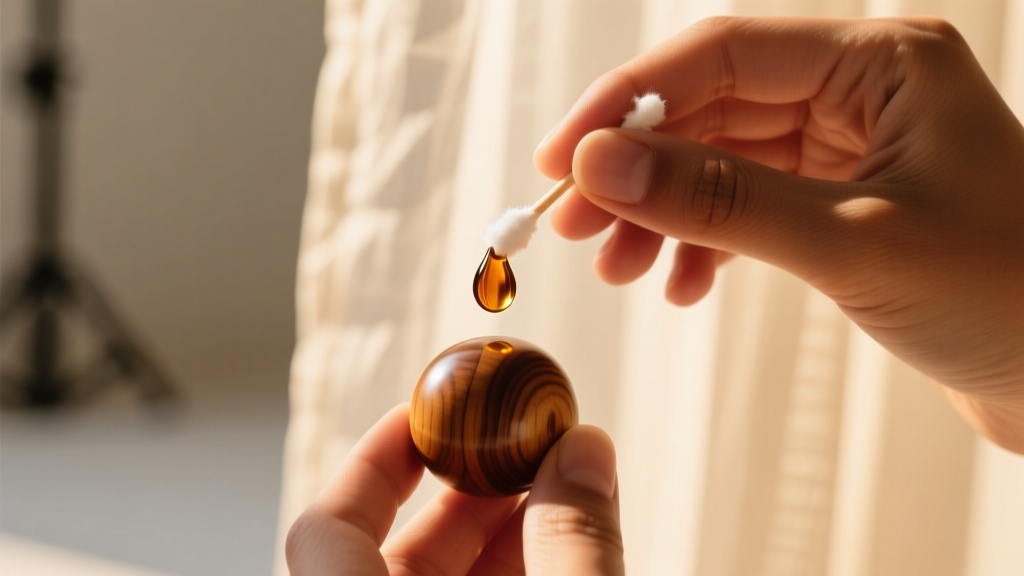
Application Technique: Place a single drop of your chosen oil on a soft cotton cloth. Rub the cloth between your hands to distribute the oil evenly, then gently massage the necklace. Allow the oil to penetrate for 20 minutes before buffing away any excess with a dry cloth. Perform this conditioning routine once every three to six months, depending on your local climate's humidity levels.
Thread Integrity: Materials and Restringing
The beads are only half of the equation; the cord holding your tulasi necklace together requires equal attention. The friction of the wood against the cord, combined with the acidic breakdown from sweat, means restringing is a necessary part of the necklace's lifecycle.
| Cord Material | Durability | Stretch Factor | Maintenance Notes |
|---|---|---|---|
| Unbleached Cotton (1.2mm) | Moderate | Low | Traditional and spiritually pure, but highly susceptible to sweat degradation. Requires annual replacement. |
| Silk Thread (1.0mm) | High | Moderate | Stronger than cotton with a beautiful drape, but can stretch over time if worn during physical activity. |
| Nylon/Polyester (0.8mm) | Very High | None | Waterproof and sweat-proof. Less traditional, but ideal for practitioners living in highly humid climates. |
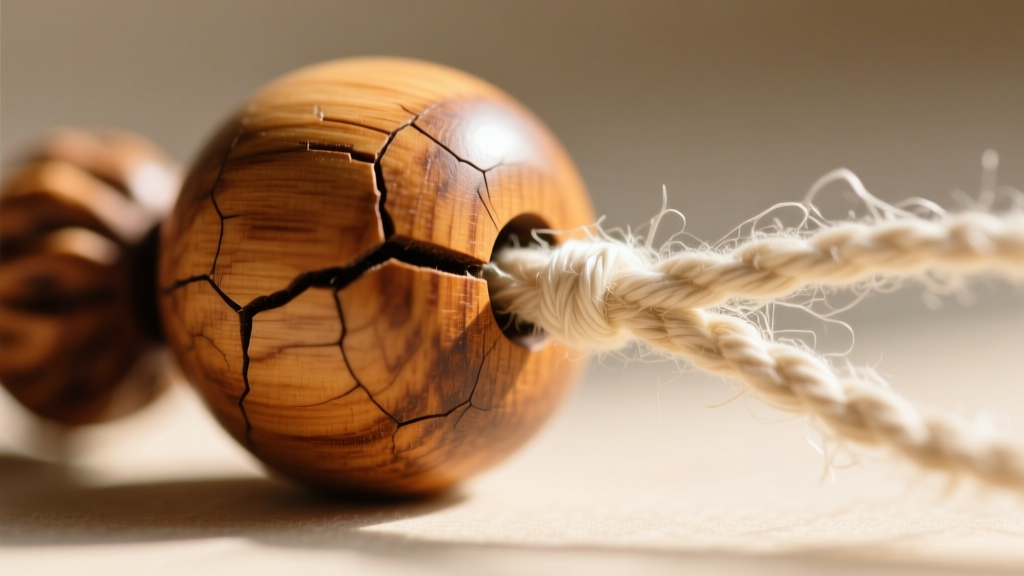
When to Restring: Inspect the cord near the clasp and the center bead (the Meru or Sumeru bead) every few months. If you notice fraying, thinning, or a change in the cord's color due to sweat saturation, restring the mala immediately to prevent catastrophic snapping and the loss of your sacred beads.
Troubleshooting Common Tulasi Necklace Issues
Even with meticulous care, organic materials can present unique challenges. Use this matrix to diagnose and resolve common issues.
| Issue | Root Cause | Actionable Solution |
|---|---|---|
| White Fuzz / Mold | Trapped moisture stored in a dark, unventilated space. | Brush off with a dry, stiff brush. Wipe with a cloth lightly dampened with white vinegar, then dry in indirect sunlight. Apply a micro-drop of neem oil to deter future growth. |
| Surface Cracking | Extreme dryness or rapid temperature fluctuations. | Immediately condition with mineral oil or ghee. Store in a humidified room (40-50% humidity) to allow the wood fibers to stabilize. |
| Dark, Muddy Beads | Absorption of excess sweat, dirt, and synthetic lotions. | Lightly sand the surface of the beads with ultra-fine grit sandpaper (2000+ grit) to remove the stained outer layer, then re-oil. |
| Sticky Residue | Application of too much oil or contact with cosmetic products. | Wipe vigorously with a dry, lint-free microfiber cloth. Leave in a warm, dry area to allow the wood to release the excess oil. |
Long-Term Storage Best Practices
How you store your tulasi necklace when it is not in use is just as critical as how you wear it. Never store organic wood jewelry in sealed plastic bags or zip-lock pouches. Plastic traps ambient moisture and prevents the wood from breathing, creating an ideal incubator for mold and mildew.
Expert Tip: Always store your tulasi mala in a breathable, natural fabric pouch made of unbleached cotton or raw silk. Keep the pouch in a wooden jewelry box or a drawer that maintains a stable, moderate temperature away from direct HVAC vents or radiators.
By respecting the organic nature of the Ocimum tenuiflorum wood and adhering to these strict maintenance protocols, your tulasi necklace will not only survive but develop a beautiful, spiritually significant patina that deepens with years of dedicated use and careful preservation.


