Coldwater Creek Necklace Value: 2026 Resale and Pricing Guide
Assess the true value of a Coldwater Creek necklace. Learn material grades, vintage resale prices, and what to look for in 2026.

The Legacy and the Market: Understanding Coldwater Creek Jewelry
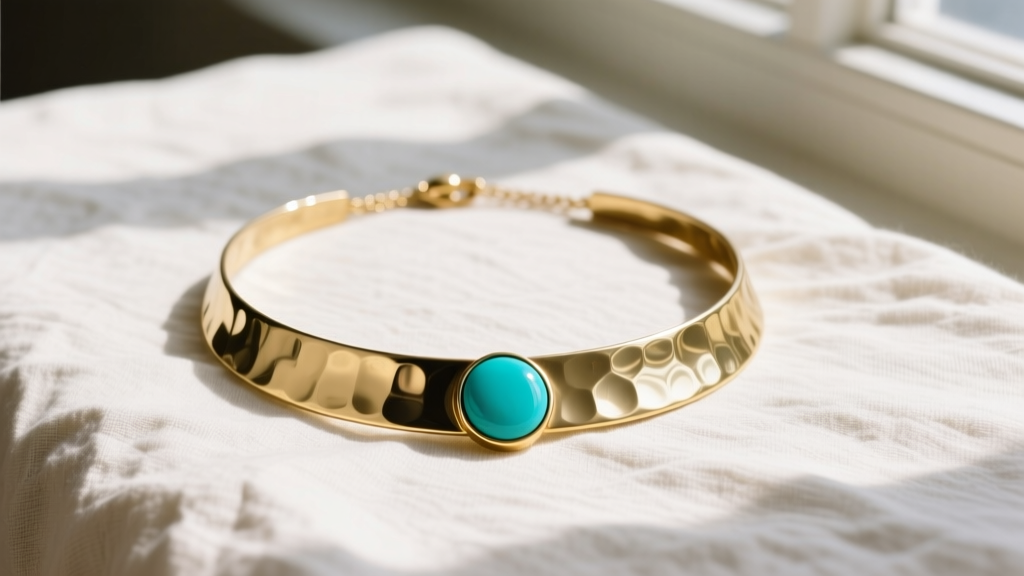
When evaluating the secondary market for fashion jewelry, few brands evoke as much nostalgia and debate as Coldwater Creek. Originally founded in 1984, the brand built its early reputation on artisan-inspired, semi-precious stone jewelry that felt substantial and unique. However, following its well-documented bankruptcy, liquidation, and subsequent brand revivals, the manufacturing standards shifted dramatically. For collectors and resellers in 2026, understanding the stark contrast between vintage and contemporary pieces is the key to accurate budget and value assessment. A coldwater creek necklace from 1996 is fundamentally different in metallurgy, stone quality, and resale potential compared to one purchased from their modern online catalog.
The Evolution: Artisan Origins vs. Modern Mass Production
To accurately price these necklaces, you must first identify the era of production. The brand's history can be broadly divided into two distinct epochs that dictate market value:
- The Golden Era (1984–2010): During this period, necklaces were heavily inspired by global artisan crafts. They frequently featured solid brass or copper base metals, thick gold or silver electroplating, and genuine semi-precious stones like turquoise, lapis lazuli, amethyst, and agate. These pieces were heavy, durable, and featured intricate metalwork.
- The Revival Era (2014–Present): After the brand's intellectual property was acquired and relaunched, the jewelry transitioned to mass-market fashion standards. Modern pieces typically utilize lighter zinc alloys (Zamak) or pewter bases, feature flash-plated finishes, and rely heavily on glass beads, acrylics, and synthetic resins instead of genuine stones.
Metallurgy and Material Grades: What Lies Beneath the Plating
The intrinsic value of any fashion jewelry piece is anchored in its base metal and plating thickness. According to the Federal Trade Commission (FTC) Jewelry Guides, the terminology used to describe gold plating is strictly regulated, and this applies directly to how Coldwater Creek marked their pieces over the decades.
Vintage Coldwater Creek necklaces often boast a brass base. Brass is an alloy of copper and zinc that is highly resistant to structural degradation. When plated, these older pieces typically received a heavy electroplated layer of 14k or 18k gold, often ranging from 1.0 to 2.5 microns in thickness. This substantial plating allows vintage pieces to be polished and restored even after decades of wear.
Conversely, contemporary revival pieces predominantly use Zamak—a zinc alloy containing aluminum, magnesium, and copper. While Zamak allows for highly detailed, inexpensive casting, it is brittle and prone to a phenomenon known as 'zinc pest' (intergranular corrosion) if exposed to high humidity over long periods. Furthermore, modern plating is usually a 'flash plate' of less than 0.3 microns, often sealed with a clear e-coating. Once this microscopic layer wears through to the zinc base, the piece cannot be easily restored and loses nearly all secondary market value.
2026 Resale Value Matrix: Vintage vs. Contemporary
When listing or purchasing a coldwater creek necklace, use the following matrix to benchmark your expectations. Prices reflect the 2026 secondary market averages on platforms like eBay, Poshmark, and Mercari for pieces in very good condition.
| Era / Collection Type | Base Metal | Primary Materials | Avg. Resale Price | Collector Demand |
|---|---|---|---|---|
| 1990s Artisan Series | Solid Brass / Copper | Genuine Turquoise, Lapis, Coral | $45 – $95 | High (Niche Collectors) |
| Early 2000s Statement | Brass / Heavy Alloy | Resin, Glass, Faux Pearls | $18 – $35 | Moderate (Y2K Trend) |
| 2010s Transitional | Pewter / Pot Metal | Acrylic, Enamel, Rhinestones | $10 – $20 | Low |
| Post-2020 Revival | Zamak / Zinc Alloy | Painted Wood, Glass Beads | $4 – $12 | Very Low (Thrift Only) |
Authentication and Dating: Decoding the Hallmarks
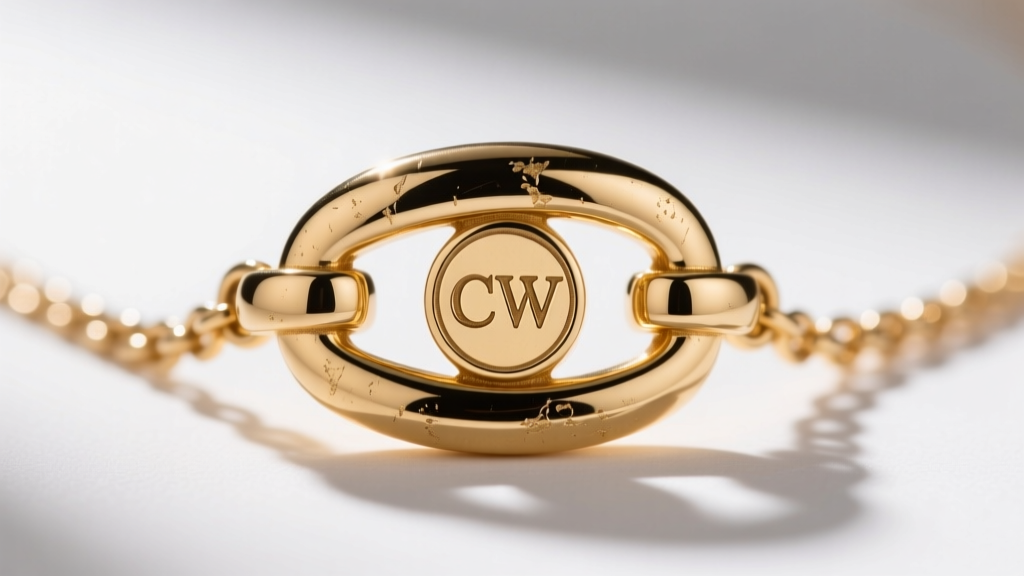
Dating a necklace without its original packaging requires a close examination of the hardware and hallmarks. Early vintage pieces rarely feature a stamped logo on the pendant itself; instead, look for a small, oval hangtag attached to the chain near the clasp stamped with 'Coldwater Creek' or a stylized 'CWC'.
The clasp type is also a major chronological indicator. Pieces from the 1980s and early 1990s frequently utilize spring-ring clasps or simple hook-and-eye closures made of heavier base metals. By the late 1990s and 2000s, the brand transitioned almost exclusively to lobster claw clasps. If you encounter a modern-looking, lightweight lobster clasp with a laser-etched (rather than stamped) logo, you are likely looking at a post-2014 revival piece.
Common Failure Modes in Secondary Market Pieces
When assessing value, you must deduct for specific failure modes common to this brand's manufacturing history. Inspect the necklace for the following flaws before finalizing a purchase or setting a resale price:
- Epoxy Resin Yellowing: Many 2000s era necklaces used clear epoxy resin to secure faux-amber or tortoiseshell acrylic elements. Over time, UV exposure causes this resin to turn a murky, opaque yellow, which significantly diminishes the aesthetic and monetary value.
- Clasp Spring Fatigue: The internal steel springs inside the brand's gold-tone lobster clasps were often not stainless. It is incredibly common to find vintage pieces where the clasp lever is completely frozen due to internal rust, requiring a $15-$20 hardware replacement to make the necklace wearable.
- Stone Foiling Degradation: In pieces utilizing glass cabochons meant to mimic gemstones, the metallic foil backing applied to the glass can flake or oxidize if moisture breaches the bezel setting, turning a vibrant 'ruby' into a dull, cloudy brown.
Sourcing and Selling Strategies for Maximum ROI
If your goal is to flip vintage pieces for a profit, sourcing is everything. Thrift stores in the American Midwest and Pacific Northwest—regions where the brand's original brick-and-mortar footprint was strongest—remain the most lucrative hunting grounds for 1990s artisan pieces. Estate sales are equally valuable, as older demographics who shopped the brand during its peak are now downsizing.
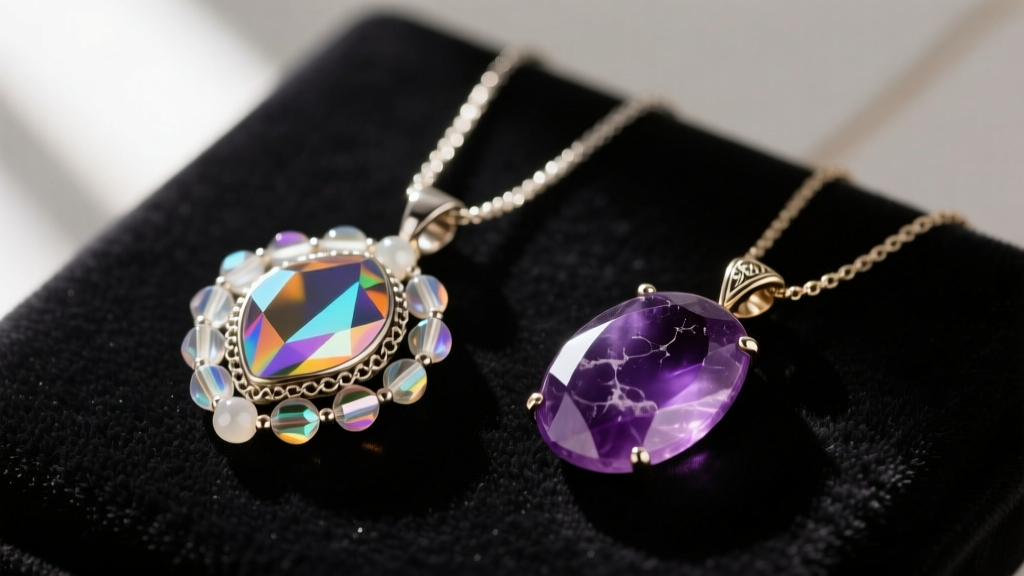
When selling, accurate gemstone identification is paramount. As noted by the Gemological Institute of America (GIA), the distinction between natural, treated, and simulated stones must be clearly disclosed. If you are selling a vintage 1990s necklace, explicitly state whether the turquoise is natural, stabilized, or dyed howlite. Providing a macro-photograph of the stone's matrix (the natural veining) alongside a clear shot of the CWC hallmark will justify a premium asking price and attract serious vintage jewelry collectors rather than casual bargain hunters.
Final Verdict: Is It Worth the Investment?
From a strict budget and value assessment perspective, a coldwater creek necklace is not a traditional financial investment like fine jewelry. You will not find intrinsic melt value or high-end auction house interest here. However, as a piece of accessible vintage Americana, the 1990s artisan collections offer exceptional value. They provide the weight, natural materials, and unique design of high-end boutique jewelry at a fraction of the cost. For resellers, the margin lies in knowledge: correctly identifying a heavy brass, genuine-stone piece from 1995 and marketing it to the right nostalgic buyer can easily yield a 300% return on a $5 thrift store find. Modern revival pieces, however, should be bought strictly for personal enjoyment, as their secondary market value is virtually nonexistent.


