The Ultimate Brown Bead Necklace Buying Guide: Materials & Quality
Learn how to choose a high-quality brown bead necklace. Discover gemstone grading, stringing durability, and authentic wood beads in our expert guide.

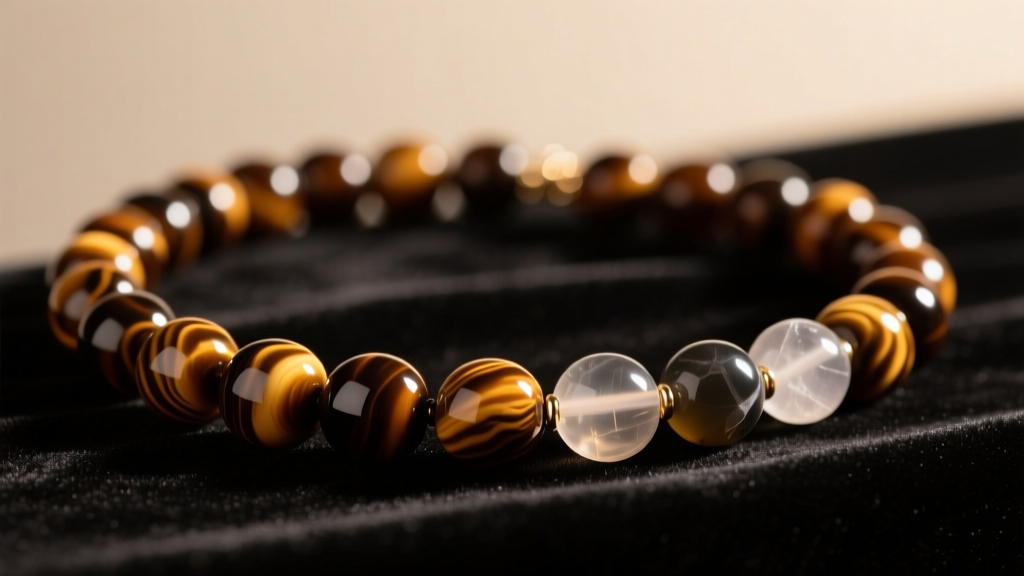
The earthy, grounded aesthetic of a brown bead necklace has transcended seasonal boho trends to become a permanent staple in modern jewelry wardrobes. Whether you are drawn to the optical phenomena of tiger’s eye, the smoky depths of irradiated quartz, or the organic warmth of hand-carved mahogany, buying bead necklaces requires a keen eye for material authenticity and structural integrity. Unlike solid metal chains, bead necklaces rely entirely on the quality of their individual components and the hidden stringing materials that hold them together. In this comprehensive buying guide, we break down the exact gemological grades, stringing mechanics, and failure modes you need to evaluate before investing in your next piece.
Decoding Brown Gemstone Beads: What You Are Actually Buying
Not all brown stones are created equal. The market is flooded with heat-treated, dyed, and synthetic alternatives masquerading as premium gemstones. Understanding the specific properties of the most common brown beads will protect you from overpaying for treated materials.
Tiger’s Eye: Chatoyancy and Treatment
Genuine tiger’s eye is a pseudomorph of quartz after crocidolite, prized for its chatoyancy (the cat’s eye effect). When shopping, look for beads that display a sharp, distinct band of light that glides smoothly across the surface as you rotate the bead. According to the Gemological Institute of America (GIA), natural brown tiger’s eye has a specific gravity of 2.64 to 2.71 and a Mohs hardness of 7. Beware of red tiger’s eye, which is almost universally heat-treated brown tiger’s eye, and blue tiger’s eye (hawk’s eye), which is often dyed. While heat treatment is an accepted industry practice, it should be reflected in the price; natural, untreated golden-brown beads command a 20-30% premium.
Smoky Quartz: Natural vs. Irradiated
Smoky quartz ranges from a light, translucent brownish-grey to an almost opaque dark brown. The Mindat mineral database notes that natural smoky quartz gets its color from natural irradiation interacting with aluminum impurities. However, the vast majority of commercial smoky quartz beads are artificially irradiated clear or pale quartz. You can often spot artificially irradiated beads by their overly uniform, pitch-black brown color and lack of internal color zoning. Natural beads will feature uneven color distribution and visible internal fracturing.
Agate and Jasper: The Dye Problem
Brown agate and jasper are incredibly popular for bead necklaces due to their durability and striking banding. However, agate is highly porous and frequently dyed. To test for dye, rub a cotton swab dipped in acetone (nail polish remover) over the bead. If the swab picks up brown pigment, the stone is dyed. While dyed agate isn't inherently bad, it should be priced significantly lower than natural earth-toned jasper or undyed botanical agate.
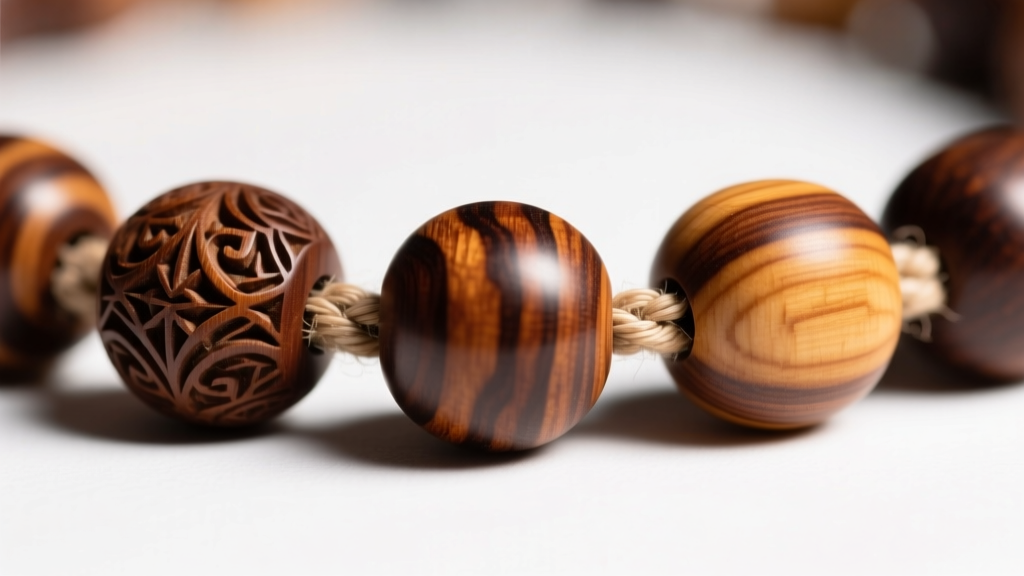
Organic and Wood Beads: Sustainability and Durability
For a lighter, more tactile brown bead necklace, organic materials like wood, seeds, and nut shells are exceptional choices. However, they introduce unique structural vulnerabilities that gemstones do not possess.
- Mahogany & Sandalwood: Authentic sandalwood retains a subtle, natural fragrance for years, but it is highly susceptible to moisture and skin oils, which can darken the wood and clog its pores. Look for beads that have been lightly sealed with natural beeswax rather than polyurethane, which creates an artificial, plastic-like shine.
- Tagua Nut (Vegetable Ivory):strong> Often dyed brown to mimic expensive hardwoods or tortoiseshell, tagua is incredibly dense. However, if exposed to high humidity, tagua beads can absorb moisture and develop micro-cracks over time. Ensure the beads are fully cured before purchase.
- Coconut Shell: A staple in sustainable jewelry, coconut shell beads are lightweight and durable. The primary failure point here is the drill hole; poorly sanded drill holes will act like tiny saws, eventually fraying and snapping the stringing wire from the inside out.
Expert Tip: When buying wood bead necklaces, always check the weight. Genuine hardwoods like mahogany and ebony have a substantial, dense heft. If the brown beads feel unusually light or hollow, they are likely composite wood dust bound with resin, or a lightweight filler wood like balsa that has been heavily stained.
The Stringing Matrix: Wire vs. Silk vs. Elastic
The most critical component of a brown bead necklace is the material hiding inside the drill holes. A necklace is only as strong as its stringing medium. Here is a breakdown of what to look for based on the bead material.
| Stringing Material | Tensile Strength & Specs | Best Used For | Lifespan | Primary Failure Mode |
|---|---|---|---|---|
| 49-Strand Stainless Steel Wire (e.g., Soft Flex) | 0.018" gauge, 20-30 lb test | Heavy gemstones (Tiger's eye, large agate) | 10+ Years | Kinking, crimp tube slippage |
| 100% Silk Cord (e.g., Griffin) | Size #8 (0.80mm), knotted | Premium organics, lightweight polished stones | 3-5 Years | Stretching, sweat degradation, fraying |
| Elastic Cord (e.g., Stretch Magic) | 0.8mm - 1.0mm polyurethane | Slip-on casual bead necklaces, matte wood | 1-2 Years | UV degradation, sudden snapping |
For heavy brown gemstone beads (8mm or larger), insist on 49-strand beading wire. Cheaper necklaces use 7-strand or 19-strand wire, which is highly prone to kinking and will eventually snap under the weight of dense stones like jasper. If the necklace is knotted between each bead (common with silk), gently pull the cord between two beads; there should be minimal give. Excessive slack indicates poor tensioning during the manufacturing process.
Sizing, Spacing, and Clasp Mechanics
The drape of a bead necklace is dictated by the diameter of the beads and the spacing between them. A 4mm brown bead necklace will drape like a fluid chain, conforming closely to the collarbone. Conversely, a 12mm or 14mm bead necklace will sit rigidly, creating a bold, geometric arc that requires a longer length (20 to 24 inches) to properly clear the neckline.
Clasp Selection for Heavy Beads
Standard spring-ring clasps are entirely inadequate for heavy brown gemstone necklaces. The weight of the beads will pull the necklace backward, causing a small spring ring to constantly slide to the back of your neck and pop open. For any bead necklace weighing over 40 grams, look for a toggle clasp or a magnetic clasp with a secondary safety chain. Toggle clasps use the weight of the necklace to keep the T-bar securely locked inside the ring, making them the safest mechanical option for heavy stone beads.

Price Tiers and Authenticity Checks
When evaluating the market for a brown bead necklace, pricing is a strong indicator of material origin and labor intensity. Use this framework to gauge if you are getting a fair deal:
- The Budget Tier ($15 - $40): Expect dyed agate, glass beads with a brown metallic coating, or composite wood. Stringing will likely be basic elastic or stiff 7-strand wire. Drill holes may be rough and uneven.
- The Mid-Range Tier ($45 - $120): This is the sweet spot for authentic, untreated brown jasper, standard-grade tiger’s eye, and genuine sandalwood. You should expect 49-strand wire, secure crimp beads covered by metal bead tips, and smoothly polished drill holes.
- The Premium Tier ($150 - $400+): Reserved for AAA-grade smoky quartz with exceptional clarity, rare earth jaspers (like Ocean Jasper with brown inclusions), or antique trade beads. These pieces will feature hand-knotting on high-grade silk, custom-fabricated precious metal clasps, and perfectly matched bead coloration.
Final Checklist Before You Buy
Before finalizing your purchase, run through this quick physical or visual inspection checklist to ensure your brown bead necklace meets professional jewelry standards:
- Inspect the Drill Holes: Look closely at the holes. Are they chipped? Rough edges will destroy the stringing material over time. Premium beads have micro-beveled drill holes to protect the wire.
- The Temperature Test: Genuine gemstones (tiger's eye, quartz, agate) will feel distinctly cold to the touch and take several seconds to warm up against your skin. Glass or resin-plastic fakes will feel room-temperature and warm up instantly.
- Check the Clasp Jump Rings: Ensure the jump rings connecting the clasp to the beading wire are soldered closed. If there is a visible gap in the jump ring, the heavy beads will eventually pull the wire right through the opening.
- Evaluate Color Consistency: While natural stones have variations, the overall tone of the necklace should be cohesive. A necklace with wildly mismatched brown shades often indicates a mix of natural and dyed beads strung together.
By prioritizing material authenticity, demanding high-tensile stringing mediums, and selecting appropriate clasps, you can invest in a brown bead necklace that is not only visually striking but structurally engineered to last a lifetime.


