Jennifer Meyer Name Necklace: Repair & Care Troubleshooting
Troubleshoot common issues with your Jennifer Meyer name necklace. Expert solutions for chain tangling, flipping pendants, and 18k gold clasp repairs.

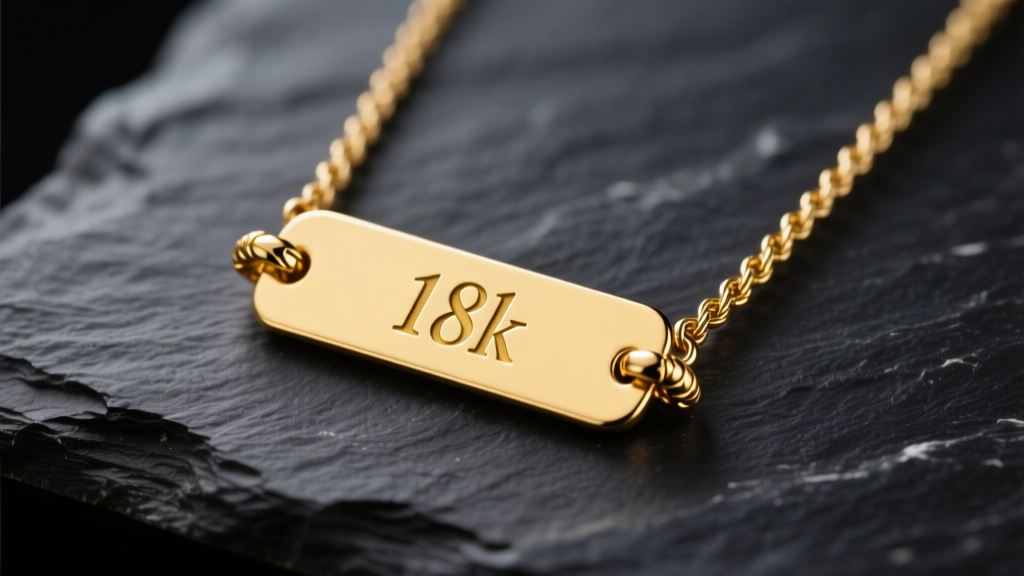
The Anatomy of a Jennifer Meyer Name Necklace
Owning a jennifer meyer name necklace is a milestone in fine jewelry collecting. Renowned for their bespoke, hand-crafted appeal and celebrity following, these pieces are typically forged in 18k yellow gold and feature delicate, custom-cut nameplates. However, the very elements that make these necklaces so elegant—the ultra-fine cable chains and high-karat gold—also make them susceptible to specific structural issues. As of 2026, the secondary market and repair requests for these specific pieces have surged, revealing a pattern of common wear-and-tear problems.
To effectively troubleshoot your necklace, you must first understand its metallurgy. According to the Gemological Institute of America (GIA), 18k gold consists of 75% pure gold alloyed with metals like copper and silver. While this provides a rich, warm hue, it yields a Vickers hardness of roughly 125-130. This relative softness means the 0.85mm to 1.0mm gauge chains used by Meyer are prone to stretching, micro-knotting, and jump ring distortion if subjected to daily tension.
Troubleshooting the 'Flipping' Nameplate Dilemma
The most frequent complaint among owners is the nameplate flipping upside down or sliding off-center. This occurs due to a mismatch in the center of gravity between the heavy custom-cut letters and the lightweight chain, exacerbated by a single, oversized jump ring bail that allows the pendant to rotate freely.
Comparative Solutions for Pendant Stability
| Method | Invasiveness | Cost (2026 Est.) | Longevity |
|---|---|---|---|
| Silicone Earring Backers | None (Temporary) | $5 - $10 | Low (Degrades with oils/perfume) |
| Soldered Secondary Bail | Moderate (Permanent) | $85 - $120 | High (Fixes rotation entirely) |
| Adding a Counterweight Bead | Low (Semi-Permanent) | $40 - $60 | Medium (Keeps clasp at the back) |
For a permanent fix, a bench jeweler can laser-solder a secondary micro-bail to the top corners of the nameplate, creating a dual-point suspension. This mimics the structural integrity of a bar necklace and prevents the pendant from rotating vertically.
Solving Chain Tangling and Micro-Knots
Delicate 18k gold cable chains possess a high degree of wire memory and friction. When stored improperly or caught on knitwear, they form micro-knots that tighten under the weight of the pendant. Pulling these knots will permanently stretch the 0.85mm links, leading to structural failure.
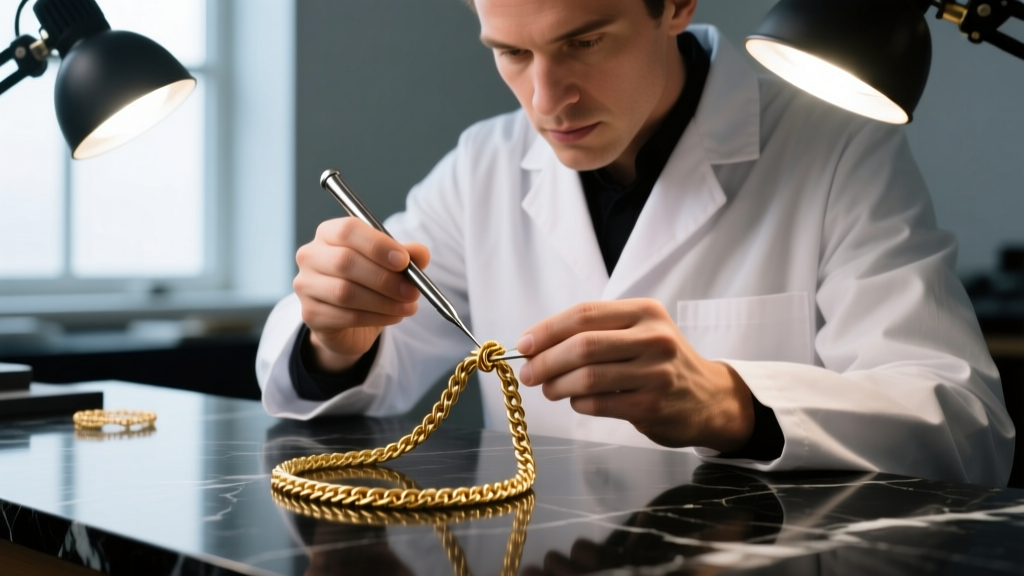
Expert Bench Tip: Never use metal sewing needles to untangle 18k gold. Steel is harder than 18k gold and will gouge the links. Instead, use a 0.3mm titanium pin or a specialized brass knot-picker, lubricated with a drop of mineral oil or talc-free baby powder to reduce surface tension.
Step-by-Step Untangling Protocol:
- Lay the necklace flat on a non-porous, dark ceramic tile to provide visual contrast.
- Apply a generous dusting of baby powder directly onto the knot to eliminate friction between the gold links.
- Insert two titanium pins into the absolute center of the knot and gently push inward to create slack, rather than pulling outward.
- Once the central links are loose, use the pins to tease the outer loops apart.
- Clean the chain with a soft-bristled brush and mild dish soap to remove the powder residue.
Addressing Clasp Slippage and Chain Snapping
Because the custom nameplate is significantly heavier than the chain, the lobster clasp frequently migrates to the front of the neck. More critically, the constant friction of the clasp rubbing against the delicate jump ring causes 'sawing'—a phenomenon where the harder clasp mechanism slowly wears through the softer 18k gold jump ring, resulting in a sudden snap.
Upgrading the Clasp Assembly
If your chain has snapped at the jump ring, traditional torch soldering is no longer the recommended standard for high-end delicate chains. Torch soldering requires heating a large area, which can warp the nearby nameplate letters or melt the ultra-fine chain links. According to Jewelers of America, modern repair protocols dictate the use of laser welding for precise, localized heat application.
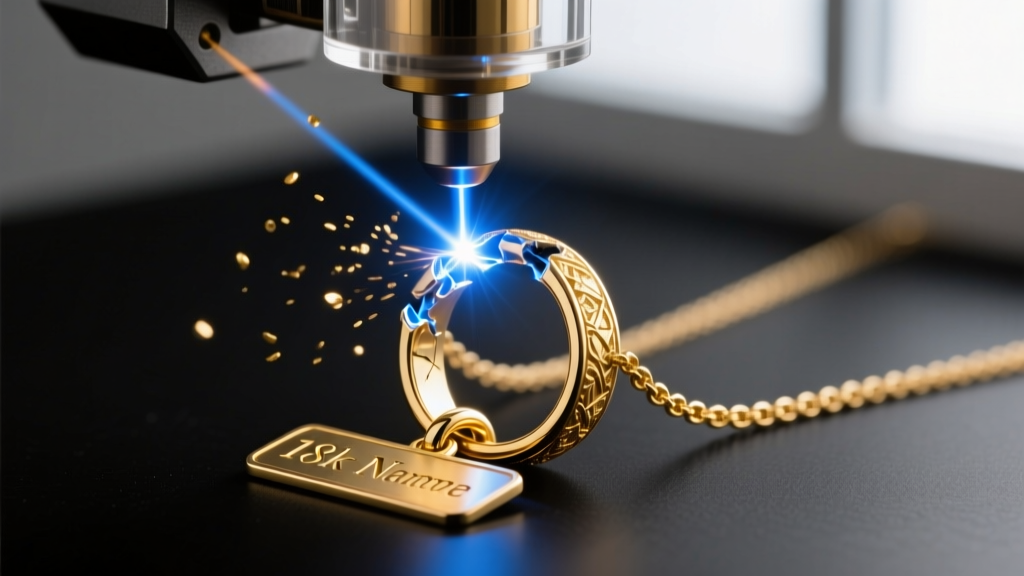
Laser welding uses concentrated pulses of light to fuse a new 18k gold jump ring (typically upgraded from 0.9mm to a slightly thicker 1.2mm gauge for durability) without transferring heat to the rest of the chain. Expect to pay between $95 and $150 for a professional laser weld in 2026. To prevent future slippage, request that the jeweler solder a small 18k gold 'counterweight' tag or bead directly opposite the clasp. This shifts the center of gravity, ensuring the clasp remains hidden at the nape of your neck.
Restoring the Luster: Scratch and Dent Repair
The flat, polished surface of a Jennifer Meyer nameplate acts as a magnet for micro-scratches. While some owners appreciate the 'lived-in' patina, deep gouges from contact with diamond rings or hard surfaces require professional intervention.
Warning Against DIY Polishing: Do not use commercial silver dips or abrasive polishing cloths on the nameplate. These compounds can strip the high-polish finish, leaving a matte, uneven texture, and can permanently dull any diamond accents (such as Meyer's signature initial diamond dots). A professional jeweler will use a series of micromesh pads (ranging from 1500 to 12000 grit) followed by a light rouge buffing wheel to restore the mirror finish without removing significant gold weight.
Preventative Maintenance Checklist
To maximize the lifespan of your investment piece, implement the following care routine:
- The 'Last On, First Off' Rule: Always put your necklace on after applying perfumes, lotions, and hairsprays, and remove it first when undressing to avoid catching the chain on fabrics.
- Proper Storage: Never store the necklace in a pile. Hang it from a dedicated jewelry arbor or lay it completely flat in a microfiber-lined drawer. Always fasten the lobster clasp before storage to prevent the chain ends from weaving into other pieces.
- Bi-Annual Inspection: Take the piece to a certified bench jeweler every six months to have the jump ring and clasp spring inspected under a 10x loupe for early signs of metal fatigue or sawing.
By understanding the specific mechanical vulnerabilities of the jennifer meyer name necklace, you can transition from reactive repairs to proactive care, ensuring your bespoke piece remains a flawless, wearable heirloom for decades.


