The Necklace Pink Sapphire Trend: 2026 Style Guide
Discover why the pink sapphire necklace is 2026's definitive jewelry trend. Explore hue grading, chain pairings, and styling frameworks.

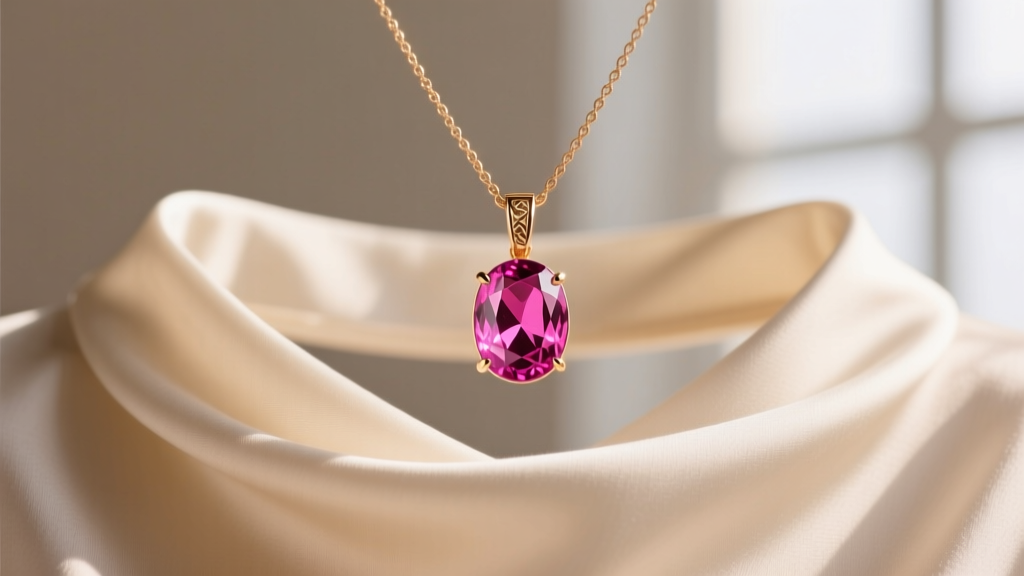
The Corundum Shift: Why Pink Sapphire Dominates 2026
In the ever-evolving landscape of fine jewelry, 2026 has firmly cemented the colored corundum renaissance. While lab-grown diamonds and emeralds have saturated the everyday luxury market, discerning collectors and style-forward consumers are pivoting toward a more nuanced, durable, and romantically charged alternative. When building a signature necklace, pink sapphire pendants have emerged as the definitive status piece of the year. This shift is not merely aesthetic; it is rooted in gemological rarity and superior wearability.
Ranking at a 9 on the Mohs hardness scale, sapphire vastly outperforms emeralds (7.5-8) and opals (5.5-6.5) in tensile strength and scratch resistance, making it an ideal candidate for daily-wear necklaces that rest against the collarbone and are prone to accidental impacts. According to the Gemological Institute of America (GIA), the pink hue in corundum is caused by trace amounts of chromium. The delicate balance of chromium dictates whether the stone is classified as a light pink sapphire, a vivid hot pink, or the legendary Padparadscha. This year, the market is heavily favoring stones with high saturation and minimal pleochroism, demanding precision cuts that maximize light return.
Decoding the Aesthetics: Three Defining Silhouettes
The 2026 styling landscape rejects the one-size-fits-all approach. Instead, the pink sapphire necklace trend has bifurcated into distinct design philosophies, each catering to different wardrobe architectures.
The 'Quiet Luxury' Bezel Solitaire
Minimalism remains a powerful force, but in 2026, it has evolved into 'engineered minimalism.' The bezel-set solitaire is the cornerstone of this trend. By encasing a 1.5 to 2.0-carat oval or cushion-cut pink sapphire in a sleek rim of platinum or 18k white gold, jewelers are eliminating the prongs that traditionally catch on silk and knitwear. This setting lowers the pendant's profile, allowing it to sit flush against the sternum. The metal choice is critical here: white metals provide a high-contrast, neutral backdrop that prevents the pink hue from looking overly warm or cloying.
The Neo-Victorian Cluster
On the opposite end of the spectrum is the maximalist revival. Intricate, floral-inspired cluster pendants featuring a central pink sapphire surrounded by a halo of melee diamonds and smaller calibré-cut sapphires are dominating evening wear. These pieces often utilize 18k rose gold, which optically amplifies the pink saturation of the center stone through reflective color theory.
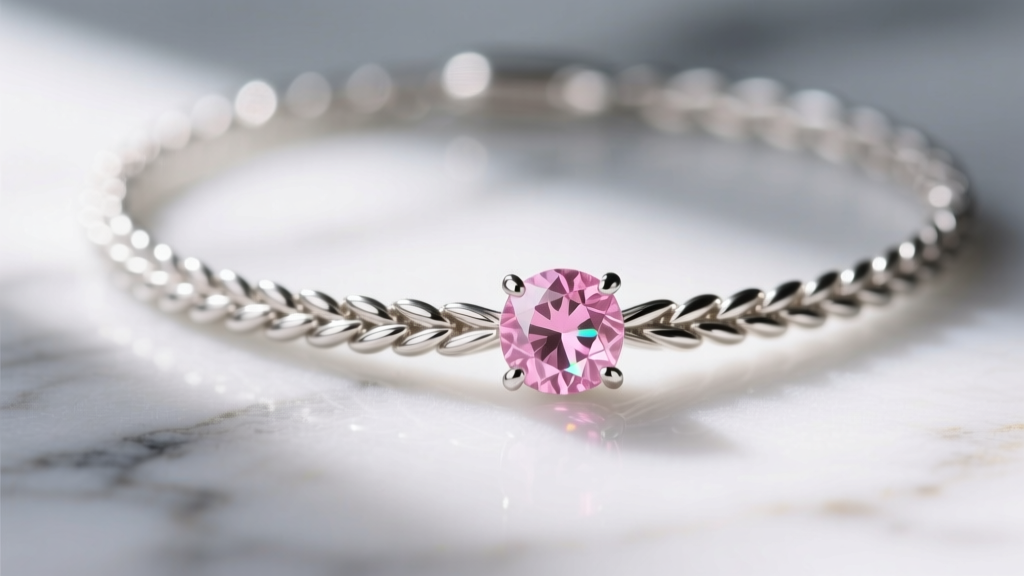
The East-West Marquise Drop
A massive breakout trend for 2026 is the horizontal, or 'East-West,' setting. A marquise or elongated emerald-cut pink sapphire is set horizontally across the chain. This modern geometric approach disrupts the traditional vertical drop, offering a contemporary, architectural vibe that pairs exceptionally well with structured blazers and asymmetrical necklines.
Technical Buyer’s Matrix: Hues, Tones, and Pricing
Not all pink sapphires are created equal. The valuation of a pink sapphire necklace is heavily dictated by the precise hue, tone, and saturation of the gemstone, as well as its treatment history. Below is a comprehensive market matrix for 2026 retail and auction pricing.
| Hue Classification | Chromium / Trace Profile | Market Price (Per Carat) | Ideal Cut | Best Metal Pairing |
|---|---|---|---|---|
| Baby / Pastel Pink | Low Chromium | $400 - $1,200 | Round Brilliant | 14k White Gold |
| Vivid / Hot Pink | Medium-High Chromium | $2,500 - $8,000 | Oval or Cushion | 18k Rose Gold |
| Padparadscha | Chromium + Color Centers | $10,000 - $30,000+ | Emerald or Oval | Platinum / 18k Yellow |
As noted by experts at Lotus Gemology, the Padparadscha sapphire—a rare, simultaneous blend of pink and orange resembling a lotus blossom—remains the holy grail for high-net-worth collectors. However, for everyday luxury, the 'Vivid Pink' category offers the best balance of striking color saturation and relative market accessibility.
Chain Engineering and Layering Frameworks
A pendant is only as good as the chain that suspends it. In 2026, the structural integrity and visual weight of the chain are paramount. Flimsy, sub-millimeter chains are out; engineered durability is in.
- The 1.2mm Wheat Chain: The undisputed champion for solitaire pendants. The woven, braided structure of a wheat chain offers immense tensile strength while maintaining a fluid, fabric-like drape. It easily supports pendants up to 5 carats without kinking.
- The 1.5mm Paperclip Chain: Ideal for layering. The elongated, rectangular links catch the light independently of the pendant, adding a secondary layer of brilliance. This chain is best utilized in 18k yellow or rose gold for a mixed-metal aesthetic.
- The Box Chain (1.0mm - 1.4mm): Featuring square, interlocking links, the box chain provides a modern, industrial contrast to the organic, romantic nature of a pink sapphire. It is highly resistant to tangling, making it a practical choice for travel.
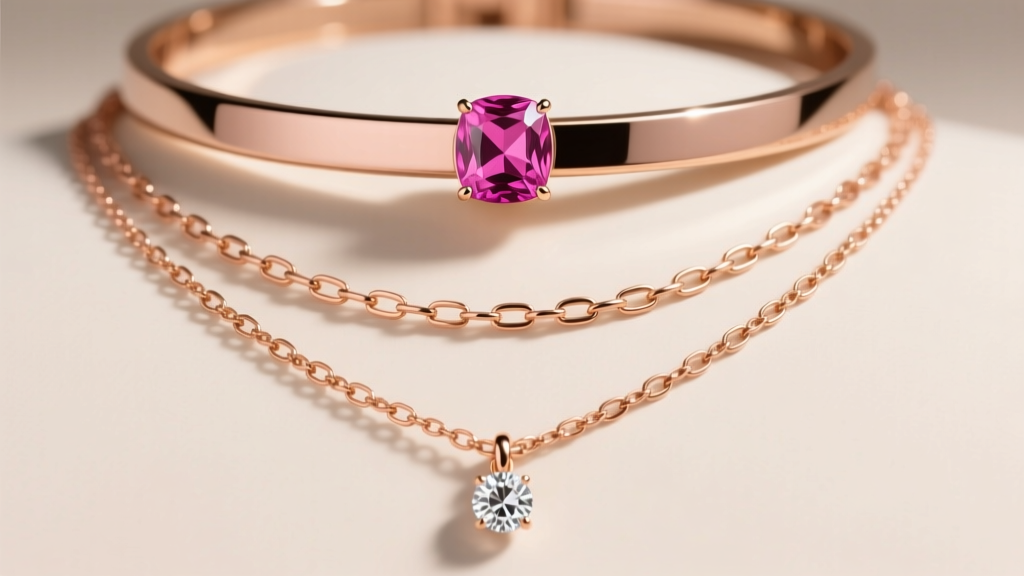
Strategic Layering Mechanics
Layering a pink sapphire necklace requires strict adherence to spacing rules to prevent visual clutter and physical tangling. The golden rule for 2026 is the 'Two-Inch Delta.' If your sapphire choker sits at 15 inches, your secondary chain must be no shorter than 17 inches. A highly effective layering framework involves a 16-inch pink sapphire station necklace (featuring three to five small, bezel-set sapphires spaced evenly) layered beneath an 18-inch rope chain suspending a single, larger geometric diamond drop. This creates a cascading focal point that draws the eye downward, elongating the neck.
Neckline Pairing Protocols
The interplay between the neckline of your garment and the length of your necklace dictates the overall harmony of your silhouette. Here is the definitive 2026 pairing guide:
- Strapless & Sweetheart Necklines: Demand a 14 to 16-inch choker or collar. A pink sapphire riviere or a tightly spaced station necklace fills the negative space of the exposed décolletage without overwhelming the frame.
- V-Neck & Plunging Necklines: Require an 18 to 20-inch Y-drop or a pendant with a V-shaped bail. The pendant should terminate exactly one inch above the apex of the fabric's V-neck to maintain geometric continuity.
- Turtlenecks & High Collars: Call for 24 to 30-inch opera-length chains or bold, heavy cluster pendants that rest on the sternum. The dark, solid fabric of a turtleneck acts as a high-contrast canvas, making the pink saturation of the sapphire pop dramatically.
Navigating Treatments and Certifications
When investing in a high-tier pink sapphire necklace, understanding treatment disclosures is non-negotiable. Approximately 90% of the sapphires on the market undergo standard heat treatment to improve clarity and color saturation. This is a stable, universally accepted practice that does not diminish the stone's long-term value or durability.
However, buyers must be highly vigilant regarding beryllium diffusion. This lattice-diffusion treatment introduces beryllium into the corundum during heating, artificially creating vivid pink and Padparadscha colors in stones that would otherwise be pale or colorless. Beryllium-diffused sapphires are worth a fraction of the price of naturally colored or merely heat-treated stones. Always demand a report from a tier-one laboratory (such as GIA, AGS, or Gübelin) that explicitly states the stone's treatment status. If the report notes 'lattice diffusion' or 'beryllium treatment,' the price per carat should reflect a steep discount.
Final Styling Verdict
The pink sapphire necklace is no longer relegated to vintage estate sales or overly traditional bridal suites. In 2026, it has been re-engineered through modern bezel settings, architectural East-West orientations, and precision chain pairings. Whether you are investing in a flawless, unheated vivid pink oval for evening galas or a durable, heat-treated baby pink solitaire on a wheat chain for daily wear, this gemstone offers an unmatched synthesis of romantic color and geological resilience. By adhering to strict grading metrics and intentional styling frameworks, your pink sapphire pendant will serve as a timeless, trend-defying anchor in your jewelry wardrobe.


