Victorian Necklaces: 2026 Trend Revival & Styling Guide
Explore the 2026 revival of Victorian necklaces. Learn to authenticate antique cameos, jet mourning pieces, and 15k gold, plus modern styling tips.

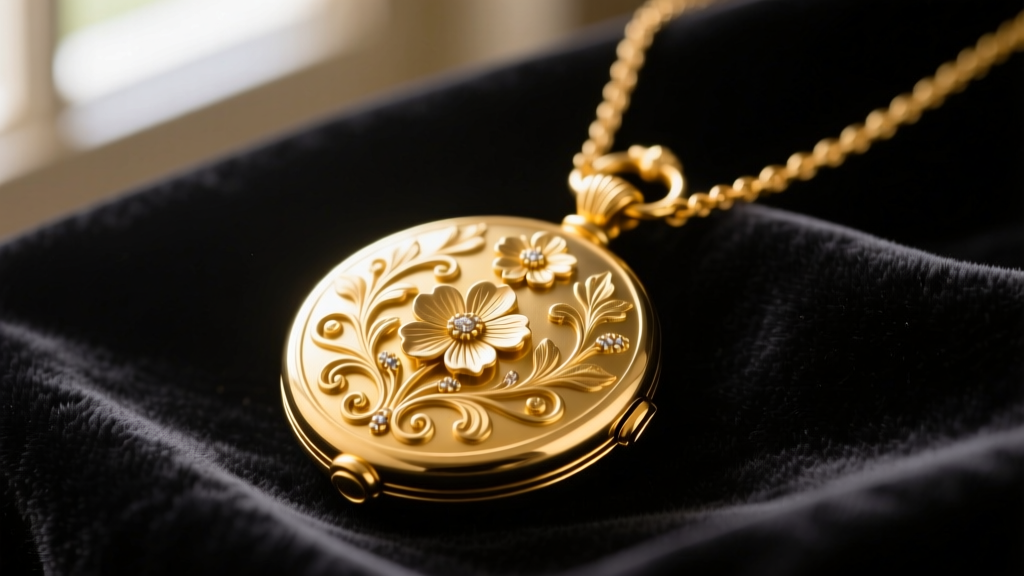
The fashion landscape of 2026 is deeply entrenched in the Neo-Romantic and Dark Academia revivals, pushing Victorian necklaces back to the absolute forefront of fine jewelry styling. No longer relegated to dusty estate cases, these intricate, historically heavy pieces are being recontextualized against modern sheer fabrics, structured corsetry, and minimalist tailoring. However, navigating the antique jewelry market requires more than just an eye for aesthetics; it demands a forensic understanding of 19th-century metallurgy, hallmarking, and material science.
Whether you are hunting for an authentic 1860s mourning piece or a delicate Aesthetic-period seed pearl choker, this comprehensive guide breaks down the anatomy, authentication, and contemporary styling of Victorian necklaces.
Decoding the Three Victorian Eras
Queen Victoria’s reign (1837–1901) was not a monolith. Jewelry historians and authoritative archives, such as the Met Museum's Heilbrunn Timeline, divide the era into three distinct phases, each with radically different necklace silhouettes and material preferences.
The Romantic Period (1837–1860)
Marked by Victoria’s courtship and marriage to Prince Albert, this era favored sentimental, nature-inspired motifs. Necklaces were often delicate, featuring cannetille work (fine wire coiling) and repoussé (hammered relief). Gemstones included rose-cut diamonds, amethysts, and coral. Chains were typically short, sitting at the base of the throat, often terminating in a central cameo or locket.
The Grand Period (1861–1880)
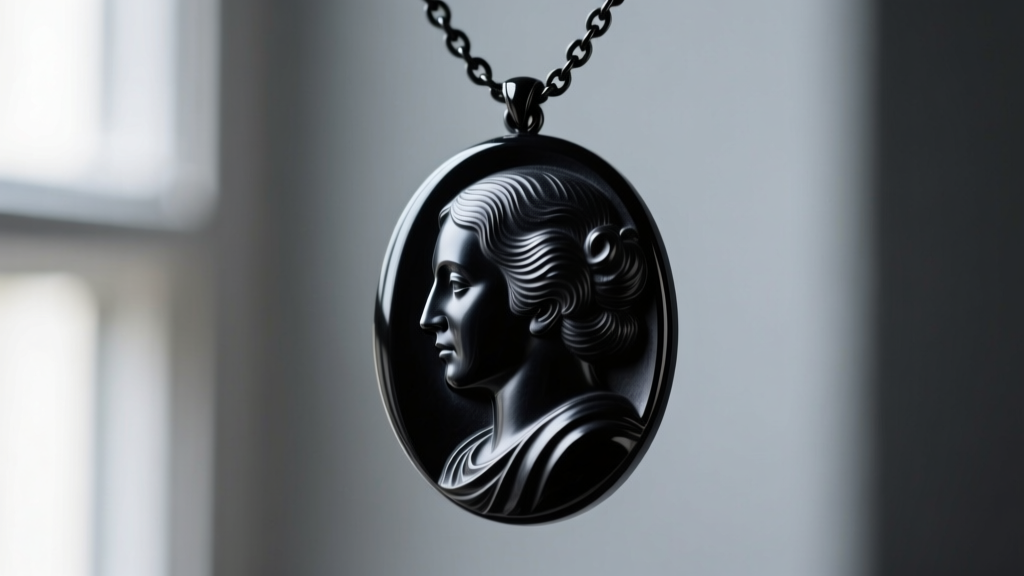
Triggered by the death of Prince Albert, this era birthed the mourning jewelry phenomenon. Necklaces became heavier, darker, and more imposing. Whitby jet, vulcanite, and gutta-percha replaced bright gold. Lockets containing woven hairwork and black enamel became ubiquitous. The silhouettes were bold, designed to be worn over high-collared, somber mourning dresses.
The Aesthetic Period (1881–1901)
As the rigid mourning rules relaxed, jewelry became lighter and more whimsical. Influenced by Japanese art and archaeological revivals, necklaces featured star motifs, insects, and delicate seed pearl clusters. The introduction of the 'collier de chien' (dog collar) choker, often made of black velvet or silk ribbon with a central diamond or pearl plaque, became a defining silhouette of the late 1890s.
Material Forensics: Gold, Jet, and Imitations
Authenticating Victorian necklaces requires understanding the specific materials of the time. Modern reproductions frequently fail when scrutinized under the lens of material science. Below is a diagnostic breakdown of common Victorian necklace materials.
| Material | Era Prominence | Identifying Traits & Forensics |
|---|---|---|
| 15k Yellow Gold | Romantic & Grand | 62.5% pure gold. Standard in Britain until 1932. Look for the '15' or '15k' stamp; a strong indicator of pre-1932 origin. |
| Whitby Jet | Grand (Mourning) | Fossilized wood. Lightweight, warm to the touch. Leaves a brown streak when rubbed on unglazed porcelain (destructive test). |
| Vulcanite | Grand (Mourning) | Hardened rubber. Often molded to imitate jet. Will emit a faint rubber/sulfur smell when rubbed vigorously or warmed. |
| Pinchbeck | Early Victorian | Copper/zinc alloy imitating gold. Does not tarnish like brass. Shows no wear-through to a base metal, as it is solid alloy. |
| Shell Cameo | All Eras | Carved conch shell. Features a curved back, feels warm, and exhibits a subtle translucency when held to a strong light source. |
Authentication: Spotting the Fakes
The market is flooded with 1970s and modern-cast reproductions. According to estate jewelry experts at Lang Antiques, the hardware and construction techniques are the most reliable indicators of age. When evaluating Victorian necklaces, inspect the following structural elements:
- The C-Clasp: Authentic Victorian brooches and pendant bales predominantly used a simple 'C' shaped catch without a rolling locking mechanism. If a piece features a modern rolling safety clasp, it has either been altered or is a reproduction.
- Tube Hinges: Look for tiny, seamless tube hinges on locket bails. Cast reproductions often feature bulky, molded hinges that lack the precision of 19th-century hand-soldered brass tubing.
- Chain Links: Hand-made Victorian belcher and curb chains feature slight irregularities in link sizing and solder joints. Die-struck modern chains are perfectly uniform. Additionally, check for a dog-ear tag; the V&A Museum notes that British hallmarks on chains are often stamped on a small flat tag near the clasp, not directly on the links.
- Cast vs. Fabricated: Use a 10x jeweler's loupe. Cast reproductions often show pitting (tiny bubbles) on the surface of the metal and lack the crisp, sharp edges of hand-stamped or die-struck antique pieces.
Expert Warning: Never perform the 'hot pin test' to authenticate jet. While vulcanite and gutta-percha will melt or smell, applying a hot needle to genuine Whitby jet can cause it to crack or burn, destroying the historical and monetary value of the necklace.
2026 Styling: Integrating Antiques into Modern Wardrobes
The key to wearing Victorian necklaces in 2026 is juxtaposition. Avoid wearing them with historically accurate Victorian-style clothing (like lace high-collars), which can look costumey. Instead, use them as an anchor piece against contemporary silhouettes.
The Layered Choker Stack
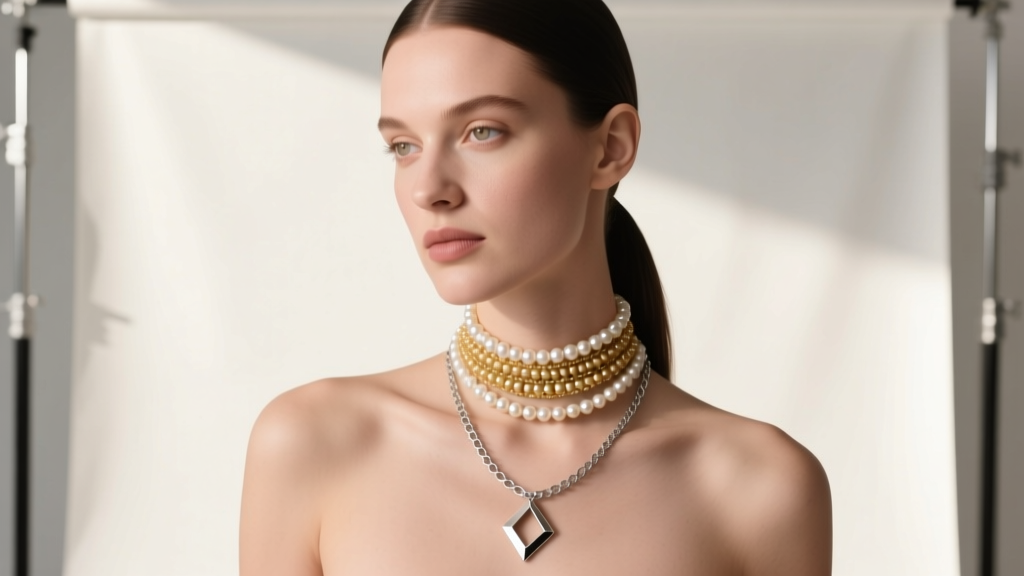
Pair a 14-to-15-inch Victorian seed pearl or black enamel choker with a modern, heavy 22-inch oxidized silver snake chain. The contrast between the delicate, intricate antique craftsmanship and the sleek, brutalist modern chain creates a highly curated, editorial look.
The Sheer Blouse Contrast
Heavy Grand Period mourning lockets and vulcanite bead necklaces look striking when worn over sheer organza or mesh blouses. The dark, opaque weight of the 19th-century jewelry against the translucent, modern fabric highlights the piece's gravity and texture without overwhelming the outfit.
The Plunging Neckline Anchor
Utilize a Victorian 'lavalier' necklace—featuring a delicate chain that drops into a central Y-shape terminating in a pearl or amethyst drop. These are engineered to elongate the neck and draw the eye downward, making them the perfect accompaniment to modern deep-V tailored suits or silk slip dresses.
Investment and Market Pricing
As the Neo-Victorian trend accelerates, prices for authenticated, high-condition pieces are shifting. Basic gold-filled or rolled-gold Victorian lockets typically range from $150 to $350. However, authenticated 15k gold pieces with intact hairwork or specific Scottish Agate (Pebble) jewelry can command between $800 and $2,500. True Whitby jet parures (matching sets) in pristine condition, free from the 'crazing' or white dust that plagues degraded vulcanite, are becoming increasingly rare and are highly prized by serious collectors.
Ultimately, collecting Victorian necklaces in 2026 is an exercise in wearable history. By understanding the metallurgical quirks, the historical mourning codes, and the structural hallmarks of the era, you can build a collection that is not only stylistically relevant but historically significant.


