Pink Seashell Necklace Value Guide: 2026 Pricing & Real vs Fake
Discover the true value of a pink seashell necklace in 2026. Learn to spot real vs. dyed shells, compare pricing tiers, and avoid overpaying.

The Allure and Economics of Pink Seashell Jewelry
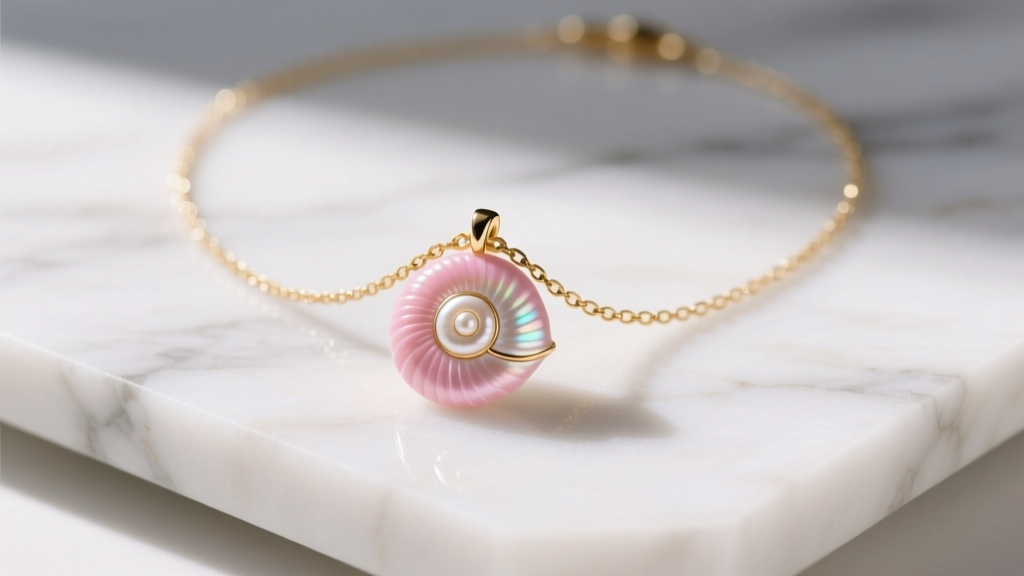
The coastal-core and mermaidcore aesthetics have firmly cemented the pink seashell necklace as a staple in contemporary jewelry boxes. However, as demand has surged through 2025 and into 2026, the market has become flooded with imitations, treated stones, and overpriced fast fashion. For the discerning buyer, understanding the true value of a pink seashell pendant requires looking past the pastel hue and examining the gemological origins, hardware integrity, and ethical sourcing of the piece. Whether you are eyeing a $15 beachside trinket or a $600 fine jewelry investment, this budget and value assessment will help you determine exactly what you are paying for.
Real vs. Treated: What Are You Actually Buying?
The most significant value driver in shell jewelry is the origin of the material. According to the GIA Gem Encyclopedia, organic gems like shell are primarily composed of calcium carbonate (aragonite) bound by a protein called conchiolin. However, not all pink shells are created equal, and many are not shells at all.
Genuine Queen Conch and Pink Pearl Shells
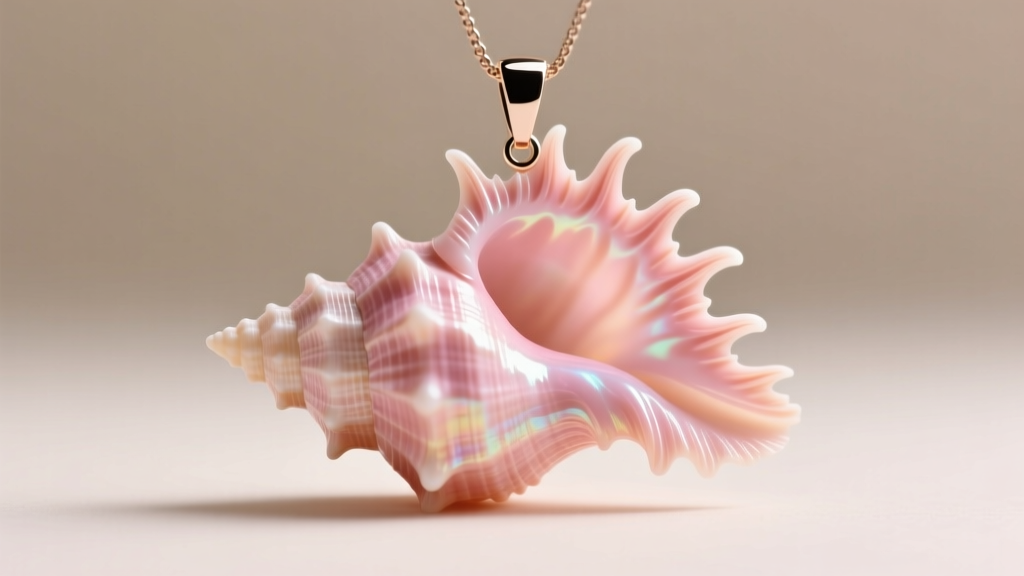
The holy grail of pink shell jewelry is the Queen Conch (Strombus gigas). Genuine conch shell exhibits a unique 'flame structure'—a microscopic cross-lamellar pattern that creates a shimmering, chatoyant effect impossible to replicate in a lab. Because the Queen Conch is protected under CITES Appendix II due to overharvesting, legally sourced, gem-grade conch is rare and commands a premium. More commonly, jewelers use the Pink Pearl Shell (Pinctada maxima), which offers a beautiful, uniform blush tone and iridescent luster but lacks the distinct flame pattern of conch. Both are genuine organic gems with a Mohs hardness of 2.5 to 3.5.
Dyed Howlite, Resin, and Glass Imitations
If a pink seashell necklace is priced under $20 and features a deeply saturated, opaque magenta or bubblegum pink color, you are likely looking at dyed howlite or magnesite. These porous minerals take dye easily but lack the structural luster of real shell. Over time, the dye reacts to UV light and skin acids, resulting in a patchy, faded appearance. Resin and acrylic molded shells are also prevalent; they feel unnaturally light, lack thermal conductivity (they don't feel cool to the touch like real calcium carbonate), and will scratch easily.
2026 Pricing Tiers: From Fast Fashion to Fine Jewelry
To accurately assess value, we must segment the market into three distinct pricing tiers. Use this framework to benchmark any pink seashell necklace you are considering purchasing this year.
| Tier | Price Range (2026) | Shell Material | Hardware & Chain | Expected Lifespan |
|---|---|---|---|---|
| Fast Fashion | $8 - $25 | Dyed howlite, acrylic, or low-grade dyed freshwater shell | Brass or copper with flash gold plating (0.03 microns); spring ring clasp | 3 - 6 months before tarnishing or dye fading |
| Artisan / Mid-Tier | $45 - $120 | Genuine Pinctada maxima (Pink Pearl Shell) or ethically sourced carved shell | .925 Sterling Silver or Gold Vermeil (2.5+ microns); lobster clasp | 2 - 5 years with proper care and occasional polishing |
| Fine Jewelry | $250 - $800+ | Gem-grade Queen Conch with visible flame structure, often accented with diamonds | Solid 14k or 18k Gold; integrated custom bail; secure lobster or toggle clasp | Generational (lifetime heirloom piece) |
Hardware & Chain Assessment: Where Brands Cut Costs
A genuine pink shell pendant is only as valuable as the chain that holds it. Many mid-tier brands mask mediocre shell quality by marketing 'gold' chains, but the terminology matters immensely for long-term value.
- Gold Vermeil vs. Gold Plated: By FTC Jewelry Guidelines, gold vermeil must consist of a sterling silver base plated with at least 2.5 microns of 10k or higher gold. Standard 'gold plated' jewelry often uses a brass base with a microscopic 0.5-micron flash that will rub off within weeks, exposing the brass to oxidize and turn your skin green.
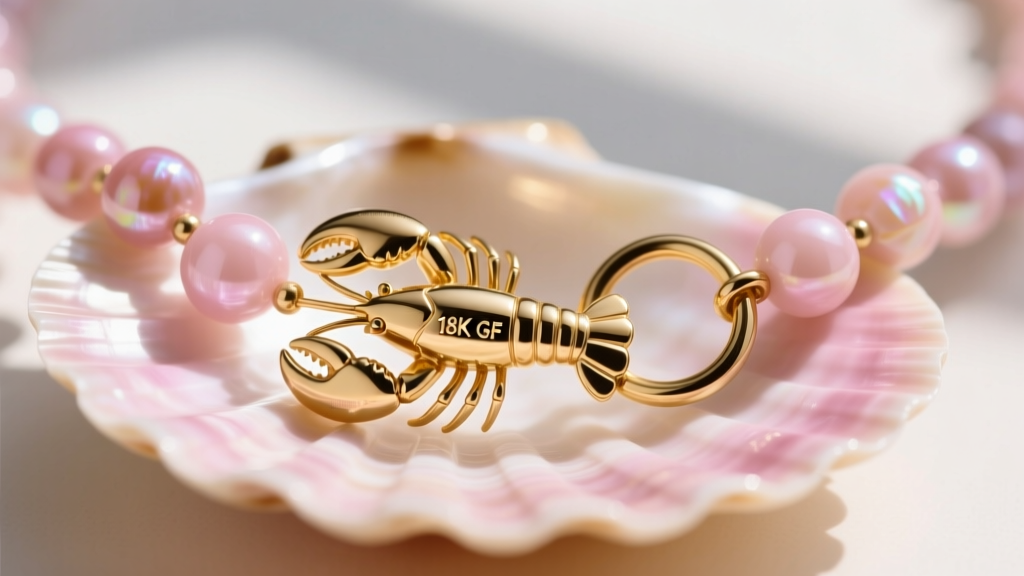
- Clasp Mechanics: Avoid spring ring clasps on heavy shell pendants. The internal spring mechanism is fragile and prone to snapping under the pendulum weight of a dense calcium carbonate shell. Always opt for a solid lobster clasp or a secure toggle.
- Chain Gauge and Style: A 14-inch choker requires a delicate chain, but a 20-inch princess-length necklace bearing a heavy conch shell needs a minimum 1.2mm cable or rope chain. Avoid herringbone or snake chains; they kink easily and cannot support the localized weight of a shell bail.
Failure Modes: Why Cheap Shell Necklaces Break
When evaluating the budget versus value proposition, consider the hidden costs of replacement and repair. Cheap pink seashell necklaces suffer from specific, predictable failure modes that render them unwearable:
- Bail Fractures: Shell is brittle. In mass-produced necklaces, the metal bail (the loop connecting the shell to the chain) is often glued or tightly crimped directly into a drilled hole in the shell. Without a protective rubber or silicone gasket, the metal grinds against the calcium carbonate with every movement, eventually causing micro-fractures that lead to the pendant snapping off.
- Acid Etching from Cosmetics: Calcium carbonate is highly reactive to acids. Perfumes, lotions, and even natural skin pH can cause 'etching' on the surface of untreated shells, leaving dull, chalky white spots that cannot be polished out.
- Delamination of Dyed Stones: Dyed howlite or agate carved into shell shapes will eventually delaminate or chip at the edges, revealing the stark white, un-dyed core of the stone beneath.
The Verdict: How to Maximize Your Investment
If your goal is purely seasonal trend-chasing, a $15 dyed howlite or resin pink seashell necklace serves its purpose, provided you accept its disposable nature. However, from a strict value and sustainability perspective, the mid-tier artisan range ($45 to $120) offers the highest return on investment. At this price point, you secure genuine organic material, ethically sourced from managed fisheries, paired with gold vermeil or sterling silver hardware that won't degrade after a single summer.
Always request a certificate of authenticity or a detailed materials breakdown when purchasing Queen Conch. Under CITES regulations, international commercial trade of Strombus gigas requires strict permitting, and reputable jewelers will proudly provide this documentation to prove ethical sourcing.
Ultimately, a pink seashell necklace should be a celebration of the ocean's natural artistry. By prioritizing genuine materials, robust hardware, and transparent pricing, you ensure your coastal-inspired jewelry remains a treasured asset rather than a fleeting, tarnished regret.