The Pink Turquoise Necklace: 2026 Trend & Style Guide
Discover the 2026 style forecast for the pink turquoise necklace. Learn to identify genuine stones, layer effectively, and care for your blush gems.

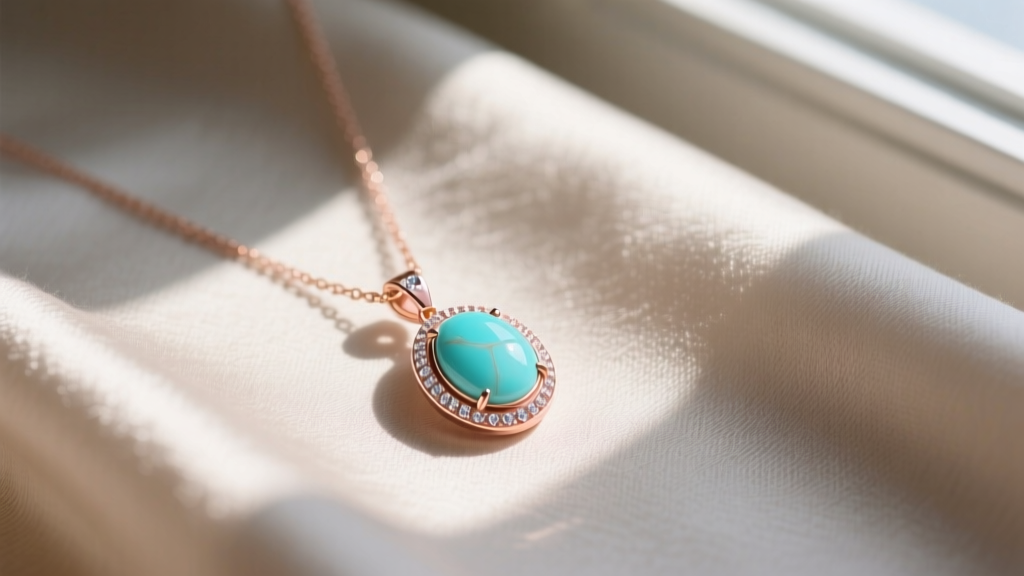
The jewelry landscape in 2026 is defined by a fascinating juxtaposition: the desire for grounding, earthy elements paired with an unapologetic embrace of joyful color. At the exact intersection of these two movements sits the pink turquoise necklace. Once relegated to niche vintage shops and specific regional artisan markets, pink turquoise has surged into the mainstream spotlight. However, navigating this trend requires more than just an eye for color; it demands a solid understanding of gemology, material integrity, and strategic styling. Whether you are investing in a rare natural specimen or styling a budget-friendly dyed alternative, this comprehensive guide will help you master the pink turquoise trend.
The Gemological Truth: Natural vs. Simulated Pink Turquoise
Before purchasing a pink turquoise necklace, it is critical to understand what you are actually buying. The term "pink turquoise" is frequently used as a blanket marketing phrase, but gemologically, it encompasses vastly different materials with distinct physical properties.
Rare Natural Pink Turquoise
Genuine, untreated pink turquoise is exceptionally rare. The most famous source is the Blake Mine in Nevada, which produces stunning pink to peach-hued stones heavily laced with brown or black matrix webbing. Because natural turquoise is a porous copper aluminum phosphate, its color is dictated by the surrounding minerals; pink hues are typically caused by the presence of iron oxide rather than copper. According to the Gemological Institute of America (GIA), natural turquoise ranks between 5 and 6 on the Mohs hardness scale, making it relatively durable but still susceptible to scratching.
The Commercial Reality: Dyed Howlite and Magnesite
The vast majority of affordable pink turquoise necklaces on the market are not turquoise at all. They are typically howlite or magnesite—porous white minerals that readily absorb dyes. Howlite ranks at a mere 3.5 on the Mohs scale, making it significantly softer and more prone to abrasion than genuine turquoise. The Mindat.org mineral database notes that howlite's distinct porous structure makes it the primary candidate for gemstone simulation. While dyed howlite offers the aesthetic of pink turquoise at a fraction of the cost, it lacks the matrix webbing and geological history of the genuine article.
Expert Insight: If the pink color is perfectly uniform, hyper-vibrant, and lacks any natural matrix webbing, you are almost certainly looking at dyed howlite or magnesite. Genuine pink turquoise will always feature natural color zoning and mineral inclusions.
2026 Trend Forecast: The "Romantic Earth" Aesthetic
Why is the pink turquoise necklace dominating 2026 style forecasts? The answer lies in the "Romantic Earth" aesthetic. This trend moves away from the stark minimalism of the early 2020s, favoring instead a bohemian revival infused with dopamine dressing. Pink turquoise perfectly bridges the gap between grounding, organic textures and playful, uplifting pastels.
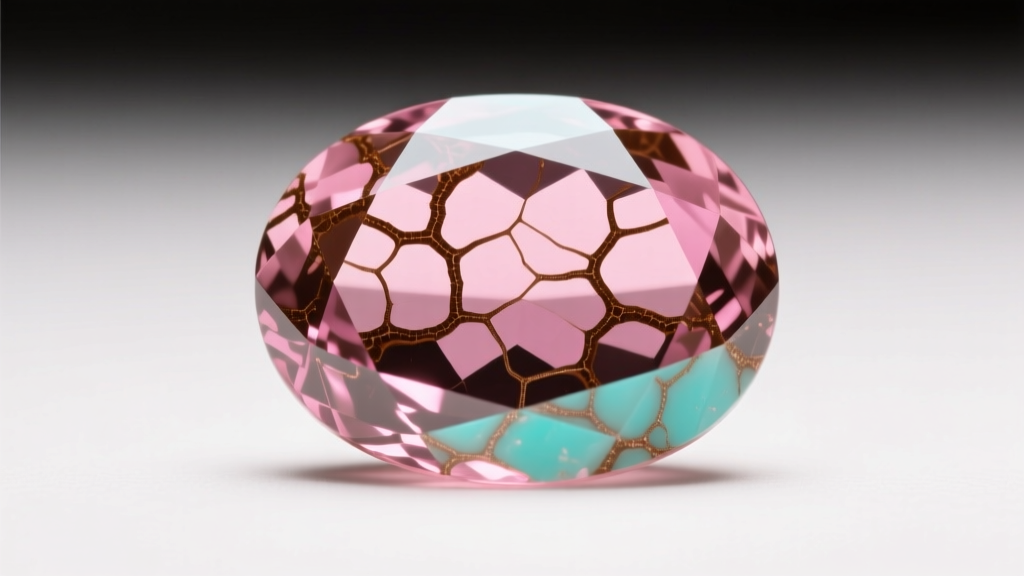
Designers this year are heavily favoring organic, asymmetrical cabochon cuts over perfectly uniform beads. The emphasis is on the stone's natural matrix—the brown, black, or golden webbing that proves its earthy origins. Furthermore, the metal pairings have shifted. While sterling silver was the default for traditional Southwestern turquoise, 2026 trends heavily favor 14k rose gold and oxidized brass. Rose gold amplifies the blush tones of the stone, creating a warm, monochromatic harmony, while oxidized brass provides a moody, vintage contrast that appeals to the neo-bohemian demographic.
The Layering Matrix: Chains, Lengths, and Metals
A pink turquoise necklace rarely exists in isolation. The current styling paradigm demands intentional layering. However, because turquoise (and especially howlite) can be heavy and visually loud, balancing the chain weight and length is crucial to avoid a cluttered neckline.
| Chain Metal | Chain Style | Ideal Length | Styling Vibe & Function |
|---|---|---|---|
| 14k Rose Gold Filled | Satellite / Bead Chain | 16 inches | Warm, romantic; acts as a delicate choker base. |
| Oxidized Sterling Silver | Chunky Curb Link | 18 inches | Edgy, neo-boho; provides high contrast to the pink. |
| Yellow Gold Vermeil | Paperclip Link | 20-22 inches | Vintage 70s revival; elongates the torso. |
| Waxed Cotton Cord | Braided Macrame | Adjustable (24"+) | Earthy, festival-ready; protects soft stones from metal scratching. |
The 3-Piece Layering Formula
To successfully layer a pink turquoise pendant in 2026, utilize the "Anchor, Feature, Float" method:
- Anchor (14-16"): A simple, thin gold or silver herringbone chain that sits tight to the collarbone.
- Feature (18"): Your primary pink turquoise necklace. Opt for a bezel-set pendant to protect the stone's edges from knocking against other chains.
- Float (22-24"): A long, lightweight lariat or a simple chain with a tiny, complementary gemstone (like a peach moonstone or clear quartz) to draw the eye downward.
Neckline Pairings for Maximum Impact
The visual weight of a pink turquoise necklace requires strategic neckline pairing. The intricate matrix and soft blush color can easily get lost or clash if the surrounding garment is not chosen carefully.
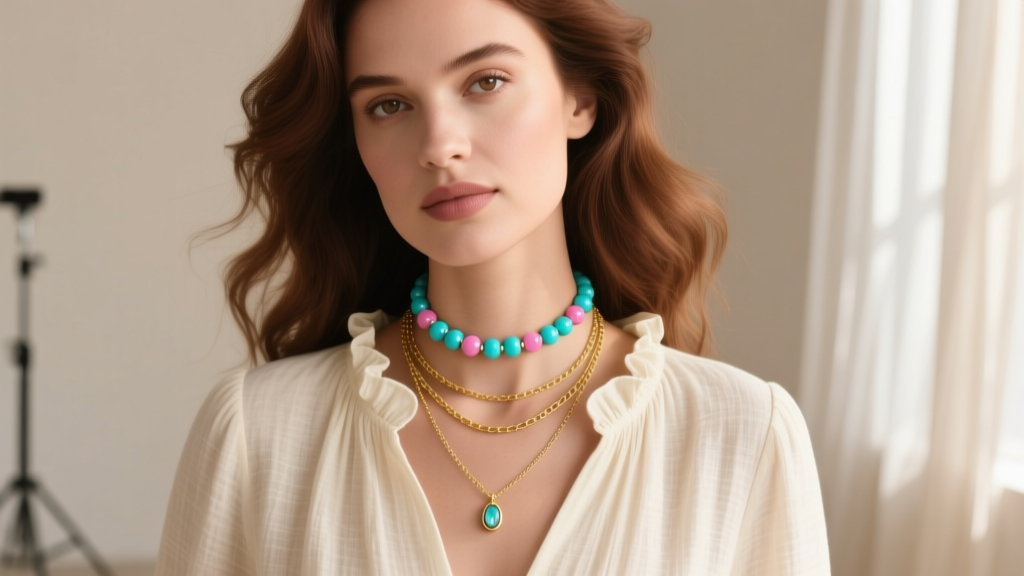
The Deep V-Neck: This is the most forgiving and flattering canvas. A deep V creates negative space that frames an 18-inch pink turquoise pendant perfectly. The stone rests directly against the skin, allowing the natural oils of your body to subtly enhance the stone's luster over time (a traditional benefit of wearing porous gems).
The Cream Linen Button-Down: For a sophisticated, office-appropriate look, unbutton a cream or ivory linen shirt to create an impromptu scoop neck. The warm, earthy undertones of cream complement the brown matrix in natural pink turquoise far better than stark, optic white, which can make the pink look artificial or washed out.
The Ribbed Turtleneck (Winter Styling): In colder months, layer a 24-inch pink turquoise opera-length strand or a heavy pendant over a tightly ribbed, charcoal or chocolate brown turtleneck. The dark, textured background acts as a high-contrast frame, making the pastel pink hues visually pop.
Care Protocols: Protecting Porous Gemstones
The most common failure mode for turquoise jewelry is improper cleaning. Whether you possess rare Blake Mine turquoise or dyed howlite, porosity is your primary enemy.
What to Avoid at All Costs
- Ultrasonic Cleaners: Never place turquoise or howlite in an ultrasonic cleaner. The high-frequency vibrations can easily shatter howlite (Mohs 3.5) and will strip the dye from stabilized or simulated stones, leaving you with a patchy, discolored mess.
- Chemical Exposure: The "Last On, First Off" rule is mandatory. Perfumes, hairsprays, and lotions will seep into the porous surface of the stone. On dyed howlite, alcohol-based perfumes can actually dissolve the dye, transferring pink color onto your skin and clothing.
- Steam Cleaning: Heat and moisture can cause the polymers used in stabilized turquoise to expand and contract, leading to micro-fractures in the stone.
The Safe Cleaning Method
To clean your pink turquoise necklace, use a barely damp, lint-free microfiber cloth. Gently wipe the surface of the stone to remove surface oils and sweat. For the metal chain and settings, use a soft-bristled baby toothbrush with a drop of mild, phosphate-free dish soap, being meticulously careful to avoid scrubbing the gemstone itself. Dry immediately and thoroughly with a separate soft cloth before storing in a fabric-lined box away from direct sunlight, which can fade dyed stones over time.
Investment vs. Fashion: 2026 Pricing Breakdown
Understanding the market pricing for pink turquoise necklaces ensures you pay a fair price for the material grade you are receiving. Here is the current 2026 market breakdown:
- Fashion Tier (Dyed Howlite/Magnesite): $15 - $45
Mass-produced, perfectly uniform beads or cabochons. Excellent for trend-driven, seasonal styling. Expect silver-plated or gold-filled chains. - Artisan Tier (Stabilized Genuine Turquoise): $120 - $350
Genuine turquoise that has been treated with a clear epoxy or polymer (like the Zachery enhancement method) to improve durability and color stability. Often features beautiful, authentic matrix webbing and set in solid sterling silver. - Collector Tier (Natural, Untreated Blake Mine): $800 - $2,500+
Rare, untreated natural pink turquoise. These pieces are usually custom-set by high-end lapidary artists in 14k or 18k solid gold. They are considered investment-grade wearable art and will appreciate in value as the Blake Mine continues to deplete.
The pink turquoise necklace is more than a fleeting seasonal fad; it is a testament to the evolving desire for organic, emotionally resonant jewelry. By understanding the gemological realities, mastering the layering techniques, and strictly adhering to proper care protocols, you can ensure your blush-toned centerpiece remains a vital, stunning component of your wardrobe for years to come.


