Understanding the Poison Tree Necklace Meaning and How to Style It
Discover the poison tree necklace meaning, from literary roots to dark botanical motifs. Learn how to choose, layer, and style this symbolic jewelry piece.

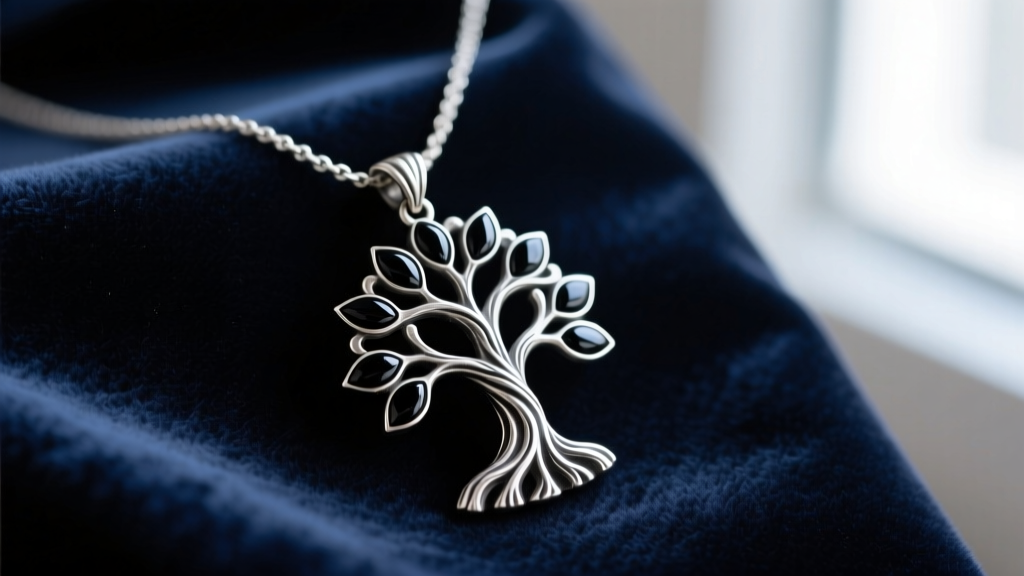
In the evolving landscape of symbolic jewelry, few motifs carry the intense emotional weight and dark romanticism of the poison tree. As dark academia, gothic botanical, and memento mori aesthetics continue to dominate jewelry trends, understanding the poison tree necklace meaning is essential for collectors and stylists alike. This motif is not merely a decorative arboreal design; it is a profound emblem of suppressed wrath, toxic resilience, and the dangerous beauty of nature. Whether cast in oxidized sterling silver or enameled in midnight hues, a poison tree pendant demands intentional styling. This comprehensive guide will walk you through the historical roots of the motif, material selection, and step-by-step layering techniques to integrate this striking piece into your wardrobe.
The Literary and Botanical Roots of the Poison Tree
To properly style a piece of symbolic jewelry, one must first understand its origins. The concept of the 'poison tree' is most famously anchored in William Blake’s 1794 poem, A Poison Tree, from his Songs of Experience. Blake uses the metaphor of a tree watered by suppressed anger and deceit, which eventually bears a bright, toxic apple that destroys the poet's foe. According to the Poetry Foundation, the poem serves as a cautionary exploration of how unexpressed wrath festers into something lethal and alluring.
From a botanical perspective, the poison tree motif often draws inspiration from real-world toxic flora. Jewelers frequently model these pendants after the English Yew (Taxus baccata), a tree historically associated with graveyards and toxicity, or the deadly nightshade (Atropa belladonna). The Royal Botanic Gardens, Kew notes that while the yew tree is a symbol of longevity and resurrection, nearly all parts of it are highly toxic, making it a perfect paradoxical symbol for jewelry that represents beautiful danger.
Step 1: Identifying Authentic Materials and Gemstone Pairings
When shopping for or styling a poison tree necklace, the materials used dictate the piece's visual impact and longevity. Mass-market costume jewelry often misses the mark, relying on flat, painted alloys. True artisanal poison tree pendants utilize specific metallurgical and gemological techniques to convey their dark meaning.
Oxidized Sterling Silver vs. Black Rhodium
The most authentic poison tree pendants are crafted from .925 sterling silver that has been treated with liver of sulfur. This chemical process creates a deep, gunmetal-black patina that settles into the crevices of the tree's bark and roots, highlighting the twisted, agonizing growth of the 'poisoned' wood. Alternatively, high-end designers may use black rhodium plating over 18k gold for a more luxurious, scratch-resistant dark finish.
Selecting the Right 'Toxic' Gemstones
The 'fruit' or 'leaves' of the poison tree are typically accented with dark gemstones. To maintain E-E-A-T standards in your jewelry curation, avoid dyed agates or black glass. Instead, look for:
- Black Spinel: Offers a sharp, vitreous luster that mimics the deceptive shine of a toxic berry.
- Black Onyx: Provides a deep, opaque void that absorbs light, symbolizing the hidden nature of suppressed anger.
- Dark Garnet (Almandine): When cut en cabochon, deep red garnets resemble drops of coagulated blood or the lethal apple from Blake's poem.
Step 2: Matching Chain Length to the Symbolic Impact
The meaning of a poison tree necklace shifts dramatically depending on where it rests on the body. A choker forces the viewer to confront the toxic motif directly at the throat, while a longer rope chain turns it into a hidden talisman resting near the heart. Use the table below to determine the best chain length for your specific styling needs.
| Chain Length | Placement | Best Motif Style | Symbolic Impact |
|---|---|---|---|
| 14 - 16 Inches (Choker/Collar) | Base of the throat | Delicate yew branches, small enamel lockets | Confrontational, protective, acts as a vocal ward against deceit. |
| 18 - 20 Inches (Princess) | Collarbone to upper chest | Medium twisted trunks with spinel accents | Balanced visibility; ideal for everyday dark academia layering. |
| 24 - 28 Inches (Matinee/Opera) | Lower chest to sternum | Heavy, intricate root systems, large cabochon pendants | Introspective and hidden; serves as a personal memento mori. |
Step 3: Mastering the Dark Botanical Layering Technique
Layering a poison tree pendant requires a careful balance. Because the motif is visually heavy and emotionally charged, surrounding it with the wrong chains can dilute its power or create a cluttered, chaotic look. Follow this step-by-step framework to build a cohesive, meaningful stack.

The 2-4-6 Rule for Gothic Stacking
Start with a base chain, add the poison tree pendant, and finish with a textural contrast piece. Ensure there is a minimum of two inches between each layer to prevent the clasps and pendants from tangling and scratching one another.
- The Base (16 inches): Use a delicate, dark chain. A 1.2mm oxidized cable chain or a black spinel beaded necklace works perfectly. This frames the collarbone without competing for attention.
- The Focal Point (20 inches): Your poison tree pendant should hang on a slightly heavier chain, such as a 2.5mm oxidized rope chain. The rope texture mimics the twisting vines and roots of a corrupted tree.
- The Anchor (24 inches): Ground the stack with a simple, unadorned bar pendant or a dark signet ring on a long chain. This draws the eye downward and elongates the torso.
Styling Tip: Never layer a poison tree pendant with bright, high-polish yellow gold or vibrant gemstones like emerald or sapphire. The clashing color temperatures will ruin the moody, melancholic aesthetic that gives the poison tree its unique visual gravity.
Step 4: Caring for Oxidized and Enamel Poison Tree Pieces
Because the poison tree necklace meaning is deeply tied to its dark, weathered aesthetic, maintaining the intentional patina is crucial. Standard jewelry cleaning methods will strip the oxidation and ruin the piece's character.
Preserving Liver of Sulfur Patina
If your pendant features oxidized silver, never use silver polish, ultrasonic cleaners, or abrasive polishing cloths. These will remove the blackened finish from the crevices, leaving the tree looking flat and overly bright. Instead, clean the piece using a mild, phosphate-free dish soap and a soft baby toothbrush. Gently brush only the raised, polished areas of the bark, avoiding the deep recesses where the dark patina is meant to stay.
Protecting Vitreous Enamel
Some high-end poison tree pendants utilize plique-à-jour or champlevé vitreous enamel to depict dark, glass-like leaves. Enamel is essentially fused glass and is highly susceptible to thermal shock and hard impacts. Remove your enamel poison tree necklace before washing your hands in hot water or engaging in physical activities. Store it in a soft, anti-tarnish flannel pouch, completely separate from diamond or sapphire jewelry, which can easily scratch the enamel surface.
Final Thoughts on Wearing the Poison Tree
The poison tree necklace meaning transcends mere fashion; it is a wearable piece of literary history and botanical warning. By carefully selecting authentic materials like oxidized silver and black spinel, matching the chain length to your desired symbolic impact, and employing thoughtful layering techniques, you can transform this dark motif into a sophisticated, deeply personal statement piece. Whether you are drawn to Blake's poetry or the lethal beauty of the English Yew, wearing the poison tree is an embrace of nature's beautiful, dangerous complexities.


