Pop H Necklace Buying Guide: Enamel, Diamonds & Chains
Discover what to look for when buying a pop h necklace. Our expert guide covers enamel types, diamond pavé grades, chain gauges, and 2026 pricing.

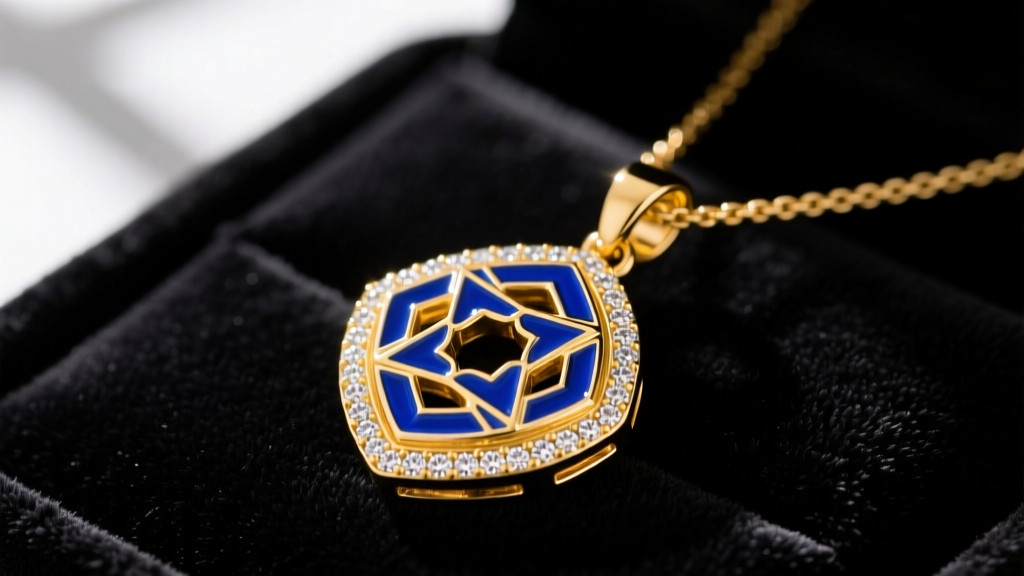
The Anatomy of a Luxury Pop H Necklace
The "Pop H" necklace represents a collision of bold, pop-art-inspired typography and high jewelry craftsmanship. Whether you are looking at heritage brands or contemporary artisans, the letter 'H' has become a dominant motif in 2026, symbolizing everything from personal initials to a nod toward iconic fashion houses. However, the market is flooded with varying qualities of initial pendants. This buying guide dissects the exact metallurgical, gemological, and structural specifications you must demand when investing in a luxury pop h necklace.
Material Breakdown: Gold Alloys and Enamel Techniques
The foundation of any high-end pop h necklace is its metal and color treatment. While 14k gold (58.5% purity) offers superior hardness for prong settings, the pendant body itself should ideally be crafted from 18k gold (75% purity) to achieve that rich, warm saturation that contrasts beautifully with vibrant enamel.
Vitreous vs. Cold Enamel: The Durability Divide
The most critical differentiator in pricing and longevity is the enamel technique.
- Grand Feu (Vitreous) Enamel: This is glass powder fused to metal in a kiln at temperatures between 700°C and 900°C. It is virtually impervious to fading, scratching, and chemical degradation. A vitreous enamel pop h necklace will retain its glass-like luster for generations.
- Cold Enamel (Epoxy Resin): Often found in entry-level luxury pieces, cold enamel is essentially a hardened resin. While it offers vibrant colors, it is susceptible to yellowing from UV exposure and can chip or melt if exposed to high heat or harsh solvents.
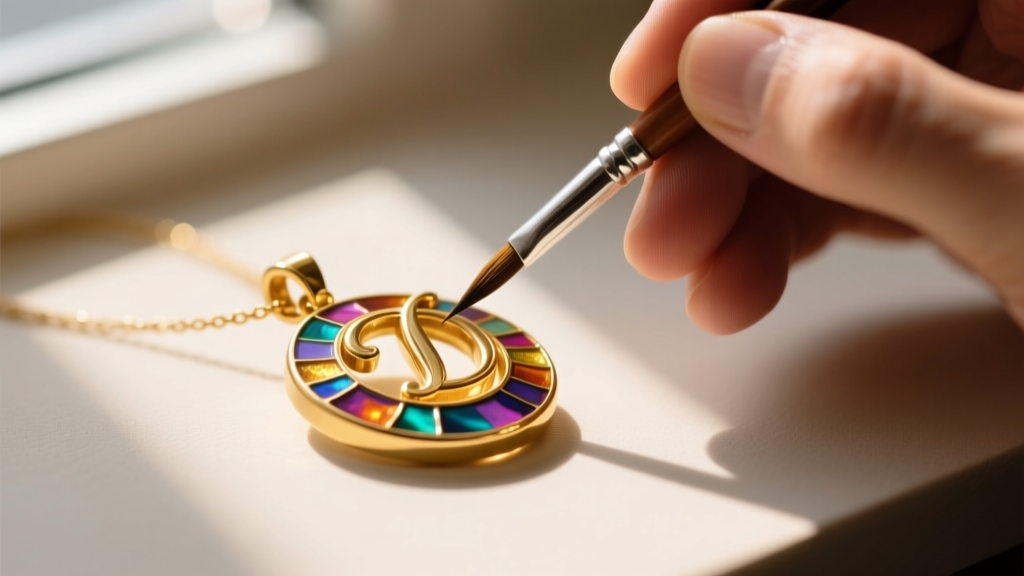
Expert Tip: To test for vitreous enamel, gently tap the surface with a metal pin. Vitreous enamel will produce a high-pitched, glass-like 'clink', whereas cold enamel will yield a dull, plastic-like thud.
Evaluating Diamond Pavé on Initial Pendants
Many pop h necklace designs feature a diamond-encrusted letter set against a solid enamel background. Because these designs utilize melee diamonds (stones weighing between 0.01 and 0.18 carats), traditional grading reports are rarely provided. According to the Gemological Institute of America (GIA), when evaluating melee pavé, cut quality and color matching are paramount.
- Color Matching: For white gold or platinum settings, demand F-G color diamonds to ensure a crisp, icy contrast. For yellow or rose gold pendants, H-I color diamonds are actually preferable; they blend seamlessly with the warm metal, avoiding the "target" effect that overly white stones can create in yellow gold.
- Setting Integrity: Examine the pavé under a 10x loupe. The micro-prongs should be perfectly rounded and uniform. Avoid pendants where the prongs look flat or scraped, as this indicates poor finishing and a high risk of stone loss.
Chain Selection: Gauge, Link Style, and Hardware
The pendant is only half the equation. A heavy 18k gold and diamond 'H' motif requires a chain with adequate tensile strength. The Jewelers of America recommends matching chain gauge to pendant weight to prevent catastrophic link failure.
| Chain Style | Recommended Gauge | Max Pendant Weight | Durability & Notes |
|---|---|---|---|
| Cable Chain | 1.0mm - 1.2mm | Up to 8 grams | Classic, but links can stretch if snagged. |
| Box Chain | 0.9mm - 1.1mm | Up to 12 grams | Excellent tensile strength; geometric links mirror the 'H' motif. |
| Rope Chain | 1.5mm+ | 15+ grams | Highly durable, but the twisted texture can compete with intricate pavé. |
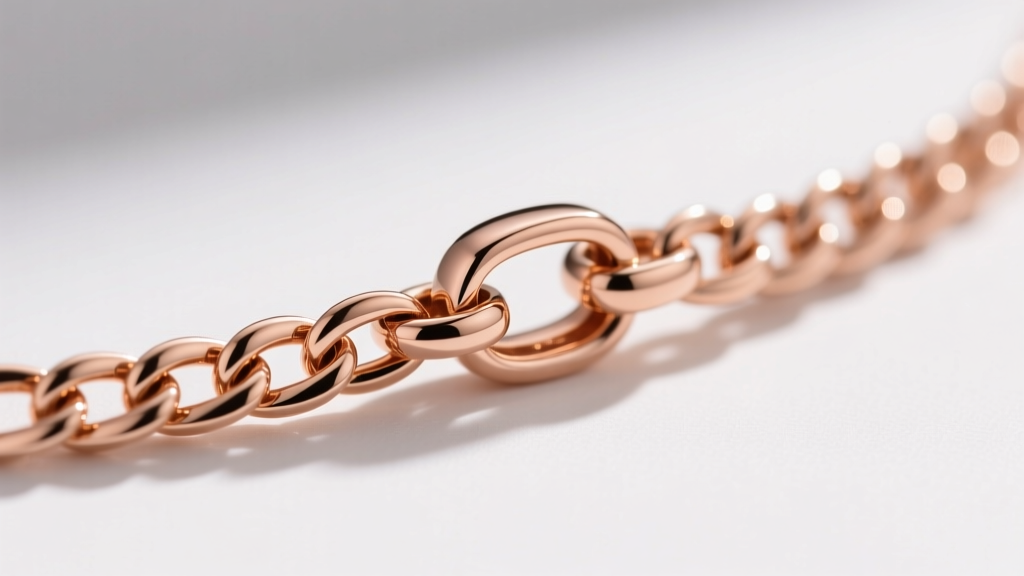
Always insist on a lobster clasp rather than a spring ring. Spring rings lack the internal spring tension required to support the weight of a luxury pendant and are prone to failing when caught on hair or clothing.
2026 Pricing Tiers and Market Value
Understanding the pricing architecture of a pop h necklace ensures you are paying for materials and craftsmanship, not just brand markup.
- Tier 1: Fashion & Vermeil ($250 - $600): Gold vermeil over sterling silver with cold enamel and cubic zirconia or low-grade diamond chips. Suitable for trend-driven wear, but lacks generational longevity.
- Tier 2: Solid Gold & Vitreous Enamel ($1,200 - $3,500): 14k or 18k solid gold with kiln-fired enamel. This is the sweet spot for everyday luxury, offering exceptional durability and rich color saturation without the premium of heavy diamond pavé.
- Tier 3: High Jewelry Pavé & Grand Feu ($4,500 - $12,000+): 18k gold, flawless vitreous enamel, and VS-clarity, F-G color diamond pavé. These pieces are crafted by master jewelers and hold their value exceptionally well in the secondary market.
Styling and Layering the Pop H Pendant
The bold geometry of the letter 'H' makes it an exceptional anchor piece for layered necklace configurations. Because the pop h necklace relies on high-contrast color blocking, it demands strategic pairing to avoid visual clutter.
The 2026 Layering Framework
- The Anchor (16-18 inches): Your pop h necklace should sit at the collarbone. If it features a vibrant enamel background (like deep cobalt or emerald), keep the surrounding chains minimal.
- The Spacer (20 inches): Pair the 'H' pendant with a simple, unadorned 1.5mm rope chain or a delicate pearl strand. The organic texture of pearls provides a stunning juxtaposition against the rigid, geometric lines of the 'H' motif.
- The Lariat (24+ inches): Finish the stack with a long, sweeping lariat or a simple gold slider. This draws the eye vertically, elongating the neckline and allowing the pop h necklace to remain the undisputed focal point.
Avoid layering your enameled 'H' pendant with other heavy diamond pendants. The friction between the diamond culets (the pointed bottom of the stones) and the enamel surface will inevitably result in severe scratching, degrading the glass finish permanently.
Care, Maintenance, and Longevity
Maintaining a pop h necklace requires specific protocols, particularly if it features vitreous enamel. Never place an enameled pendant in an ultrasonic cleaner. The high-frequency vibrations can cause microscopic fractures in the glass enamel, leading to spider-web cracking over time. Instead, clean the diamond pavé using a soft baby toothbrush, warm water, and a drop of mild dish soap, carefully avoiding aggressive scrubbing against the enamel borders. Store the necklace flat in a microfiber pouch to prevent the diamond pavé from scratching the enamel surface of adjacent jewelry.
Furthermore, chemical exposure is the silent killer of luxury jewelry. Chlorine in swimming pools can react with the copper and silver alloys in 14k and 18k gold, causing a phenomenon known as stress corrosion cracking, which weakens the prongs holding your pavé diamonds. Always remove your necklace before swimming or applying aerosol cosmetics. Perfumes and hairsprays contain alcohols that can dull the polish of the gold bezel and leave a stubborn film over the diamonds, reducing their light return and brilliance.


