Is a Pop Tab Necklace Worth It? Budget & Value Guide
Discover the true value of a pop tab necklace. We analyze pricing tiers, material durability, and DIY versus artisan costs to help you buy smart.

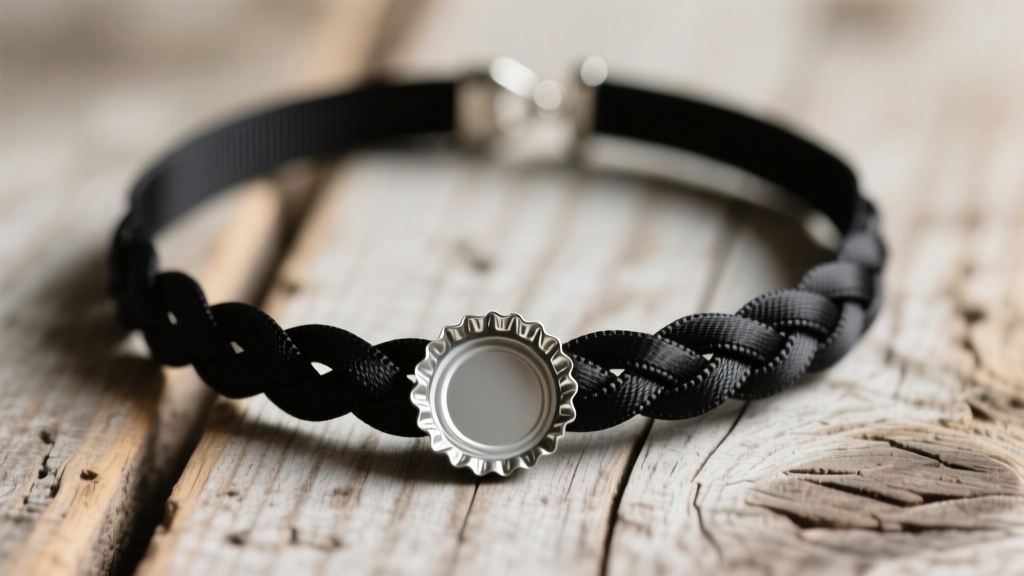
The Upcycled Jewelry Market: Where Does the Pop Tab Necklace Fit?
As we navigate the sustainable fashion landscape of 2026, upcycled accessories have transitioned from niche craft fair novelties to mainstream streetwear staples. At the intersection of Y2K nostalgia and circular fashion sits the humble pop tab necklace. Originally born from DIY necessity, this accessory has evolved into a legitimate category of eco-conscious jewelry. But when you can technically source the primary material from your recycling bin for free, how do you assess the true monetary value of a finished piece? Is a pop tab necklace a worthwhile investment, or are you simply paying for someone else's manual labor?
To answer this, we must look beyond the surface-level aesthetics and evaluate the metallurgy, the hardware, the labor-intensive construction, and the current market pricing tiers. According to the Environmental Protection Agency (EPA), aluminum is one of the most infinitely recyclable materials on earth, making it a darling of the Ellen MacArthur Foundation's circular fashion initiatives. However, the journey from a discarded beverage can to a durable, skin-safe piece of jewelry requires significant processing.
Material Breakdown: Aluminum Alloys and Hardware
The primary component of any pop tab necklace is, naturally, the soda tab. Beverage manufacturers do not use pure aluminum for these components; pure aluminum is too soft. Instead, tabs are stamped from 5182-H48 aluminum alloy, which is doped with magnesium and manganese to provide the high yield strength necessary to withstand the mechanical leverage of opening a pressurized can. This specific alloy is highly resistant to corrosion, meaning your necklace will not rust or turn your skin green like cheap copper or brass alternatives.
However, raw 5182 aluminum presents a unique challenge: oxidation. While it won't rust, it can develop a dull, chalky patina over time and may leave a faint gray residue on your skin or clothing due to friction. High-value artisan necklaces address this through two primary methods:
- Anodizing: An electrochemical process that thickens the natural oxide layer, allowing the tabs to be dyed in vibrant, permanent colors (like iridescent blues or deep reds) while sealing the surface.
- Clear-Coating: A cheaper alternative where tabs are dipped in a polyurethane or acrylic sealant. This prevents skin residue but can eventually chip or yellow with prolonged UV exposure.
The secondary material—the weaving medium—dictates the drape and longevity of the piece. While early DIY iterations used standard yarn or cheap satin ribbon, modern high-quality pieces utilize grosgrain ribbon or surgical stainless steel chains. Grosgrain's ribbed texture grips the smooth aluminum better than satin, preventing the tabs from sliding and bunching up during wear.
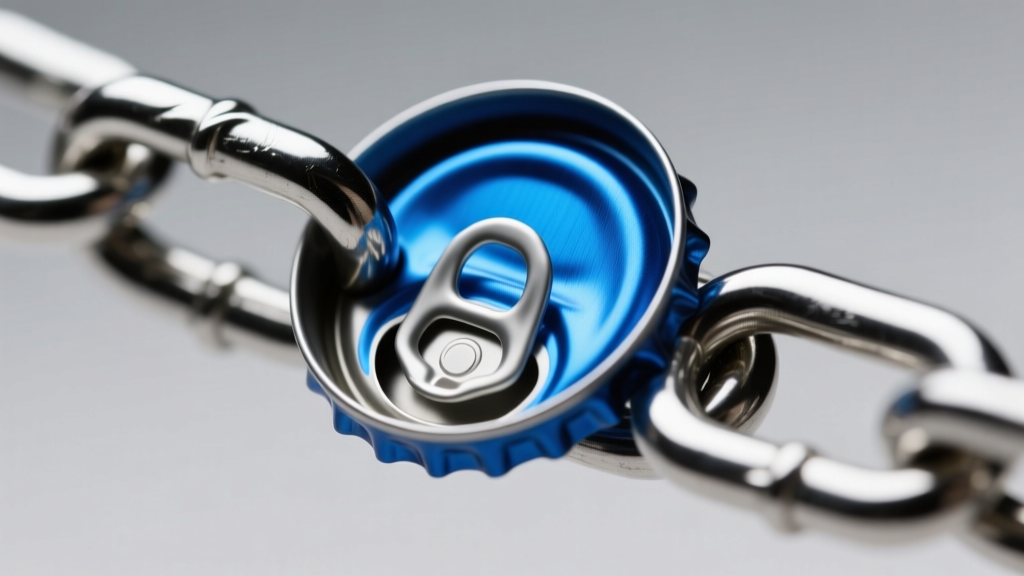
Common Failure Modes in Upcycled Tab Jewelry
Before assessing price, you must understand how these necklaces fail. A budget pop tab necklace often suffers from three critical manufacturing flaws:
- Micro-Burr Lacerations: When tabs are separated from the can, the stamping process leaves microscopic, razor-sharp aluminum burrs. If a manufacturer skips the tumbling or hand-filing process, the necklace will snag on knitwear and scratch the wearer's neck.
- Score-Line Fatigue: The tab features a scored weak point designed to tear open the can. If the tab is bent or twisted too aggressively during the weaving process, this score line develops a stress fracture, eventually snapping under the tension of the weave.
- Clasp Avulsion: The heaviest part of the necklace is the center mass of aluminum. If the lobster clasp is crimped directly onto a thin ribbon without a reinforced metal jump ring, the ribbon will fray and tear at the connection point within a few weeks of daily wear.
Pricing Tiers: What Should You Actually Pay?
The market for a pop tab necklace is heavily fragmented, ranging from flea-market bargains to high-end sustainable designer boutiques. Below is a breakdown of what you should expect to pay in 2026, categorized by production quality.
| Tier | Price Range | Material Quality | Edge Finishing | Hardware & Weave |
|---|---|---|---|---|
| Raw DIY / Flea Market | $4 - $10 | Raw, uncoated recycled tabs | Unfinished, sharp micro-burrs | Satin ribbon, basic glued clasps |
| Mass-Market Upcycled | $15 - $28 | Cleaned, clear-coated tabs | Machine-tumbled, mostly smooth | Grosgrain ribbon, standard alloy clasps |
| Artisan / Designer | $35 - $85+ | Anodized or precision-polished | Hand-filed, zero-snag guarantee | Steel chains, soldered jump rings, secure clasps |
If you are purchasing a pop tab necklace for everyday streetwear, the Mass-Market Upcycled tier offers the best balance of durability and budget. However, if you are looking for a statement piece with colored tabs or intricate geometric weaving patterns (like the hexagonal 'honeycomb' weave), you will need to step into the Artisan tier.
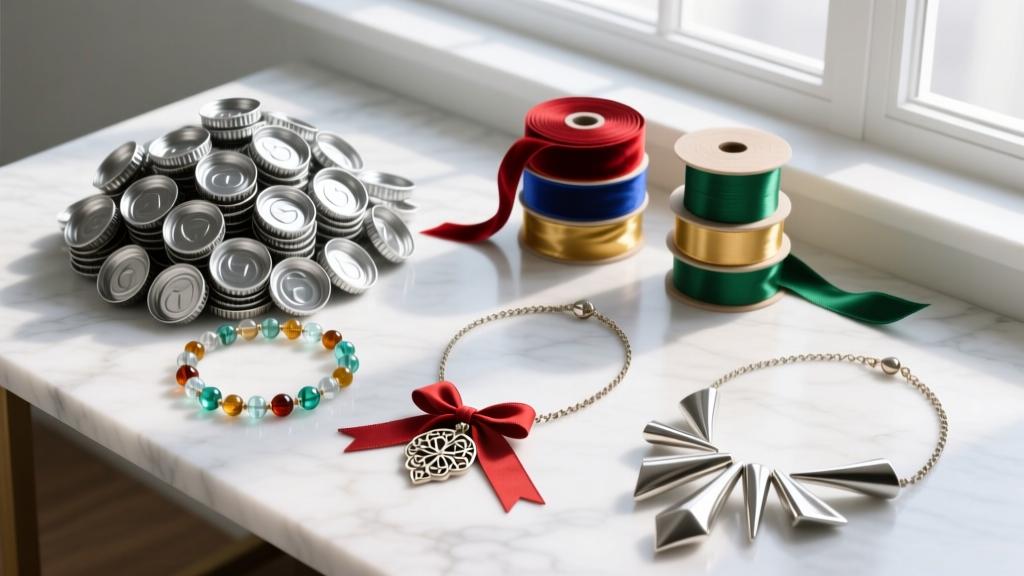
DIY vs. Artisan: Assessing the Labor Value
A common critique of upcycled jewelry is the assumption that because the base material is 'trash,' the final product should be cheap. This ignores the intense labor economics of crafting a pop tab necklace. According to data from The Aluminum Association, while recycling rates are high, sourcing specific, undamaged tabs requires significant sorting.
Let us break down the time-cost of a standard 16-inch choker, which requires approximately 130 to 150 individual tabs:
- Sourcing & Sorting: 30 minutes (discarding bent or oxidized tabs).
- Cleaning: 20 minutes (ultrasonic bath or chemical degreasing to remove beverage residue and oils).
- Edge Finishing: 45 minutes (tumbling or hand-filing the sharp stamping burrs).
- Weaving: An experienced artisan can weave about 4 tabs per minute. For 140 tabs, this equals 35 minutes of continuous, focused manual labor.
- Hardware Attachment: 10 minutes (securing the clasp and heat-sealing ribbon ends).
In total, a single high-quality necklace requires roughly 2.5 hours of active labor, not including overhead, packaging, or platform fees. When you purchase an artisan pop tab necklace for $45, you are essentially paying the maker an hourly wage of around $18. From a budget and value assessment perspective, this is an incredibly fair exchange rate for a handcrafted, sustainable garment accessory.
"True value in sustainable fashion isn't just about the cost of raw materials; it's about compensating the human hours required to divert waste from landfills and transform it into wearable art." — Journal of Circular Design, 2025
How to Spot a High-Quality Pop Tab Necklace
Whether you are shopping online or browsing a local artisan market, use this rapid inspection framework to ensure you are getting your money's worth:
- The Touch Test: Run your thumb firmly along the outer rim and the inner cutout of a tab. If you feel any catching or scratching, the piece was not properly tumbled or filed. Put it back.
- The Tension Check: Gently pull the necklace taut. The tabs should sit relatively flat against one another without excessive gaping. If the weave is too loose, the tabs will flip and tangle during wear.
- The Clasp Inspection: Look at where the ribbon or chain meets the clasp. High-value pieces will use a metal crimp bead or a soldered jump ring. If the ribbon is simply tied in a knot or glued, it will fail.
- The Sound Test: Shake the necklace gently. Properly woven tabs will produce a muted, solid clinking sound. If it sounds excessively tinny or chaotic, the weave tension is too loose.
Final Verdict: Is It Worth the Investment?
So, is a pop tab necklace worth your hard-earned money? From a pure material-cost perspective, no. But jewelry is rarely about the intrinsic value of the raw elements; it is about design, labor, and cultural resonance.
If you are on a strict budget (under $15), you are better off learning to weave a DIY pop tab necklace yourself using grosgrain ribbon and tabs sourced from local recycling centers. It is an excellent, low-cost entry point into sustainable fashion crafting. However, if you are willing to spend between $30 and $60, an artisan-crafted pop tab necklace offers immense value. You are acquiring a lightweight, hypoallergenic, highly durable statement piece that supports the circular economy and showcases hours of meticulous handiwork. In the 2026 accessories market, few items offer this unique blend of eco-conscious street cred and genuine structural durability at such an accessible price point.


