Popular Designer Necklaces: 2026 Gift & Occasion Guide
Discover the best popular designer necklaces for every occasion. Our 2026 gift guide matches iconic luxury pendants and chains to milestone moments.

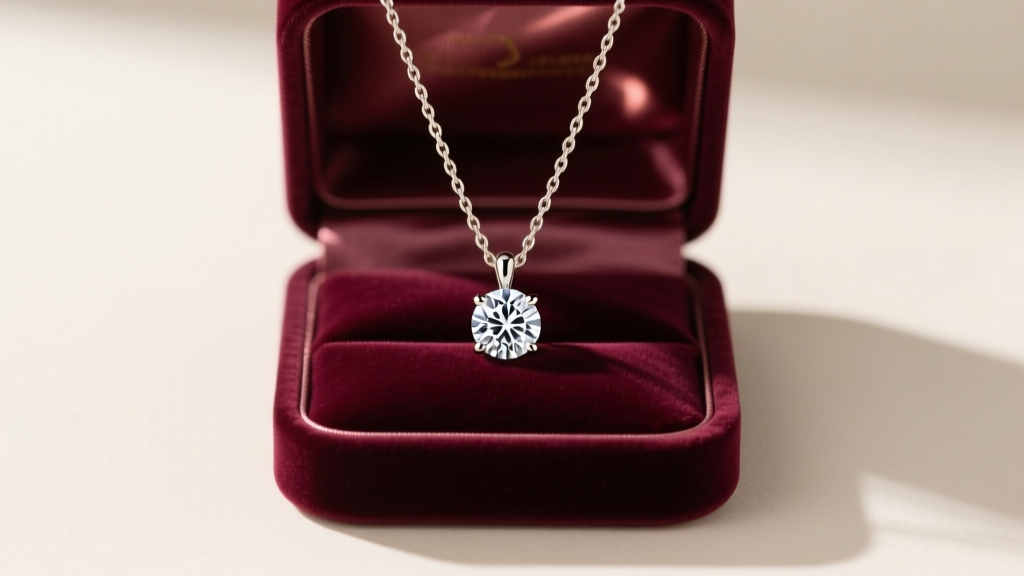
Gifting a luxury necklace is an exercise in emotional intelligence as much as it is an appreciation of fine craftsmanship. When selecting from the most popular designer necklaces, buyers in 2026 are looking beyond mere brand recognition. Today's discerning gifters prioritize 'heirloom utility'—pieces that possess intrinsic metallurgical value, robust resale potential, and the versatility to transition from a corporate boardroom to a black-tie gala. According to luxury market analysts at Sotheby's, contemporary designer jewelry with iconic motifs continues to outperform traditional commodities, making provenance and brand heritage critical factors in your purchasing decision.
However, navigating the vast landscape of luxury pendants, chokers, and chain necklaces can be overwhelming. A piece that dazzles in a boutique display case might clash with the recipient's daily wardrobe or neckline preferences. This comprehensive guide deconstructs the art of occasion-matching, providing actionable data on metal grades, chain mechanics, and sizing frameworks to ensure your gift is both deeply personal and structurally enduring.
The Milestone Matrix: Matching Designer Pieces to Life Events
Different milestones demand different design languages. A graduation gift should project forward momentum and modern elegance, while an anniversary piece often calls for timeless, recognizable motifs that signal enduring commitment. Below is a strategic framework for matching specific occasions with the appropriate designer styles, metal choices, and current market pricing.
| Occasion | Recommended Motif & Style | Ideal Metal & Material | Estimated 2026 Price Range |
|---|---|---|---|
| University Graduation | Tiffany T Smile or Anita Ko Diamond Bar | 18k Rose Gold (Warm, contemporary) | $2,500 - $4,500 |
| 10th Anniversary | Van Cleef & Arpels Vintage Alhambra | 18k Yellow Gold & Onyx/Mother-of-Pearl | $4,800 - $7,200 |
| New Baby / Push Present | Sidney Garber or Custom Diamond Initial | 18k White Gold & VS1 Clarity Diamonds | $3,500 - $6,000 |
| Corporate Promotion | Sophie Buhai Medium Orb or Agnes de Verneuil | Recycled Sterling Silver or 14k Solid Gold | $800 - $2,200 |
| Milestone Birthday (30th/40th) | Cartier Juste un Clou or Love Pendant | 18k Yellow Gold with Pavé Diamonds | $5,500 - $9,500 |
Investment-Grade Gifting: Metallurgy & Material Science
To truly understand the value of popular designer necklaces, one must look beneath the surface polish. High-end jewelers almost exclusively utilize 18-karat gold or PT950 platinum for their fine jewelry collections. According to the Gemological Institute of America (GIA), 18k gold consists of 75% pure gold alloyed with metals like copper, silver, or zinc to achieve the desired color and tensile strength.
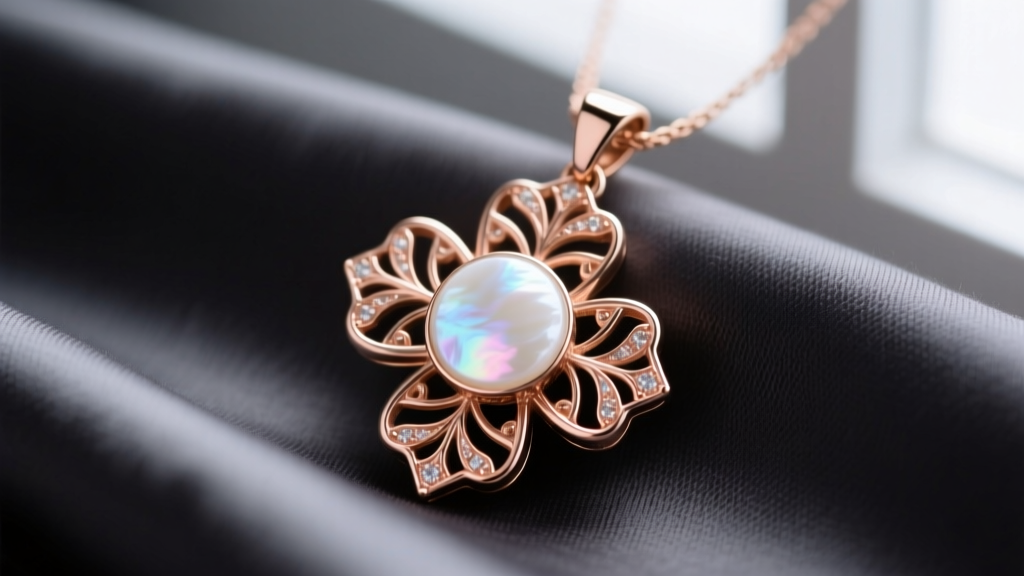
18k Gold vs. Platinum: A Durability Breakdown
- 18k Yellow Gold: Offers a rich, classic warmth. However, it sits at roughly 2.5 to 3 on the Mohs hardness scale, meaning it will develop a 'patina' (micro-scratches) over years of daily wear. Ideal for pendants that rest against the skin rather than chains that endure heavy friction.
- 18k White Gold: Alloyed with palladium or nickel and plated with rhodium for a bright white finish. The rhodium plating will eventually wear off, requiring re-plating every 3 to 5 years depending on the wearer's skin chemistry.
- PT950 Platinum: Composed of 95% pure platinum, this metal is denser and heavier than gold. When scratched, platinum displaces rather than loses material, making it the superior choice for securing high-value diamond pavé on delicate pendant bails.
Clasp Mechanics: The Unsung Hero of Luxury Chains
A common failure point in gifted necklaces is the clasp. When investing thousands in a designer piece, the hardware must be commensurate with the pendant's weight and value.
Spring Ring Clasps: Often found on delicate 1.0mm to 1.2mm cable chains. While lightweight, the internal spring mechanism is prone to failure if subjected to sudden tugs. Avoid gifting heavy pendants on chains equipped with standard spring rings.
Lobster Clasps: The industry standard for chains ranging from 1.5mm to 3.0mm. They offer a secure, self-closing mechanism. High-end designers like David Yurman and John Hardy often use branded, oversized lobster clasps that double as aesthetic end-caps.
Hidden Box Clasps with Safety Catches: Reserved for premium, heavy-link chains (e.g., 4mm+ curb or figaro chains) and multi-strand collar necklaces. A box clasp features a folding lever that clicks securely into a recessed housing, usually accompanied by a figure-8 safety wire that acts as a secondary fail-safe. If you are gifting a substantial gold chain, ensure it features this clasp architecture.
Occasion-Specific Sizing & The 'Stealth Measurement' Technique
The drop length of a necklace drastically alters how it interacts with the wearer's anatomy and wardrobe. A poorly sized chain can render a beautiful pendant unwearable.

The Standard Length Framework
14 to 16 Inches (Choker / Collar): Sits tightly on the base of the neck. Best for open-collar blouses, off-the-shoulder gowns, or V-necks. Ideal for diamond tennis necklaces or delicate chokers. Warning: Do not gift this length without knowing the recipient's exact neck circumference, as a 14-inch chain will not fit many adult women comfortably.
18 Inches (Princess): The universal standard. It rests perfectly on the collarbone, making it the safest bet for surprise gifting. It pairs flawlessly with crew necks, scoop necks, and business casual attire.
20 to 24 Inches (Matinee): Drops to the upper chest or bust line. Excellent for layering over turtlenecks, silk blouses, or wearing with business suits. Often used for heavier, statement-making pendants like a large cross or a substantial gemstone cabochon.
How to Measure Secretly
If you need an exact measurement, borrow a necklace the recipient already wears and favors. Lay it flat on a table, unclasped, and measure from the inner edge of one clasp to the inner edge of the other using a flexible tailor's tape. Alternatively, use a piece of string to trace the neckline of a garment she frequently wears, then measure the string.
Authentication & Purchasing Safeguards
The secondary market for luxury jewelry is thriving, with platforms like Rebag and specialized auction houses offering authenticated pre-owned pieces at a fraction of boutique retail. However, gifting a counterfeit piece is a catastrophic faux pas. When purchasing outside of a brand's flagship boutique, verify the following:
- The Hallmark & Serial Number: Authentic designer necklaces will feature a laser-engraved serial number and a metal purity stamp (e.g., '750' for 18k gold or 'PT950' for platinum) on the clasp or a small metal tag adjacent to the clasp.
- The 'Frankenstein' Chain: A common deception in the gray market involves attaching a genuine designer pendant to a counterfeit, lower-karat chain. Always verify the hallmarks on both the pendant bail and the chain links.
- Provenance Documentation: Insist on the original Certificate of Authenticity (COA), branded presentation box, and purchase receipt. In 2026, many brands also utilize NFC chips embedded in the packaging or micro-laser inscriptions on the diamond girdle to verify origin.
Final Gifting Checklist
Before finalizing your purchase, run through this rapid diagnostic: Does the metal color complement her existing jewelry wardrobe? Is the chain gauge thick enough to support the pendant's weight without bending? Does the clasp feature a reliable locking mechanism? By treating the purchase of popular designer necklaces as an intersection of material science, ergonomic sizing, and emotional resonance, you ensure your gift will be cherished—and worn—for decades to come.


