The POTC Necklace Value Guide: Budgeting for Pirate Jewelry
Assess the true value of a POTC necklace. We compare zinc alloys, brass, and sterling silver replicas to help you budget for screen-accurate pirate jewelry.

The Enduring Allure of Cinematic Pirate Jewelry
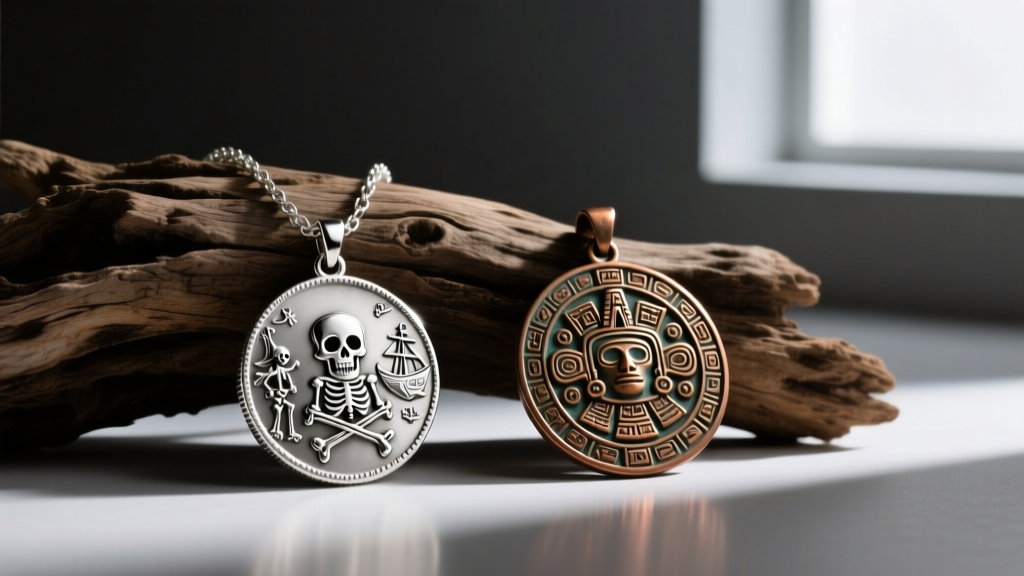
Since the early 2000s, the cinematic pirate genre has spawned a massive secondary market for replica jewelry. Whether you are hunting for Jack Sparrow’s Wandering Star coin, Will Turner’s Aztec gold medallion, or Davy Jones’ intricate heart locket, the search for the perfect POTC necklace is fraught with budget traps. The market is flooded with everything from $15 stamped tin knockoffs to $800 screen-accurate, lost-wax cast sterling silver replicas. As a buyer, understanding the metallurgy, chain gauges, and failure modes of these materials is the only way to separate genuine value from overpriced novelty merch.
In this comprehensive value assessment, we break down the manufacturing tiers of pirate replica necklaces, analyze the specific material requirements for the franchise's most iconic pendants, and provide a decision framework to ensure your budget yields a piece that will actually survive daily wear.
The Three Tiers of POTC Necklace Manufacturing
Before evaluating specific character pieces, you must understand the baseline materials used in the replica market. The price of a POTC necklace is almost entirely dictated by its base metal and casting method.
| Material Tier | Common Alloys | Price Range | Longevity & Failure Modes |
|---|---|---|---|
| Novelty / Low-End | Zamak (Zinc Alloy), Pewter, Plated Brass | $15 - $45 | Prone to 'zinc pest' (intergranular corrosion), snapping under tension, and rapid plating wear. |
| Mid-Tier / Enthusiast | Solid Brass, Cast Bronze, Antiqued Copper | $60 - $150 | Excellent weight and patina potential. Can cause skin discoloration (greening) if not sealed or alloyed properly. |
| High-End / Screen-Accurate | 925 Sterling Silver, Gold Vermeil, Machined Steel | $250 - $850+ | Heirloom quality. Silver takes a beautiful sulfide patina. Hinges and clasps are precision-machined. |
Jack Sparrow’s Coin Necklace: Silver vs. Base Metal
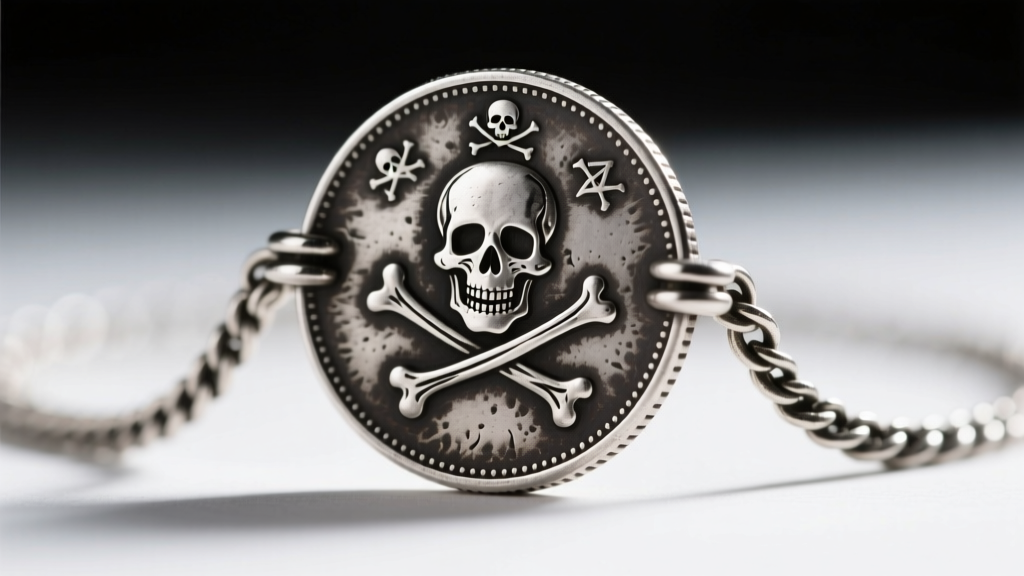
Jack Sparrow’s signature necklace features a silver coin (often identified as the Wandering Star or a Piece of Eight) suspended on a darkened, oxidized chain. When budgeting for this specific POTC necklace, sterling silver is the only material that offers genuine long-term value.
The Metallurgy of the Wandering Star
Cheap replicas are typically die-struck from thin sheets of zinc alloy or brass and then flash-plated with a microscopic layer of silver. Within months, the friction against your chest and the natural acidity of your skin will wear through the plating, revealing the dull, grayish base metal beneath. Furthermore, these base metals cannot hold the deep, dark oxidation that gives the screen-used props their weathered, maritime aesthetic.
A high-value replica will be cast in solid 925 sterling silver. According to the Gemological Institute of America (GIA), sterling silver contains 92.5% pure silver and 7.5% copper. This copper content is crucial for pirate jewelry: it allows the piece to be artificially oxidized using liver of sulfur, creating a permanent, dark sulfide patina that settles deep into the engraved crevices of the coin, highlighting the skull and crossbones motifs while leaving the high-polish edges bright.
Chain Gauge and Clasp Assessment
Do not overlook the chain. A heavy 30mm silver coin pendant requires a chain with adequate tensile strength. Budget necklaces often use 1.5mm thin cable chains with weak spring-ring clasps that snap under the pendant's weight.
- Ideal Chain: 2.5mm to 3.5mm oxidized sterling silver rolo or wheat chain.
- Ideal Clasp: A heavy-duty lobster clasp or a custom toggle clasp, soldered securely to the end links.
The Aztec Gold Medallion: Assessing 'Gold' Replicas
The Isla de Muerta Aztec coin, famously worn by Will Turner and Hector Barbossa, presents a unique budget challenge. The screen-used props were not solid gold—they were painted and plated resin or brass. Therefore, any seller offering a 'solid gold' POTC Aztec medallion is either lying or charging an astronomical premium that defies the spirit of the replica.
Why Brass and Bronze Rule the Aztec Market
The highest value for an Aztec medallion lies in solid cast brass or bronze. These copper-based alloys naturally mimic the warm, heavy tone of aged gold. High-end prop makers use the lost-wax casting method to capture the intricate, raised skull reliefs and the subtle hammer marks on the coin's surface.
Pro-Tip for Brass Medallions: Raw brass will oxidize and tarnish over time, developing a brownish-green patina. If you prefer the bright 'cursed gold' look, you must regularly polish it with a jeweler's cloth. If you prefer a weathered, excavated look, let the natural patina develop or apply a mild ammonia-based brass darkener.
The Leather Cord Trap
Aztec coins are traditionally hung on thick leather cords rather than metal chains. This is a major point of failure in mid-tier replicas. Cheap leather cords are glued into cheap metal bail caps. Over time, sweat and moisture rot the leather, and the glue degrades, resulting in the loss of the medallion. When assessing value, look for a pendant with a drilled bail hole or a heavy-duty soldered jump ring that allows you to thread the leather directly through the metal, secured by a simple overhand knot rather than toxic cyanoacrylate glue.
Davy Jones’ Locket: Mechanical Value and Hinge Durability
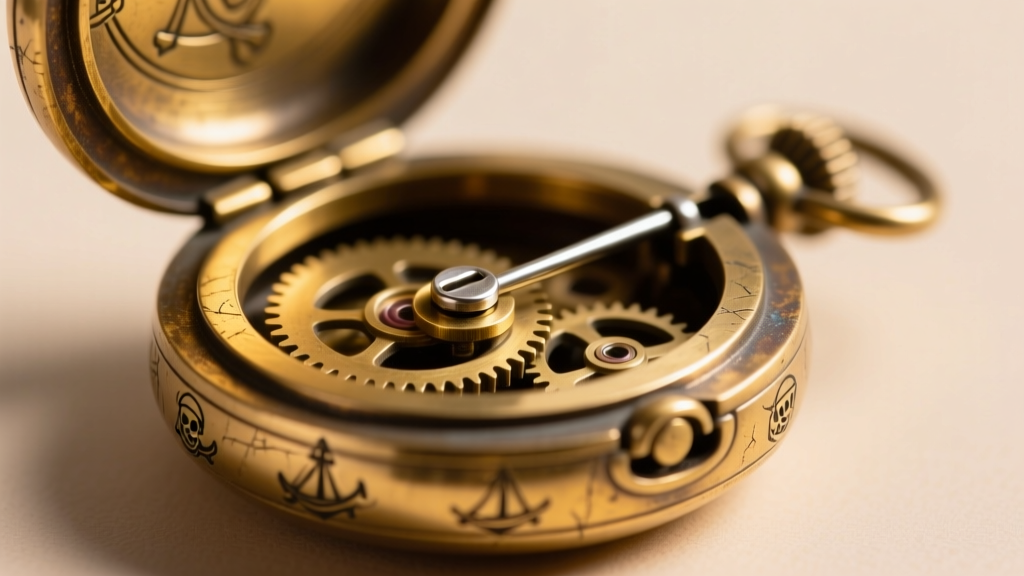
The most complex POTC necklace is Davy Jones’ heart locket (which doubles as a music box in the lore). This piece requires moving parts, making it the most vulnerable to budget manufacturing shortcuts. Assessing the value of a mechanical replica requires looking past the exterior etching and examining the structural engineering.
Hinge Pins and Tolerance
In low-end zinc alloy lockets, the hinge is often cast as a single, fragile piece of pot metal. The 'pin' is just a thin extrusion of the same brittle zinc. After a dozen open-and-close cycles, metal fatigue sets in, and the hinge snaps cleanly off. A high-value Davy Jones locket will feature a machined steel hinge pin pressed through a brass or silver casing. Steel provides the necessary shear strength to handle the torque of opening a heavy, spring-loaded lid. Furthermore, the tolerance between the lid and the base should be tight—no more than 0.5mm of play—to prevent the internal music box mechanism (if present) from rattling or misaligning.
Spring Mechanisms and Latches
If the locket features a push-button release, the internal spring must be stainless steel. Cheap replicas use carbon steel springs that rust rapidly when exposed to ambient humidity, eventually seizing the latch in the closed position. Always ask the manufacturer or secondary market seller for a macro photo of the internal latch mechanism before committing a high budget to a mechanical piece.
Navigating the Secondary Market and Authentication
If you are buying vintage or custom-made POTC necklaces on platforms like Etsy or eBay, authentication is key to protecting your budget. The most authoritative community for verifying screen-accurate jewelry is The Replica Prop Forum (RPF). When evaluating a listing, apply this checklist:
- Check the Maker's Mark: High-end silversmiths and prop studios (like Badali Jewelry or specific RPF artisans) will stamp their pieces with a hallmark (e.g., '925' and a maker's symbol).
- Weigh the Piece: A solid brass Aztec medallion (approx. 35mm diameter, 3mm thick) should weigh roughly 25-30 grams. If the listing claims it is solid metal but weighs 8 grams, it is hollow or made of lightweight resin.
- Inspect the Bail: Ensure the loop connecting the pendant to the chain is soldered closed. An open, unsoldered jump ring will eventually pull apart under the pendulum motion of walking.
Final Verdict: Where Should You Put Your Budget?
When hunting for the ultimate POTC necklace, your budget should be allocated based on the specific piece you desire. For Jack Sparrow’s coin, invest heavily in 925 sterling silver and a robust rolo chain; the oxidation potential and skin-safe nature of silver make it a lifetime wear piece. For the Aztec medallion, mid-tier solid brass offers the best visual return on investment, provided you upgrade the leather cord yourself. Finally, for mechanical pieces like Davy Jones' locket, never compromise on the hinge mechanics—pay the premium for steel pins and machined tolerances, or risk owning a beautiful but permanently jammed paperweight. By prioritizing metallurgy over brand licensing, you secure a piece of cinematic history that will survive your own voyages across the seas.


