Prayer Box Necklace Value Guide: 2026 Pricing & Metals
Discover the true value of a prayer box necklace in 2026. Compare pricing, metal grades, and craftsmanship to find the best budget and fine options.

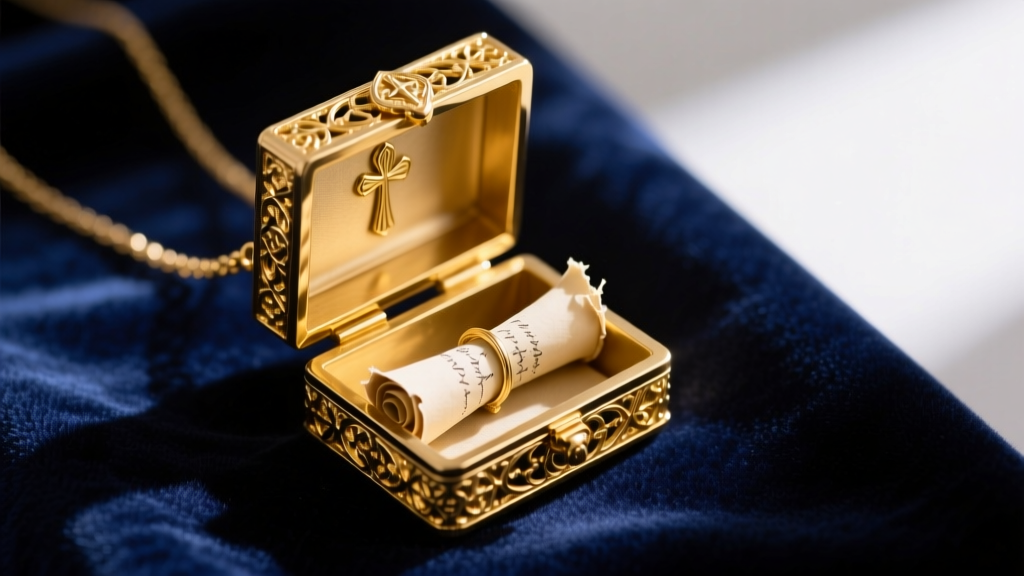
A prayer box necklace is more than just an accessory; it is a deeply personal vessel designed to hold a folded prayer, a saint card, or a written intention close to the heart. However, because these pendants feature moving parts and delicate interior chambers, the gap between a cheap novelty item and a lifelong heirloom is vast. In 2026, the market is flooded with options ranging from $15 stamped steel to $800 solid gold heirlooms. How do you determine what is actually worth your money?
This comprehensive value assessment breaks down the metallurgy, mechanical failure points, and true pricing tiers of the modern prayer box necklace, ensuring your investment honors both your faith and your wallet.
The Anatomy and Mechanics of a Quality Prayer Box
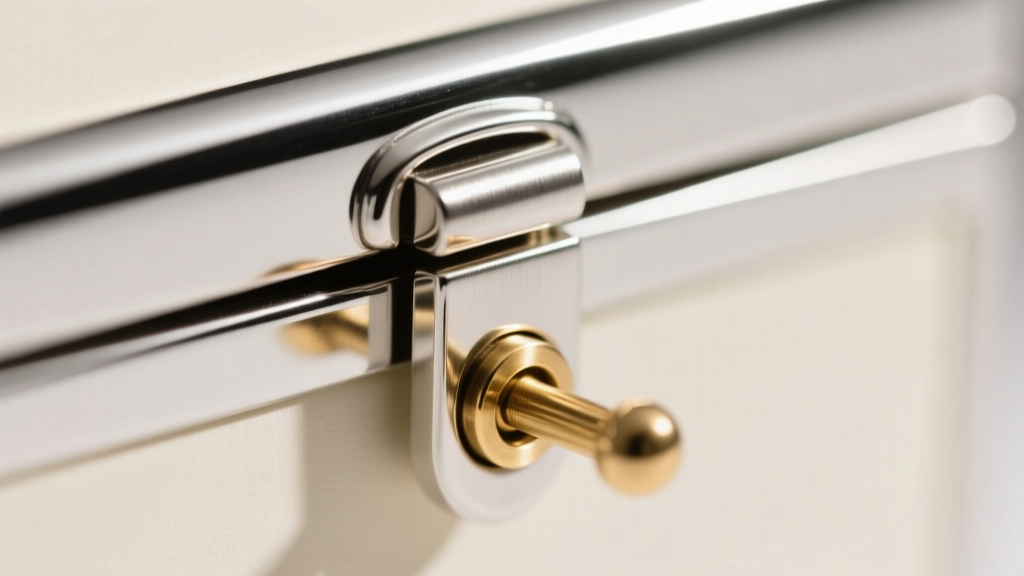
Unlike a standard solid pendant, a prayer box necklace requires precise engineering. The value of the piece is heavily dictated by its closure mechanism and hinge construction. When assessing a piece, jewelers look at three primary closure types:
- Friction-Fit (Snap) Closure: The most common and budget-friendly. A small metal lip snaps into a groove. While affordable, the metal lip can wear down after 100-200 opens, causing the box to pop open unexpectedly and lose the prayer inside.
- Magnetic Closure: Common in mid-tier sterling silver pieces. Rare-earth micro-magnets are embedded in the rim. These offer a satisfying snap and excellent security, but they can fail if exposed to extreme heat or if the adhesive degrades over a decade of wear.
- Screw-Thread Closure: The hallmark of a true heirloom piece. The lid screws onto the base via micro-threads. This is the most secure method and is almost exclusively found in high-end 14k or 18k solid gold designs.
Furthermore, the hinge pin is a critical failure point. Budget manufacturers use hollow brass pins that bend or snap under the torque of daily opening. High-value pieces utilize solid steel or karat-gold hinge pins machined to a 0.8mm tolerance.
2026 Material and Pricing Matrix
To accurately assess value, we must separate the metal cost from the craftsmanship premium. According to the Gemological Institute of America (GIA), gold purity and alloy composition directly dictate both the longevity and the baseline scrap value of jewelry. Below is the 2026 market matrix for prayer box pendants (chain sold separately).
| Material Grade | 2026 Price Range | Durability Score | Value Verdict |
|---|---|---|---|
| 316L Stainless Steel | $15 - $35 | 8/10 | Best for strict budgets; highly durable but heavy and lacks intrinsic precious metal value. |
| 925 Sterling Silver | $45 - $120 | 7/10 | Excellent middle ground. Requires rhodium plating to prevent tarnish from skin oils and perfume. |
| 14k Gold Vermeil | $85 - $180 | 6/10 | Great aesthetic value. FTC guidelines require 2.5 microns of gold over silver, but the hinge will eventually show silver wear. |
| 14k Solid Gold | $350 - $850+ | 10/10 | The ultimate heirloom. Will not tarnish, hypoallergenic, and holds intrinsic melt value. |
Budget Tier vs. Heirloom Tier: Spotting the Difference
When browsing online or looking through a jeweler's loupe, how can you tell if a prayer box necklace is priced fairly? The Jewelers of America organization emphasizes that finishing details are the true indicator of bench-made quality versus mass-produced castings.
The Interior Chamber Test
Open the box and look inside. In budget-tier pendants (under $50), the interior is often raw, porous, and unfinished. This rough texture acts like sandpaper, slowly degrading the paper prayer or saint card you place inside, eventually causing it to tear or crumble. An heirloom-tier prayer box features a hand-polished interior chamber or a recessed bezel lip designed to hold a standard 1-inch by 0.5-inch card perfectly flat without pinching the edges.
Weight and Proportions
A quality 14k solid gold prayer box should have a noticeable heft, typically weighing between 4.5 and 8 grams depending on the dimensions. If a piece is marketed as 'solid gold' but weighs under 2 grams, it is likely hollow-cast. Hollow-cast boxes dent easily if dropped on a tile floor and cannot be repaired by a bench jeweler once crushed.
Hidden Costs: Chain Pairings and Maintenance
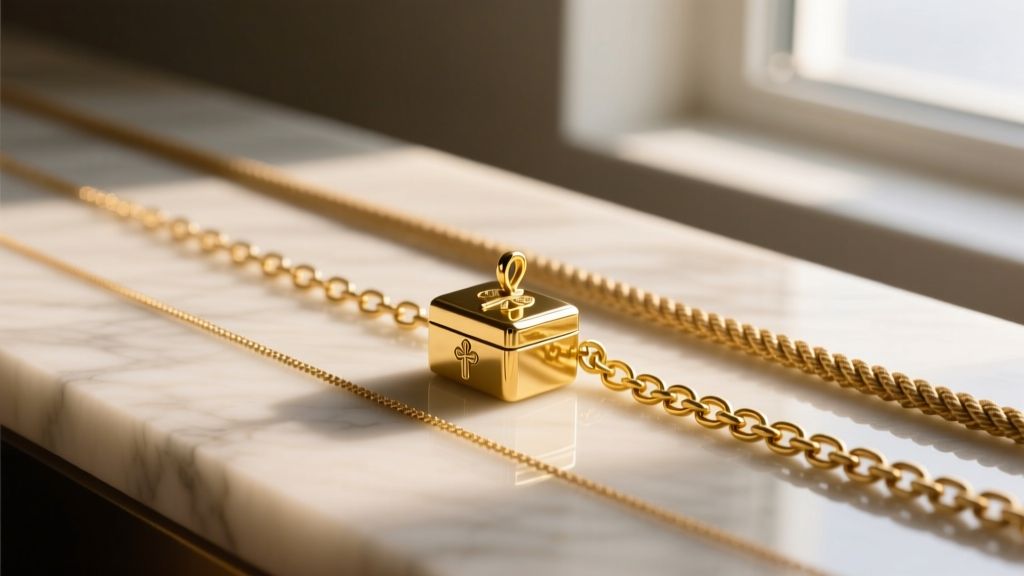
The most frequent point of failure for a prayer box necklace is not the pendant itself, but the chain it hangs from. Prayer boxes are inherently heavier than standard flat pendants due to their three-dimensional structure and moving parts.
A common mistake is pairing an 8-gram sterling silver prayer box with a delicate 0.8mm or 1.0mm cable chain. The dynamic weight of the box swinging against the chest creates sheer stress on the chain links, leading to micro-fractures and eventual snapping.
Optimal Chain Gauges for Prayer Boxes
- For Lightweight Boxes (Under 4g): A 1.2mm to 1.5mm wheat chain or box chain offers excellent tensile strength while remaining visually delicate.
- For Heavy Boxes (5g - 10g): Opt for a 2.0mm to 2.5mm rope chain or Figaro chain.
- The Clasp Rule: Never use a spring-ring clasp for a prayer box. The internal spring mechanism is prone to failure under heavy loads. Always upgrade to a lobster clasp or a custom hook-and-eye clasp for security.
Maintenance: Protecting the Vessel
Because a prayer box necklace is meant to be worn daily, it is exposed to sweat, lotions, and friction. If you choose 925 sterling silver, the natural sulfur in human sweat will cause the recessed hinges to oxidize and turn black within months. To prevent the hinge from seizing, apply a microscopic drop of synthetic watch oil to the hinge pin once a year, and store the necklace in an anti-tarnish cloth pouch when not in use. For gold vermeil, avoid ultrasonic cleaners entirely, as the high-frequency vibrations can dislodge the micro-magnets or strip the gold layer from the intricate hinge crevices.
Final Verdict: Maximizing Your Investment
When evaluating a prayer box necklace, you are paying for mechanical precision just as much as precious metals. If your budget is under $50, 316L stainless steel offers the best mechanical longevity, even if it lacks the prestige of precious metals. If you are seeking a piece to pass down to the next generation, bypass vermeil and silver entirely; invest in a 14k solid gold piece with a screw-thread or heavy-duty friction closure, and pair it with a properly gauged chain. By understanding the mechanics of the hinge and the reality of metal weights, you can select a vessel that safely guards your most cherished prayers for decades to come.


