Preventing a Snapped Necklace Chain: A Structural Buying Guide
Learn why chains break and how to buy durable necklaces. Discover link strength, metal yield limits, and clasp engineering to avoid a snapped necklace chain.

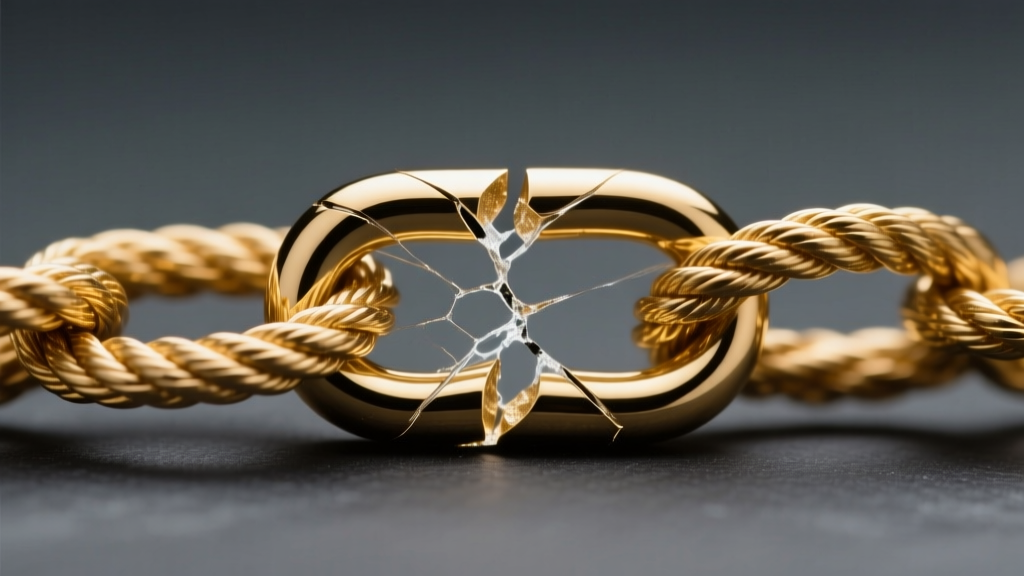
There are few experiences in jewelry ownership as visceral and panic-inducing as feeling the sudden, weightless drop of a beloved pendant. A snapped necklace chain is rarely a freak accident; it is almost always the culmination of structural compromises, material fatigue, or a fundamental mismatch between the chain’s engineering and its daily environment. As a buyer, you have access to advanced alloys and precision laser-welded components, yet the market is still flooded with fragile, mass-produced chains destined to fail. This buying guide strips away the aesthetic marketing and dives deep into the metallurgy, link geometry, and mechanical engineering required to purchase a necklace that will survive decades of wear without catastrophic failure.
The Anatomy of a Chain Failure
To prevent a broken chain, you must first understand how they fail. Jewelry engineers categorize chain failures into three primary mechanisms:
- Tensile Overload: This occurs when a sudden, sharp force exceeds the metal's ultimate tensile strength. This is the classic "catch-and-pull" scenario where the chain snags on a door handle or clothing, transferring immediate kinetic energy to a single link.
- Metal Fatigue: The silent killer of jewelry. Repeated micro-bending, twisting, and exposure to temperature fluctuations cause microscopic fissures in the metal's crystalline structure. Over months or years, these fissures propagate until the link simply gives way under its own weight.
- Abrasive Wear: Often seen at the clasp or where a pendant bail rubs against the chain. Friction slowly sands away the metal, reducing the wire's cross-sectional thickness until it can no longer support the load.
According to Rio Grande's jewelry manufacturing guides, the majority of returns and repairs related to broken chains stem from metal fatigue exacerbated by poor link geometry and unsoldered connection points.
Link Geometry: Ranking Styles by Tensile Resilience
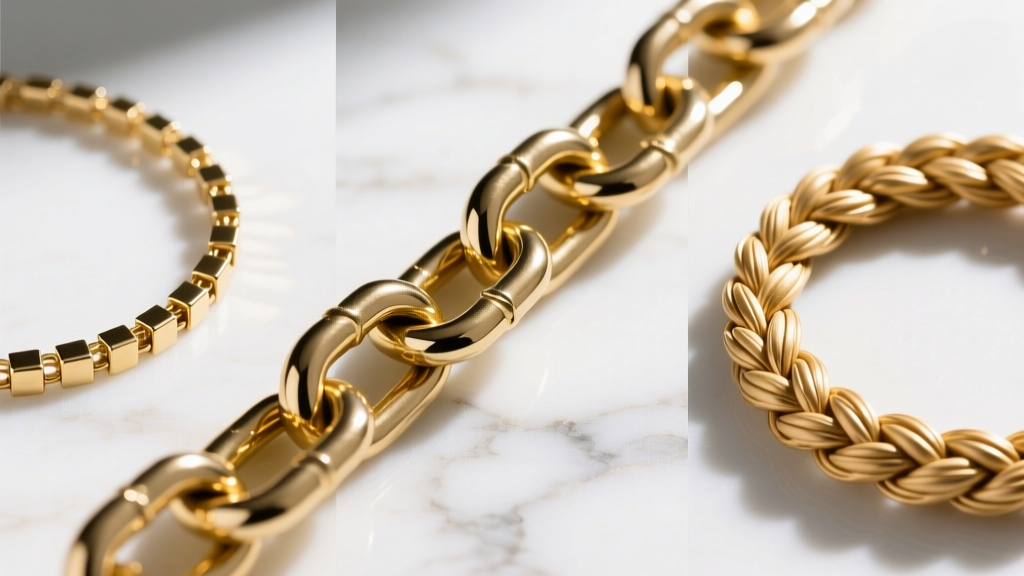
Not all links are created equal. The geometry of the wire dictates how force is distributed across the chain. A chain with interlocking, multi-directional links will absorb shock far better than a chain with rigid, single-plane connections.
| Chain Style | Structural Rating | Primary Failure Mode | Best For |
|---|---|---|---|
| Curb / Cuban | Excellent | Clasp failure (links rarely break) | Heavy pendants, daily wear |
| Rope | Very High | Abrasive wear at pendant bail | Medium to heavy pendants |
| Wheat | High | Catch-and-snag due to texture | Textured aesthetic, light pendants |
| Cable | Medium | Tensile overload on oval links | Lightweight, minimalist pendants |
| Box | Low | Kinking and irreversible stretching | Solo wear, no pendants |
| Snake | Very Low | Snapping if bent past 90 degrees | Fluid drape, strictly solo wear |
If your primary goal is avoiding a snapped necklace chain, Curb and Rope chains should be your default choices. Box and Snake chains, while visually striking, possess rigid structural memories; once kinked, the internal stress guarantees an eventual break.
Metallurgy and Yield Strength: Choosing the Right Alloy
The aesthetic appeal of a metal often inversely correlates with its structural durability. When evaluating chains, you must look at the Vickers Hardness (HV) scale and the yield strength of the specific alloy.
Gold Karats and Alloys
Pure 24k gold is exceptionally soft (approx. 25 HV) and entirely unsuitable for chains. It will stretch and snap under minimal weight. 14k gold (approx. 130-150 HV) is the sweet spot for jewelry engineering. The addition of copper, silver, and zinc creates a crystalline matrix that resists deformation. 18k gold (approx. 110-125 HV) offers richer color but is noticeably more prone to stretching and metal fatigue over time. The Gemological Institute of America (GIA) consistently notes that 14k alloys provide the optimal balance of precious metal content and mechanical resilience for chainmail structures.
Platinum and Titanium
Platinum 950 (alloyed with Ruthenium or Iridium) boasts a unique property: work-hardening. Unlike gold, which loses microscopic layers of metal when scratched, platinum displaces. This makes it incredibly resistant to tensile overload, though it will stretch over decades. Titanium, specifically Grade 5 (Ti-6Al-4V), offers a staggering Vickers Hardness of ~350 HV and immense tensile strength, making it virtually impossible to snap under normal human-wear conditions, though it cannot be resized or easily soldered if damaged.
The Weakest Link: Clasp and Jump Ring Engineering
A chain is only as strong as its weakest unsoldered jump ring.
You can buy the thickest, most robust rope chain on the market, but if it is secured by a flimsy spring ring and an open jump ring, you are inviting a snapped necklace chain.
- Spring Ring Clasps: Avoid these for anything over 5 grams. The internal steel spring is prone to losing tension, and the tiny lever mechanism easily bends, causing the clasp to open spontaneously.
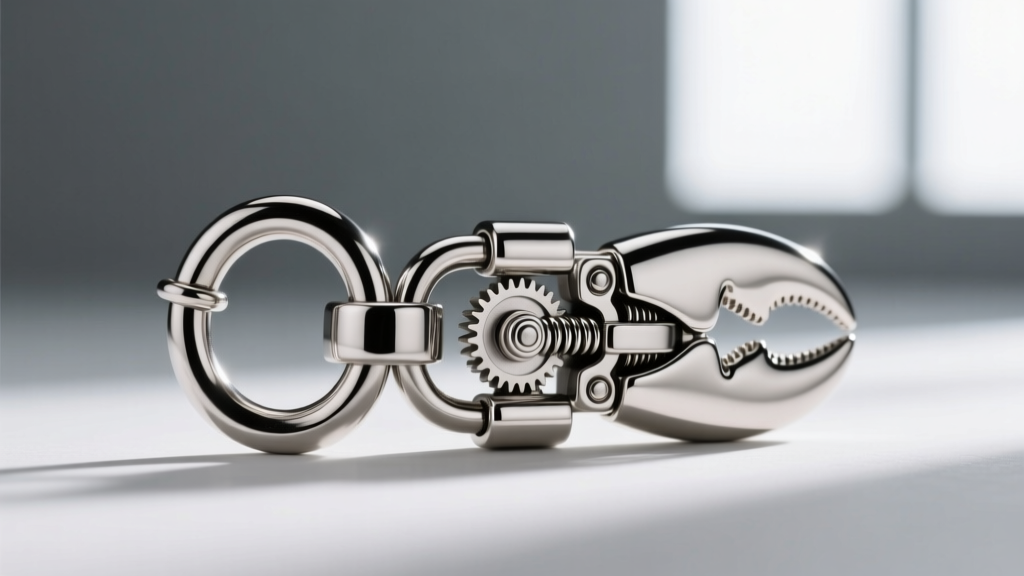
- Lobster Clasps: The industry standard for durability. A well-cast lobster clasp distributes tension evenly across the lever. Ensure the lever is solid, not hollow-stamped.
- Box Clasps with Figure-8 Safeties: The gold standard for heavy chains. The box mechanism locks the tongue in place, while the figure-8 wire acts as a secondary fail-safe in case the primary box mechanism is depressed accidentally.
Crucially, the jump rings connecting the clasp to the chain must be soldered shut. Laser welding or torch soldering fuses the metal, eliminating the microscopic gap that allows open jump rings to pull apart under tensile stress. Hoover & Strong's metallurgical data emphasizes that unsoldered jump rings reduce the overall break-strength of a necklace assembly by up to 60%.
The Pendant-to-Chain Weight Ratio Framework
A common mistake buyers make is pairing a heavy, solid-gold pendant with a delicate, 1.0mm chain. To ensure structural integrity, jewelry engineers utilize the 3-to-1 Rule. The chain's tested tensile break-point should be at least three times the weight of the pendant it supports.
For example, if your pendant weighs 8 grams, the chain must be rated to withstand at least 24 grams (approx. 235 Newtons) of dead-weight force before yielding. In practical gauge terms:
- 0.8mm - 1.2mm Gauge: Suitable for pendants weighing 1 to 4 grams.
- 1.5mm - 2.5mm Gauge: Required for pendants weighing 5 to 15 grams.
- 3.0mm+ Gauge: Necessary for heavy statement pieces, medallions, or gemstone-encrusted pendants exceeding 15 grams.
Always ask the jeweler for the chain's wire thickness in millimeters, not just the visual width, as hollow-forged chains can look thick but possess the structural integrity of foil.
Environmental Degradation and Wear Prevention
Even the most perfectly engineered chain will succumb to a snapped necklace chain scenario if subjected to chemical degradation. Chlorine is the ultimate enemy of gold alloys. Exposure to chlorinated pool water or harsh household cleaners attacks the copper and zinc alloys in 14k and 18k gold, causing a phenomenon known as stress corrosion cracking. This makes the links brittle, meaning a simple tug will shatter the link rather than bend it.
Furthermore, sleeping in your necklace introduces cyclical torsional stress. As you toss and turn, the chain wraps around your neck or catches on bedding, applying slow, sustained pressure that accelerates metal fatigue. Treat your necklace as precision engineering, not an indestructible accessory, and it will securely hold your most cherished pendants for a lifetime.


