A Beginner's Guide to Choosing the Perfect Symbol Necklace
Discover how to choose your first symbol necklace. Learn about metal grades, chain pairings, and the hidden meanings behind popular pendants.

The Emotional Weight of Symbol Necklaces
A symbol necklace is rarely just an accessory; it is a wearable talisman, a conversation starter, and a deeply personal anchor. Whether you are drawn to the protective gaze of an evil eye, the grounding energy of a tree of life, or the directional focus of a compass, choosing your first meaningful pendant requires more than just picking a pretty shape. For beginners, the jewelry market can be a minefield of misleading metal stamps, fragile chains, and poorly proportioned bails. This guide strips away the jargon, providing you with exact material grades, chain thicknesses, and styling frameworks to ensure your new piece lasts a lifetime.
Decoding the Big Five: Meanings Behind Popular Pendants
Before investing in a specific metal, it helps to understand the historical and cultural weight of the most requested symbols in modern jewelry design.
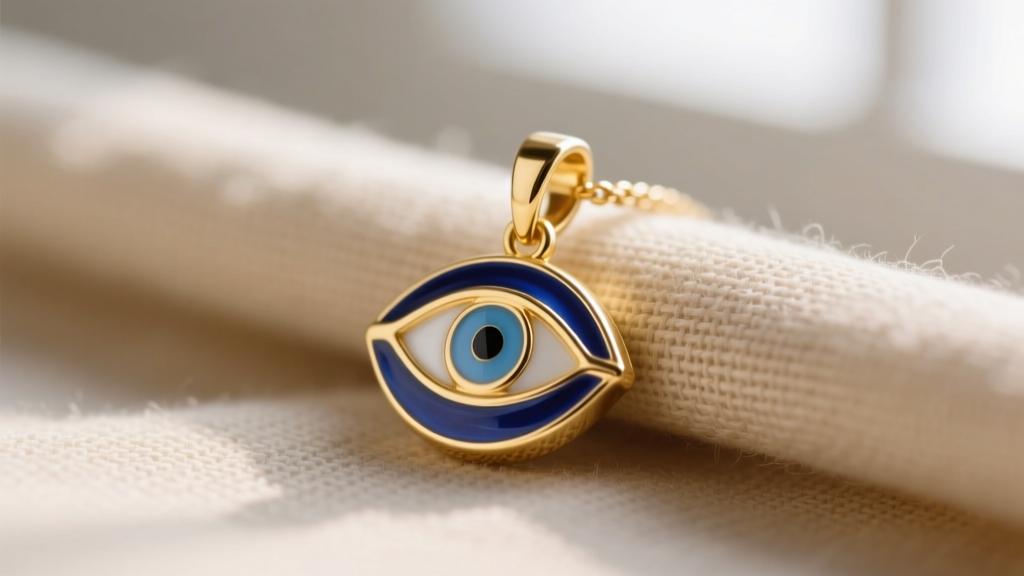
- The Evil Eye (Nazar): Originating from West Asia and the Mediterranean, this eye-shaped amulet is designed to reflect malice and protect the wearer from envy. Look for versions with cobalt blue glass or enamel, as the color blue is historically tied to spiritual protection.
- The Hamsa (Hand of Fatima/Miriam): A palm-shaped charm representing blessings, power, and strength. It is often worn facing down to invite abundance, or facing up to ward off negative energy.
- The Tree of Life: A universal motif found in Celtic, Norse, and Eastern traditions. It represents deep roots, personal growth, and the interconnectedness of all living things. Intricate filigree versions are highly popular but require careful cleaning.
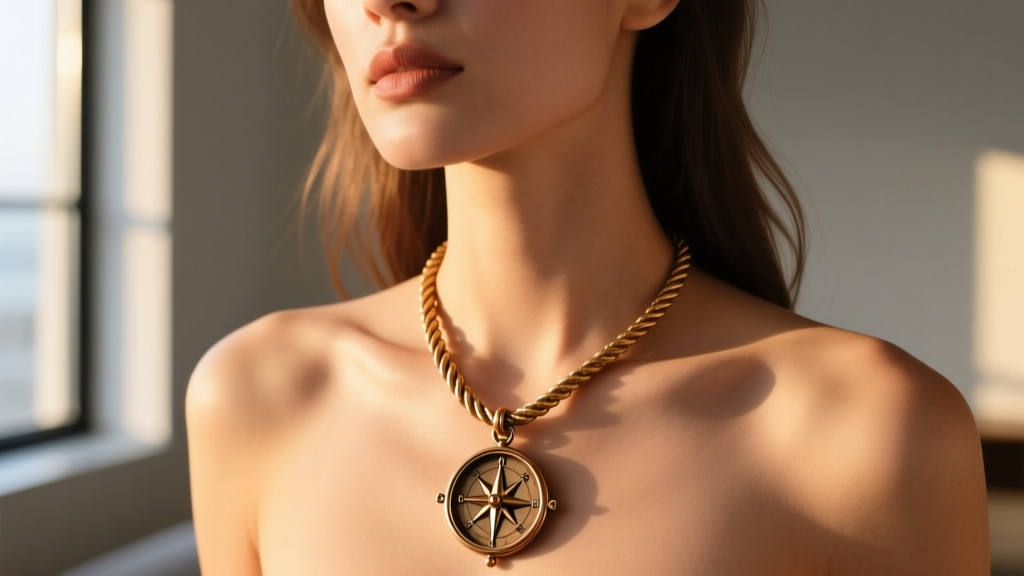
- The Compass: A favorite among travelers and graduates, representing guidance, safety, and finding one's true north. Often features a functional or fixed directional star.
- Zodiac Constellations: Connecting the wearer to their astrological birth chart. These are typically minimalist, featuring tiny diamond or cubic zirconia accents mapped to specific star patterns.
Metal Grades: What to Buy for Sensitive Skin
The most common mistake beginners make is prioritizing the pendant design over the base metal. If you have sensitive skin or want to avoid the dreaded 'green neck' effect, you must understand metal composition. According to the Federal Trade Commission Jewelry Guides, terms like 'gold plated' and 'gold vermeil' have strict legal definitions that directly impact longevity.
| Metal Type | Composition & Standards | Best For | Price Range |
|---|---|---|---|
| Solid 14k Gold | 58.3% pure gold, alloyed with copper/silver/zinc for strength. | Everyday wear, showering, swimming, severe metal allergies. | $250 - $800+ |
| Gold Vermeil | Sterling silver base plated with at least 2.5 microns of 10k+ gold. | Daily wear with proper care; great for sensitive skin. | $80 - $200 |
| Argentium Silver | 93.5% pure silver, alloyed with germanium for extreme tarnish resistance. | Low-maintenance wearers who love bright white metals. | $60 - $150 |
| Surgical Steel | 316L stainless steel; contains trace nickel but is generally hypoallergenic. | Budget-conscious buyers, streetwear styles, heavy pendants. | $20 - $60 |
Expert Tip: Avoid 'gold plated brass' or 'gold filled' if you have severe contact dermatitis. As noted by the Gemological Institute of America (GIA), the alloys used in lower-karat gold and base metals can trigger reactions when the microscopic plating wears away from friction.
Chain Styles That Complement Intricate Pendants
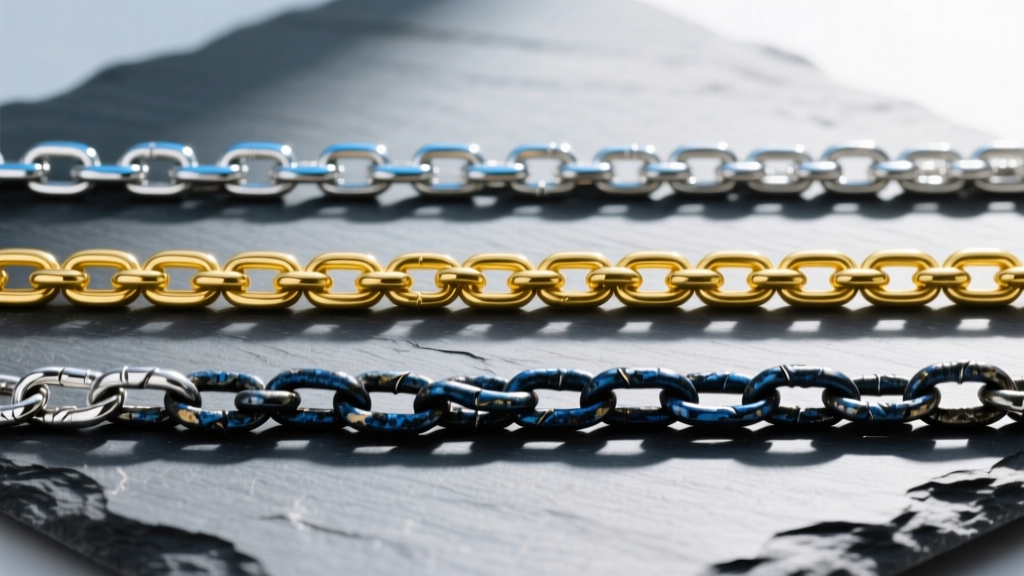
A symbol necklace is only as strong as its weakest link. The chain must support the pendant's weight without overpowering its design. Here is how to match the chain to the charm.
1. The Cable Chain (0.9mm - 1.2mm)
The cable chain is the industry standard for lightweight to medium pendants (under 5 grams). Its simple, uniform oval links keep the focus entirely on the symbol. Ensure the chain has a lobster clasp rather than a spring ring, which is prone to breaking under tension.
2. The Box Chain (1.0mm - 1.5mm)
Composed of square links connected to form a smooth, four-sided tube, box chains are incredibly durable and resist kinking. They are the ideal choice for heavier, solid metal symbols like a thick bronze compass or a solid silver Hamsa. Bail Warning: Box chains are rigid. Ensure the pendant's bail (the loop it hangs from) has an inner diameter of at least 2.5mm, or the chain will not slide through.
3. The Rope Chain (1.5mm - 2.5mm)
Rope chains feature twisted links that mimic the texture of a hemp rope, offering high reflectivity and excellent tensile strength. They are perfect for streetwear aesthetics or wearing a symbol necklace as a standalone statement piece without layering.
Sizing and Proportion: Matching the Drop Length
Where the symbol rests on your chest dictates its visual impact and how it pairs with your wardrobe. Use this framework to select your drop length:
- 16 Inches (Choker/Collarbone): Best for tiny, minimalist zodiac or initial symbols. Pairs beautifully with scoop necks and off-the-shoulder tops.
- 18 Inches (Standard Princess): The universal sweet spot. The pendant will rest just below the collarbone, making it visible above most crewnecks and button-down shirts. Ideal for medium-sized evil eye or tree of life pendants.
- 20 to 24 Inches (Matinee): Reserved for heavy, oversized talismans or religious symbols meant to be worn over clothing, such as thick streetwear pieces or layered bohemian looks.
Care and Maintenance for Longevity
Symbol necklaces often feature intricate crevices (like the branches of a tree of life) or delicate inlays (like the glass center of an evil eye) that trap oils, lotions, and environmental dust.
The Golden Rule of Jewelry Care: Never use ultrasonic cleaners on symbol necklaces featuring enamel, glass, turquoise, or opal inlays. The high-frequency vibrations will shatter the glass or craze the enamel. Instead, use a few drops of mild dish soap, warm water, and a soft-bristled baby toothbrush to gently agitate the dirt out of the crevices. Dry immediately with a microfiber cloth to prevent water spots on the metal.
For un-gemmed, solid metal symbols, the Silver Institute recommends storing sterling silver and argentium pieces in anti-tarnish flannel pouches. If your silver symbol does oxidize and turn black in the recessed areas, do not panic; this 'patina' actually adds depth and contrast to the design, making the raised details pop. Simply use a treated polishing cloth to shine the high points, leaving the dark oxidation in the grooves for a vintage, high-definition finish.
Choosing your first symbol necklace is an exercise in balancing meaning with material science. By prioritizing proper metal grades like vermeil or solid 14k gold, selecting a chain that matches the pendant's bail size, and committing to gentle, targeted cleaning routines, your chosen talisman will remain a vibrant, protective staple in your wardrobe for decades to come.


