Byzantine Necklace Gold: The Beginner's Buying & Style Guide
Discover everything about buying a byzantine necklace gold chain. Learn about karats, weave density, width sizing, and styling tips for beginners.

The Anatomy of the Byzantine Weave
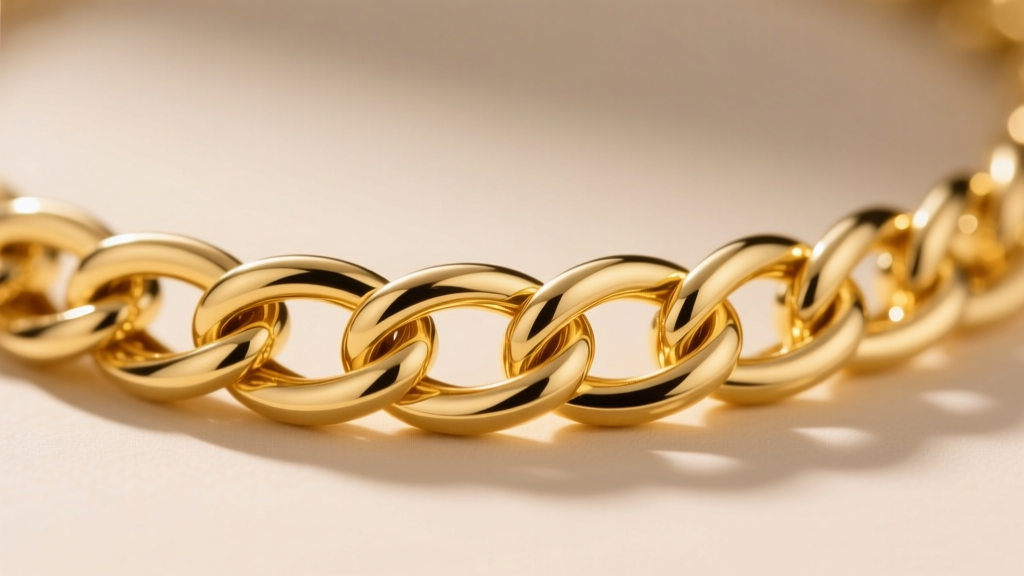
When you begin exploring fine jewelry, few pieces command attention quite like a byzantine necklace gold chain. Unlike standard cable or curb chains that rely on simple, single-link connections, the Byzantine weave (historically referred to as the Birdcage or King's Braid) is a masterpiece of metallurgical geometry. It utilizes a complex 4-in-1 or 6-in-1 link ratio, meaning every individual oval link passes through four or six other links before being soldered shut. This creates a dense, rope-like, three-dimensional texture that is remarkably flexible and highly resistant to kinking.
For beginners, understanding this structural density is crucial. Because the links are tightly interwoven, the chain lays flat against the collarbone and moves with a fluid, almost liquid-like drape. However, this intricate architecture also means that dirt, oils, and lotions can easily become trapped deep within the inner links, a factor we will address in the maintenance section below.
Decoding Gold Karats for Heavy Weaves
Not all gold is created equal, especially when subjected to the mechanical stress of a heavy, interlocking weave. According to the Gemological Institute of America (GIA), the karat system dictates the ratio of pure gold to alloy metals like copper, silver, and zinc. Choosing the right karat for a Byzantine chain is a balancing act between color richness and structural integrity.
| Gold Karat | Purity | Durability for Byzantine Weave | Best Use Case |
|---|---|---|---|
| 10k Gold | 41.7% | Extremely High (Stiff, prone to dullness) | Budget-friendly, high-abrasion daily wear |
| 14k Gold | 58.3% | Optimal (Perfect balance of tensile strength) | Everyday statement pieces, heavy pendants |
| 18k Gold | 75.0% | Moderate (Softer, links can stretch over time) | Luxury wear, lighter widths (under 5mm) |
| 22k Gold | 91.6% | Low (Highly malleable, high risk of link pull) | Investment pieces, cultural/ceremonial wear |
For a beginner purchasing their first substantial piece, 14k gold is the undisputed champion. The alloy mixture provides enough tensile strength to ensure the complex Byzantine links do not pull apart under the chain's own weight, while still offering a rich, warm yellow hue.
Width, Weight, and Length: Getting the Sizing Right
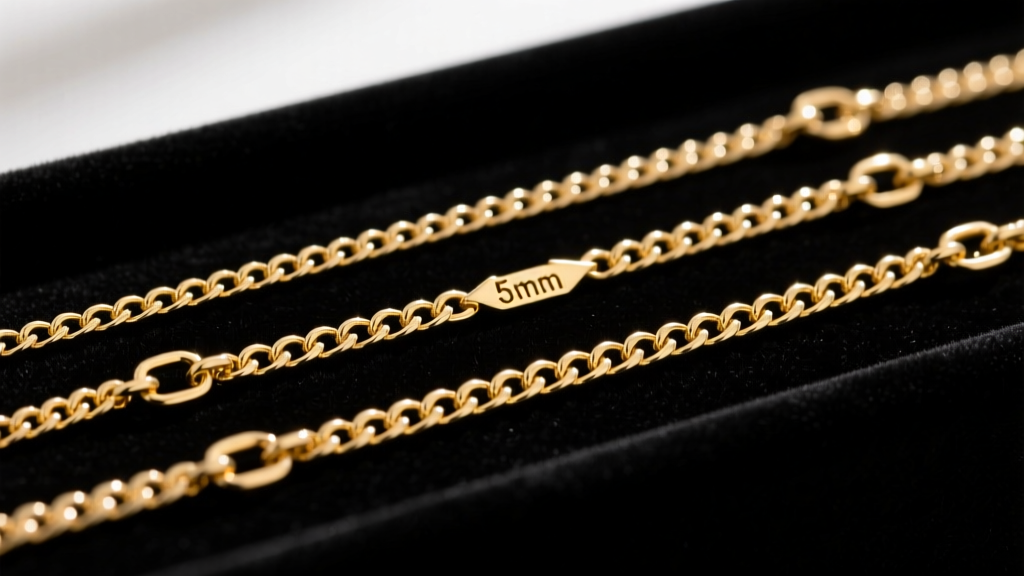
One of the most common mistakes beginners make is buying a chain based solely on visual width without considering the gram weight. Because the Byzantine weave is inherently dense, a 5mm Byzantine chain will weigh significantly more than a 5mm Cuban link or Figaro chain. Here is a practical decision framework for sizing:
The 3mm to 4mm Range (15g - 30g)
This is the sweet spot for layering or wearing with a small to medium pendant. It offers a subtle, sophisticated glimpse of the weave without overwhelming the neckline. It is ideal for both men and women seeking an understated, professional look.
The 5mm to 6mm Range (40g - 80g)
This is the classic "statement" width. At this size, the 3D texture of the Byzantine weave becomes highly pronounced. It is heavy enough to be worn alone as a standalone piece but can still support a moderately heavy medallion or cross pendant.
The 7mm and Above Range (100g+)
Reserved for bold streetwear and high-impact fashion. Chains in this category are incredibly heavy and stiff. They should never be worn with pendants, as the sheer weight of the chain will overshadow any attachment, and the combined stress can compromise the clasp hardware.
The Great Debate: Solid vs. Hollow Electroformed Chains
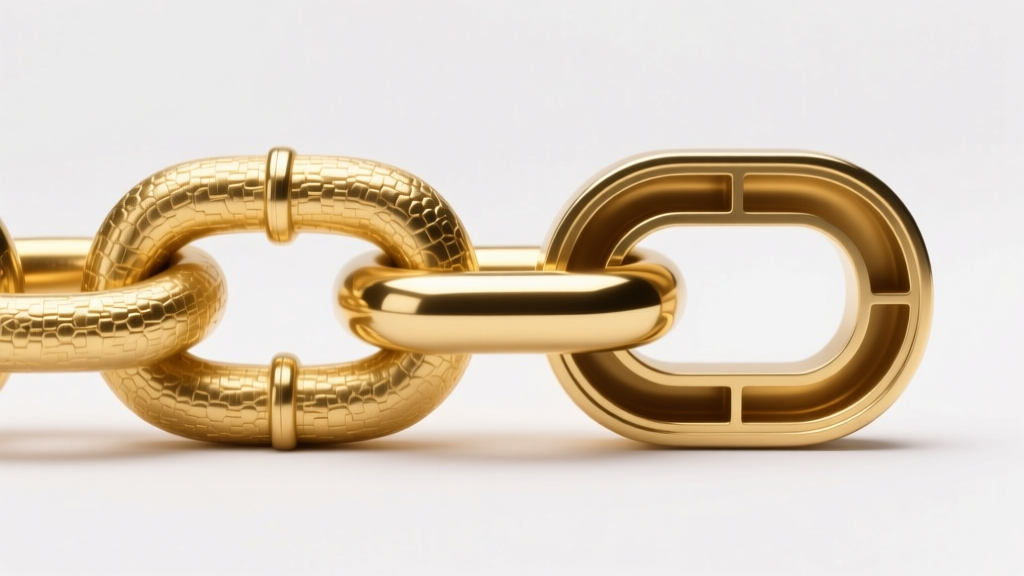
As you shop for a byzantine necklace gold chain, you will inevitably encounter "hollow" or "electroformed" options. These chains are manufactured using a wax-resin core that is dissolved after the gold is electroplated over it, resulting in a massive chain (e.g., 10mm wide) that weighs a fraction of its solid counterpart.
Expert Verdict: Avoid hollow Byzantine chains at all costs. The intricate 4-in-1 weave relies on the structural rigidity of solid wire. Hollow links are incredibly fragile; a simple snag on a sweater or a firm tug can crush the links inward. Once a hollow Byzantine link is crushed or dented, it is virtually impossible for a jeweler to solder or repair, rendering the chain worthless. Always verify that the product description explicitly states "solid links" or "semi-solid" at the absolute minimum.
Clasp Hardware: The Weakest Link
A heavy gold chain is only as secure as its clasp. The standard spring-ring clasp found on lightweight jewelry will absolutely fail under the dynamic weight of a 50-gram Byzantine chain. When evaluating your purchase, look for these heavy-duty alternatives:
- Box Clasp with Figure-8 Safety: The gold standard for heavy chains. The tongue clicks securely into a boxed housing, and a secondary wire "figure-8" latch provides a backup if the primary mechanism fails.
- Oversized Lobster Clasp (12mm+): A thick, solid-cast lobster clasp is excellent for chains in the 30g to 60g range. Ensure the internal spring mechanism is tight and the lever requires deliberate force to open.
- Hidden Tongue Clasps: Often used in high-end Italian manufacturing, these clasps seamlessly integrate into the final link of the chain, maintaining the unbroken visual flow of the Byzantine weave.
Global Manufacturing Hubs: Italian vs. Turkish Craftsmanship
The origin of your chain drastically affects its finish and feel. Italy (specifically the Vicenza region) is renowned for producing Byzantine chains with "diamond-cut" facets. Jewelers use specialized lathes to slice microscopic angles into the links, creating a sparkling, high-reflection surface that mimics the look of gemstones. Conversely, Turkish manufacturers are famous for producing high-karat (21k and 22k) Byzantine chains with a smooth, high-polish finish. Turkish chains tend to be heavier, softer, and carry a deeper, more traditional yellow-gold luster preferred in Middle Eastern and South Asian markets.
Maintenance and Cleaning Protocols
Because of the dense, interlocking nature of the Byzantine weave, it acts as a magnet for sebum, dead skin cells, and soap scum. According to Jewelers of America, improper cleaning can permanently damage gold alloys. Follow this strict maintenance protocol:
- The Soak: Mix warm water with a few drops of ammonia-free dish soap (like Dawn). Submerge the chain for 15 minutes to loosen deep-set grime.
- The Agitation: Use an extra-soft baby toothbrush to gently sweep along the grain of the weave. Never scrub against the grain, as this can bend the delicate inner links.
- The Rinse & Dry: Rinse thoroughly under lukewarm water. Lay the chain flat on a microfiber cloth and use a hair dryer on the "cool" setting to blow water out of the hidden crevices. Air-drying a Byzantine chain often leaves hard water spots deep inside the weave.
Warning: Never place a Byzantine chain in an ultrasonic cleaner. The high-frequency vibrations can cause the soldered joints of the intricate links to fracture or snap entirely.
Final Thoughts for the First-Time Buyer
Investing in a byzantine necklace gold chain is a commitment to a timeless, structurally fascinating piece of jewelry. By prioritizing 14k solid gold, selecting a width that matches your lifestyle, and demanding robust clasp hardware, you will secure a piece that not only elevates your personal style but stands up to the rigors of daily wear. Take your time, verify the gram weight, and appreciate the centuries-old engineering woven into every single link.


