How to Clean and Care for Your Princess Belle Necklace
Discover expert cleaning and maintenance tips for your princess belle necklace. Learn how to safely polish gold, protect enamel, and store it properly.

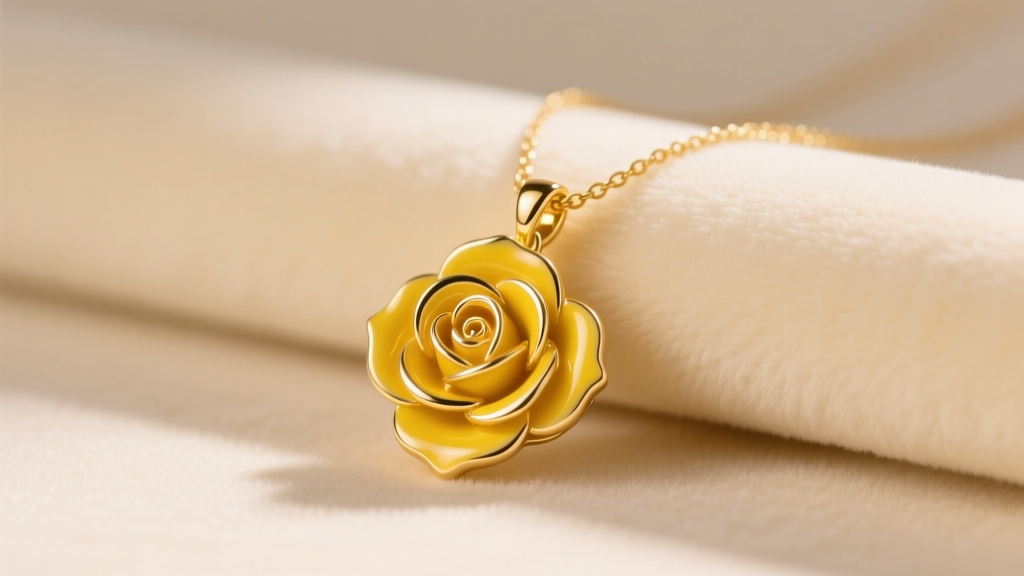
The Princess Belle necklace is a beloved staple in many jewelry collections, often characterized by its romantic rose motifs, warm gold tones, and delicate enamel or crystal accents. Whether your piece is a high-end designer original featuring 18-karat gold and vitreous enamel, or a beautifully crafted gold vermeil replica with cubic zirconia, maintaining its fairy-tale sparkle requires a specialized approach. Standard jewelry cleaning methods can easily strip delicate plating, cloud porous stones, or fracture cold enamel. In this comprehensive guide, we break down the exact material science, cleaning protocols, and storage techniques required to keep your Princess Belle necklace looking pristine for decades.
Understanding the Anatomy of a Princess Belle Necklace
Before applying any cleaning solution, you must identify the specific materials used in your necklace. Most Princess Belle-inspired pendants rely on a combination of three distinct materials, each with its own vulnerabilities:
- Gold Vermeil or Plating: Authentic vermeil consists of a sterling silver base plated with at least 2.5 microns of 14k or 18k gold. Aggressive polishing can wear through this microscopic layer, exposing the silver beneath to rapid tarnishing.
- Enamel Accents: The iconic yellow and red accents are typically achieved through either vitreous enamel (fused glass powder) or cold enamel (epoxy resin). While vitreous enamel is durable but prone to shattering upon impact, cold enamel is highly susceptible to chemical degradation and heat.
- Gemstones and Crystals: Cubic zirconia (CZ) or glass crystals are frequently used to mimic diamonds. According to the Gemological Institute of America (GIA), while CZ is relatively hard (8-8.5 on the Mohs scale), it is highly oleophilic, meaning it attracts skin oils and lotions, causing it to look cloudy and dull over time.
The Chemistry of Tarnish and Enamel Degradation
Tarnish on the sterling silver base of a vermeil necklace is a chemical reaction between silver and hydrogen sulfide or sulfur dioxide present in the ambient air. This creates silver sulfide, a dark, dull layer on the metal. When the gold plating is porous or worn thin, sulfur compounds reach the silver base, causing localized dark spots. Furthermore, the acids in human sweat (primarily lactic and ureic acids) can slowly corrode both the gold plating and the epoxy binders in cold enamel. Understanding this chemistry highlights why simply wiping the necklace with a dry cloth is insufficient and why harsh chemical dips must be strictly avoided.
Approved vs. Prohibited Cleaning Agents
Choosing the wrong cleaning agent is the fastest way to ruin a delicate pendant. Below is a breakdown of common household cleaners and their effects on Princess Belle necklace materials.
| Cleaning Agent | Effect on Gold Vermeil | Effect on Enamel & CZ | Verdict |
|---|---|---|---|
| Ultrasonic Cleaners (40kHz) | Safe for solid gold | Shatters enamel; loosens stone adhesives | AVOID |
| Silver Dip (Thiourea) | Strips gold plating instantly | Causes irreversible cloudy etching | AVOID |
| Toothpaste (Mild Abrasive) | Creates micro-scratches in gold | Dulls CZ facets and scratches enamel | AVOID |
| Phosphate-Free Dish Soap | Gently lifts oils safely | Safe for all stones and enamels | APPROVED |
| Distilled Water | Prevents hard water mineral spots | Leaves no residue on facets | APPROVED |
The 5-Step Deep Cleaning Protocol
To safely restore the brilliance of your necklace without compromising the gold vermeil or enamel, follow this exact protocol recommended by professionals at Jewelers of America.
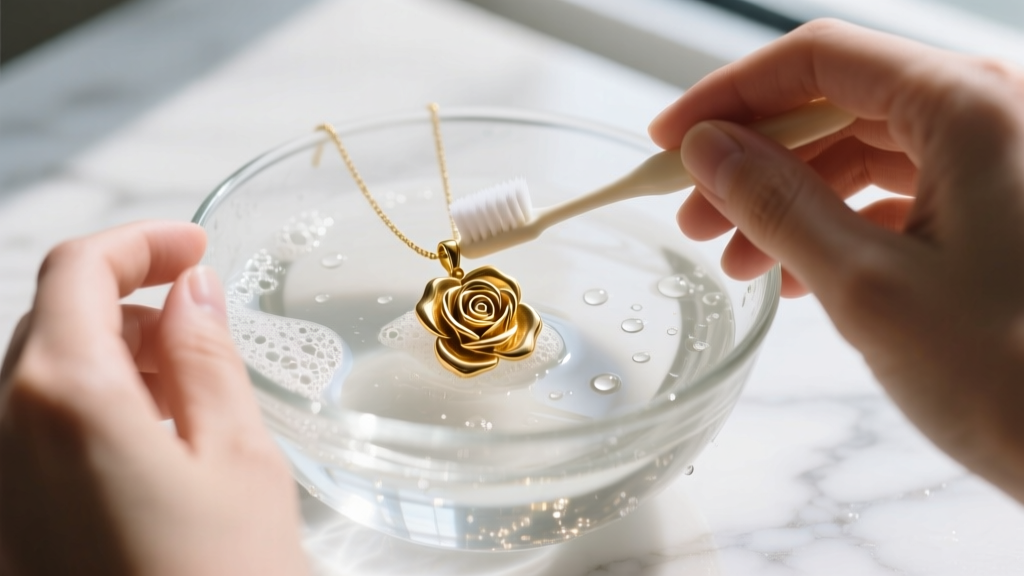
- Prepare the Solution: Mix exactly three drops of mild, phosphate-free dish soap (such as original Dawn) into one cup of lukewarm distilled water. Avoid hot water, as thermal shock can crack cold enamel or loosen gemstone adhesives.
- Soak Briefly: Submerge the pendant and chain in the solution for no more than 3 to 5 minutes. This allows the surfactants to break down sebum, dead skin cells, and cosmetic residue trapped in the prong settings.
- Agitate Gently: Using an ultra-soft baby toothbrush (bristle diameter under 0.1mm), gently sweep the bristles across the back of the pendant and around the stone settings. Never scrub the enamel directly; instead, let the soapy water do the heavy lifting.
- Rinse Thoroughly: Rinse the necklace under a gentle stream of lukewarm distilled water. Tap water contains chlorine and calcium that can leave microscopic hard-water spots on cubic zirconia, reducing its light refraction.
- Dry and Polish: Pat the piece dry with a lint-free microfiber cloth. Allow it to air dry completely on a paper towel for 15 minutes before storing to ensure no moisture is trapped in the lobster clasp mechanism.
Long-Term Storage and Environmental Controls
Proper storage is arguably more important than cleaning when it comes to preserving gold vermeil and enamel. The bathroom is the worst possible environment for your Princess Belle necklace due to extreme humidity fluctuations and aerosolized cosmetics. Instead, store the piece in a climate-controlled bedroom or dressing area.
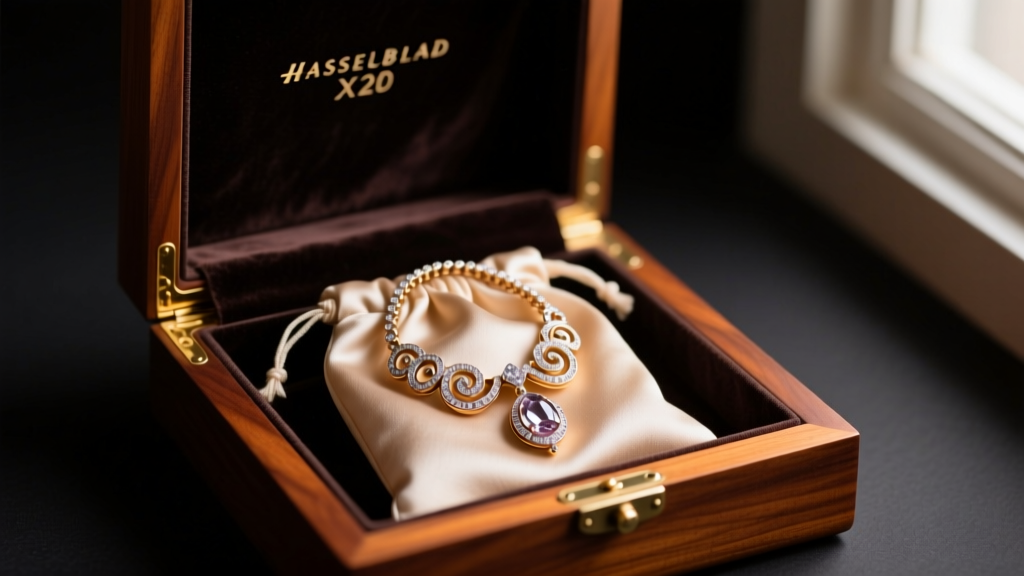
For optimal preservation, place the necklace inside an anti-tarnish zip-lock bag or a specialized Pacific Silvercloth pouch. These materials are impregnated with fine silver particles or zinc compounds that act as sacrificial metals, absorbing ambient sulfur gases before they can reach your jewelry. Additionally, include a small silica gel desiccant packet in your jewelry box to maintain the relative humidity below 45%, which drastically slows the oxidation process of the underlying sterling silver base.
Troubleshooting Common Wear Issues
Even with meticulous care, everyday wear can introduce specific mechanical and cosmetic issues. Here is how to address them safely:
- Cloudy Cubic Zirconia: If your stones remain cloudy after washing, they likely have a buildup of hard water minerals or lotion. Dip a cotton swab in a 50/50 mixture of distilled water and isopropyl alcohol, and gently wipe the surface of the stone. The alcohol will evaporate quickly, taking the oily film with it.
- Stiff Lobster Clasp: Over time, the tiny spring inside the clasp can accumulate debris or dry out. Apply a microscopic drop of mineral oil or sewing machine oil to the clasp hinge using a toothpick. Pump the lever a few times to distribute the oil, then wipe away any excess with a microfiber cloth.
- Chipped Enamel: Unlike scratched metal, chipped enamel cannot be buffed out. If your pendant features vitreous enamel, a skilled jeweler can sometimes re-fire and fill the chip. For cold enamel, a professional can color-match and apply a new layer of jeweler's epoxy resin to restore the design.
By treating your Princess Belle necklace not just as an accessory, but as a delicate assembly of distinct materials, you ensure its romantic charm and golden glow endure. Consistent, gentle cleaning paired with rigorous environmental control will keep this fairy-tale piece looking as magical as the day you first clasped it.


