A Step-by-Step Guide to Styling Origami Owl Necklaces
Learn how to design, assemble, and layer Origami Owl necklaces. This step-by-step guide covers locket sizing, charm curation, and chain layering.

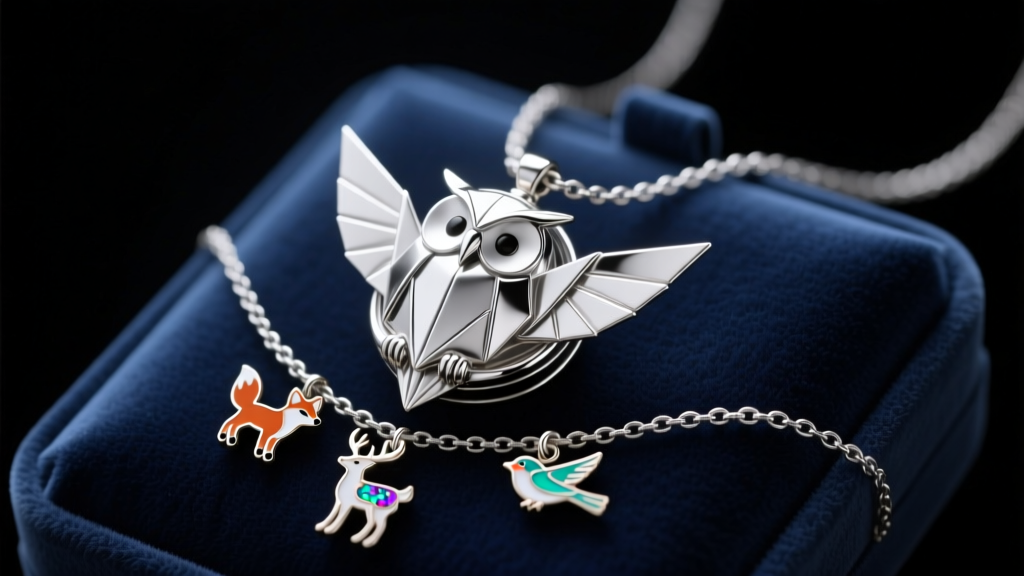
Introduction to Customizable Locket Styling
Origami Owl necklaces have redefined the customizable jewelry market by combining sentimental storytelling with modular design. Unlike traditional pendants, these living lockets allow wearers to curate a deeply personal narrative using interchangeable charms, varying chain styles, and distinct metal finishes. However, designing a locket that looks cohesive rather than cluttered requires an understanding of proportion, material science, and layering mechanics. Whether you are working with surgical-grade stainless steel or 18k gold-plated brass, this comprehensive guide will walk you through the exact steps to design, assemble, and layer your Origami Owl necklaces like a professional stylist.
Step 1: Selecting Your Locket Base and Chain
The foundation of any great locket necklace is the base hardware. According to the official Origami Owl material specifications, their lockets are primarily crafted from 316L surgical-grade stainless steel. This specific alloy is chosen for its high resistance to tarnish, hypoallergenic properties, and nickel-free compliance. For gold-toned pieces, the brand utilizes PVD (Physical Vapor Deposition) coating, which bonds the gold color to the steel at a molecular level, offering vastly superior durability compared to traditional electroplating.
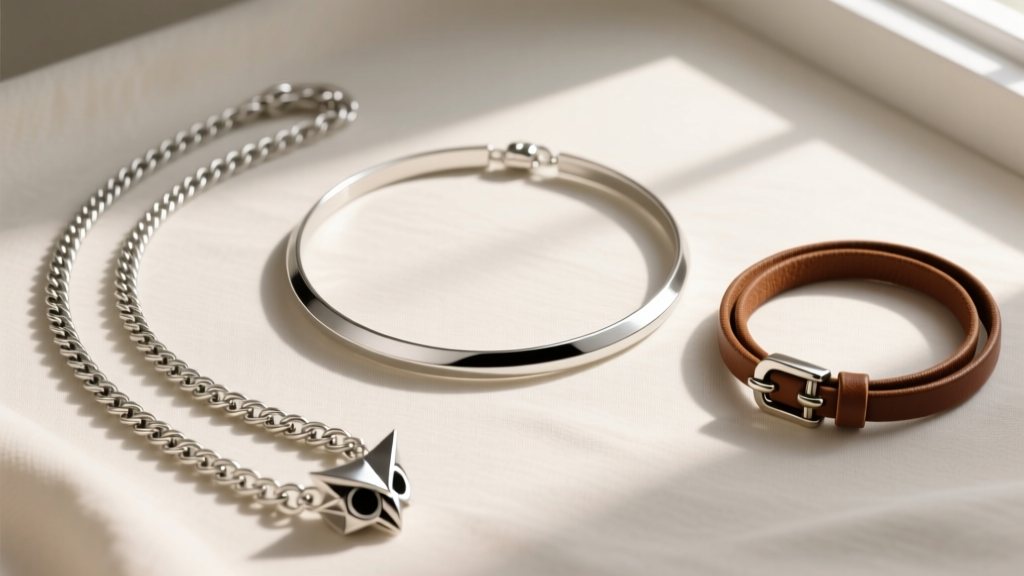
Understanding Locket Dimensions and Capacity
Choosing the right size is critical for charm placement. A locket that is too small will cause charms to overlap and scratch the glass, while one that is too large may look disproportionate on a delicate chain. Below is a technical comparison of the standard sizes:
| Locket Size | Diameter | Maximum Charm Capacity | Best Chain Gauge |
|---|---|---|---|
| Medium (Glass) | 28mm | 3 to 5 small charms | 1.2mm Cable Chain |
| Large (Glass) | 34mm | 5 to 8 mixed charms | 1.5mm Cable Chain |
| Large (Crystal Face) | 34mm | 5 to 8 mixed charms | 1.5mm Box Chain |
Pro Tip: Always opt for the twist-lock mechanism lockets equipped with a silicone O-ring gasket. This tiny rubber seal creates friction against the glass face, preventing the locket from accidentally twisting open and spilling your curated charms onto the floor.
Step 2: Curating and Placing Your Charms
The charms inside an Origami Owl locket are typically made from lead-free pewter and finished with hand-painted enamel or cubic zirconia accents. Because these charms range from 3mm to 8mm in diameter, strategic placement is essential to avoid a chaotic appearance.
The Rule of Odds and Focal Points
When designing the interior of your locket, apply the "Rule of Odds." The human eye finds odd numbers (3, 5, or 7) more visually appealing and natural than even numbers.
- Establish a Focal Point: Place your largest, most meaningful charm (e.g., a 7mm initial or a detailed animal silhouette) slightly off-center, around the 4 o'clock or 8 o'clock position.
- Balance with Accents: Surround the focal charm with smaller 3mm to 4mm accent pieces, such as tiny birthstones, stars, or infinity symbols.
- Leave Negative Space: Never fill the locket to maximum capacity. Leaving 30% of the glass face empty allows light to pass through and gives the eye a place to rest, highlighting the details of the enamel work.
"When working with enameled pewter charms, avoid dropping them directly onto hard surfaces. While the pewter base is durable, the baked enamel can chip upon high-impact contact, compromising the charm's aesthetic integrity."
Step 3: Mastering the Layering Technique
A single Origami Owl locket on a 24-inch chain is a beautiful statement piece, but integrating it into a layered necklace stack elevates it to high fashion. The key to successful layering is varying the lengths and textures to prevent the chains from tangling and to create a cascading visual effect.

The 4-Inch and 8-Inch Gap Formulas
Tangling occurs when necklace lengths are too similar, causing the clasps and pendants to catch on one another's links. Use these precise mathematical gaps for your stacks:
- The Tight Cascade (4-inch gaps): Pair an 18-inch choker, a 22-inch medium locket, and a 26-inch small pendant. This works best with V-necklines and creates a dense, bohemian aesthetic.
- The Dramatic Stack (8-inch gaps): Pair a 16-inch collar chain, a 24-inch adjustable Origami Owl large locket, and a 32-inch long lariat or tassel. This elongates the torso and is ideal for crew necks or high-collared blouses.
Texture Mixing: If your Origami Owl locket is on a standard 1.5mm cable chain, ensure your accompanying layers feature different link patterns. Mix in a 1.2mm rope chain or a 2.0mm herringbone snake chain. The contrasting light reflection off the different metal weaves adds depth to the overall stack.
Step 4: Maintenance and Daily Care
To ensure your customizable necklace retains its brilliance, proper maintenance is non-negotiable. The Jewelers of America recommends specific care routines for mixed-material jewelry, especially pieces combining stainless steel, glass, and enameled pewter.
Cleaning the Glass and Metal
Over time, skin oils and cosmetic residues will cloud the glass face of your locket and dull the stainless steel bail.
- Daily Wipe: Use a dry, lint-free microfiber cloth to gently wipe the glass face after each wear. This removes acidic skin oils that can slowly degrade the silicone O-ring seal.
- Deep Clean: Once a month, mix a few drops of mild, phosphate-free dish soap with lukewarm water. Dip a soft-bristled baby toothbrush into the solution and gently scrub the metal bail and chain links.
- Drying: Pat dry immediately with a microfiber towel. Never let water air-dry on the glass, as it will leave hard water spots that are difficult to buff out without specialized glass polish.
Protecting the PVD Gold Plating
If you own the 18k gold PVD-coated lockets, you must protect them from harsh chemicals. Chlorine in swimming pools, sulfates in shampoos, and the alcohol in perfumes can cause microscopic pitting in the PVD layer over time. Always apply your perfumes, hairsprays, and lotions at least 10 minutes before putting on your necklace. When exercising, remove the necklace entirely; the high salinity of sweat can accelerate the breakdown of the gold finish and cause the underlying steel to lose its luster.
Final Thoughts on Locket Styling
Designing and styling Origami Owl necklaces is an exercise in personal expression and structural balance. By understanding the exact dimensions of your locket base, applying the rule of odds to your charm curation, utilizing mathematical gaps for tangling-free layering, and adhering to strict material care protocols, you can ensure your customizable jewelry remains a stunning, sentimental staple in your wardrobe for years to come. Remember that the best jewelry tells a story—make sure yours is crafted with both heart and precision.


