Princess Diana Pearl Necklace: Gem & Material Guide
Explore the material properties of the iconic Princess Diana pearl necklace, from Ceylon sapphires to nacre grading and silk threading techniques.

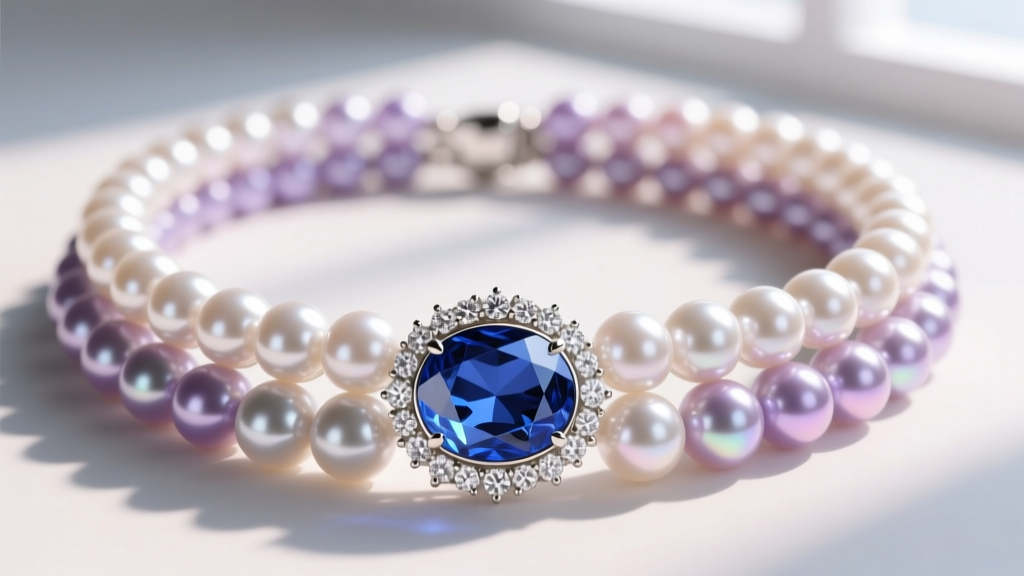
The Princess Diana pearl necklace—specifically the iconic 7-strand choker anchored by a massive sapphire and diamond clasp—remains a benchmark in royal jewelry history. Originally, the centerpiece was a sapphire and diamond bracelet gifted to Diana by the Queen Mother. In a brilliant display of bespoke jewelry engineering, Diana later had it converted into a clasp for a multi-strand pearl choker. Beyond its royal provenance and emotional resonance, this piece is a masterclass in material science, gemological synergy, and structural design. In this comprehensive guide, we deconstruct the exact material properties that make this necklace an enduring icon, and explore how modern jewelers source these components in 2026.
The Anatomy of the 7-Strand Pearl Choker
Multi-strand pearl necklaces require an extraordinary volume of matched gemological material. The Princess Diana pearl necklace featured seven distinct strands of cultured saltwater pearls, typically ranging between 8.0mm and 10.0mm in diameter. To create a cohesive piece, jewelers must sort through tens of thousands of pearls to match not only the diameter but also the luster, surface quality, and overtone.
According to the Gemological Institute of America (GIA), saltwater cultured pearls are valued primarily on their nacre quality. The pearls used in royal-grade chokers exhibit a mirror-like luster, a result of highly compacted aragonite platelets. In 2026, with advanced optical coherence tomography (OCT) used in pearl grading, we know that high-end Akoya or South Sea pearls boast a nacre thickness exceeding 0.8mm to 1.2mm, ensuring deep light refraction rather than superficial surface reflection.
Aragonite vs. Conchiolin: The Micro-Structure
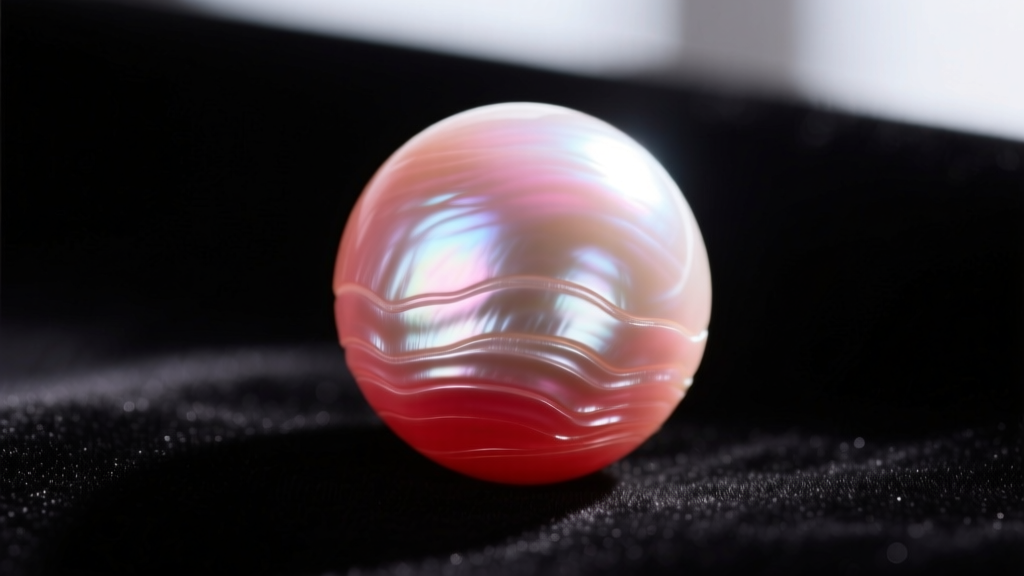
The luster of the pearls in Diana's choker is dictated by the ratio of aragonite (a crystalline form of calcium carbonate) to conchiolin (an organic protein binder). Premium saltwater pearls contain roughly 92% aragonite and 4% conchiolin, with the remainder being water. The conchiolin layers act as a microscopic mortar between the aragonite tiles. When these layers are exceptionally thin and uniform, light penetrates the surface, reflects off the inner layers, and returns to the eye as a deep, glowing luster with a subtle rose or silver overtone.
The Centerpiece: Ceylon Sapphire Properties
The clasp of the Princess Diana pearl necklace is dominated by a large, oval-cut blue sapphire. Historically, royal sapphires of this caliber were sourced from Sri Lanka (formerly Ceylon). Ceylon sapphires are renowned for their 'cornflower blue' hue, which is lighter and more brilliant than the inky, dark blues of Australian or basaltic sapphires.
Sapphires are a variety of the mineral corundum (aluminum oxide), scoring a 9 on the Mohs hardness scale, making them exceptionally durable for daily wear in high-tension clasp mechanisms. The blue coloration is caused by trace amounts of iron and titanium within the crystal lattice. When light interacts with these trace elements, intervalence charge transfer occurs, absorbing red and yellow wavelengths and transmitting blue.
2026 Market Comparison: Natural vs. Lab-Grown Sapphires
For collectors and jewelers looking to replicate the Princess Diana pearl necklace today, the sapphire market offers distinct material pathways. Below is a comparison of the material properties and current market realities.
| Material Type | Gemological Properties | 2026 Market Price (15ct Oval) | Best Application |
|---|---|---|---|
| Unheated Natural Ceylon | Mohs 9; SG 4.00; Strong pleochroism; Silk inclusions | $150,000 - $250,000+ | Museum-grade replicas & investment |
| Heated Natural Ceylon | Mohs 9; SG 4.00; Improved clarity/color via thermal treatment | $40,000 - $80,000 | High-end bespoke commissions |
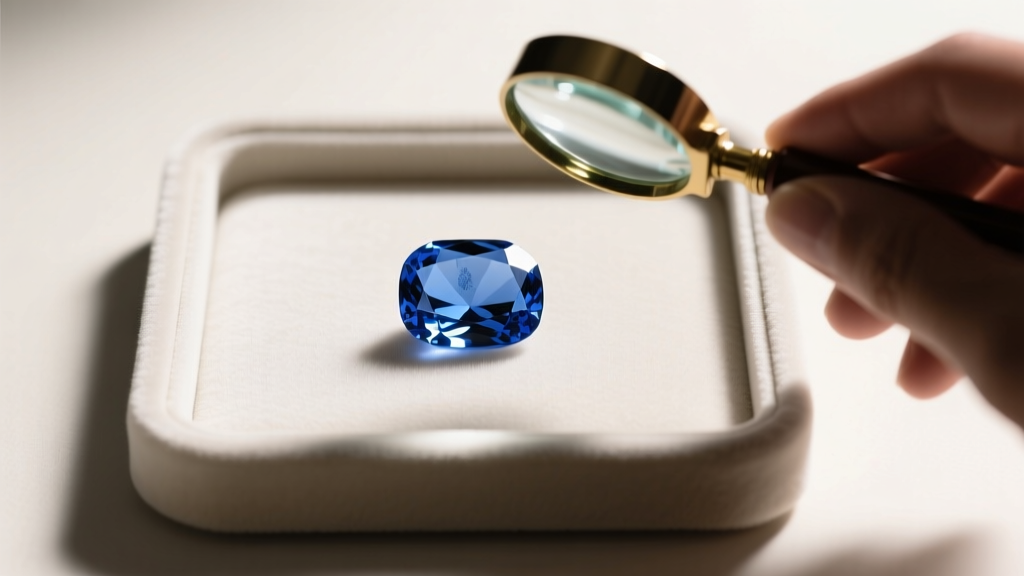
| Flame Fusion Lab-Grown | Mohs 9; SG 4.00; Curved striae visible under magnification | $500 - $1,200 | Accessible heritage-style replicas |
| Blue Spinel (Alternative) | Mohs 8; SG 3.60; Isotropic (no pleochroism); Cobalt trace | $10,000 - $30,000 | Natural alternative with high brilliance |
Diamond Melee and Precious Metal Settings
Surrounding the central sapphire is a halo of brilliant-cut diamond melee. In royal jewelry of the 1980s, these diamonds were typically natural, earth-mined stones ranging from 0.01 to 0.05 carats each, graded in the G-H color range and VS clarity. Because melee diamonds are too small to be individually certified by labs like the GIA, their material quality relies heavily on the sourcing integrity of the jeweler.
The setting itself requires a metal that can withstand the sheer weight of seven pearl strands while maintaining a secure grip on the sapphire. While 18k white gold is common in modern jewelry, historical royal pieces frequently utilized platinum (Pt950). Platinum's density (21.45 g/cm³) and tensile strength make it ideal for the prongs securing a heavy center stone. Furthermore, unlike white gold, which requires periodic rhodium plating to maintain its bright white luster, platinum develops a natural patina and does not lose metal mass when scratched, ensuring the clasp's structural integrity over decades of wear.
Structural Integrity: Silk Threading and Knotting
The most overlooked material in the Princess Diana pearl necklace is the thread holding it together. Pearls are relatively soft (Mohs 2.5 to 4.5) and possess a specific gravity of roughly 2.7. When strung together, they must be protected from rubbing against one another, which would degrade their nacre over time.
"The hallmark of a master pearl stringer is not just the knot, but the tension. A 7-strand choker bears immense lateral force at the clasp junction, requiring specialized French wire and synthetic-blended silk to prevent catastrophic failure." — Master Jeweler's Guild Notes, 2025
Historically, pure Japanese silk thread (Size F or G) was the standard. However, pure silk is susceptible to stretching when exposed to moisture and the natural oils of the skin. In 2026, high-end replication of multi-strand chokers often utilizes a composite thread—a silk core wrapped in microscopic nylon or polyester filaments. This provides the traditional matte finish and knot-holding friction of silk, combined with the zero-stretch tensile strength of modern polymers.
The Clasp Junction: French Wire and Grommets
Where the seven strands converge into the sapphire clasp, the pearls are protected by 'French wire' (a microscopic coiled spring of fine silver or gold). This prevents the thread from fraying against the sharp inner edges of the metal clasp loop. Additionally, the jump rings connecting the strands to the clasp must be soldered shut; open jump rings would inevitably pull apart under the dynamic weight of a 7-strand pearl arrangement.
Sourcing a Replica in 2026: Material Cost Breakdown
For collectors looking to commission a material-accurate replica of the Princess Diana pearl necklace today, the costs are driven primarily by the volume of matched saltwater pearls and the origin of the sapphire. According to data tracked by the Royal Collection Trust and modern gemological markets, here is a realistic material breakdown for a bespoke 2026 commission:
- Pearls (7 strands, 60+ pearls total, 8-9mm Hanadama Akoya): $8,000 - $14,000. Matching this many pearls for a choker requires sourcing from elite Japanese cooperatives.
- Center Sapphire (12-15ct Heated Ceylon): $45,000 - $75,000. Unheated stones of this size are exceptionally rare and command auction-level premiums.
- Diamond Melee (3.00 ctw, VS/G-H): $3,500 - $5,000.
- Platinum Setting & Findings (Pt950): $2,500 - $4,000 (includes custom casting and French wire).
- Master Stringing Labor: $1,500 - $3,000. Stringing a 7-strand choker requires specialized blind-knotting techniques and tension balancing.
Conclusion: A Legacy of Material Synergy
The Princess Diana pearl necklace is far more than a historical artifact; it is a triumph of gemological engineering. The juxtaposition of the organic, light-diffusing nacre of the saltwater pearls against the crystalline, light-refracting fire of the Ceylon sapphire creates a visual tension that few jewelry designs achieve. By understanding the exact material properties—from the aragonite platelets in the pearls to the trace iron and titanium in the corundum—modern jewelers and collectors can truly appreciate the science behind the sparkle. Whether sourcing natural Ceylon gems or utilizing modern lab-grown alternatives, the structural and aesthetic principles established by this iconic piece continue to dictate the highest standards of necklace design in 2026 and beyond.


