Puka Shell Necklace Value Guide: Real vs Fake & Pricing
Discover the true value of a puka shell necklace. Learn how to spot genuine Conus miliaris shells, avoid fakes, and understand market pricing tiers.

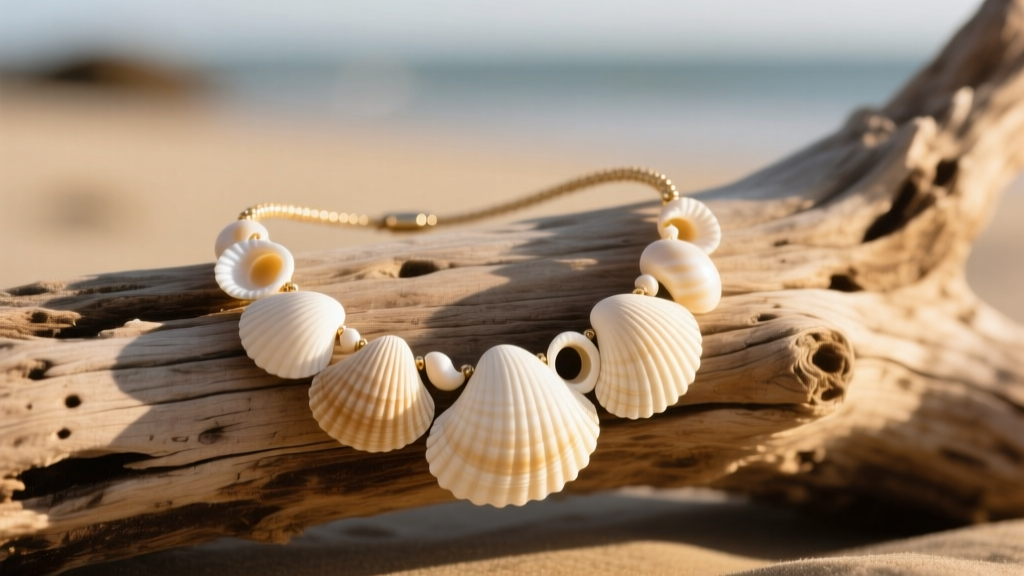
The True Cost of a Puka Shell Necklace: Market Breakdown
The puka shell necklace has transcended its 1970s surf-culture origins to become a permanent fixture in organic gemstone jewelry. However, the market is heavily saturated with mass-produced replicas, making it difficult for consumers to assess true value. In Hawaiian, the word "puka" translates simply to "hole," referring to the naturally occurring aperture in the cone shell. Today, understanding the budget and value assessment of these necklaces requires a deep dive into material authenticity, grading systems, and structural integrity.
Before evaluating a specific piece, it is crucial to understand the current market tiers. The price of a puka shell necklace is dictated by the origin of the shell, the labor involved in stringing, and the quality of the hardware.
| Market Tier | Material Composition | Price Range (USD) | Value Retention |
|---|---|---|---|
| Mass-Market Replica | Howlite, plastic, or dyed shell powder/resin | $12 - $25 | Zero (Costume jewelry) |
| Commercial Genuine | Real Conus miliaris, machine-polished, nylon string | $40 - $85 | Low to Moderate |
| Artisan / Heritage | Hand-selected unpolished shells, silk-knotted, 925 silver | $120 - $300+ | High (Collector / Heirloom) |
Real vs. Replica: How to Audit Your Puka Shell Investment
According to the Gemological Institute of America (GIA), organic gem materials like shell, coral, and pearl require specific identification markers to separate them from synthetic simulants. When assessing a puka shell necklace, you must look past the general shape and examine the microscopic and structural evidence of the material.
The Conus Miliaris Standard and the "Drilled" Dead Giveaway
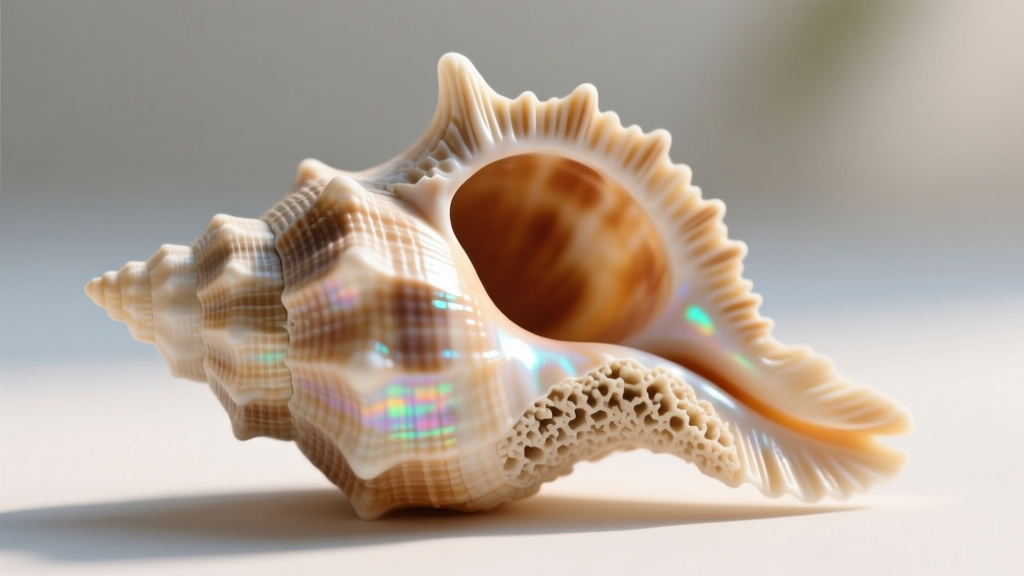
Genuine puka shells come from the Conus miliaris cone snail. When these shells wash ashore, the ocean's tumbling action breaks off the delicate spire, leaving a naturally occurring, slightly off-center, conical hole. This is the single most critical value indicator. If you look closely at the hole of a replica necklace, you will see a perfectly centered, cylindrical bore mark created by a mechanical drill bit. Furthermore, authentic shells exhibit subtle, asymmetrical growth lines and a natural calcium carbonate luster, whereas howlite or plastic fakes feel uniformly smooth, unnaturally cold, or feature molded seam lines.
The Weight and Thermal Conductivity Test
Value assessment also involves physical testing. Genuine shell is dense calcium carbonate. A high-quality, 18-inch genuine puka necklace will have a substantial, heavy drape. Replicas made from hollow plastic or lightweight resin will feel suspiciously buoyant. Additionally, real shell is thermally conductive; it will feel distinctly cool to the touch when first placed against the skin, warming up slowly. Plastic simulants will immediately feel room-temperature.
The Grading System: What Justifies a $250 Price Tag?
Not all genuine puka shell necklaces hold the same value. Artisan jewelers and malacologists (shell experts) grade genuine shells based on thickness, color consistency, and hole size. The Bernice Pauahi Bishop Museum notes that traditional Hawaiian shell work prioritized the natural integrity of the material, a standard that still dictates high-end pricing today.
- Grade A (Heirloom): Shells are thick (3mm to 5mm), heavily matched in size and cream/white coloration, and feature small, natural holes (3mm to 5mm). These are rarely bleached, retaining their natural pearlescent undertones. Expect to pay $150 to $300+.
- Grade B (Standard Commercial): Noticeable variations in shell diameter and thickness. The shells are often lightly tumbled and chemically bleached to achieve a uniform stark white color, which can weaken the calcium structure over time. Priced between $40 and $85.
- Grade C (Budget Genuine): Thin-walled shells (under 2mm) with large, blown-out holes. These are highly fragile, prone to chipping at the edges, and are usually strung on cheap elastic. Priced under $35.
Hardware and Stringing: Where Cheap Necklaces Fail
A common failure mode in mid-tier puka shell necklaces is not the shell itself, but the structural engineering of the strand. Because puka shells have sharp, unpolished inner edges around the natural hole, they act like tiny saws against weak stringing materials.
Budget necklaces utilize thin elastic or basic nylon cord secured with crushed metal crimp beads. Over time, the sharp inner calcium edges fray the cord, leading to a sudden snap and total loss of the shells. High-value, artisan necklaces utilize hand-knotted bonded nylon (such as C-Lon) or pure silk, placing a microscopic knot between every single shell. This French-knotting technique not only prevents the shells from grinding against one another but ensures that if the strand breaks, only one shell is lost rather than the entire necklace.
Furthermore, inspect the clasp. Base-metal alloy lobster clasps will rapidly oxidize when exposed to saltwater and sweat, leaving green marks on the neck and eventually seizing up. A true investment piece will feature a stamped 925 sterling silver or solid 14k gold spring-ring or lobster clasp, which resists corrosion and maintains mechanical tension.
Vintage vs. Modern: Assessing Resale and Long-Term Value
The vintage market for 1970s and 1980s puka shell necklaces presents a unique value proposition. During the original craze, many necklaces were made with incredibly high-quality, thick-walled Conus miliaris shells that are now difficult to source due to over-harvesting and environmental protections in the Indo-Pacific. A well-preserved vintage piece with heavy shells and original sterling silver hardware can command $100 to $200 on the secondary market.
However, buyers must be wary of "vintage" necklaces that have been re-strung. If a seller claims a piece is from 1975 but it is strung on modern, brightly colored elastic with machine-crimped beads, the value is severely compromised. True vintage value relies on the original patina of the shells—which often develop a rich, warm ivory hue over decades of wear—and the presence of period-correct hardware.
The Final Verdict: What Should You Actually Pay?
If you are purchasing a puka shell necklace for daily wear and want a piece that will last a decade, your budget should sit firmly in the $60 to $120 range. At this price point, you secure genuine, un-drilled Conus miliaris shells, hand-knotted stringing, and corrosion-resistant hardware. Anything under $30 is almost certainly a howlite or plastic replica masquerading as organic jewelry, offering zero long-term value and high failure rates. By prioritizing the natural asymmetry of the hole and the structural integrity of the stringing, you can confidently invest in a piece of oceanic history that retains both its aesthetic and monetary worth.


