Pure Silver Necklace Properties: Fine .999 vs Sterling Silver Guide
Discover the metallurgical properties of a pure silver necklace. Compare fine .999 silver to sterling, explore durability, and learn buying tips.

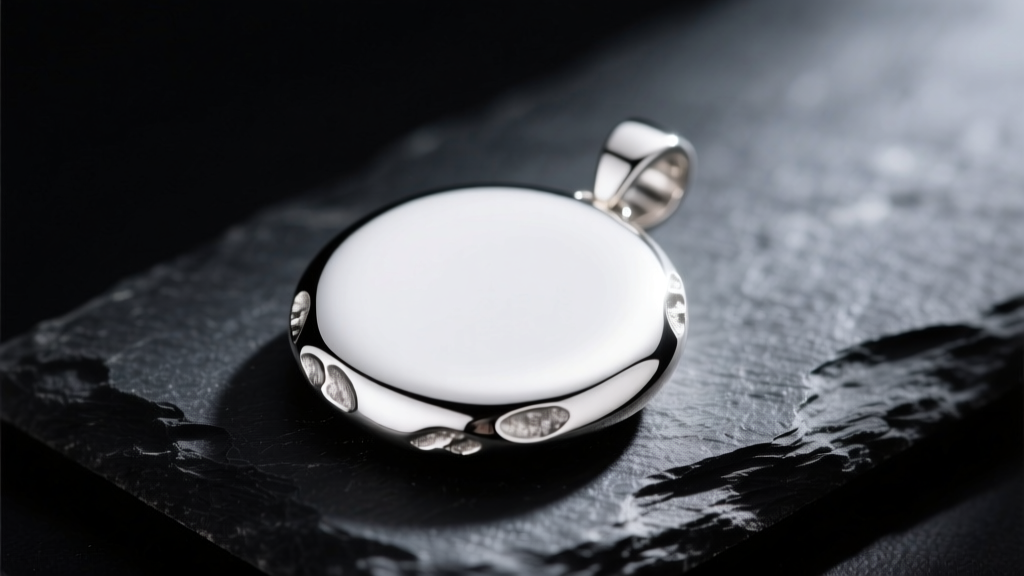
The Metallurgical Reality of a Pure Silver Necklace
In the jewelry industry, the term 'pure silver' refers to fine silver, which is 99.9% silver (often stamped as .999). While the idea of wearing a pure silver necklace appeals to those seeking hypoallergenic, untarnished metals, the metallurgical realities of fine silver dictate strict limitations on how it can be worn. Unlike gold, which can be alloyed to maintain high karat purity while retaining structural integrity, silver in its purest form is exceptionally soft. According to The Silver Institute, pure silver possesses a Vickers hardness (HV) of approximately 25, making it roughly as malleable as pure lead. This profound softness is the defining characteristic that separates a pure silver necklace from its more common counterparts.
For jewelry designers and metallurgists, fine silver presents a paradox. It boasts the highest electrical and thermal conductivity of any metal, and its brilliant white luster is unmatched. However, its lack of tensile strength means that a pure silver necklace is rarely constructed entirely of .999 silver. Instead, pure silver is typically reserved for bezel settings, heavy cast pendants, or specific artisan components, while the chain and clasp mechanisms are fabricated from harder alloys. Understanding this distinction is critical for consumers navigating the 2026 jewelry market, where investment-grade precious metals are increasingly blended with wearable art.
Fine Silver (.999) vs. Sterling (.925) vs. Argentium (.935)
To understand why a pure silver necklace behaves the way it does, we must compare it to the industry standards. Sterling silver (.925) alloyed 92.5% silver with 7.5% copper, drastically increasing its hardness to roughly 65 HV. However, this copper content introduces a vulnerability: tarnish. When copper reacts with atmospheric sulfur, it forms silver sulfide, the black layer that plagues sterling silver owners. Argentium silver, a modern innovation, replaces some of the copper with germanium, creating a harder, highly tarnish-resistant alloy that bridges the gap between purity and durability.
| Alloy Type | Silver Content | Alloying Metals | Hardness (HV) | Tarnish Resistance | Best Necklace Application |
|---|---|---|---|---|---|
| Fine Silver (.999) | 99.9% | Trace elements | ~25 HV | Excellent (No copper) | Heavy pendants, bezel wire |
| Sterling Silver (.925) | 92.5% | 7.5% Copper | ~65 HV | Poor (Tarnishes easily) | Chains, clasps, intricate weaves |
| Argentium (.935) | 93.5% | Copper, Germanium | ~80 HV (Hardened) | Superior | High-end chains, laser-welded links |
| Coin Silver (.900) | 90.0% | 10% Copper | ~75 HV | Poor | Vintage pieces, heavy castings |
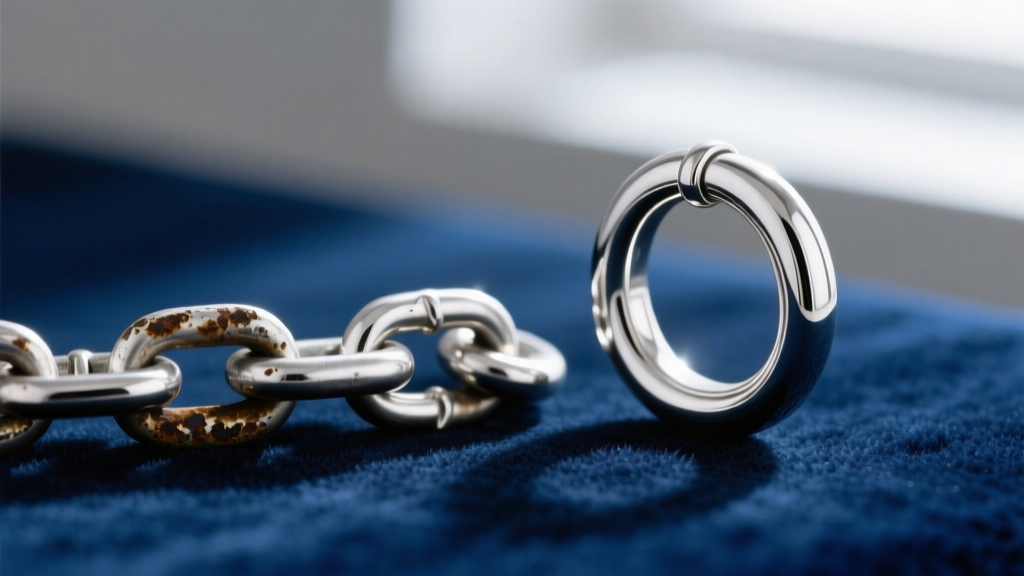
Why Pure Silver Fails as a Chain (And Succeeds as a Pendant)
The Malleability Problem and Failure Modes
If you attempt to wear a delicate chain made entirely of .999 fine silver, you will inevitably encounter structural failure. The most common failure mode in a pure silver necklace chain is link elongation. Because the metal lacks a robust crystalline lattice structure provided by alloying metals, the sheer weight of a pendant will cause the jump rings and chain links to stretch into ovals and eventually pull apart. Furthermore, clasp mechanisms—such as spring rings or lobster claws—rely on the spring-back memory of the metal. Fine silver cannot hold a temper; a .999 spring ring will simply bend open and fail to close, resulting in lost jewelry.
The Tarnish and Hypoallergenic Advantage
Where pure silver excels is in direct skin contact for those with severe metal allergies. The Gemological Institute of America (GIA) notes that copper and nickel are the primary culprits behind contact dermatitis in silver jewelry. Because a .999 pure silver pendant contains virtually no copper or nickel, it is entirely hypoallergenic. Additionally, without copper to react with sulfur compounds in the air or in the wearer's sweat, fine silver remains brilliantly white for years without the need for chemical dips or polishing cloths.
The Bezel Setting Advantage
Jewelers specifically use .999 fine silver for bezel wire—the thin strip of metal pushed over a gemstone's girdle to secure it. Because fine silver is so soft, it can be burnished tightly against fragile stones like opals or turquoise without the aggressive pressure required for sterling silver, which drastically reduces the risk of chipping the gemstone during the setting process.
Pricing and Market Realities in 2026
As precious metal markets fluctuate, the pricing structure for fine silver jewelry has evolved. Unlike gold, where the alloy mix barely impacts the retail markup, silver jewelry is heavily driven by labor costs. Because .999 silver requires specialized annealing and careful handling by bench jewelers to avoid melting or warping, the craftsmanship premium on a pure silver necklace pendant can be higher than a mass-cast sterling equivalent.
- Raw Material Cost: Fine silver commands a slight premium over sterling silver scrap due to the lack of base metal dilution, tracking closely with the spot price.
- Craftsmanship Markup: Artisan-forged .999 pendants often carry a 300% to 500% markup over melt value, reflecting the difficulty of stone-setting in soft metal.
- Investment Grade Jewelry: In 2026, we are seeing a rise in 'bullion jewelry'—heavy, 50-gram to 100-gram pure silver pendants stamped with weight and purity, designed to function as wearable silver investments.
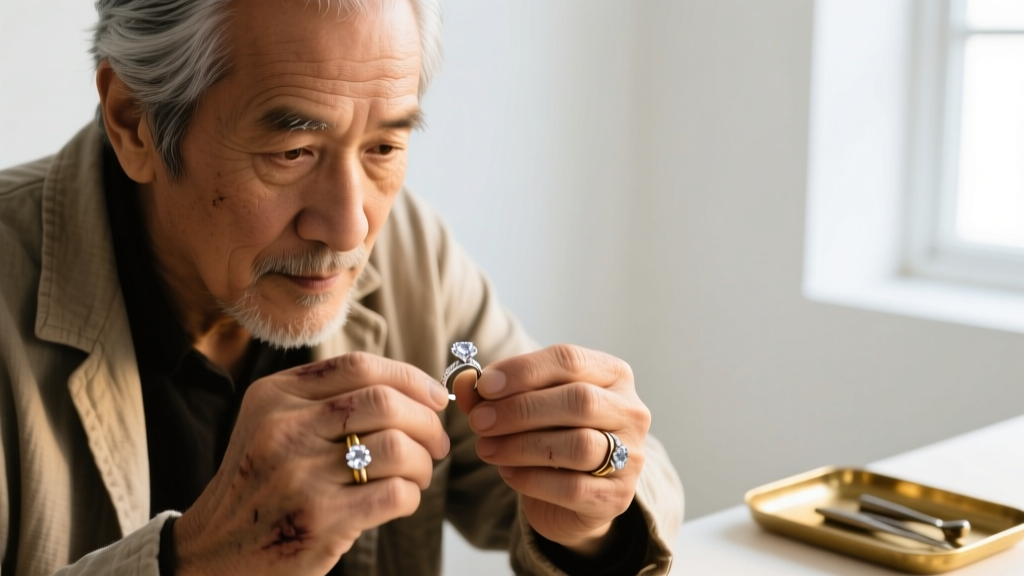
How to Verify Authenticity and Avoid Plated Fakes
The market is flooded with silver-plated brass or copper items deceptively marketed as pure. When evaluating a pure silver necklace, visual inspection is insufficient. You must rely on hallmarks and, if necessary, chemical verification.
Hallmarks and Acid Testing
Authentic fine silver will bear a '.999', '999', or 'FS' (Fine Silver) stamp, usually located on the back of the pendant or on a small tag near the clasp. However, stamps can be faked. Professional jewelers use X-ray Fluorescence (XRF) spectrometers to determine exact elemental composition without damaging the piece. For consumers, a standard silver acid test can be used on an inconspicuous area. When nitric acid is applied to pure silver, it turns a creamy, pale white. If the metal is silver-plated over brass, the acid will turn green due to the copper and zinc content.
Care and Maintenance for .999 Silver
While you do not need to worry about tarnish, a pure silver necklace requires strict physical care. Store .999 pendants in individual soft flannel pouches to prevent heavier jewelry from scratching or denting the soft surface. Never wear a fine silver necklace while sleeping, exercising, or performing manual labor, as the metal will easily scratch, warp, or lose its polished finish.
If your piece becomes scratched, it must be repolished by a professional. Bench jewelers will typically start with a mild tripoli compound to level deep scratches, followed by a fine red jeweler's rouge to bring up the mirror finish. Aggressive home polishing with abrasive pastes will remove significant metal mass, which is especially dangerous on thin .999 castings.
Ultimately, a pure silver necklace is a masterpiece of material purity, offering unmatched luster and skin-friendly properties. By understanding its metallurgical boundaries and treating it as a delicate, high-value artifact rather than everyday armor, you can enjoy the brilliant, untarnished beauty of .999 silver for a lifetime.


