The Ultimate Buying Guide to Quality Neck Jewelry
Discover what to look for when buying neck jewelry. Compare metal grades, chain durability, and clasp mechanics in our expert purchasing guide.

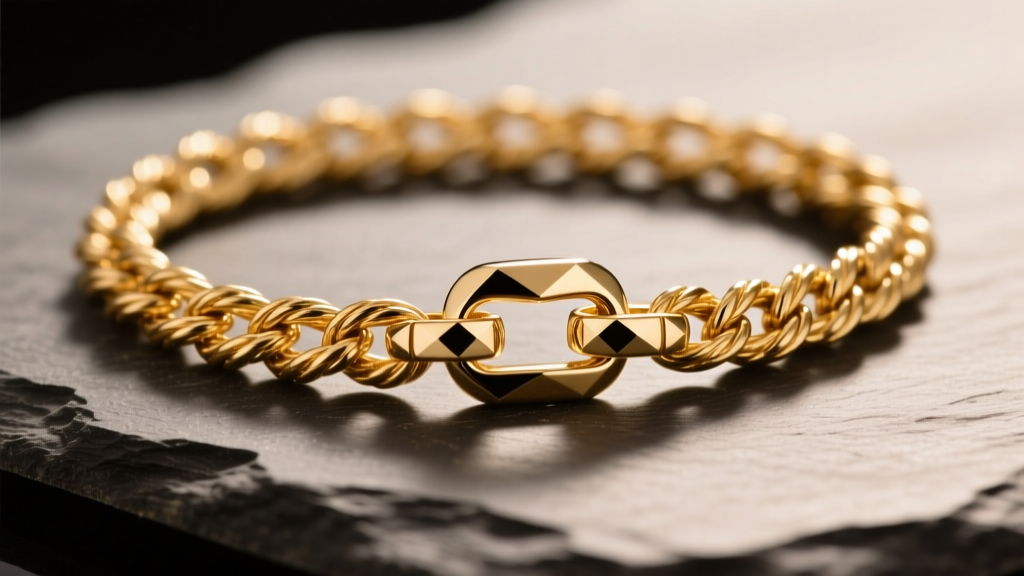
The 2026 Landscape of Neck Jewelry Investment
The market for neck jewelry has shifted dramatically. As consumers move away from the disposable nature of fast-fashion accessories, the demand for enduring, high-quality necklaces has surged. Whether you are investing in a solid gold rope chain or a minimalist titanium pendant, understanding the structural and material realities of your jewelry is no longer optional—it is essential. This comprehensive buying guide strips away the marketing jargon to reveal exactly what to look for when evaluating metal grades, chain link mechanics, and clasp engineering.
Decoding Metal Grades and Plating Thickness
The most common point of failure in neck jewelry is material degradation. Retailers often use ambiguous terms like 'gold tone' or 'waterproof gold' to mask inferior base metals. To make an informed purchase, you must understand the precise micron thicknesses and base alloys used in modern manufacturing.
Solid Gold vs. Vermeil vs. PVD Coating
Solid gold (14k or 18k) remains the gold standard for longevity. 14k gold (58.5% pure gold) offers the ideal balance of tensile strength and rich color, making it highly resistant to snapping under the weight of heavy pendants. However, for those seeking the aesthetic of gold at a lower price point, the distinction between Gold Vermeil and standard plating is critical.
According to the FTC Jewelry Guides, true Gold Vermeil must feature a sterling silver base (925 silver) coated with a minimum of 2.5 microns of 10k gold or higher. Standard gold plating, conversely, often utilizes a brass or copper base with a mere 0.5 microns of gold, which will inevitably wear through to the base metal within months of daily friction against the skin.
In 2026, Physical Vapor Deposition (PVD) coating on surgical-grade stainless steel has emerged as a formidable alternative. PVD bonds gold at a molecular level in a vacuum chamber, creating a finish that is up to 10 times thicker and more scratch-resistant than traditional electroplating, making it ideal for active wearers.
| Metal Type | Base Material | Gold Thickness | Expected Lifespan | Avg. Price (18" Chain) |
|---|---|---|---|---|
| Solid 14k Gold | Gold Alloy | Solid throughout | Lifetime (Generational) | $350 - $800+ |
| Gold Vermeil | Sterling Silver | 2.5+ microns | 2 - 5 Years (Daily Wear) | $80 - $180 |
| PVD Gold | Stainless Steel | 0.3 - 1.0 microns (Ion bonded) | 5 - 10+ Years | $45 - $120 |
| Standard Plated | Brass/Copper | 0.05 - 0.5 microns | 3 - 6 Months | $15 - $40 |

Chain Link Mechanics and Durability
A chain is only as strong as its weakest soldered joint. When evaluating neck jewelry, inspect the links under a macro lens or jeweler's loupe if possible. The manufacturing method dictates the chain's tensile strength and susceptibility to kinking.
- Rope Chains: Constructed from twisted, interlocking links that mimic a woven rope. They are exceptionally durable and reflect light brilliantly. Ensure the links are laser-welded rather than torch-soldered to prevent heat-weak points.
- Box Chains: Made of square, interlocking links. While they offer a sleek, modern aesthetic and lay flat against the collarbone, they are notorious for kinking. Once a box chain kinks, the structural integrity is compromised, and it becomes prone to snapping.
- Cable Chains: The most traditional style, featuring uniform oval links. They are lightweight and ideal for holding delicate pendants, but thin cable chains (under 1.2mm) are highly susceptible to stretching and breaking if caught on clothing.
- Curb and Figaro Chains: These links are twisted and flattened so they interlock tightly and lay flush against the skin. Their low profile makes them highly resistant to snagging, offering superior everyday durability.
According to the Gemological Institute of America (GIA), the karat weight of the chain also affects its durability. An 18k gold chain is softer and more prone to stretching under the weight of a heavy pendant than a 14k gold chain, which benefits from the added hardness of copper and zinc alloys.
The Hidden Weak Point: Clasp Engineering
The clasp is the mechanical bottleneck of any necklace. A $2,000 solid gold chain is rendered useless if it relies on a poorly engineered closure mechanism. Here is how to evaluate the hardware.
Cast vs. Stamped Lobster Clasps
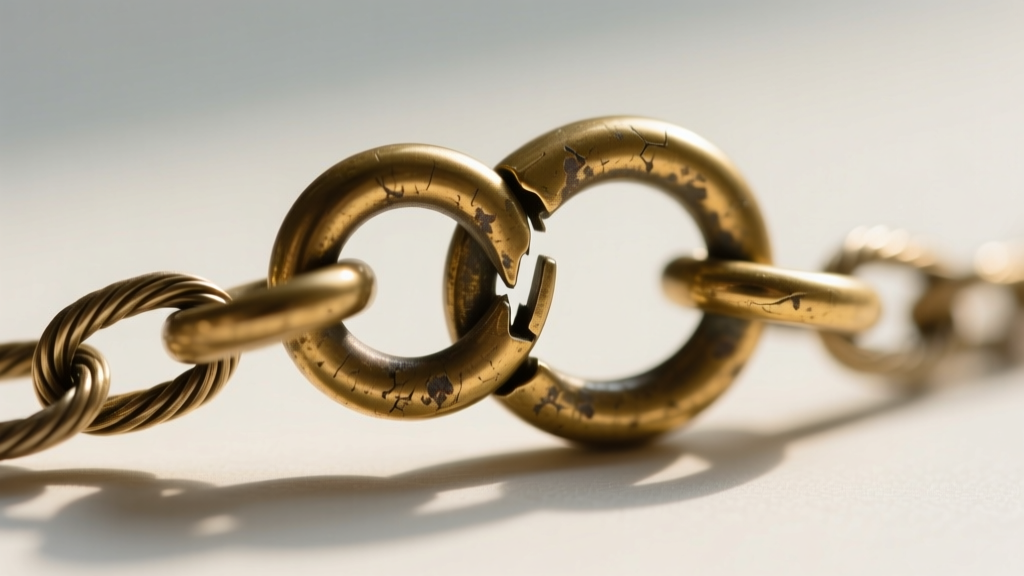
The lobster clasp is the industry standard for neck jewelry, but not all are created equal. Stamped lobster clasps are punched from a flat sheet of metal and folded over. They are lightweight, hollow, and the internal spring mechanism frequently fails, leaving a gap that allows the jump ring to slip out. Cast lobster clasps, however, are formed from molten metal poured into a mold. They are solid, heavier, and feature a much more robust internal spring. Always run your fingernail over the side of the clasp; if it feels flat and seamless, it is cast. If you feel a seam or indentation, it is stamped.
Spring Rings and Toggle Clasps
Avoid spring ring clasps on any neck jewelry intended for daily wear. The tiny internal coil spring is prone to rusting and snapping, and the thin outer ring bends easily under lateral pressure. For heavier chains (over 5mm in width) or statement pendants, opt for a Toggle Clasp. The T-bar mechanism relies on gravity and tension rather than a fragile internal spring, making it virtually indestructible under normal wear conditions.
Pro Tip: If you struggle with the dexterity required for tiny lobster clasps, look for brands offering neodymium magnetic clasps. However, avoid magnetic closures if you have a pacemaker or if you frequently wear loose, snag-prone fabrics, as the magnets can catch and pull fibers.
Sizing and Neckline Proportions
Choosing the correct length is just as critical as selecting the right metal. The standard 18-inch 'princess' length rests perfectly on the collarbone and works with 90% of necklines. However, understanding proportional layering will elevate your styling.
- 14 to 16 inches (Choker/Collar): Sits tightly against the base of the neck. Best paired with V-necks, off-the-shoulder tops, or scoop necks to elongate the collarbone.
- 18 inches (Princess): The universal standard. Rests on the upper chest. Ideal for crew necks and button-down shirts.
- 20 to 24 inches (Matinee): Falls between the collarbone and the bust. Perfect for layering over high-neck sweaters, turtlenecks, or business attire.
When layering neck jewelry, maintain a strict minimum 2-inch gap between chain lengths to prevent the metal links from grinding against one another, which accelerates wear and causes micro-scratches on softer gold alloys.
Final Verdict: What to Look For at Checkout
When purchasing neck jewelry, demand transparency. Look for explicit stamps (e.g., '14K', '925') and verify the micron thickness if buying vermeil. Inspect the chain links for uniform soldering, and always prioritize solid cast clasps over hollow stamped alternatives. By focusing on structural engineering and material science rather than fleeting trends, you will build a collection of necklaces that withstand the rigors of daily life while retaining their intrinsic and aesthetic value for decades to come.


