Styling Your Kate Spade Necklace Clover: A Beginner Guide
Discover how to style, layer, and care for your Kate Spade necklace clover. A beginner-friendly guide to lengths, materials, and everyday wear.

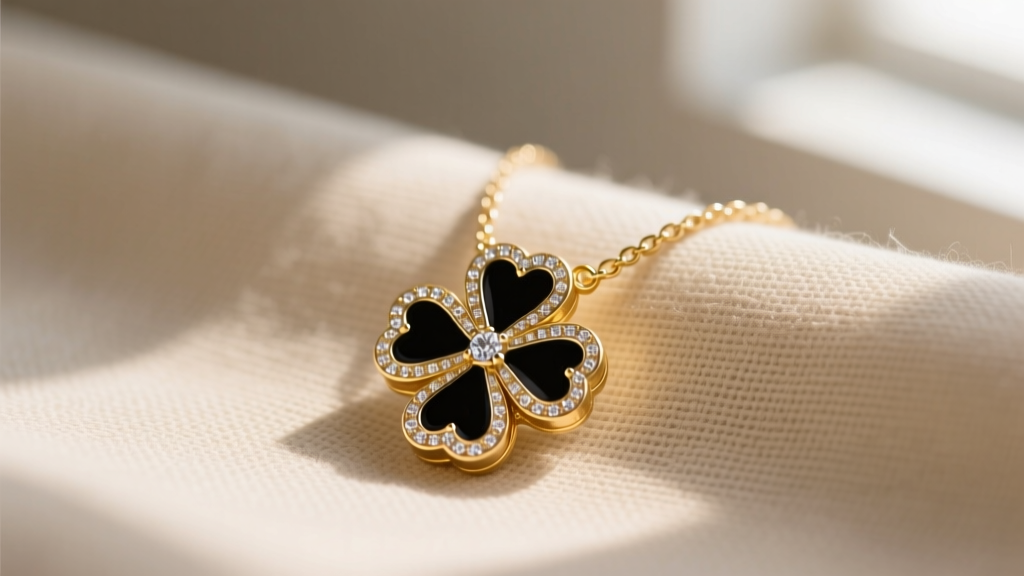
The four-leaf clover has long been a universal symbol of luck, but in the world of accessible luxury jewelry, it represents something much more specific: timeless, versatile style. If you have recently acquired or are considering purchasing a Kate Spade necklace clover, you are investing in one of the brand's most iconic and recognizable motifs. However, wearing fashion jewelry requires a different approach than wearing fine jewelry. Understanding the specific materials, chain lengths, and layering techniques will ensure your pendant remains a staple in your wardrobe for years to come.
This beginner-friendly explainer will break down the anatomy of the clover pendant, provide a practical framework for styling it with various necklines, and share expert maintenance tips to protect the delicate enamel and gold plating.
The Anatomy of a Kate Spade Clover Pendant
Before you can master styling your jewelry, you need to understand what it is actually made of. Unlike fine jewelry crafted from solid 14k or 18k gold and vitreous enamel (which is fired in a kiln at over 1,400°F), the Kate Spade clover necklace is classified as high-end fashion jewelry. This distinction dictates how it ages and how you should care for it.
- The Base Metal: The core of the pendant and the chain are typically crafted from brass or a zinc alloy. Brass provides an excellent, durable foundation that holds intricate shapes well while keeping the price point accessible.
- The Plating: The base metal is electroplated with a layer of gold-tone alloy (often a 12k or 14k gold wash). The thickness of this plating usually ranges from 0.5 to 1.0 microns. While beautiful, this micron-thin layer is susceptible to friction and chemical wear over time.
- The Enamel: The vibrant colors of the clover leaves are achieved using epoxy resin enamel (often referred to as cold enamel). Unlike kiln-fired glass enamel, epoxy is poured into the metal recesses and cured at room temperature. It yields a brilliant, glossy finish but is softer and more prone to micro-scratches than vitreous enamel.
- The Accents: Many clover designs feature pavé-set cubic zirconia (CZ) or glass crystals along the edges or the center spade logo, adding a subtle catch of light without the cost of natural diamonds.
Chain Lengths and Neckline Pairings
The standard Kate Spade clover necklace typically comes on a 16-inch cable chain with a 2-inch extender, allowing it to be worn at either 16 or 18 inches. Knowing where the pendant falls on your décolletage is crucial for pairing it with the right clothing. Here is a practical decision framework for matching your chain length to your neckline.
| Chain Length | Placement | Best Necklines | Styling Vibe |
|---|---|---|---|
| 16 Inches (Choker/Collarbone) | Rests just above the collarbone | V-necks, Scoop necks, Off-the-shoulder | Modern, Flirty, Daytime Casual |
| 18 Inches (Princess) | Rests on the upper chest/cleavage line | Crew necks, Button-down shirts, Sweetheart | Classic, Professional, Versatile |
| 20+ Inches (Matinee) | Rests below the collarbone, upper bust | Turtlenecks, High halter, Deep plunging V | Bohemian, Layered, Statement |
Expert Tip: If you are wearing a patterned blouse or a top with heavy ruffles near the collar, opt for the 16-inch length to keep the clover pendant in a clear, uncluttered visual zone. If you are wearing a solid-colored, structured blazer, the 18-inch drop will perfectly frame the lapels.
The Beginner’s Framework for Layering
Layering is where the Kate Spade necklace clover truly shines. Because the clover motif is relatively small (usually measuring between 0.5 and 0.75 inches in diameter), it acts as an excellent anchor piece in a multi-chain stack. However, beginners often make the mistake of clustering chains too closely together, resulting in a tangled mess. According to styling principles outlined by the Jewelers of America, maintaining proper spatial distribution is key to a curated look.

The "Rule of Thirds" Layering Formula
To achieve a balanced, professional-looking stack without the chains constantly tangling, follow this three-tier framework:
- Tier 1 (The Choker - 14 to 15 inches): Start with a simple, minimalist chain. A 14-inch gold-filled herringbone or a delicate 15-inch cable chain without a pendant sits flush against the base of the neck. This frames the face and sets the foundation.
- Tier 2 (The Anchor - 16 to 17 inches): This is where your Kate Spade necklace clover lives. Utilize the 16-inch setting on your extender chain. The visual weight of the enameled clover draws the eye to the center of the stack.
- Tier 3 (The Lariat/Long - 20 to 24 inches): Finish with a longer, slightly heavier chain. A 22-inch box chain or a 24-inch paperclip link chain adds verticality and elongates the torso. You can leave this chain bare or add a simple bar pendant or coin charm.
Tangle Prevention Hack: Chains tangle because the links of one chain slip into the links of another. By mixing chain textures (e.g., a smooth herringbone, a standard cable, and a chunky paperclip), you physically prevent the links from interlocking, keeping your stack neat all day.
Maintenance: Protecting Enamel and Gold Plating
The most common complaint among fashion jewelry wearers is the premature fading of gold plating or the dulling of colored enamel. Because your clover pendant relies on epoxy resin and micron-level gold plating, it requires a proactive care routine. The official Kate Spade care guidelines emphasize keeping the jewelry away from harsh chemicals, but let's look at the specific science of what damages these materials.
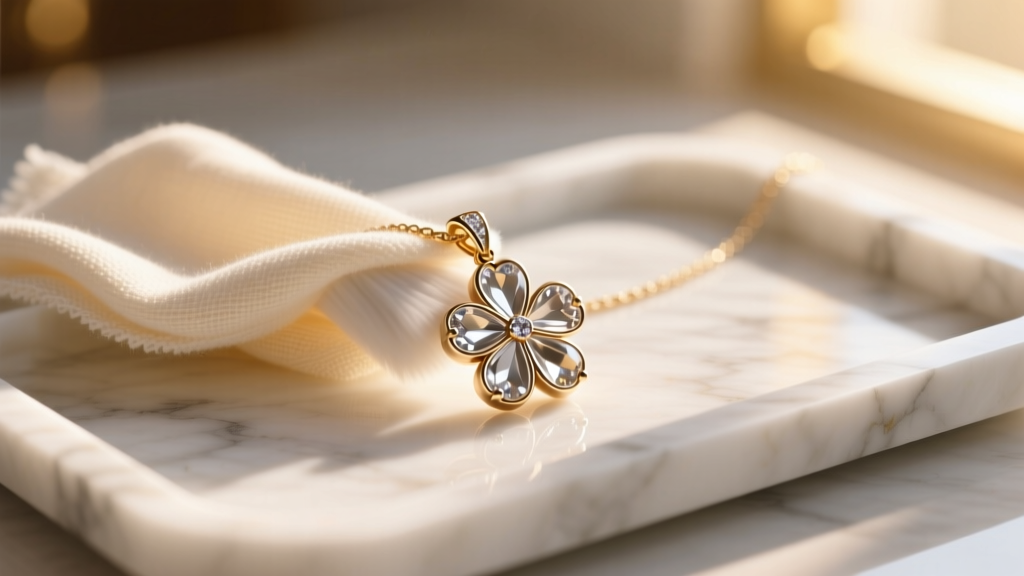
What to Avoid (and Why)
- Ultrasonic Cleaners: Never put an enameled clover necklace in an ultrasonic jewelry cleaner. The high-frequency sound waves create microscopic cavitation bubbles that can easily shatter or crack the epoxy resin, causing it to lift away from the brass base.
- Chemical Exposure: Perfumes, hairsprays, and lotions contain alcohols and emulsifiers that break down the gold plating over time. Always follow the "Last On, First Off" rule: put your necklace on after your cosmetics have fully dried, and take it off before you shower or swim.
- Chlorine and Salt Water: Chlorine (in pools) and salt (in the ocean) are highly corrosive to brass base metals. If the gold plating has any micro-pores, these chemicals will reach the brass, causing rapid oxidation and a greenish tint on your skin.
The Proper Cleaning Routine
When your clover pendant loses its shine due to natural skin oils, do not use liquid silver or gold dips. Instead, use a dry, untreated microfiber cloth to gently buff the metal. If the enamel is smudged, lightly dampen a cotton swab with warm water and a tiny drop of mild dish soap, carefully wipe the enamel, and immediately dry it with a soft cloth. Store the necklace in its original flannel pouch or a sealed anti-tarnish bag to limit exposure to ambient humidity.
Pro-Tip on Skin pH: Individuals with highly acidic skin pH will naturally wear through gold plating much faster than others. If you notice the brass showing through the back of your clover pendant within a few months of daily wear, consider applying a thin coat of clear nail polish to the back of the metal. This creates an invisible barrier between the brass and your skin, preventing both tarnish and skin discoloration.
Verifying Authenticity
Because the Kate Spade clover motif is incredibly popular, the secondary market is flooded with convincing counterfeits. When shopping vintage or from third-party sellers, look for these specific hallmarks of authenticity:
- The Hallmark: Genuine pieces will feature a crisp, laser-engraved or stamped "kate spade new york" logo on the back of the clover pendant or on a small metal tag attached near the clasp. Counterfeits often have blurry, shallow, or misspelled stamping.
- The Clasp: Authentic chains utilize high-quality lobster claw clasps that operate smoothly and bear the brand's spade logo or name on the flat side of the clasp mechanism.
- The Enamel Finish: Run your fingernail lightly over the edge where the enamel meets the gold metal. On a genuine Kate Spade piece, the transition is perfectly flush and smooth. Fakes often have raised, gloopy enamel that spills over the metal borders.
By understanding the craftsmanship, mastering the art of the layered stack, and committing to a proper maintenance routine, your clover necklace will remain a lucky and stylish charm in your daily rotation for years to come.


