Quantum Necklace Investment: 2026 Value & Pricing Assessment
Is a quantum necklace worth the investment? We break down 2026 pricing, nanomaterial durability, and value retention for tech-infused pendants.

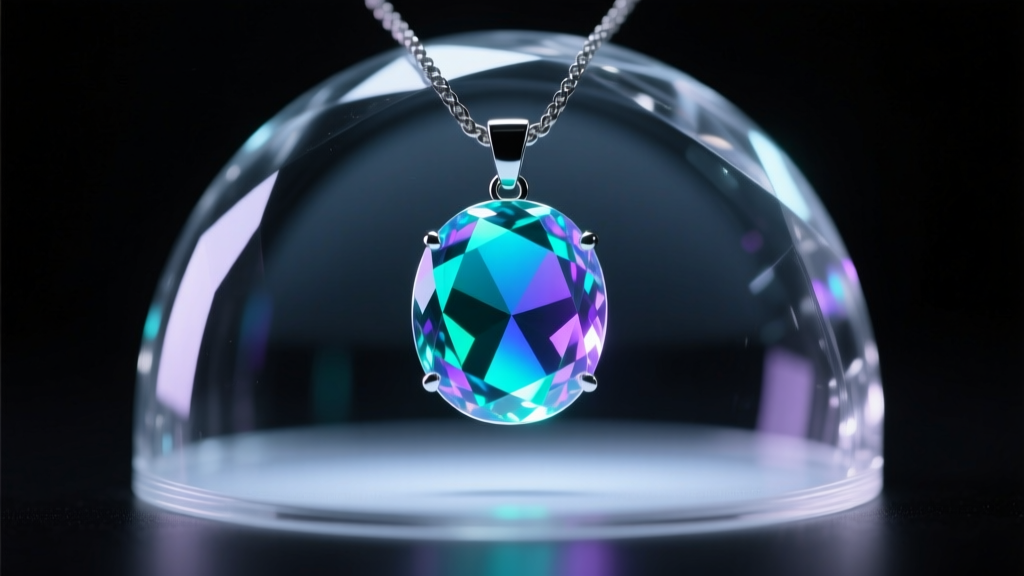
The Rise of the Quantum Necklace in Fine Jewelry
As we navigate the 2026 luxury market, the term "quantum necklace" has transitioned from science-fiction concept to a highly sought-after category in avant-garde fine jewelry. But what exactly are you paying for when you purchase a quantum-infused pendant? Unlike traditional gemstones valued for their geological rarity, quantum necklaces derive their value from applied physics and nanotechnology. For collectors and everyday wearers alike, assessing the budget and long-term value of these pieces requires a fundamental shift in how we evaluate jewelry. This guide strips away the marketing hype to provide a rigorous, material-science-based assessment of quantum necklaces, helping you determine if they are a worthy investment or a depreciating tech accessory.
Two Types of Quantum Necklaces: Nanotech vs. Entanglement
To accurately assess value, we must first bifurcate the market. The current quantum necklace landscape is dominated by two distinct technologies, each with vastly different pricing structures, failure modes, and resale realities.
1. Quantum-Dot Color-Shifting Pendants
These pendants utilize cadmium-free Indium Phosphide (InP) quantum dots—nanocrystals that emit specific wavelengths of light when excited by ambient UV radiation or body heat. Suspended in a fused silica or lab-grown sapphire matrix, these necklaces offer a color-shifting effect that rivals high-grade alexandrite. According to recent market analyses by the JCK Industry Journal, the production cost of jewelry-grade InP nanocrystals has dropped, but the precision required to encapsulate them without quenching their luminescence keeps retail prices firmly in the luxury tier.
2. Magnetic & NFC "Entangled" Paired Necklaces
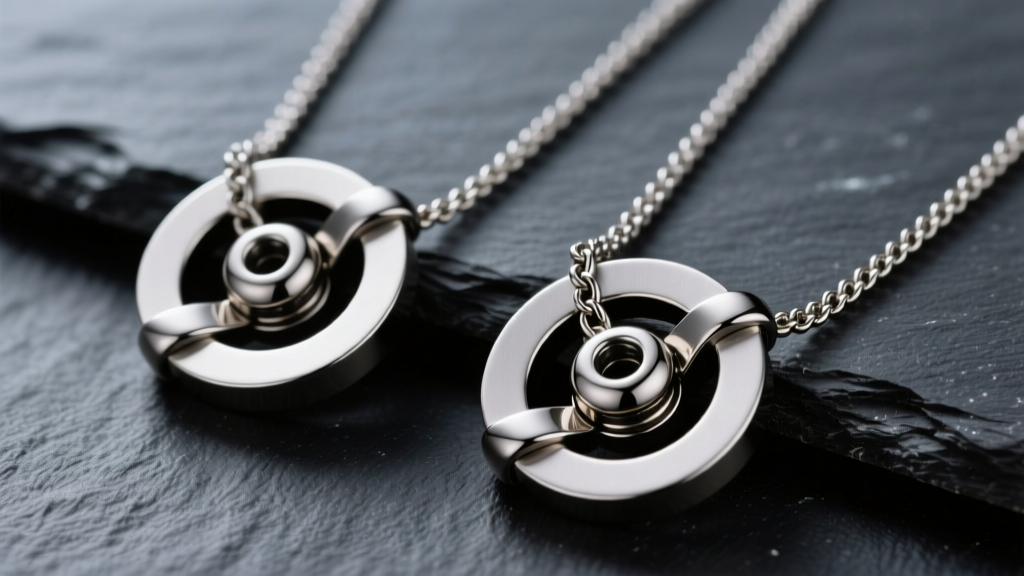
Inspired by the concept of quantum entanglement, these paired necklaces utilize N52-grade neodymium magnets and passive Near Field Communication (NFC) microchips. When two wearers are in proximity, the magnetic cores align, and the NFC chips can trigger digital interactions on paired smartphones. While emotionally resonant, their value proposition leans heavily into sentimental utility rather than intrinsic material worth.
Budget & Value Assessment: Price vs. Longevity
When allocating a budget for a quantum necklace, you must weigh the initial purchase price against the material lifespan and secondary market demand. Below is a comparative breakdown of how quantum options stack up against traditional color-change gemstones in 2026.
| Material / Tech Type | Avg. Retail Price (2026) | Durability (Mohs / Scratch) | Resale Value Retention | Primary Maintenance |
|---|---|---|---|---|
| Natural Alexandrite | $15,000 - $50,000+ | 8.5 (Excellent) | 85% - 110% (Appreciates) | Standard ultrasonic cleaning |
| Quantum-Dot (InP) Pendant | $1,400 - $3,800 | 9.0 (Sapphire Dome) | 20% - 35% (Depreciates) | Avoid prolonged direct UV |
| NFC Entanglement Pair | $250 - $850 (per pair) | 6.0 (Titanium/Steel) | 5% - 10% (Sentimental) | PVD coating inspection |
The data reveals a stark reality: if your primary goal is financial investment and generational wealth transfer, natural alexandrite remains the undisputed champion. However, if you are budgeting for a unique, conversation-starting piece of wearable art with a high degree of optical performance, the quantum-dot pendant offers exceptional aesthetic value at a fraction of the cost of top-tier natural gems. The Gemological Institute of America (GIA) notes that while nanotech gems do not hold geological rarity, their optical precision is virtually flawless, making them a favorite among modernist collectors.
Failure Modes: What Dealers Won't Tell You
A true value assessment must account for how a piece degrades over time. Quantum necklaces introduce failure modes that traditional jewelers are often ill-equipped to repair.
- Photobleaching in Quantum Dots: Lower-tier quantum necklaces use organic polymer binders (like epoxy) to suspend the InP nanocrystals. Over 3 to 5 years of daily sun exposure, these binders yellow, and the quantum dots suffer from photobleaching, permanently dulling the color shift. Actionable Advice: Only purchase pendants where the quantum dots are encapsulated in a fused silica or lab-grown sapphire dome, which blocks degrading UVB wavelengths while allowing UVA excitation.
- PVD Coating Delamination: Entanglement necklaces often feature black or rose-gold PVD (Physical Vapor Deposition) coatings over titanium. The friction from the magnetic clasps snapping together can cause micro-fractures in the PVD layer. Once moisture breaches this layer, the underlying neodymium magnet will rapidly corrode, expanding and cracking the metal housing.
- NFC Chip Thermal Degradation: Passive NFC chips are generally robust, but the copper antenna coils can degrade if subjected to repeated thermal shock (e.g., wearing the necklace in a sauna followed by a cold plunge), leading to read-failures.
The Buyer's Checklist for Quantum Necklaces
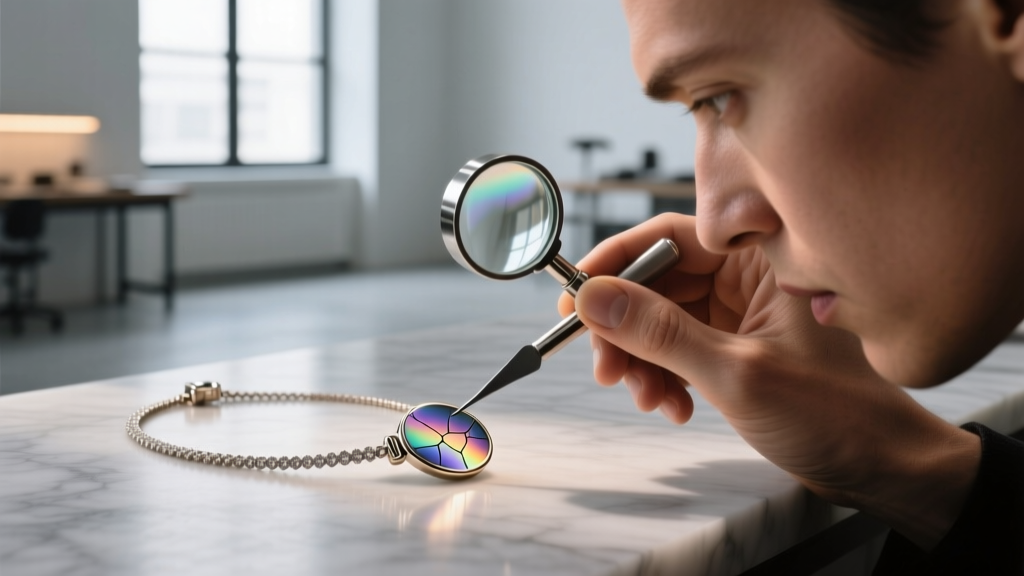
To ensure your budget is being allocated toward a high-quality piece that will survive daily wear, demand answers to the following technical specifications before purchasing:
- What is the matrix binder? (Accept only fused silica, sapphire, or high-grade optical resin. Reject standard epoxy).
- What is the magnet grade and coating? (Ensure the neodymium is N52 grade and triple-coated in nickel-copper-nickel before the outer PVD titanium layer).
- Is the NFC chip replaceable? (Look for modular pendant designs where the tech core can be unscrewed and upgraded, separating the precious metal value from the depreciating tech).
"The true value of a quantum necklace in 2026 isn't found in a vault; it's found in the intersection of material science and wearable art. Buyers must treat them like high-end mechanical watches rather than traditional gemstones—appreciating the engineering while accepting the need for specialized maintenance."
Final Verdict: Should You Buy a Quantum Necklace?
If you are operating on a strict budget and seeking a timeless asset that you can pass down to your grandchildren with an expectation of financial appreciation, redirect your funds toward a smaller, high-clarity natural diamond or a classic gold chain. The quantum necklace is not a financial safe haven. However, if you have a discretionary jewelry budget of $1,500 to $3,000 and you value cutting-edge nanotechnology, optical brilliance, and modern design, a quantum-dot sapphire pendant offers an unparalleled aesthetic experience. By rigorously vetting the encapsulation materials and understanding the specific failure modes of tech-integrated clasps, you can confidently purchase a quantum necklace that delivers immense stylistic value for years to come.


