The Ultimate Rainbow Baguette Necklace Beginner Guide
Discover everything about the rainbow baguette necklace. Learn about gemstone choices, setting styles, pricing tiers, and care tips for step cuts.

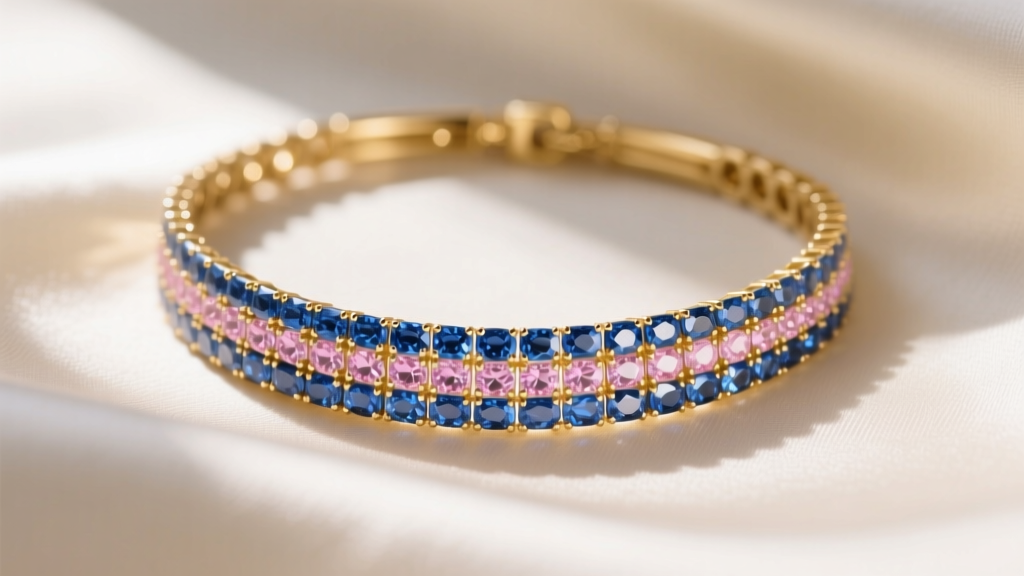
If you are looking to inject a dose of geometric elegance and vibrant color into your jewelry collection, the rainbow baguette necklace is an unparalleled choice. Blending the vintage sophistication of Art Deco step-cuts with a modern, multi-colored gemstone layout, this specific necklace style has become a staple for both everyday wearers and high-fashion collectors. However, buying a piece that features step-cut gemstones requires a different level of scrutiny than purchasing a standard round brilliant diamond pendant. From understanding the unique faceting of baguettes to selecting the correct protective settings, this beginner-friendly explainer will walk you through everything you need to know before making your purchase.
The Anatomy of a Baguette Cut
Before diving into the colorful 'rainbow' aspect, it is crucial to understand the baguette cut itself. Unlike round brilliant or cushion cuts that are designed to maximize sparkle and light return, the baguette is a step-cut. Typically featuring just 14 facets arranged in parallel steps, a baguette cut prioritizes clarity, geometric symmetry, and a 'hall of mirrors' optical effect over fiery brilliance. The standard length-to-width ratio for a baguette ranges from 1.5:1 to 2:1, giving it its signature elongated, rectangular shape.
Because step-cuts do not hide inclusions well, the gemstones used in a high-quality rainbow baguette necklace must be exceptionally clean to the naked eye. Any internal fractures or heavy inclusions will be immediately visible through the large, open table of the stone. According to the GIA Gem Encyclopedia, the precision of the cut is paramount; if the parallel steps are misaligned by even a fraction of a millimeter, the stone will look dull and lifeless.
Decoding the 'Rainbow' Element: Gemstone Selection
The term 'rainbow' in jewelry design refers to a calibrated layout of multi-colored gemstones. In a rainbow baguette necklace, jewelers meticulously match stones of varying hues to create a seamless gradient or a bold, alternating color block pattern. There are three primary ways this effect is achieved in the current market:
1. Natural Multi-Gemstone Layouts
The most premium and durable option utilizes a mix of natural precious and semi-precious stones. A typical high-end rainbow layout might alternate between blue sapphires (Mohs hardness 9), pink tourmalines (Mohs 7-7.5), and tsavorite garnets (Mohs 7-7.5). Because these stones have different refractive indices, the necklace will exhibit a complex, multi-dimensional color play. The challenge here is calibration; every single baguette must be cut to within a 0.05mm tolerance to fit perfectly into a unified setting.
2. Lab-Grown and Treated Sapphires
For a more accessible price point without sacrificing durability, many contemporary jewelers use lab-grown sapphires. Sapphires naturally occur in almost every color of the rainbow (excluding red, which is classified as ruby). By utilizing lab-grown yellow, green, blue, and pink sapphires, manufacturers can ensure uniform hardness (9 on the Mohs scale) across the entire necklace, making it much safer for daily wear.
3. Enamel and Ceramic Inlays
Some avant-garde designers bypass traditional gemstones entirely, using precision-cut high-tech ceramics or cold enamel to create the baguette shapes. While this offers the most saturated, opaque colors, it lacks the optical depth and light refraction of crystalline gemstones.
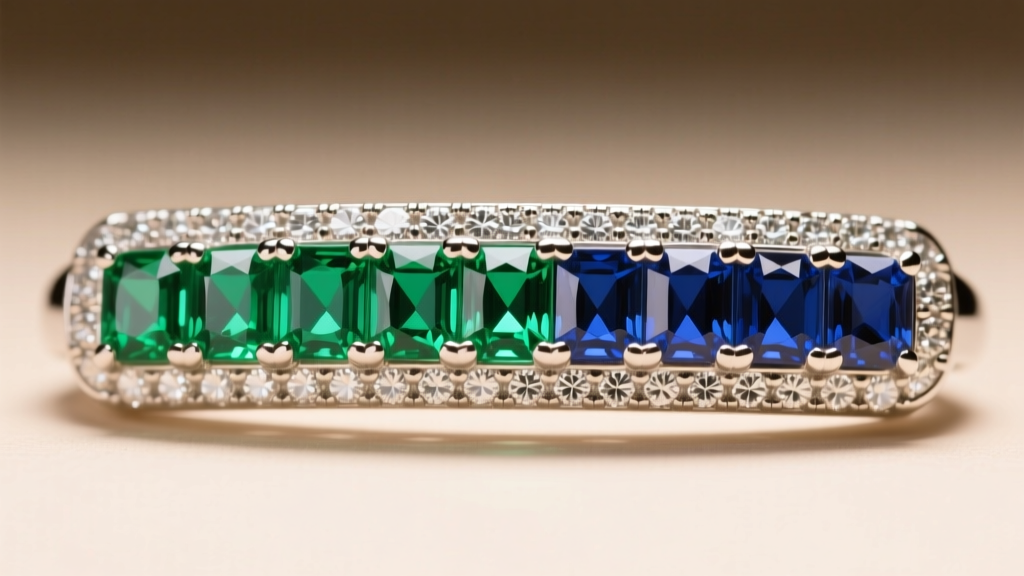
Crucial Setting Styles for Step-Cut Stones
The most critical factor in buying a rainbow baguette necklace is the setting. Baguette cuts have sharp, 90-degree corners that are highly susceptible to chipping if struck against a hard surface. Therefore, the setting must protect these vulnerable points.
- Channel Setting (Highly Recommended): The stones are set into a continuous metal channel with no prongs interrupting the surface. The metal walls protect the fragile corners of the baguettes while allowing the continuous rainbow of color to flow uninterrupted. This is the gold standard for baguette jewelry.
- Bezel Setting: A thin rim of metal completely encircles each individual baguette. While it offers maximum protection, the metal borders can visually break up the 'rainbow' effect, making the necklace look more segmented.
- Prong Setting (Proceed with Caution): While prong settings allow maximum light entry, they leave the sharp corners of the baguettes completely exposed. If you choose a prong-set rainbow baguette necklace, ensure the prongs are V-shaped and specifically designed to cap the corners of the stones.
Pricing Tiers and Material Expectations
Understanding what you should expect to pay will help you avoid overpriced fashion jewelry or suspiciously cheap 'natural' gems. Below is a breakdown of the current market tiers for a standard 16-inch rainbow baguette necklace.
| Tier | Materials & Gemstones | Total Carat Weight (TCW) | Estimated Price Range | Best For |
|---|---|---|---|---|
| Entry-Level | Sterling silver, lab-grown or simulated stones, enamel | 1.50 - 3.00 ct | $150 - $450 | Trend-focused wearers, occasional use |
| Mid-Tier | 14k solid gold, natural semi-precious (tourmaline, garnet) | 4.00 - 8.00 ct | $1,200 - $3,500 | Everyday luxury, durable stacking |
| High-End | 18k gold or platinum, natural sapphires, diamonds, emeralds | 10.00 - 15.00+ ct | $8,000 - $25,000+ | Investment pieces, heirloom quality |
How to Style and Layer Your Rainbow Baguette Piece
A rainbow baguette necklace is inherently a statement piece due to its linear geometry and vibrant color palette. Styling it requires a balanced approach to ensure the necklace remains the focal point without looking overwhelming.
The Solo Statement
For a minimalist look, wear the necklace solo at a 16-inch or 18-inch length. This placement rests perfectly on the collarbone, allowing the geometric lines of the baguettes to frame the face. This approach works exceptionally well with solid-colored, structured garments like a crisp white button-down shirt or a monochrome turtleneck.
The Layering Framework
If you prefer a curated, layered aesthetic, the key is to contrast the baguette's rigid, linear structure with softer, more fluid chains. Pair your 16-inch rainbow baguette necklace with a 14-inch delicate pearl choker and a 20-inch fluid paperclip or cable chain. Avoid layering it with other pendant necklaces that feature large, dangling center stones, as this will create visual clutter and cause the chains to tangle.

Care and Maintenance Protocols
Step-cut gemstones require specific maintenance routines. Because the large, flat table of a baguette cut acts like a window, fingerprints and skin oils are immediately noticeable, dulling the stone's appearance rapidly. Furthermore, the care routine changes drastically depending on the specific gemstones used in your rainbow layout.
Expert Warning: Never place a rainbow baguette necklace featuring emeralds or fracture-filled tourmalines in an ultrasonic cleaner. The high-frequency vibrations can shatter the stones or strip away the cedar oils and resins used to enhance their clarity. Always refer to the GIA Gem Care Guide for specific mineral tolerances.
For routine cleaning, use a lukewarm solution of mild dish soap and distilled water. Soak the necklace for no more than five minutes. Use a soft-bristled baby toothbrush to gently sweep away debris from the channel tracks or behind the settings. Rinse thoroughly with distilled water to prevent hard water spots from forming on the flat tables of the baguettes, and pat dry with a lint-free microfiber cloth. Store the necklace flat in a soft pouch to prevent the metal settings from scratching the polished surfaces of the gemstones.
By understanding the unique architectural requirements of the baguette cut and the specific material properties of multi-colored gemstones, you can confidently select a rainbow baguette necklace that is not only visually stunning but structurally sound for years of wear.


