Beginner's Guide to Choosing a Raw Rocky Necklace
Discover what a rocky necklace is, how to choose raw gemstones, and expert tips for styling rough-cut crystal pendants for everyday wear.

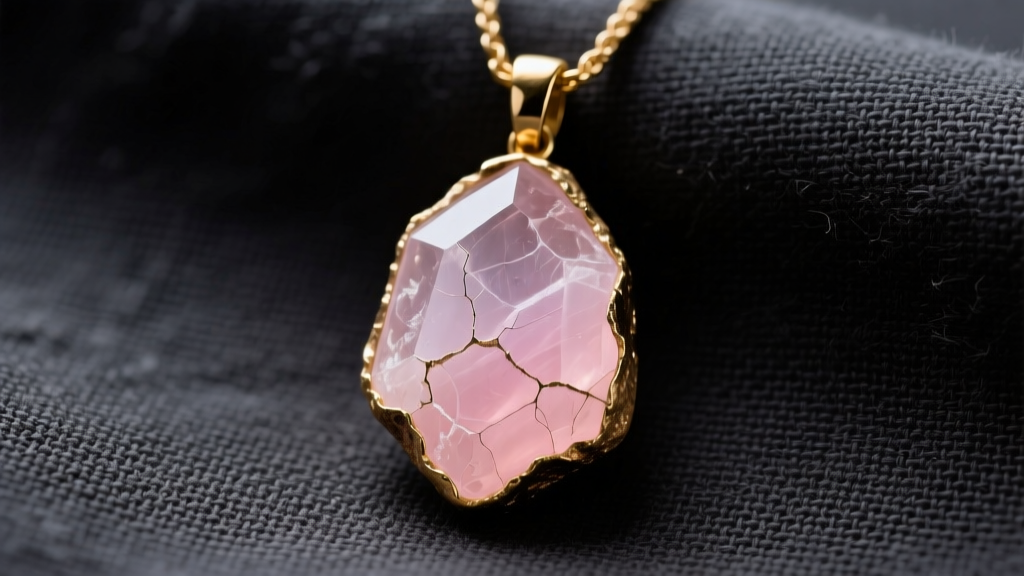
The jewelry landscape in 2026 has seen a massive shift away from perfectly faceted, high-polish gems toward organic, unrefined aesthetics. At the forefront of this movement is the rocky necklace—a colloquial term for jewelry featuring raw, rough-cut, or unpolished gemstones. Whether you are drawn to the earthy vibe of raw quartz, the rugged luxury of uncut emeralds, or the geometric chaos of geode slices, rough stone jewelry offers a unique, one-of-a-kind appeal. However, buying and caring for unpolished minerals requires a completely different knowledge base than purchasing traditional faceted jewelry. This beginner-friendly explainer will break down exactly what you need to know about materials, settings, and maintenance before you invest in your first rocky necklace.
What Exactly is a Rocky Necklace?
A rocky necklace typically features a pendant or a strand of beads made from gemstones that have not undergone traditional lapidary cutting, faceting, or high-polish tumbling. Instead, these stones are left in their natural, rough-hewn state, or they are lightly shaped to preserve their raw geological texture. The appeal lies in the inclusions, natural color zoning, and jagged edges that tell the story of the stone's formation deep within the earth. Because no two rough stones are identical, every rocky necklace is inherently a bespoke piece.
Popular Gemstones and the Mohs Hardness Scale
When buying raw jewelry, the Gemological Institute of America (GIA) Mohs scale of mineral hardness is your most critical tool. Raw stones lack the protective polish of faceted gems, making their surface more susceptible to scratching, chipping, and environmental degradation. According to mineralogical data from Mindat.org, here is how popular rough stones perform in daily wear scenarios:
| Gemstone | Mohs Hardness | Avg. Price Range (Pendant) | Daily Wear Suitability |
|---|---|---|---|
| Raw Diamond | 10 | $800 - $5,000+ | Excellent (Highly durable) |
| Uncut Sapphire | 9 | $400 - $2,500 | Excellent (Resists scratching) |
| Rough Quartz | 7 | $30 - $120 | Good (Avoid hard impacts) |
| Raw Emerald | 7.5 - 8 | $300 - $3,000 | Fair (Prone to chipping at edges) |
| Raw Fluorite | 4 | $15 - $60 | Poor (Display or rare wear only) |
Expert Tip: Never buy raw fluorite, calcite, or selenite for a necklace intended for daily wear. These stones will easily scratch against clothing, zippers, and even dust particles (which contain quartz, hardness 7).
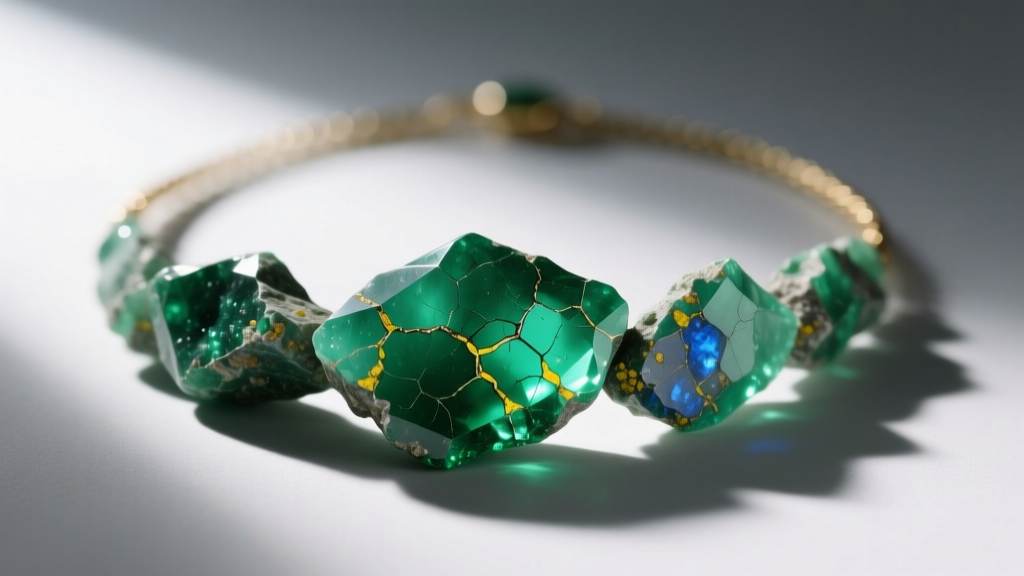
Evaluating Hardware: How Rough Stones Are Set
The biggest point of failure in a rocky necklace is not the stone itself, but how it is attached to the chain. Because rough stones lack uniform shapes, traditional prong settings are often impossible to use securely.
Bezel vs. Adhesive Settings
The gold standard for rough stones is a custom-fitted bezel or a basket setting where the metal is physically pushed and folded over the natural ridges of the stone. However, many mass-produced, low-cost rocky necklaces rely on industrial epoxies or cyanoacrylate (super glue) to attach a metal bail directly to the flat back of a rough stone. Avoid glued bails. Skin oils, lotions, and temperature fluctuations will degrade these adhesives within 6 to 12 months, resulting in the loss of your pendant. Always inspect the bail connection; if you see a visible seam of yellowing resin, walk away.
Metallurgy and Tarnishing
Raw stones often contain trace minerals that can react with certain metals. For example, raw pyrite or turquoise can contain sulfur compounds that will rapidly oxidize and blacken sterling silver. If you are buying a sulfur-heavy rough stone, opt for 14k or 18k gold, platinum, or titanium hardware to prevent chemical reactions.
Spotting Fakes: Glass vs. Genuine Rough
As the rocky necklace trend has surged, so has the market for fakes. Unscrupulous sellers often use molded glass or resin, tumbling it with sand to create a fake "frosted" or "raw" texture. Here is how to authenticate a rough stone:
- The Thermal Test: Genuine raw crystal feels distinctly cold to the touch and takes several seconds to warm up against your skin. Glass and resin will warm up almost instantly.
- Inclusion Mapping: Use a jeweler's loupe (10x magnification) to look inside the stone. Real rough quartz or emerald will feature angular internal fractures, liquid inclusions, or color zoning. Glass fakes will often contain perfectly spherical air bubbles, which never occur in natural geological formations.
- The Scratch Test: If a seller claims a stone is raw quartz (Mohs 7), it should easily scratch a standard piece of window glass (Mohs 5.5) without sustaining damage itself.
Styling and Layering Your Rough Stone Pendant
Styling a rocky necklace requires balancing its heavy, organic texture with the right garments and complementary jewelry. The ruggedness of raw stones pairs beautifully with minimalist, structured clothing.

Neckline Pairings
- Crew Necks and Turtlenecks: Pair these with shorter, 16-to-18-inch rocky chokers or medium-sized pendants. The solid block of color from the sweater provides a perfect canvas for the jagged edges of the stone.
- Deep V-Necks: Opt for a longer, 24-to-30-inch raw stone pendant. The elongated chain draws the eye downward, mirroring the geometry of the neckline.
- Button-Down Shirts: Wear a delicate raw diamond or sapphire rocky necklace unbuttoned at the collar for a mix of corporate structure and bohemian edge.
The Art of Mixed-Texture Layering
To prevent your rough stone from looking like an isolated artifact, layer it with polished chains. A highly reflective, polished 14k gold paperclip chain layered beneath a matte, raw amethyst pendant creates a stunning contrast in light refraction. Keep the polished chain slightly shorter (e.g., 16 inches) and the rocky pendant longer (e.g., 18 inches) to prevent the rough stone from scratching the polished metal links.
Care and Maintenance for Unpolished Stones
Caring for a rocky necklace is fundamentally different from caring for faceted jewelry. The natural crevices and microscopic fractures of a raw stone trap dirt, oils, and cosmetics.
- Never Use Ultrasonic Cleaners: The high-frequency vibrations of an ultrasonic bath will exploit natural fracture lines in raw stones, causing them to cleave or shatter entirely.
- Avoid Steam and Thermal Shock: Sudden temperature changes can cause rapid expansion and contraction, cracking the stone.
- The Gentle Scrub Method: Mix a few drops of mild, phosphate-free dish soap in lukewarm water. Use a soft-bristled baby toothbrush to gently agitate the dirt out of the stone's natural crevices. Rinse with distilled water to prevent hard water spots from settling in the porous surface.
- Drying: Pat dry with a microfiber cloth. Avoid air-drying, as water spots can become trapped in the rough texture.
By understanding the geological realities and structural vulnerabilities of rough-cut gems, you can confidently select a rocky necklace that is not only visually striking but built to last a lifetime of wear.


