How to Repair and Restore a W.I.T.C.H. Necklace Replica
Learn how to troubleshoot, repair, and restore your W.I.T.C.H. necklace replica. Fix broken chains, replace LED batteries, and polish resin pendants.

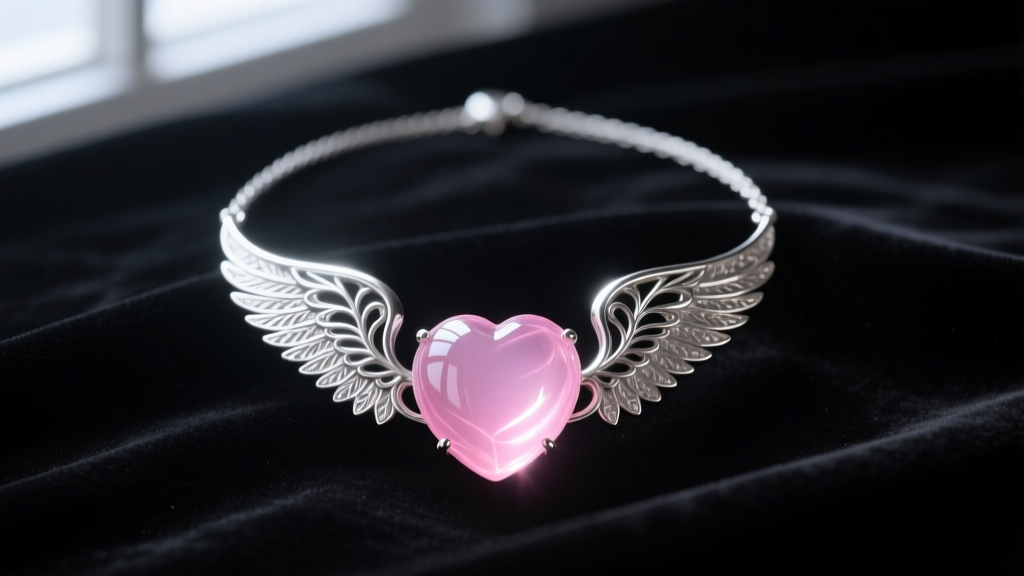
The Anatomy of a Heart of Kandrakar Replica
For fans of the iconic 2000s animated series and comic, the W.I.T.C.H. necklace—specifically the Heart of Kandrakar pendant worn by Will Vandom—is the ultimate symbol of nostalgia and magical guardianship. Whether you possess a vintage 2005 Disney Store release, a mass-produced Halloween costume piece, or a high-end 3D-printed and resin-cast commission from a modern artisan, these replicas share common structural vulnerabilities. Over time, the base metals tarnish, the resin spheres yellow from UV exposure, and the internal light-up mechanisms fail.
Restoring a W.I.T.C.H. necklace requires an understanding of its core anatomy. Most replicas consist of four main components: the winged metal housing (often cast from zinc alloy or pewter), the translucent resin diffuser sphere, the internal LED and battery housing, and the suspension system (a jump ring, bail, and chain). By breaking down the restoration process into targeted troubleshooting steps, you can bring your magical artifact back to its original glory.
Essential Tools for Pendant Restoration
Before attempting any repairs on your W.I.T.C.H. necklace, gather the following jewelry repair and electronics tools. Working with small, fragile costume jewelry components requires precision to avoid cracking the resin or stripping the soft metal alloys.
- Precision Spudger & Micro-Screwdrivers: For prying open glued battery hatches without marring the metal finish.
- Fiberglass Scratch Pen: Essential for cleaning corroded battery contacts inside the LED housing.
- 3M Wetordry Sandpaper: Grits ranging from 1000 to 3000 for wet-sanding yellowed resin.
- Plastic Polish: Such as Novus 2 (Fine Scratch Remover) and Novus 1 (Clean & Shine).
- Jewelry Pliers: Chain-nose and round-nose pliers for replacing jump rings and clasps.
- Adhesive: B-7000 or E6000 craft adhesive for resealing the pendant housing.
Troubleshooting Common W.I.T.C.H. Necklace Issues
Issue 1: The Light-Up Feature Stopped Working
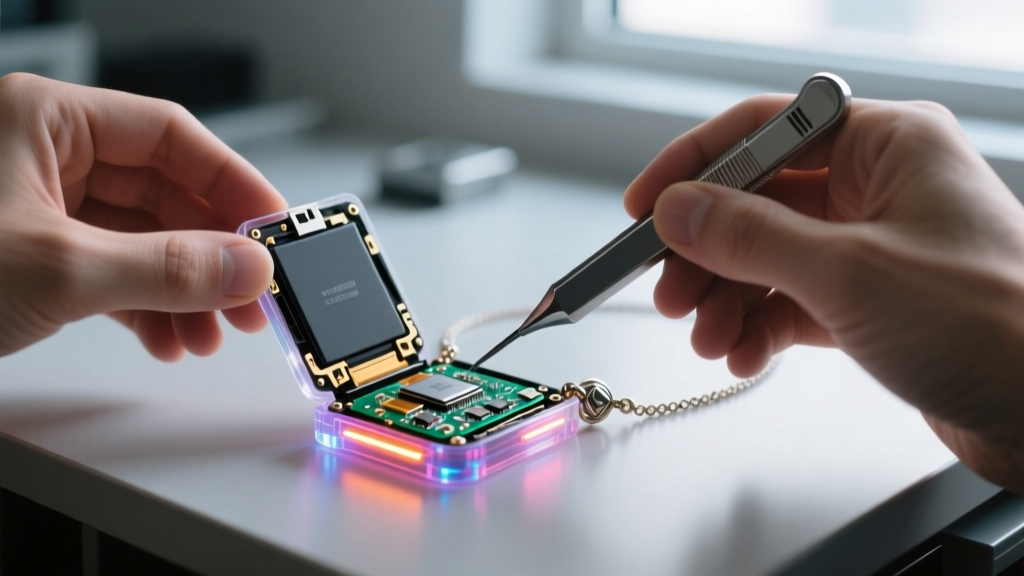
The most frequent failure point in any light-up W.I.T.C.H. necklace replica is the power source. Vintage replicas typically use either a CR927 (3V lithium coin cell) or an LR41/AG3 (1.5V alkaline button cell). If your pendant has stopped glowing, follow these steps:
- Locate the Battery Hatch: Some modern Etsy replicas feature a micro-screw hatch on the back of the winged housing. If yours is a vintage piece, the back plate is likely sealed with E6000 adhesive.
- Softening the Adhesive: If sealed, use a heat gun on its lowest setting (around 150°F / 65°C) to gently warm the back plate for 30 seconds. This softens the glue without melting the internal plastic LED diffuser.
- Prying the Hatch: Insert a precision spudger into the seam and gently twist. Avoid using metal flathead screwdrivers, as they will chip the soft zinc alloy.
- Cleaning Contacts: If the old battery has leaked, you will see white or green crust on the metal contacts. Use a fiberglass scratch pen to gently scrub away the corrosion, followed by a cotton swab dipped in 99% isopropyl alcohol.
- Battery Replacement: Insert the correct replacement battery. Warning: Never stack two LR41 batteries to mimic the voltage of a CR927; the excess thickness will crack the resin sphere when you attempt to close the housing.
Issue 2: Resin Yellowing and Cloudiness
The pink or orange 'gem' of the Heart of Kandrakar is almost always made from cast epoxy or polyurethane resin. Over years of exposure to UV light and skin oils, this resin undergoes photodegradation, resulting in a cloudy, yellowish tint. You can reverse surface-level yellowing through wet-sanding and polishing.
Begin by removing the resin sphere from the metal housing if possible. If it is permanently glued, tape off the surrounding metal wings with painter's tape. Wet-sand the resin using 1000-grit sandpaper and distilled water, moving in circular motions. Progress to 2000-grit, and finish with 3000-grit until the surface feels completely smooth and glass-like. According to the experts at Novus Polish, applying a specialized plastic polishing compound like Novus 2 with a microfiber cloth will buff out the micro-scratches left by the sandpaper, restoring optical clarity to the resin.
Issue 3: Chain Tarnish and Clasp Failure
Mass-produced W.I.T.C.H. necklaces usually feature chains made from 'pot metal'—a cheap zinc and copper alloy plated with a thin layer of nickel or silver-tone paint. When the plating wears off, the copper reacts with the acidity in your sweat, turning your skin green and causing the chain to become brittle and snap.
Instead of repeatedly polishing a degrading chain, the most effective troubleshooting step is a complete material upgrade. You can easily detach the pendant bail and re-hang it on a higher-quality chain.
Material Upgrade Comparison Chart
| Chain Material | Durability & Tarnish Resistance | Estimated Cost (2026) | Best For |
|---|---|---|---|
| Original Base Metal | Poor. Plating flakes off; high tarnish and skin reaction risk. | $5 - $12 | Strict screen-accurate cosplay where authenticity outweighs wearability. |
| 316L Stainless Steel | Excellent. Hypoallergenic, waterproof, and will not turn skin green. | $15 - $25 | Everyday wear, conventions, and long-term durability. |
| Argentium Sterling Silver | Superior. Contains germanium for extreme tarnish resistance; precious metal. | $60 - $120 | High-end collector displays and fine jewelry integration. |
When swapping the chain, pay close attention to the jump ring connecting the pendant bail to the chain. Most replica bails require a 5mm outer-diameter jump ring in an 18-gauge or 20-gauge thickness. Sourcing high-quality jump rings from reputable jewelry suppliers like Fire Mountain Gems ensures the ring won't pull apart under the weight of the heavy resin and metal pendant.
Long-Term Storage and Preventative Care
Once your W.I.T.C.H. necklace has been repaired, upgraded, and polished, proper storage is critical to prevent the issues from returning. Resin is highly susceptible to thermal expansion and UV damage, while the internal LED contacts can corrode if exposed to humidity.
"Never store light-up costume jewelry with the batteries installed for long periods. Battery acid leaks are the number one cause of irreversible damage to internal LED wiring in 2000s novelty pendants."
Store the necklace in a sealed, opaque jewelry box lined with anti-tarnish treated flannel. Include a small silica gel desiccant packet in the box to control ambient moisture and protect the internal battery contacts from oxidation. If you wear the necklace to conventions or events, always wipe down the metal wings and resin sphere with a damp microfiber cloth upon returning home to remove acidic skin oils and cosmetic residues.
Knowing When to Seek Professional Help
While most W.I.T.C.H. necklace troubleshooting can be done at home, certain issues require professional intervention. If the internal LED wiring has completely snapped off the circuit board, or if the resin sphere has developed deep, structural cracks from being dropped, a professional prop-maker or jeweler specializing in cosplay commissions will have the specialized UV-resin fillers and micro-soldering equipment required to save the piece. By understanding the limits of DIY repair, you ensure that your Heart of Kandrakar remains a functional, glowing tribute to the magical universe you love.


