Beginner's Guide to Buying a Real Black Pearl Necklace
Learn how to identify, grade, and buy a real black pearl necklace. Discover Tahitian vs. dyed pearls, pricing, and expert styling tips.

The Allure and Reality of Dark Pearls
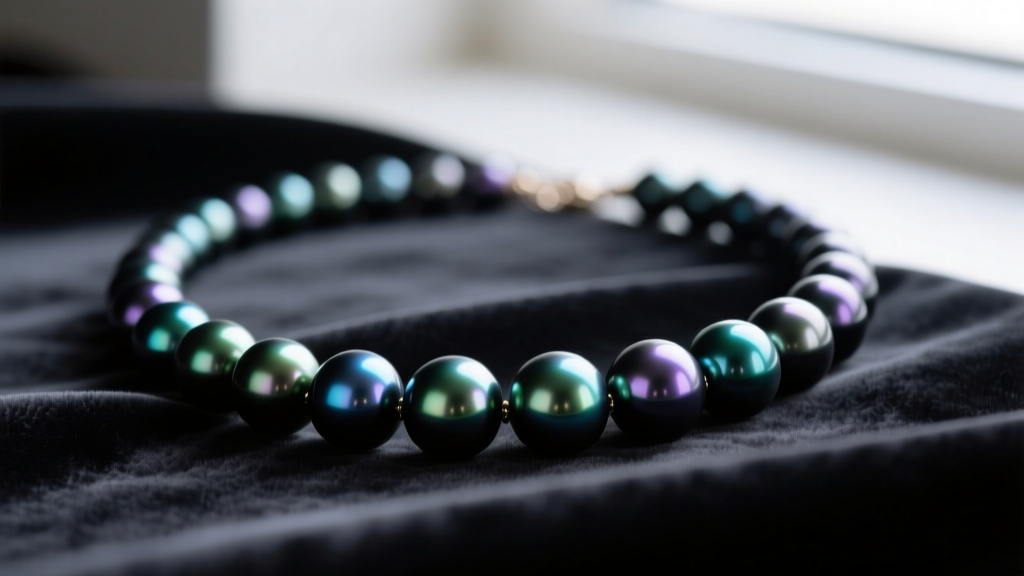
When most beginners begin searching for a real black pearl necklace, they envision a strand of pitch-black, perfectly round gems. However, the gemological reality is far more nuanced and infinitely more beautiful. True, solid black pearls do not exist in nature; instead, genuine dark pearls exhibit a mesmerizing array of charcoal, silver, and deep gray body colors accompanied by vibrant, iridescent overtones. Navigating the market requires a solid understanding of pearl biology, grading systems, and the common treatments used to mimic high-end gems. This guide will equip you with the exact specifications and expert insights needed to confidently purchase an authentic dark pearl necklace.
The Biology: What Makes a Pearl Truly "Black"?
The only naturally dark pearls produced on a commercial scale come from the Pinctada margaritifera oyster, commonly known as the black-lipped oyster. These are primarily cultured in the atolls of French Polynesia and are universally referred to as Tahitian pearls. According to the Gemological Institute of America (GIA), the dark nacre of the black-lipped oyster is what gives these pearls their signature charcoal-to-gray body color.
It is crucial for beginners to understand that if a pearl is jet-black with no secondary hues and a flat, plastic-like shine, it is almost certainly a dyed freshwater pearl, a dyed Akoya pearl, or a glass imitation. Authentic Tahitian pearls typically range from 8mm to 16mm in diameter, with the Pinctada margaritifera oyster being significantly larger than the oysters used for white Akoya pearls.
Decoding Tahitian Pearl Overtones
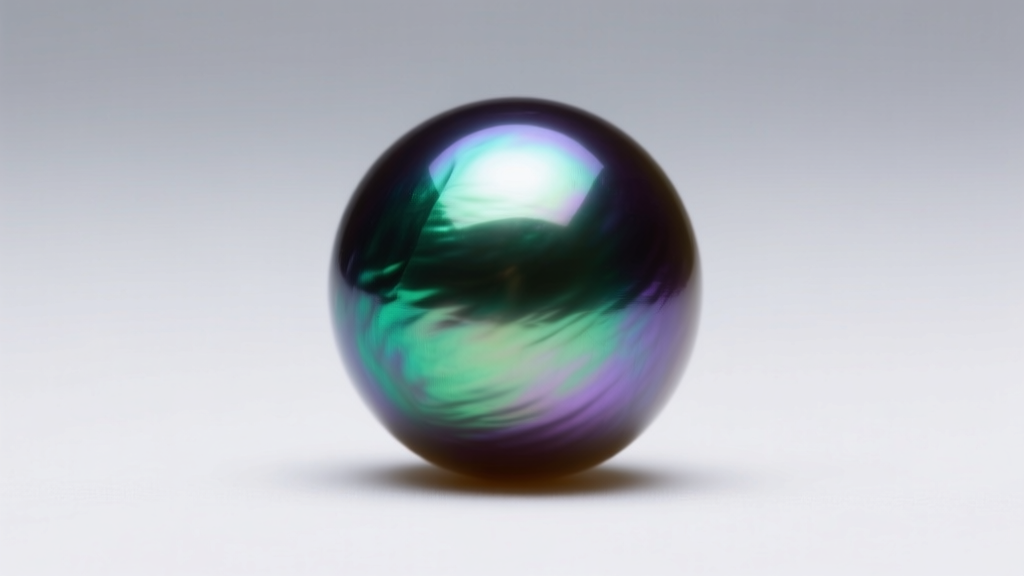
The true value of a real black pearl necklace lies not in the darkness of the body color, but in the complexity of its overtones. The most highly prized Tahitian pearls exhibit "peacock" overtones—a stunning, shifting combination of green, purple, and pink that dances across the surface of the nacre when the pearl is moved in the light.
- Peacock: A dark green-gray body with strong purple and pink iridescence. This is the most valuable and sought-after color combination.
- Aubergine: A deep, purplish-gray body color that resembles the skin of an eggplant.
- Pistachio: A lighter, yellowish-green body color, often with silver or gold overtones.
- Silver: A cool, steel-gray body with subtle blue or green undertones, offering a modern, sleek aesthetic.
How to Spot Dyed and Fake Black Pearls
The market is heavily saturated with dyed pearls sold as genuine Tahitian gems. Unscrupulous vendors often use a silver nitrate treatment to artificially darken the nacre of cheaper, thin-skinned freshwater pearls. Here is how you can perform a preliminary authentication check before purchasing:
The Drill Hole Inspection
Using a 10x jeweler's loupe, examine the drill hole of the pearl. In a naturally colored Tahitian pearl, the color should be consistent from the outer nacre layers down to the shell bead nucleus. If you notice a dark, concentrated ring of color right at the surface of the drill hole, or if the nucleus inside appears stark white while the exterior is black, the pearl has been chemically dyed. The American Gem Society (AGS) strongly advises buyers to request magnification photos of drill holes when shopping for dark pearls online.
The Tooth Test and Luster Quality
Gently rub the pearl against the biting edge of your front tooth. A genuine cultured pearl will feel distinctly gritty or sandy due to the microscopic crystalline structure of the nacre (aragonite platelets). Glass or plastic imitations will feel perfectly smooth. Furthermore, dyed pearls often suffer from a loss of luster during the chemical bath, resulting in a dull, metallic, or chalky appearance rather than the deep, mirror-like glow of untreated Tahitian nacre.

Tahitian Pearl Grading and Pricing Matrix
Unlike diamonds, there is no single, globally mandated grading system for pearls. However, the French Polynesian government export grading system (A through D) and the AAA-A system used by many international jewelers are the industry standards. Below is a realistic pricing matrix for a 16-inch real black pearl necklace in the current market, assuming authentic, untreated Tahitian origin with good to excellent luster.
| Pearl Size (mm) | Export Grade | Retail Equivalent | Surface Quality | Estimated Price Range (USD) |
|---|---|---|---|---|
| 8.0 - 9.0 mm | Grade B | AA+ | Minor blemishes on 30% of surface | $1,200 - $2,500 |
| 9.0 - 11.0 mm | Grade A/B | AAA | Very light blemishes, high luster | $3,000 - $6,500 |
| 11.0 - 13.0 mm | Grade A | AAA+ | Clean to very slightly blemished | $8,000 - $15,000 |
| 13.0+ mm | Top Grade A | Gem Grade | Flawless to naked eye, peacock overtone | $18,000 - $35,000+ |
Note: A single Tahitian pearl pendant on an 18k gold chain will typically cost between $150 and $800, depending on the exact size, shape (baroque vs. round), and overtone rarity.
Stringing, Knotting, and Clasp Hardware
The longevity of your necklace depends heavily on the materials used to string it. A high-quality real black pearl necklace should never be strung on cheap cotton or monofilament wire, which can stretch, snap, or harbor moisture that damages the nacre from the inside out.
Thread Selection and Knotting
Traditional Japanese silk thread remains the gold standard for knotting pearls. Silk provides a beautiful drape and allows the pearls to move fluidly against the skin. However, modern synthetic alternatives like PowerPro (a braided polyethylene thread) are gaining traction among master stringers because they do not stretch or degrade when exposed to humidity and skin oils. Every single pearl must be individually knotted. This prevents the pearls from rubbing against one another—which can cause permanent nacre abrasion—and ensures that if the strand breaks, you only lose one pearl.
French Wire and Clasp Mechanics
Look for "French wire" (also known as gimp) at the ends of the necklace where the thread meets the metal clasp. This is a tiny, hollow coil of fine gold or silver wire that wraps around the silk thread, protecting it from being sawed through by the metal loop of the clasp over time. The clasp itself should be crafted from 14k or 18k gold or platinum, featuring a secure mechanism such as a lobster claw or a filigree box clasp with a figure-eight safety catch.
Essential Care and Maintenance
Tahitian pearls are organic gems, ranking at a mere 2.5 to 3.0 on the Mohs hardness scale. They are highly susceptible to acids, heat, and dehydration. To preserve the structural integrity and luster of your necklace, adhere to the following maintenance protocols:
The Golden Rule of Pearl Care: Always put your pearls on after applying cosmetics, perfumes, and hairspray, and take them off before showering, swimming, or exercising. The chlorine in pools and the acids in human sweat will rapidly etch the nacre, leaving it dull and pitted.
After each wear, gently wipe the pearls with a soft, lint-free microfiber cloth slightly dampened with distilled water to remove body oils and environmental pollutants. Never use ultrasonic cleaners, steam cleaners, or commercial jewelry dips, as the high-frequency vibrations and harsh chemicals will strip the nacre and dissolve the silk thread. If you wear your necklace weekly, have it professionally inspected and restrung every 18 to 24 months to prevent catastrophic thread failure.
Styling Your Dark Pearl Necklace
A real black pearl necklace is a versatile statement piece that bridges the gap between classic elegance and modern edge. For a contemporary look, pair a shorter 16-inch choker or princess-length strand with a crisp white button-down shirt or a structured black blazer; the high contrast will make the peacock overtones pop brilliantly. For formal evening wear, an 18-inch opera-length strand draped over a deep V-neckline or a backless gown draws the eye and elongates the neck. Avoid pairing dark pearls with heavy, competing gemstone necklaces; let the complex, natural iridescence of the Tahitian pearls stand entirely on their own.


