Real Pearl Necklace Buying Guide: What to Look For
Learn how to choose a real pearl necklace. Discover nacre metrics, GIA grading factors, and pricing for Akoya, Tahitian, and South Sea strands.

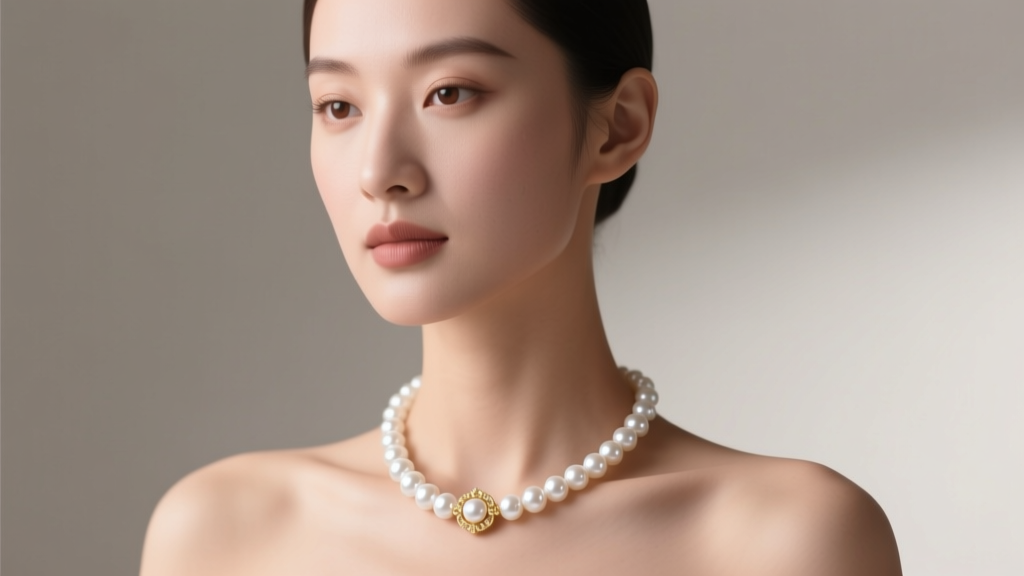
Investing in a real pearl necklace is a milestone purchase that bridges the gap between timeless elegance and tangible asset value. However, the modern pearl market is saturated with misleading terminology, advanced synthetic imitations, and heavily treated low-grade specimens. Whether you are seeking a classic Akoya strand or a dramatic Tahitian rope, understanding the gemological metrics that dictate value is essential. This comprehensive buying guide breaks down the exact specifications, structural requirements, and pricing realities you need to navigate the market with confidence.
The Modern Pearl Landscape: Beyond the Basics
Before evaluating individual strands, it is crucial to understand the current state of pearl farming. The market is no longer just divided between 'saltwater' and 'freshwater.' The introduction of nucleated freshwater pearls, commonly known as Edison pearls, has fundamentally disrupted the industry. These pearls are grown in freshwater mussels using bead-nucleation techniques similar to saltwater farming, resulting in large, round, highly lustrous pearls that rival saltwater varieties at a fraction of the cost. When shopping, always ask if a freshwater strand is tissue-nucleated (traditional, often off-round) or bead-nucleated (Edison, rounder, higher luster).
Decoding Pearl Types: A Comparative Breakdown
Each pearl variety possesses distinct characteristics, size ranges, and price points. Use this table as a baseline reference when evaluating a real pearl necklace.
| Pearl Type | Primary Origin | Typical Size Range | 2026 Price Range (18-inch Strand) | Best For |
|---|---|---|---|---|
| Akoya | Japan, Vietnam | 6.0mm - 9.5mm | $400 - $3,500+ | Classic, high-luster bridal or formal wear |
| Tahitian | French Polynesia | 8.0mm - 15.0mm | $600 - $5,000+ | Bold, dark overtones, statement pieces |
| South Sea | Australia, Philippines | 9.0mm - 20.0mm | $1,500 - $15,000+ | Luxury investment, satin luster, large presence |
| Freshwater | China | 4.0mm - 12.0mm | $50 - $800 | Everyday wear, budget-conscious buyers |
| Edison | China | 11.0mm - 16.0mm | $300 - $2,000 | Large size and high luster on a moderate budget |
The GIA Value Factors: Grading Your Strand
Unlike diamonds, pearls do not have a single, universally standardized grading system mandated by law. However, the Gemological Institute of America (GIA) provides the most respected framework for evaluating pearl quality. When examining a real pearl necklace, assess these five critical factors:
1. Luster: The Soul of the Pearl
Luster is the single most important value factor. It refers to the sharpness and intensity of light reflecting off the pearl's surface and from within the nacre layers. High-quality Akoya pearls should exhibit 'mirror-like' luster, where you can clearly see your reflection on the surface. South Sea pearls, by contrast, possess a softer, 'satiny' luster due to their thicker, more crystalline nacre structure. Avoid pearls that appear chalky, dull, or milky, as this indicates poor nacre quality or premature harvesting.
2. Surface Quality: Managing Expectations
Pearls are organic gems grown in living creatures, meaning flawless surfaces are exceptionally rare. The GIA grades surface quality from Clean to Heavily Blemished. Minor blemishes like tiny pits, bumps, or wrinkles are acceptable and prove the pearl's organic origin, provided they do not compromise the pearl's structural integrity. Avoid strands with deep cracks, chips, or large chalky spots, as these can worsen over time.
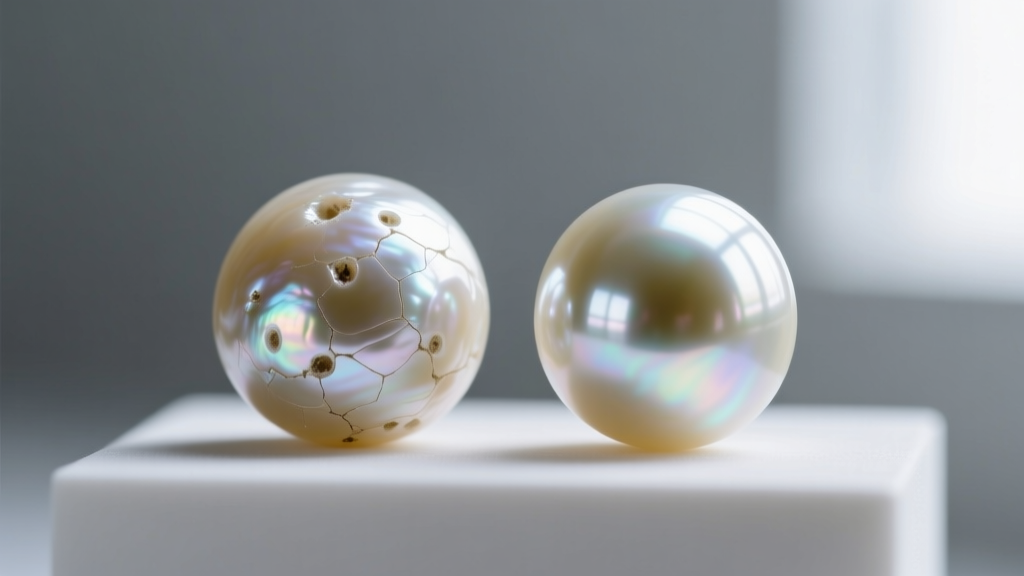
3. Shape: The Symmetry Premium
Perfectly round pearls command the highest premiums, especially in Akoya and South Sea varieties. However, near-round strands offer excellent value, appearing perfectly spherical to the naked eye when worn. Symmetrical shapes like drops or ovals are also highly valued if used in deliberate, matched designs. Baroque (asymmetrical) pearls are prized for their unique, artistic appeal but should be priced significantly lower than round equivalents.
Nacre Thickness: The Non-Negotiable Metric
Nacre is the crystalline substance the mollusk secretes around the nucleus. Its thickness dictates the pearl's durability, luster, and longevity. A pearl with thin nacre will eventually peel, flake, or crack, rendering the necklace worthless. According to GIA guidelines, nacre thickness varies drastically by type:
- Akoya: Look for a minimum of 0.4mm. Premium Hanadama-certified strands typically boast 0.6mm to 1.0mm+ of nacre.
- Tahitian: French Polynesian law mandates a minimum export thickness of 0.8mm, making Tahitian pearls inherently durable.
- South Sea: Nacre typically ranges from 2.0mm to 6.0mm, making them incredibly resilient and long-lasting.
- Freshwater: Traditional tissue-nucleated freshwater pearls are nearly 100% solid nacre, making them highly durable despite their lower price point.
Pro Tip: You can often estimate nacre thickness by looking closely at the drill hole. If you see a distinct, sharp line separating a dark bead nucleus from a thin outer layer of nacre, walk away.
Strand Construction: Fine Jewelry vs. Costume Pieces
The way a real pearl necklace is assembled is just as important as the pearls themselves. High-end pearl strands are meticulously constructed to ensure longevity and drape.
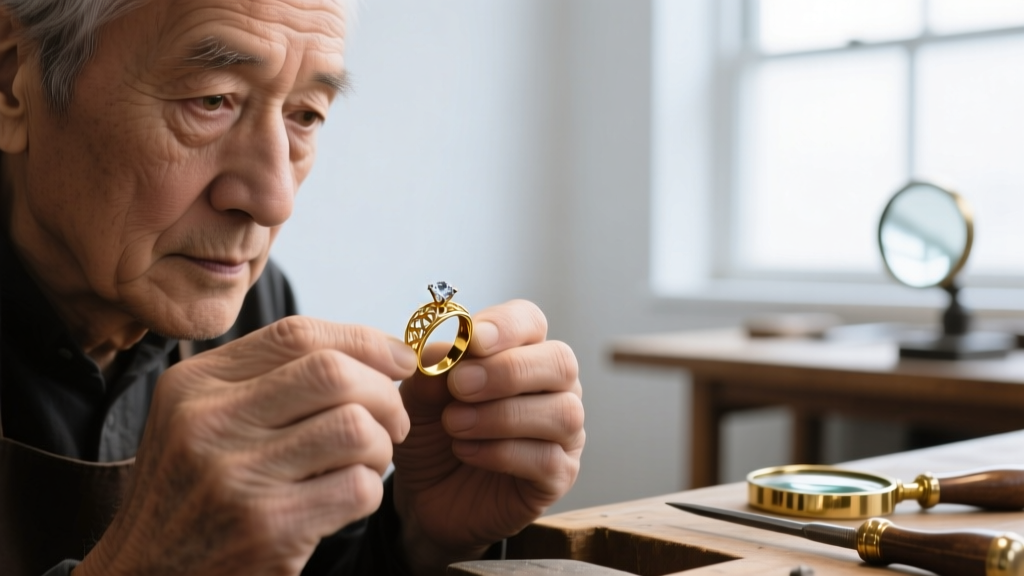
The Importance of Silk Knotting
Every fine pearl necklace must be individually knotted on pure silk thread. Knots serve two vital purposes: they prevent the loss of multiple pearls if the strand breaks, and they prevent the pearls from rubbing against each other, which can cause friction damage to the nacre. The knots should be tight, uniform, and proportionate to the drill holes. If the pearls slide freely along the string without knots, it is a hallmark of cheap, mass-produced costume jewelry.
French Wire and Clasps
Inspect the ends of the necklace where the silk attaches to the clasp. Reputable jewelers use 'French wire' (also known as gimp), a tiny coiled metal spring that covers the silk, protecting it from fraying against the metal clasp ring. Furthermore, the clasp itself should be crafted from solid 14k or 18k gold, or platinum, and feature a secure locking mechanism, such as a fishhook or a box clasp with a safety latch.
Authenticity Tests You Can Perform In-Store
While advanced testing requires a gemological lab, you can perform a few preliminary checks when evaluating a strand in person:
- The Temperature Test: Real pearls feel distinctly cool to the touch and take a few seconds to warm up against your skin. Glass or plastic imitations will feel room temperature or warm up instantly.
- The Tooth Test: Gently rub the pearl against the biting edge of your front tooth. A real pearl will feel slightly gritty or sandy due to its microscopic crystalline nacre structure. Imitation pearls will feel perfectly smooth. Note: High-quality Edison pearls can sometimes feel surprisingly smooth, so use this test in conjunction with other factors.
- The Weight Test: Real pearls have a substantial, dense heft. Plastic imitations feel unnaturally light, while solid glass imitations often feel excessively heavy.
Pricing Expectations and Certification
When budgeting for a real pearl necklace, be wary of deals that seem too good to be true. A strand of 8mm 'Tahitian' pearls selling for $150 is almost certainly dyed freshwater pearls. True Tahitian colors are natural and command premium prices. Similarly, perfectly round, blemish-free Akoya strands under $500 are likely synthetic or heavily bleached/filled low-grade stock.
For investment-grade necklaces (typically South Sea or premium Hanadama Akoya), always request a grading report from a reputable, independent gemological laboratory such as the GIA or the Cultured Pearl Association of America (CPAA). This documentation verifies the nacre thickness, treatment status, and origin, ensuring your investment is protected for generations to come.


