How Much Does a Real Pearl Necklace Cost in 2026?
Discover how much a real pearl necklace costs in 2026. We break down prices by type, grade, and size to help you buy authentic pearls wisely.

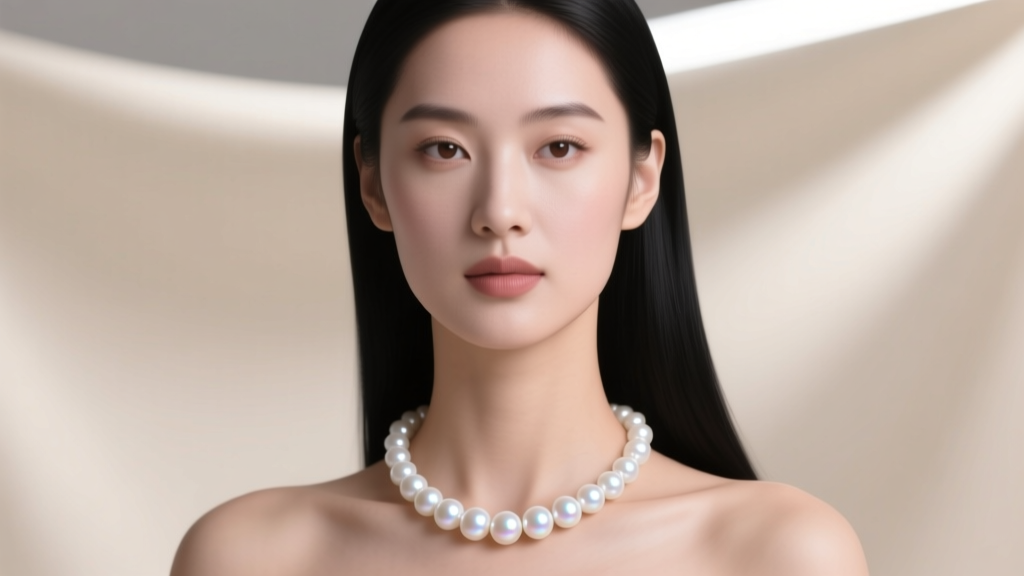
If you have ever shopped for pearl jewelry, you have likely asked yourself: how much does a real pearl necklace cost? The answer is notoriously complex. Unlike diamonds, which have a rigid, globally standardized pricing matrix, pearl pricing is influenced by a fluid combination of mollusk species, cultivation methods, luster quality, and surface cleanliness. In 2026, the market offers everything from $50 fashion-grade freshwater strands to $100,000+ investment-level South Sea masterpieces.
This beginner-friendly guide strips away the jewelry industry jargon. We will break down exact price ranges, explain the grading systems that dictate those prices, and show you where hidden costs lurk so you can buy with absolute confidence.
The Short Answer: Pearl Necklace Price Ranges
Before diving into the nuances of nacre thickness and overtone, here is a quick-reference table outlining what you can expect to pay for a standard 18-inch (princess length) knotted pearl necklace in today's market.
| Pearl Type | Typical Size Range | Entry-Level Price | Fine Jewelry Price | Collector/Investment Price |
|---|---|---|---|---|
| Freshwater | 6mm - 12mm | $50 - $150 | $300 - $1,500 | $2,000 - $5,000+ |
| Akoya | 6mm - 9.5mm | $300 - $600 | $1,000 - $4,500 | $5,000 - $15,000+ |
| Tahitian | 8mm - 16mm | $500 - $1,200 | $2,500 - $10,000 | $15,000 - $40,000+ |
| South Sea | 9mm - 20mm | $1,500 - $3,000 | $8,000 - $25,000 | $30,000 - $100,000+ |
Breaking Down Costs by Pearl Type
The species of mollusk and the environment in which it is cultivated form the foundation of a pearl's value. According to the GIA Pearl Quality Factors, the origin dictates the baseline rarity, which directly impacts the cost.
Freshwater Pearls: The Accessible Classic
Freshwater pearls are cultivated primarily in China using the triangle shell mussel. Because a single mussel can produce up to 30 pearls at a time, the supply is abundant, keeping prices highly accessible. However, do not mistake affordability for poor quality. Modern "Edison" freshwater pearls are bead-nucleated and can achieve near-perfect roundness and metallic luster that rivals saltwater varieties. A high-quality, 9mm round white freshwater necklace will cost between $400 and $800, offering incredible value for beginners.
Akoya Pearls: The Mirror-Like Standard
When you picture a classic, perfectly round white pearl necklace with sharp, mirror-like reflections, you are picturing the Japanese Akoya. Cultivated in saltwater bays, the Akoya oyster typically produces only one or two pearls per harvest. Their exceptional luster is due to the rapid secretion of crystalline nacre in cooler ocean waters. An 18-inch strand of 7mm to 7.5mm AA+ grade Akoya pearls generally costs between $800 and $1,500. If you demand flawless surfaces and "Hanadama" certification (the highest Japanese grade), expect to pay upwards of $3,500.
Tahitian and South Sea Pearls: The Luxury Investment
These saltwater giants are the heavyweights of the pearl world. Tahitian pearls, grown in the black-lipped oyster in French Polynesia, are famous for their dark body colors and peacock overtones. A respectable 10mm Tahitian strand starts around $1,500 but can easily exceed $15,000 for matched, high-luster specimens. White and Golden South Sea pearls, produced by the massive silver-lipped and gold-lipped oysters in Australia and the Philippines, are the rarest of all. Their thick nacre and satin luster command premium prices, with top-tier golden strands frequently selling for $20,000 to $50,000.
The Grading System: How Quality Dictates Price
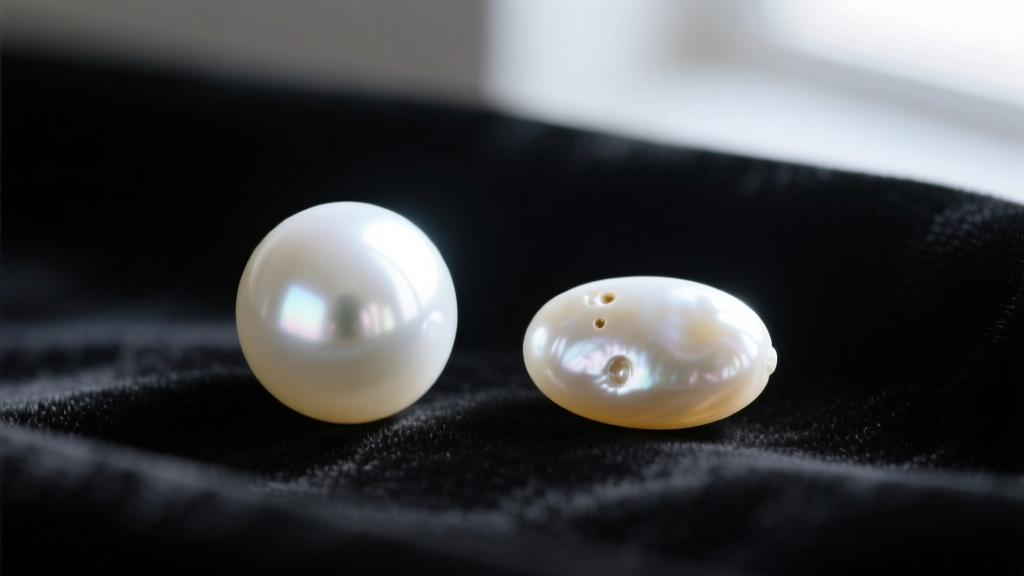
One of the most confusing aspects for beginners is the lack of a single, universally enforced grading system. While the GIA Pearl Description System provides a comprehensive scientific framework, the retail market predominantly relies on two commercial scales:
- The A-AAA Scale: Commonly used for Akoya and Freshwater pearls. "A" represents commercial grade with heavy blemishes, "AA" is good quality with minor flaws, and "AAA" is the top tier, featuring 95%+ clean surfaces and very high luster.
- The A-D (Tahitian) Scale: Used in French Polynesia, where "A" is the highest quality (90% clean surface, excellent luster) and "D" is the lowest exportable grade (over 60% surface defects).
Expert Tip: Never buy a high-end Akoya necklace without a certificate from the Pearl Science Laboratory (PSL) of Japan if it is marketed as "Hanadama." The term is heavily misused by unscrupulous online vendors. A true Hanadama certificate guarantees exceptional nacre thickness and a specific aura of luster.
Hidden Cost Factors Beyond the Pearls Themselves
When calculating how much a real pearl necklace costs, the gems are only part of the equation. The construction and finishing materials significantly alter the final retail price.
Stringing and Knotting
A genuine pearl necklace should be individually knotted between every single pearl. This prevents the pearls from rubbing against each other (which damages the nacre) and ensures that if the strand breaks, you only lose one pearl. High-end jewelers use pure silk thread, which stretches and requires professional re-stringing every few years. Budget necklaces often use synthetic nylon or wire, which lacks the traditional drape and can eventually cut through the pearl's drill hole.
The Clasp and Hardware
A heavy 18-karat gold clasp adorned with VS-grade diamonds can add $500 to $1,500 to the base price of the necklace. Many entry-level strands utilize sterling silver or 10-karat gold clasps to keep the total cost under a specific psychological price point. Always check the hallmark on the clasp; it should match the quality of the pearls it secures.
How to Avoid Overpaying for Fake or Treated Pearls
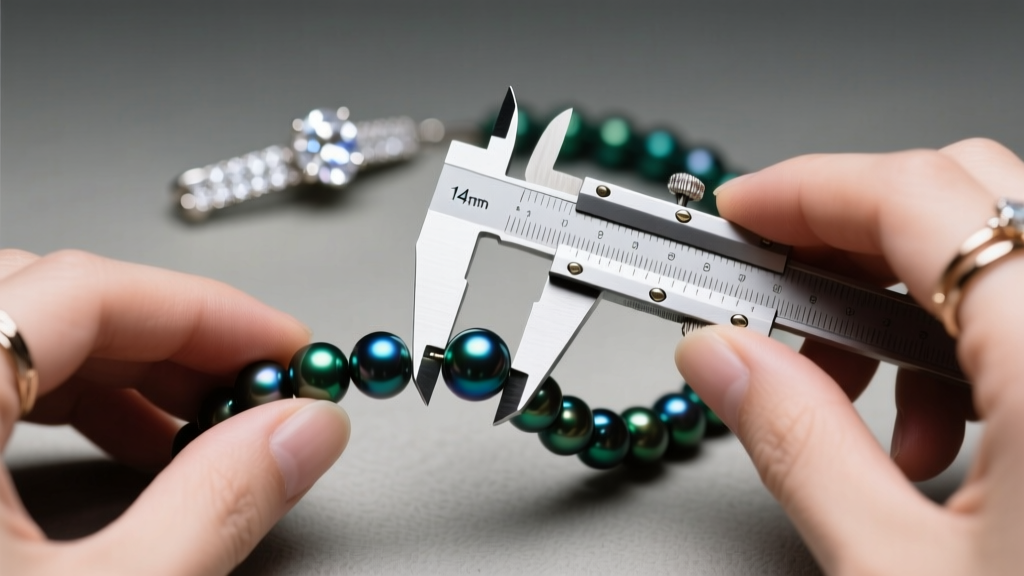
The market is saturated with imitation pearls (made from glass or coated plastic) and heavily treated saltwater pearls. Here is how to protect your wallet:
- The Tooth Test: Gently rub the pearl against the biting edge of your front tooth. A real pearl will feel slightly gritty or sandy due to its microscopic crystalline nacre structure. A fake pearl will feel perfectly smooth like glass.
- Watch for Irradiation: Some lower-quality freshwater pearls are irradiated to mimic the dark, exotic colors of Tahitian pearls. Irradiated pearls often have a uniform, flat black color with a metallic, unnatural shine, whereas genuine Tahitians display complex, shifting overtones of green, aubergine, and blue.
- Beware of "Shell Pearls": Often sold in tourist destinations, these are made by grinding up cheap oyster shells into a powder, mixing them with resin, and coating them in a synthetic pearlescent lacquer. They are completely worthless from a gemological standpoint.
Final Verdict: What Should a Beginner Budget?
Ultimately, how much you should spend depends entirely on your goals. If you want a beautiful, durable, and authentic necklace for everyday wear without breaking the bank, budget $200 to $500 for a high-grade (AAA) freshwater pearl strand. You will get excellent luster, near-perfect roundness, and a piece that will last a lifetime.
If you are shopping for a milestone gift, an engagement alternative, or a professional staple, allocate $1,000 to $2,500 for a classic 7mm to 8mm Akoya necklace. The sharp, mirror-like reflection of a fine Akoya is unmatched in the gem world and remains the ultimate symbol of timeless elegance. By understanding the variables of type, grade, and construction, you can confidently navigate the 2026 pearl market and secure a necklace that offers true, lasting value.


