Gifting Pearls: How Do You Tell If A Pearl Necklace Is Real?
Gifting pearls? Learn how do you tell if a pearl necklace is real with our expert authentication guide, grading tips, and occasion-matching advice.

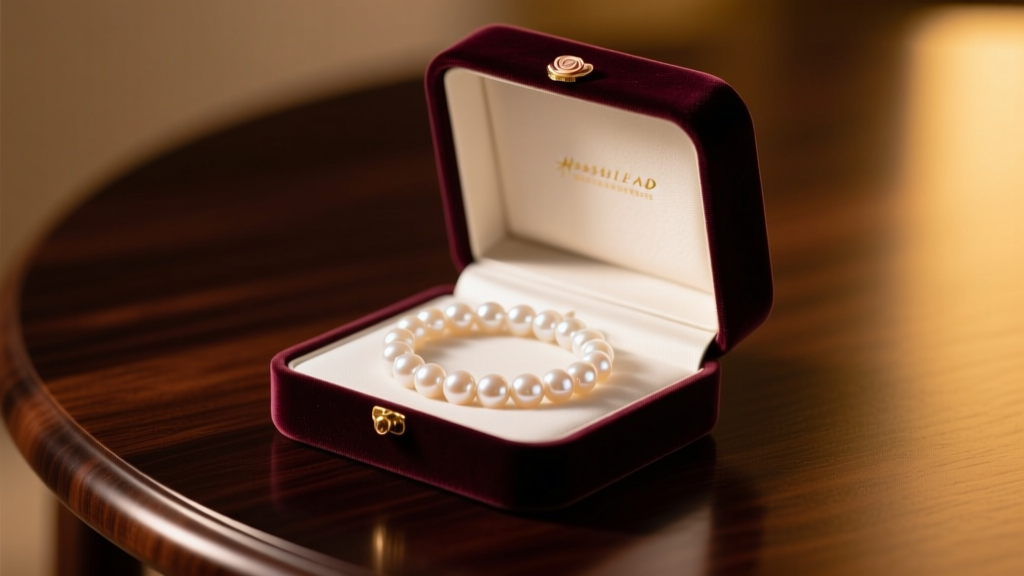
The High Stakes of Pearl Gifting
Gifting a pearl necklace is a timeless gesture, deeply rooted in traditions surrounding weddings, milestone anniversaries, and graduations. However, the modern jewelry market is saturated with sophisticated simulants. From glass beads coated in pearlescent paint (often called 'shell pearls') to high-end plastic composites, the untrained eye can easily be deceived. When shopping for a meaningful milestone gift, you might ask: how do you tell if a pearl necklace is real before making a significant financial and emotional investment?
According to the Gemological Institute of America (GIA), pearl simulants have evolved drastically over the last decade. In 2026, factory-made beads can mimic the basic luster of a natural or cultured pearl, but they fail under gemological scrutiny. Giving a fake pearl necklace as an anniversary or graduation gift can turn a joyous occasion into an embarrassing faux pas. This guide will equip you with actionable, expert-level authentication techniques and help you match genuine pearl varieties to the perfect life event.
How Do You Tell If A Pearl Necklace Is Real? The Core Tests
Authenticating pearls requires a multi-sensory approach. Relying on just one method can lead to misidentification, especially with heavily treated or composite stones. Here are the definitive tests used by jewelers and informed buyers.
1. The Tooth Test (Tactile Friction)
The most famous at-home authentication method is the tooth test. Gently rub the pearl against the biting edge of your front tooth. A real cultured or natural pearl is composed of microscopic crystalline aragonite platelets. These platelets create a distinct, gritty, sandpaper-like friction. Conversely, glass or plastic simulants will feel perfectly smooth and slippery. Expert Caveat: Never perform the tooth test on high-end South Sea or Tahitian pearls you do not yet own, as excessive pressure can damage the nacre. For expensive strands, rely on visual magnification instead.
2. Thermal Conductivity and Weight
Real pearls possess specific thermal properties. When you pick up a genuine pearl necklace, the stones should feel noticeably cool to the touch and take several seconds to warm up against your skin. Glass shell pearls often feel room-temperature immediately, while plastic imitations feel unnaturally warm. Furthermore, evaluate the weight. Real pearls have a specific gravity of roughly 2.6 to 2.8. Glass beads are often excessively heavy, while plastic beads feel suspiciously hollow and light.
3. Drill Hole and Surface Magnification
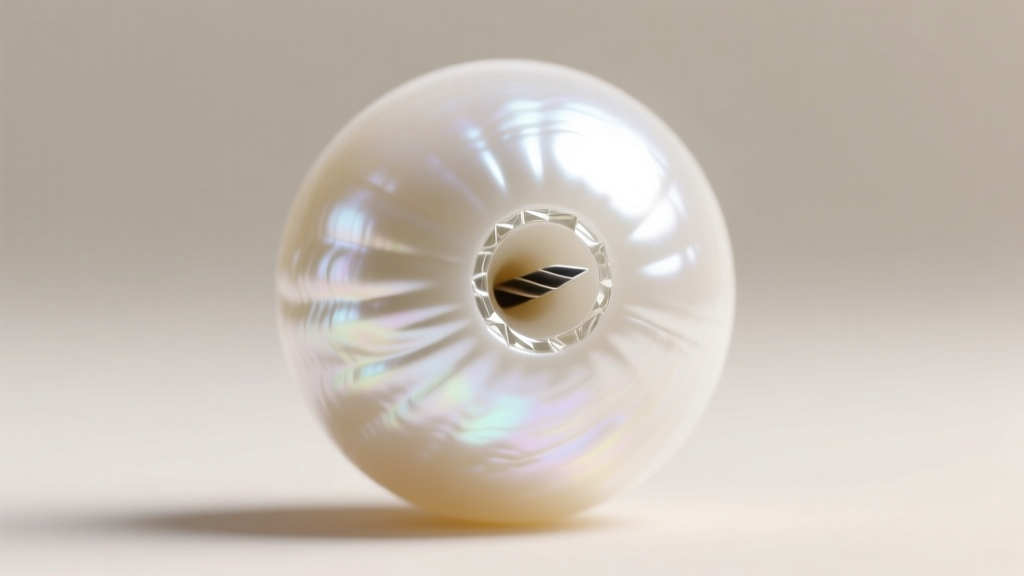
Use a 10x jeweler's loupe to inspect the drill holes and surface. Real pearls feature sharp, clean, and precise drill holes. Because the nacre is solid all the way through, the edges remain crisp. On fake pearls, the pearlescent coating often pools, chips, or peels around the drill hole, revealing the glass or plastic core beneath. Additionally, real pearls will show minor, natural imperfections—tiny ridges, bumps, or growth rings. If a strand is perfectly uniform and entirely blemish-free at a sub-$500 price point, it is almost certainly manufactured.
Decoding Pearl Grades and Types for Gift Giving
Once you have verified authenticity, the next step in gifting is selecting the right pearl variety. The American Gem Society recognizes several primary cultured pearl types, each with distinct price brackets, luster profiles, and traditional gifting associations. The rise of nucleated Edison freshwater pearls in recent years has disrupted the market, offering near-South Sea sizes at freshwater prices, but traditional categories remain the gold standard for luxury gifting.
| Pearl Type | Avg. Price (16-inch Strand) | Luster & Nacre Profile | Ideal Gifting Occasion |
|---|---|---|---|
| Freshwater | $50 - $400 | Soft, satiny luster; thick nacre but varied shapes. | Bridesmaids, Sweet 16, College Grads |
| Akoya | $300 - $3,000+ | Sharp, mirror-like luster; rose/silver overtones. | 1st Anniversary, Mother's Day, Prom |
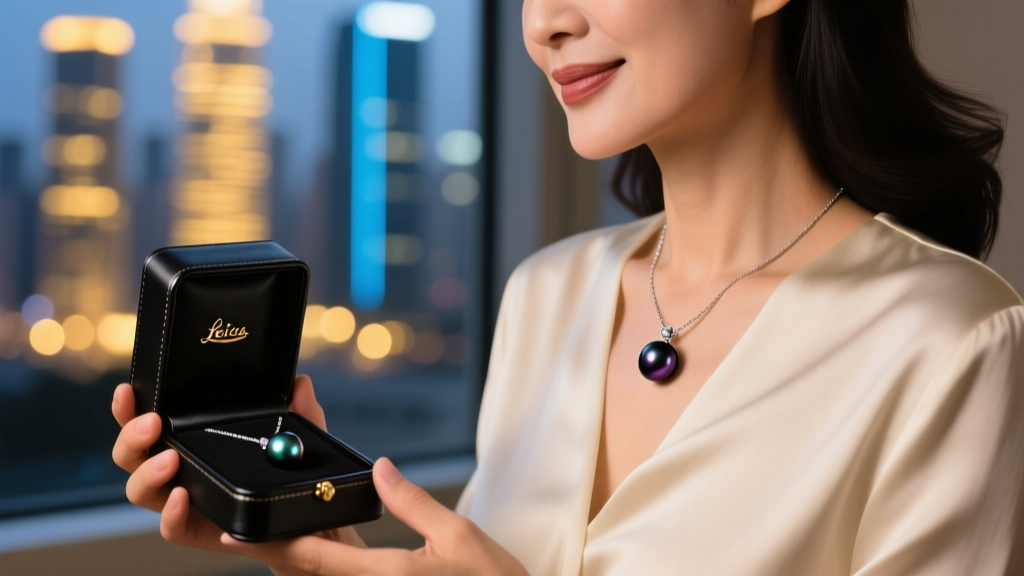
| Tahitian | $500 - $5,000+ | Dark, moody, exotic; peacock green/aubergine hues. | 15th Anniversary, Modern Fashionistas |
| South Sea | $1,500 - $15,000+ | Satiny, luxurious glow; massive sizes (10mm-20mm). | 30th Pearl Anniversary, Milestone Retirements |
Matching Authentic Pearls to Milestones and Occasions
Understanding the psychological and traditional weight of different pearl types ensures your gift resonates deeply with the recipient.
Graduations and Early Career Milestones
For high school or college graduations, a high-quality Freshwater or entry-level Akoya strand (6mm to 7.5mm) is the perfect choice. These pearls symbolize wisdom gained through experience and offer a sophisticated, professional aesthetic for a young woman entering the corporate world. Look for AAA-grade Freshwater pearls with high luster to ensure the gift feels premium without crossing the $300 threshold.
Weddings and Romantic Anniversaries
The classic bridal pearl is the Akoya. Known for their perfectly round shapes and sharp, mirror-like luster, Akoya pearls reflect light beautifully in wedding photography. For a 1st or 10th anniversary, upgrade to a Hanadama-certified Akoya strand. Hanadama is the highest Japanese grading standard, guaranteeing a nacre thickness of at least 0.4mm (though top tiers often exceed 0.8mm) and a flawless, deeply reflective luster with a rose overtone.
The 30th Pearl Anniversary and Major Retirements
The 30th wedding anniversary is traditionally the 'Pearl Anniversary.' This milestone demands the ultimate luxury: White or Golden South Sea pearls. Cultivated primarily in Australia and the Philippines, these pearls grow inside the massive Pinctada maxima oyster, resulting in breathtaking sizes (often 12mm to 16mm) and a thick, velvety nacre that glows from within. Gifting a South Sea strand communicates enduring, monumental love and profound respect.
Red Flags: Spotting Fakes in Retail and Vintage Markets
When shopping at estate sales, vintage shops, or even online marketplaces, be vigilant for these common warning signs that indicate a necklace is a simulant:
- The 'Majorica' Confusion: Majorica is a highly respected, century-old brand, but they manufacture simulated pearls (glass beads coated in a proprietary pearlescent lacquer). They are beautiful, but they are not real pearls. Ensure the recipient knows the difference if you gift vintage Majorica.
- Suspicious Knotting: High-end, real pearl necklaces are strung on silk thread with a hand-tied knot between every single pearl to prevent loss if the strand breaks. Fakes are often strung on cheap nylon without knots, or feature sloppy, oversized knots that gap away from the bead.
- Flawless Uniformity at Low Prices: Nature rarely produces perfection. If you find a 10mm, perfectly round, blemish-free strand with matching luster for $250, it is a factory-made shell pearl. Real 10mm round pearls (like South Sea or premium Edison) command exponentially higher prices.
- Peeling Coatings: Inspect the clasp area. Simulated pearls often chip or peel where they rub against the metal clasp, revealing the dull glass core underneath.
Your Final Gifting Checklist
Before you finalize your purchase and wrap the box, run through this quick authentication and quality checklist:
- Verify the Source: Buy from established jewelers who provide detailed nacre thickness and origin disclosures, not just vague terms like 'natural color.'
- Perform the Tactile Test: If examining in person, use the tooth test or thermal test to rule out glass and plastic.
- Check the Clasp and Stringing: Ensure the strand features individual silk knotting and a solid gold or platinum clasp (base metal clasps are rarely used on genuine, high-value pearls).
- Request a Certificate: For Akoya (Hanadama), Tahitian, or South Sea pearls over $1,000, insist on a gemological certificate from a reputable lab like the GIA or the Pearl Science Laboratory (PSL) of Japan.
By mastering how do you tell if a pearl necklace is real, you protect your investment and ensure that the heirloom you gift will be cherished, authentic, and deeply meaningful for generations to come.


