Real Silver Cross Necklace: 2026 Value & Pricing Guide
Discover if a real silver cross necklace is worth your budget in 2026. We break down sterling silver pricing, hallmarks, and value assessment tips.

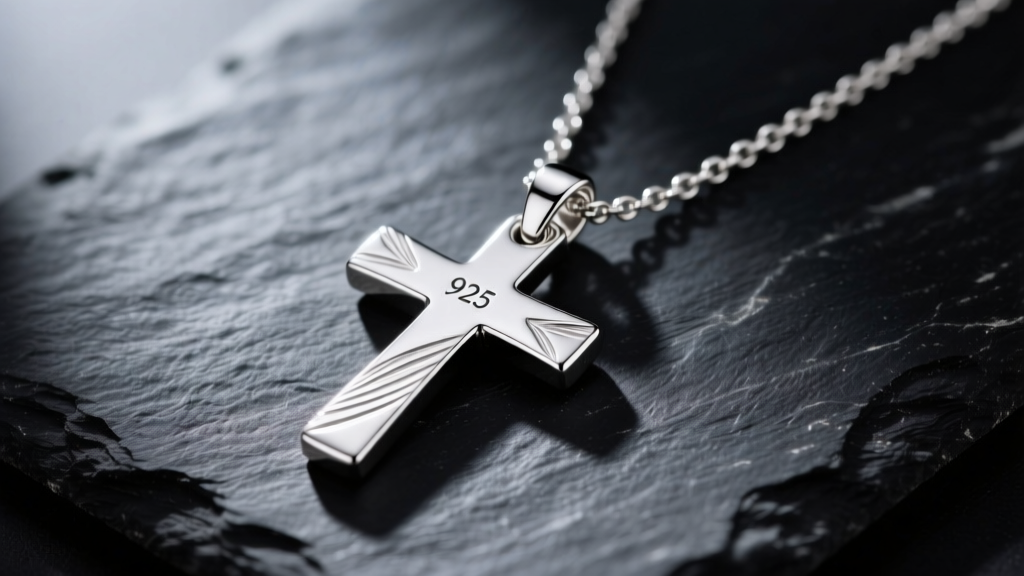
When shopping for a timeless piece of faith-based or fashion jewelry, a real silver cross necklace remains one of the most sought-after accessories on the market. However, as precious metal markets fluctuate and manufacturing techniques evolve, determining whether you are getting a fair deal in 2026 requires more than just a quick glance at a price tag. Budget-conscious buyers and value hunters must navigate a minefield of misleading hallmarks, deceptive plating, and inflated retail markups.
In this comprehensive value assessment, we break down the exact pricing structures, material grades, and weight metrics you need to know before purchasing a silver cross pendant and chain. Whether you are looking at a $30 mass-produced piece or a $300 artisan-crafted crucifix, this guide will help you determine the true return on your investment.
The True Cost of Silver in 2026
To assess the value of any silver jewelry, you must first understand the baseline cost of the raw material. Silver is a commodity, and its spot price dictates the floor value of your jewelry. According to Kitco Silver Spot Prices, silver has seen significant volatility over the last few years, often hovering between $25 and $32 per Troy ounce.
One Troy ounce equals exactly 31.1035 grams. If we assume a spot price of $28.00 per ounce, the raw melt value of pure silver is approximately $0.90 per gram. Because standard sterling silver is 92.5% pure silver and 7.5% alloy (usually copper), the intrinsic metal value of 925 sterling silver is roughly $0.83 per gram. Keeping this mathematical baseline in mind is the first step in avoiding severe retail markups.
Decoding Silver Purity: What Are You Actually Buying?
The Federal Trade Commission Jewelry Guides strictly regulate how precious metals can be marketed in the United States. However, international sellers and fast-fashion brands often exploit loopholes with confusing terminology. Here is how the most common silver grades compare in terms of value, durability, and pricing.
| Silver Grade | Purity | Durability | Value Assessment |
|---|---|---|---|
| 999 Fine Silver | 99.9% Silver | Poor (Too soft for daily wear, bends easily) | Highest melt value, but poor structural value for pendants. |
| 925 Sterling | 92.5% Silver | Excellent (Copper alloy adds necessary tensile strength) | The industry standard. Best balance of intrinsic value and longevity. |
| Coin Silver | 90.0% Silver | Very Good | Mostly found in vintage or antique crosses. Collectible value exceeds melt. |
| Silver Plated | <1% Silver | Poor (Plating wears off, exposing base metal) | Zero intrinsic value. Only buy if the design is exceptional and under $20. |
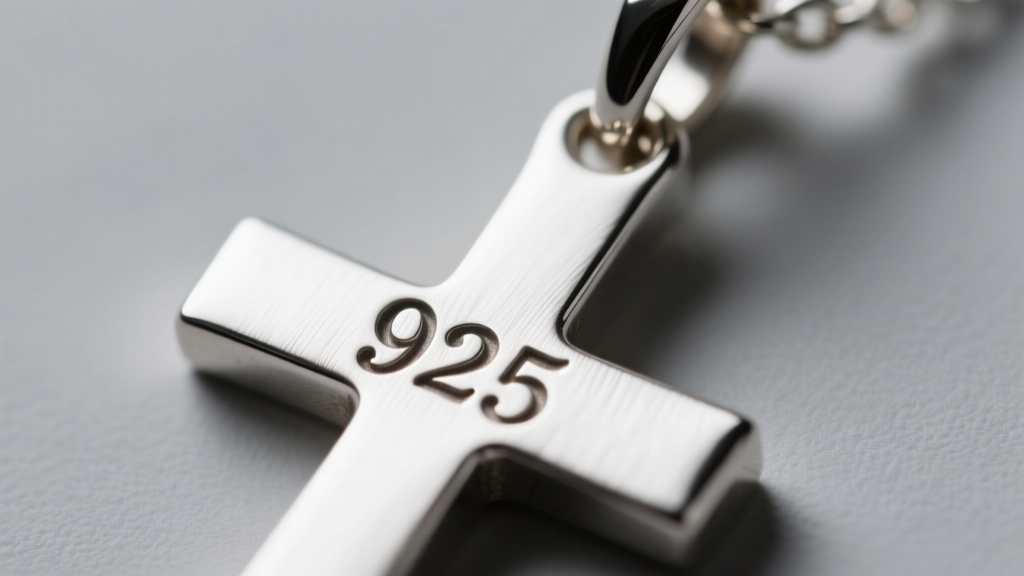
Always look for the "925", ".925", or "Sterling" stamp, typically located on the bail (the loop that holds the pendant) or the back of the cross. As noted by the Gemological Institute of America (GIA), a clear, deeply engraved hallmark is a strong indicator of legitimate manufacturing, whereas shallow, laser-etched marks can sometimes be faked by overseas counterfeiters.
Pricing Breakdown: What Should You Actually Pay?
When evaluating a real silver cross necklace, the retail price should reflect the weight of the silver, the complexity of the casting or fabrication, and any secondary treatments like rhodium plating or gemstone setting. Here is a realistic 2026 pricing framework:
- Budget Tier ($25 - $55): These pieces typically weigh between 2 and 5 grams. They are mass-produced via rubber mold casting, often featuring thin, hollowed-out backs to save on metal costs. The included chains are usually lightweight 1mm cable or box chains that weigh less than 3 grams. While affordable, the chains are prone to snapping if subjected to tension.
- Mid-Tier Value ($60 - $160): The sweet spot for quality. Pendants in this range weigh 6 to 14 grams and feature solid backs, detailed engraving, and high-quality antiquing (oxidation) to highlight the cross's texture. They are often paired with durable 2mm to 3mm rope or wheat chains that weigh 10 to 18 grams, providing excellent structural integrity.
- Premium & Designer ($180 - $400+): At this level, you are paying for brand prestige, artisan hand-engraving, or the addition of precious stones (like black onyx or diamonds). The silver weight often exceeds 20 grams. While beautiful, the retail markup here is typically 8x to 15x the raw melt value of the silver.
The Weight Factor: Calculating Melt Value vs. Retail Markup
Many buyers focus solely on the pendant and forget that the chain often accounts for 60% of the total silver weight in a necklace. A robust 20-inch, 3mm sterling silver rope chain can easily weigh 18 grams. At our baseline calculation, that chain alone contains roughly $15.00 worth of raw silver. If a retailer is selling the entire necklace (pendant and chain) for $45, you are getting an exceptional deal, as the manufacturing, rhodium plating, and shipping costs are barely being covered.
The Hidden Costs of Hardware and Finishes
Value isn't just about raw weight; it is also about the finishing touches. High-quality silver crosses are often plated with a micro-layer of rhodium. This platinum-group metal prevents the copper in the sterling alloy from oxidizing and turning your skin green or black. Rhodium plating adds roughly $5 to $12 to the wholesale cost of a piece. If a seller offers a "bright white, tarnish-resistant" silver cross for under $20, it is highly likely that the piece is actually brass or copper with a thick rhodium flash, containing no real silver at all.
Red Flags: Spotting Counterfeit or Overpriced Silver
To protect your budget, you must be able to identify deceptive marketing tactics. Here are the most common traps buyers face when shopping for silver religious and fashion pendants:
Expert Troubleshooting Tip: Always carry a small neodymium rare-earth magnet when shopping at estate sales or flea markets. Silver is diamagnetic, meaning it should not stick to a magnet. If your cross pendant or chain clings to the magnet, it contains ferrous metals like iron or steel and is absolutely not real silver.
- "Tibetan Silver" or "Nepalese Silver": These are marketing terms for base metal alloys (usually copper, zinc, and nickel) that contain 0% actual silver. They are often heavily antiqued to look vintage but can cause severe allergic reactions due to nickel content.
- "Nickel Silver" or "German Silver": Another deceptive name. These alloys contain no silver whatsoever. The FTC strictly prohibits the use of the word "silver" for these alloys unless preceded by the word "nickel" or "German", but online marketplaces frequently ignore this rule.
- Hollow-Back Pendants: Some manufacturers create large, impressive-looking crosses that are essentially silver shells filled with epoxy resin or left completely hollow. While this makes the piece lightweight and comfortable, you should not pay mid-tier prices for a pendant that weighs only 3 grams but measures 2.5 inches in height.
Final Verdict: Maximizing Your Budget
Is a real silver cross necklace a good investment? From a purely financial standpoint, silver jewelry carries a high retail markup and should not be viewed as a liquid financial asset like silver bullion coins. However, from a value and utility perspective, a well-crafted 925 sterling silver cross is an exceptional purchase.
To maximize your budget in 2026, aim for the mid-tier pricing bracket ($75 to $130). In this range, you secure a solid, heavy-duty chain that won't snap, a pendant with enough structural integrity to survive daily wear, and high-quality rhodium finishing to minimize maintenance. Always verify the 925 hallmark, weigh the piece if possible, and avoid the deceptive allure of "Tibetan" or heavily discounted hollow-cast alternatives. By focusing on weight, hardware quality, and legitimate hallmarks, you will secure a piece of jewelry that offers both enduring style and genuine material value.


