Styling the Red Chain Necklace: 2026 Trend Guide
Discover how to style the red chain necklace in 2026. Explore material grades, layering techniques, color theory, and price tiers for this bold trend.

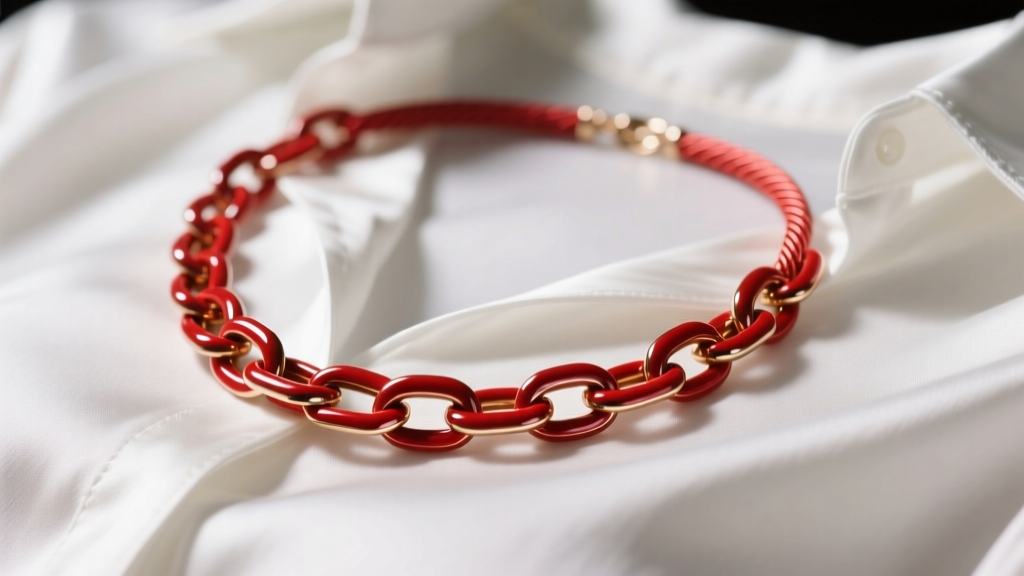
The jewelry landscape of 2026 has decisively pivoted from the understated 'quiet luxury' movement toward expressive, dopamine-driven styling. At the forefront of this chromatic renaissance is the red chain necklace. No longer confined to holiday wear or Valentine's Day gifting, the red chain necklace has emerged as a year-round anchor piece for fashion-forward wardrobes. Whether rendered in high-gloss cold enamel, anodized titanium, or interspersed with natural carnelian stations, this vibrant accessory demands attention while offering surprising versatility. According to recent trend forecasts highlighted by Vogue, color-blocking with fine jewelry is a dominant styling technique this year. But how do you integrate such a bold hue into your daily rotation without overwhelming your look? This comprehensive guide breaks down the metallurgy, styling frameworks, and market tiers of the modern red chain necklace.
Material Breakdown: What Makes a Quality Red Chain?
Not all red finishes are created equal. The longevity, skin-safety, and visual depth of a red chain necklace depend entirely on its manufacturing process. When shopping, you will primarily encounter four material categories.
| Material | Base Metal | Durability (1-10) | Price Range | Best For |
|---|---|---|---|---|
| Cold Enamel | S925 Silver | 7 | $80 - $250 | Everyday luxury |
| PVD Coating | 316L Steel | 9 | $40 - $120 | Water-resistant wear |
| Anodized Titanium | Grade 23 Ti | 10 | $60 - $150 | Hypoallergenic needs |
| Carnelian Beads | Silk Wire/Steel | 6 | $150 - $400 | Gemstone enthusiasts |
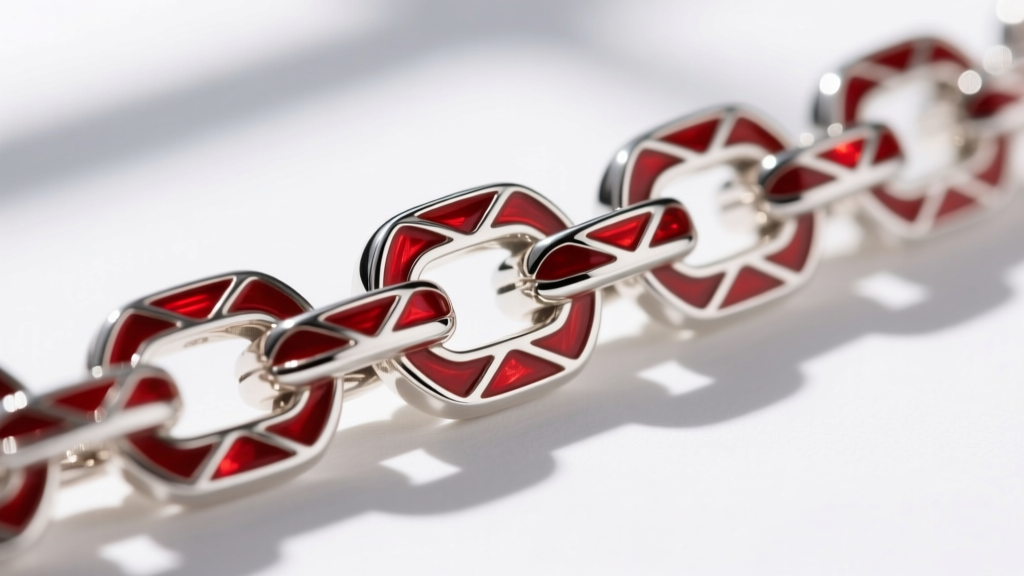
Cold enamel remains the gold standard for luxury red chains. Artisans use a champlevé technique, carving microscopic troughs into S925 sterling silver or 14k gold before firing glass-based enamel at high temperatures. The result is a rich, translucent crimson that mimics the depth of a ruby. Conversely, Physical Vapor Deposition (PVD) is the preferred method for water-resistant steel chains. PVD bonds a microscopic layer of red-tinted titanium nitride to 316L surgical steel, creating a scratch-resistant surface that will not flake or tarnish, even with daily exposure to sweat and perfumes. For those with severe nickel allergies, Grade 23 anodized titanium offers a hypoallergenic alternative, achieving a vibrant scarlet through electrolytic oxidation rather than surface dyes. Finally, natural gemstone beads, particularly carnelian and ruby, offer an organic, earthy take on the trend, though they require careful wire-wrapping or silk-knotting to maintain structural integrity.
Color Theory & Neckline Pairings
Styling a red chain necklace requires a foundational understanding of color theory and garment architecture. Red is a high-wavelength color that naturally draws the eye, making it an incredible tool for manipulating visual proportions.
- The Stark Contrast (White & Cream): A 2.0mm red cable chain against a crisp white poplin button-down or a cream cashmere turtleneck creates a striking, nautical-inspired contrast. The red acts as a visual punctuation mark, elevating basic staples into deliberate fashion statements.
- The Complementary Clash (Emerald & Forest Green): While traditionally avoided, pairing a deep oxblood red chain with emerald green silk is a hallmark of 2026 'dopamine dressing.' The key is to separate the hues with a neutral skin barrier or a metallic layering piece to prevent visual vibration.
- The Monochromatic Blend (Burgundy & Rust): For a more subdued approach, layer a bright cherry-red chain over a rust-colored slip dress. The analogous color palette creates a seamless, elongating effect.
Regarding necklines, the red chain necklace thrives on negative space. Scoop necks and deep V-necks provide the ideal canvas, allowing the chain to rest directly against the skin. Avoid wearing a bold red chain with busy, high-collared prints, as the competing visual data will diminish the impact of both the garment and the jewelry.
The Layering Matrix: Integrating Red into Metal Stacks
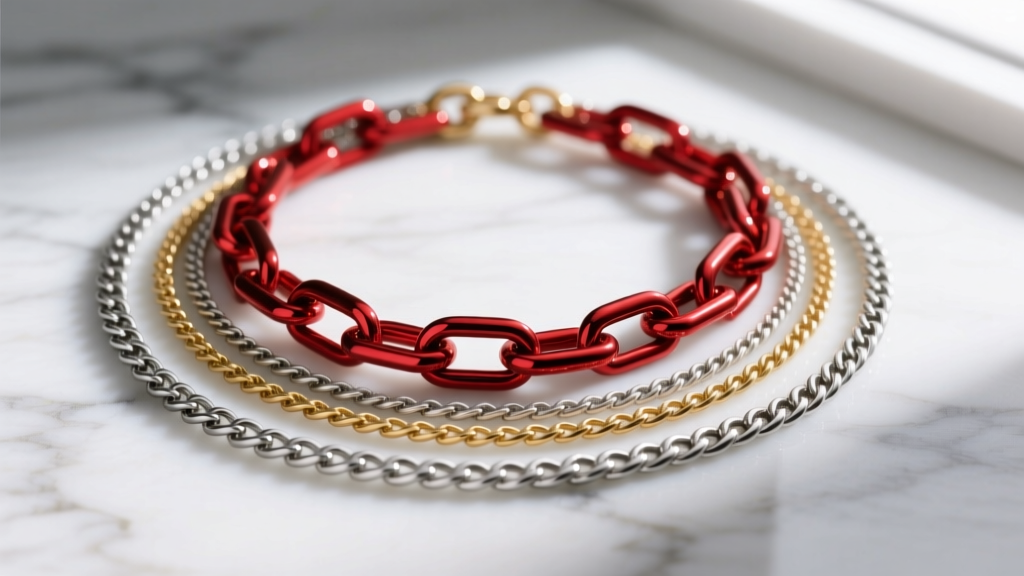
If the thought of wearing a solitary red chain feels too loud, the layering matrix offers a sophisticated compromise. The secret to mixing a red chain necklace with traditional gold or silver chains lies in gauge disparity and texture contrast. Start with a 1.2mm red PVD paperclip chain as your foundational layer, sitting at the 16-inch collarbone mark. Next, introduce a 3.0mm matte gold herringbone or Cuban link chain at 18 inches. The thicker metallic chain grounds the delicate red links, preventing the red from appearing costume-like. Avoid mixing red chains with rose gold; the warm, pinkish undertones of rose gold will clash with the cool, blue-based undertones of most commercial red enamels. Instead, opt for bright yellow gold or stark white silver to frame the red links.
2026 Market Pricing & Brand Tiers
Understanding the pricing architecture of the red chain necklace market protects you from overpaying for inferior plating. Here is what you should expect to invest based on material integrity and brand positioning.
- Fast Fashion & Costume ($20 - $50): Typically constructed from brass or zinc alloy with a painted epoxy resin coating. These chains are prone to chipping within three months and often contain nickel, posing a risk for contact dermatitis. Buy these only for seasonal, short-term wear.
- Mid-Tier & Demi-Fine ($80 - $250): The sweet spot for everyday luxury. Expect S925 sterling silver bases with hand-painted cold enamel or high-quality PVD coated stainless steel. Brands in this tier utilize secure lobster clasps and often include anti-tarnish plating beneath the enamel.
- Fine Jewelry & Luxury ($500 - $2,500+): At this echelon, the red chain necklace is crafted from solid 14k or 18k gold, featuring guilloché enamel work or alternating stations of natural rubies and carnelians. These pieces are heirloom-quality, retaining intrinsic metal value alongside their artistic craftsmanship.
Maintenance & Tarnish Prevention for Red Finishes
A red chain necklace requires specific maintenance protocols depending on its material composition. Cold enamel, while durable, is essentially glass. It is highly susceptible to thermal shock and micro-fractures. Never place an enameled red chain in an ultrasonic jewelry cleaner; the high-frequency vibrations can shatter the enamel from the metal backing. Instead, clean it with a soft microfiber cloth and a drop of mild, phosphate-free dish soap.
PVD-coated titanium and steel chains are remarkably resilient but can accumulate sebum and lotion buildup within the links, dulling their reflective quality. A gentle soak in warm water with a soft-bristled baby toothbrush will restore their luster without compromising the PVD bond. For gemstone-stationed red chains, avoid prolonged exposure to direct UV sunlight, as prolonged radiation can cause certain heat-treated carnelians to fade or shift in color over time. Store your red chains flat in a lined jewelry box to prevent the links from kinking or tangling, which can stress the enamel borders.
Final Thoughts on the Chromatic Shift
The red chain necklace is far more than a fleeting seasonal fad; it is a testament to the evolving desire for personalization and joy in fine jewelry. By understanding the material science, applying deliberate color theory, and investing in the appropriate tier for your lifestyle, you can seamlessly integrate this bold accessory into your signature style for years to come.


