How to Repair and Restore a Black Kate Spade Necklace
Learn how to troubleshoot, clean, and repair a damaged black Kate Spade necklace, from chipped enamel to cloudy onyx and broken clasps.

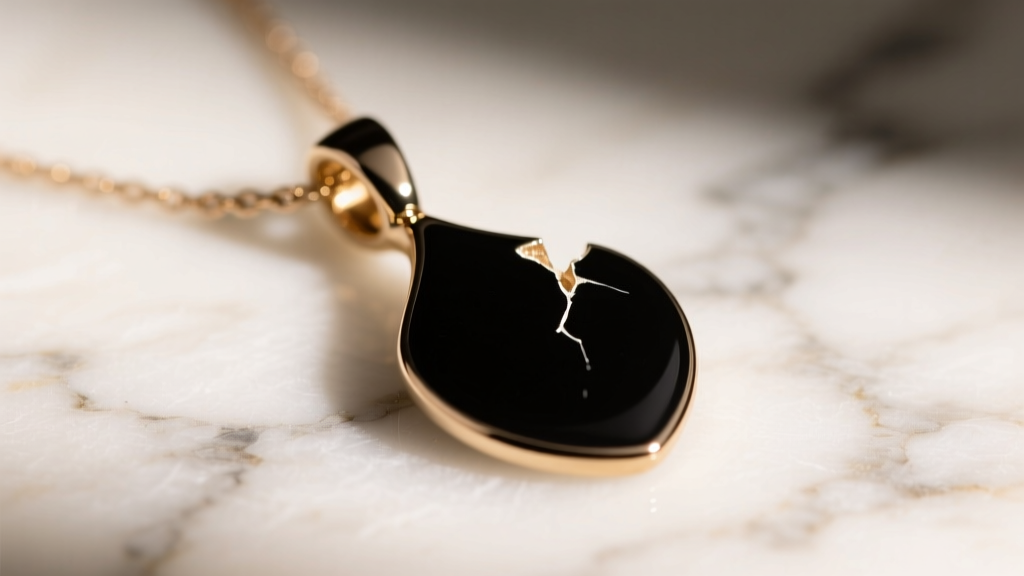
A black Kate Spade necklace is a staple of modern accessorizing, offering a sleek, versatile aesthetic that transitions seamlessly from the boardroom to a night out. Whether it features the iconic spade motif, a delicate initial pendant, or a bold floral design, the brand frequently utilizes striking black materials like enamel, onyx, and dark rhodium plating. However, daily wear exposes these pieces to friction, cosmetics, and accidental impacts, leading to common issues like chipped enamel, cloudy stones, and fading plating.
As a jewelry style expert, I frequently see owners discard perfectly salvageable pieces because they assume a chipped black Kate Spade necklace is beyond repair. In this comprehensive troubleshooting guide, we will break down the exact material science behind your necklace, diagnose the most common failure modes, and provide step-by-step, professional-grade solutions to restore your jewelry to its original glory.
Identifying the Material: The First Step in Troubleshooting
Before attempting any repair, you must accurately identify the black material used in your specific Kate Spade piece. The brand uses three primary black finishes, each with distinct chemical properties and repair protocols. Misidentifying the material can lead to irreversible damage, such as melting resin with harsh solvents or scratching natural stone with abrasives.
| Material | Common Applications | Primary Failure Mode | Repair Difficulty |
|---|---|---|---|
| Black Enamel | Spade pendants, initial charms, bangles | Chipping, cracking, yellowing | Moderate (Requires color-matching) |
| Black Onyx (Dyed Agate) | Cabochon settings, statement rings, bead strands | Cloudiness, dye leaching, scratching | Low to Moderate (Surface polishing) |
| Black Rhodium / Ruthenium | Chain links, pavé settings, hardware | Wear-through, oxidation, flaking | High (Requires professional re-plating) |
Troubleshooting Chipped Black Enamel
Black enamel is essentially powdered glass fused to a base metal (usually brass or a zinc alloy in fashion jewelry) at high temperatures, or a cold enamel (epoxy resin) painted and cured. When a black Kate Spade necklace suffers an impact, the enamel can chip, exposing the raw base metal underneath. This not only ruins the aesthetic but can cause the exposed brass to oxidize and turn your skin green.
The Professional DIY Enamel Fill Method
Do not use standard nail polish to fill an enamel chip; the solvents in nail polish will degrade the surrounding factory enamel and result in a sloppy, uneven finish. Instead, follow this jeweler-approved protocol:
- Preparation: Clean the chipped area with 91% isopropyl alcohol and a lint-free swab to remove all skin oils and lotion residue. Let it dry completely.
- Structural Fill (If Deep): If the chip is deep and exposes a crater in the base metal, apply a microscopic drop of GS Hypo Cement or a clear 2-part jewelry epoxy to level the surface. Allow 24 hours to cure.
- Color Matching: Use a high-quality black glass paint, such as Pebeo Vitrea 160 in Gloss Black. Using a 0.5mm detail brush, carefully dab the paint into the chip, ensuring it slightly overfills the cavity to account for shrinkage.
- Curing and Leveling: Allow the paint to cure according to the manufacturer's instructions (often requiring heat-setting in an oven at 320°F for 40 minutes, though you must verify your specific pendant's base metal can handle this heat; if not, opt for an air-cure enamel resin). Once hardened, gently buff the surface with a 3000-grit micro-mesh pad to level it with the surrounding enamel.
Resolving Cloudiness in Black Onyx Pendants
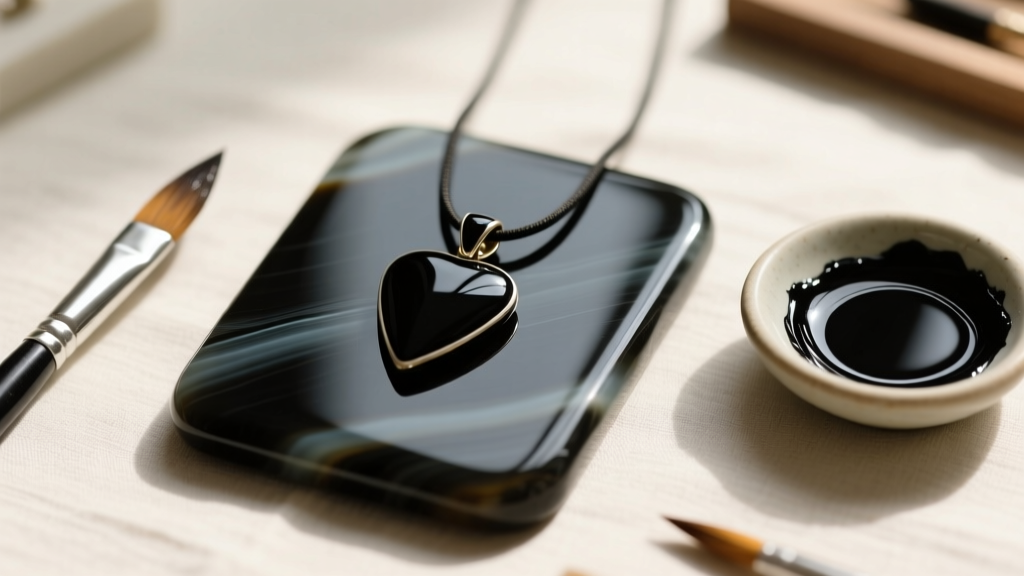
According to the Gemological Institute of America (GIA), most commercial "black onyx" is actually gray or white agate that has been treated with a sugar solution and sulfuric acid to achieve a deep, uniform black color. While beautiful, this dyed stone is porous and highly susceptible to chemical damage.
If your black onyx Kate Spade pendant has developed a cloudy, hazy film, it is likely due to a buildup of microscopic layers of perfume, hairspray, and body oils penetrating the stone's surface pores. Never place dyed onyx in an ultrasonic cleaner. The high-frequency vibrations can cause internal fractures, and the heat can cause the black dye to leach out, leaving you with a splotchy gray stone.
The Safe Onyx Revival Technique
- Mix a solution of lukewarm distilled water and a single drop of pH-neutral dish soap (like Dawn).
- Using an ultra-soft baby toothbrush, gently agitate the surface of the stone in circular motions for 30 seconds.
- Rinse quickly under a slow stream of distilled water (tap water minerals can leave hard water spots on the dark surface).
- Pat dry with a microfiber cloth. If the stone still looks dull, apply a microscopic amount of mineral oil to a cloth and buff the stone to restore its deep, reflective luster.
Addressing Fading Black Rhodium and Hardware Wear
Kate Spade often utilizes black rhodium or ruthenium plating over brass or sterling silver to create a moody, gunmetal-black chain or hardware finish. Unlike solid metals, plating is a microscopic surface layer. Over time, friction from clothing and the natural acidity of your skin will wear this plating away, revealing the brassy or silvery metal beneath.
As outlined in the FTC Jewelry Guides, consumers must be aware that plated finishes are inherently temporary. If your black chain is turning copper or silver at the clasp and high-friction points, no amount of cleaning will restore it. Polishing will only remove the remaining plating faster.
When to Seek Professional Re-Plating
If the sentimental or monetary value of the necklace warrants it, take the piece to a local bench jeweler who specializes in electroplating. They can strip the remaining black rhodium, polish the base metal, and re-plate the chain. Expect to pay between $45 and $85 for this service, depending on the chain's complexity and the thickness of the new plating (request at least 0.5 microns of ruthenium for maximum durability).
Fixing Chain and Clasp Failures on Spade Pendants
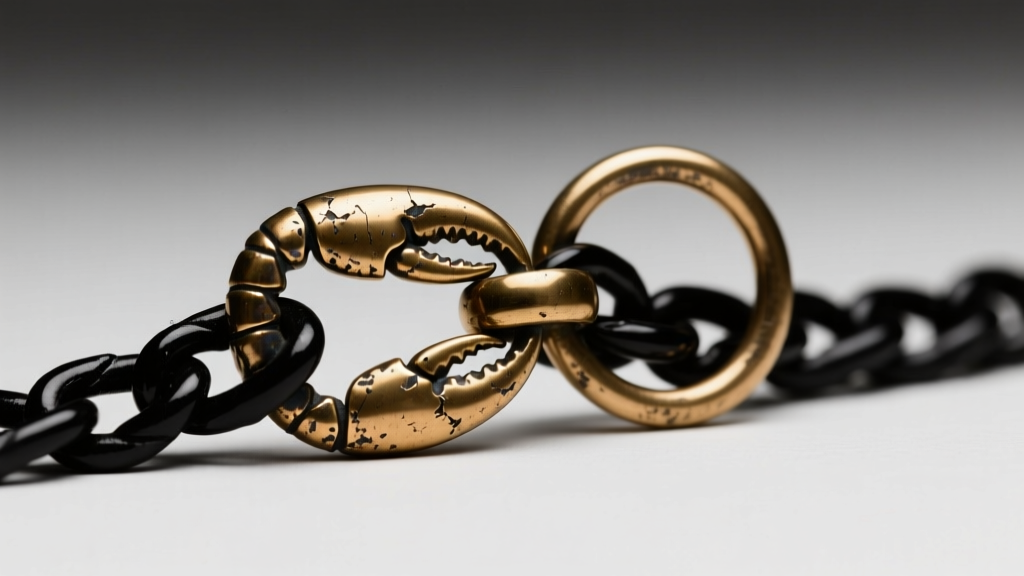
A frequent structural failure point on these necklaces is the jump ring connecting the delicate chain to the heavy spade pendant. The weight of the pendant causes the jump ring to slowly pull apart, eventually leading to a lost charm. Furthermore, the proprietary lobster clasps used on older models can become stiff or fail to close completely due to debris trapped in the spring mechanism.
Securing the Jump Ring
If you notice a gap in the jump ring holding your pendant, do not simply squeeze it shut with your fingers or standard pliers, as this will weaken the metal and distort the circle. Instead, use two pairs of flat-nose jewelry pliers. Grip the jump ring on either side of the split and twist the ends laterally (one hand pushes away, the other pulls toward you) to close the gap perfectly. Once flush, apply a microscopic dot of clear jewelry adhesive (like G-S Hypo Cement) to the seam to lock it in place permanently.
Unclogging a Sticky Lobster Clasp
If the clasp is sticking, it is likely clogged with lotion or dead skin cells. Dip a cotton swab in 91% isopropyl alcohol and work it into the crevices of the clasp mechanism. Depress the trigger repeatedly to work the alcohol into the internal spring. Once the debris is dissolved, use a toothpick to apply a minuscule drop of synthetic watch oil to the spring hinge to restore smooth operation.
Final Thoughts on Maintenance
Troubleshooting a damaged black Kate Spade necklace requires patience and the right materials. By understanding the specific vulnerabilities of black enamel, dyed onyx, and dark plating, you can intervene early before minor wear becomes catastrophic damage. Store your necklaces flat in an anti-tarnish pouch, away from direct sunlight and humidity, and always put your jewelry on after applying perfumes and lotions to maximize the lifespan of your favorite pieces.


