How to Fix a Broken Tiffany Necklace: Chain & Clasp Repairs
Expert guide to fixing a broken Tiffany necklace. Learn how to repair chains, clasps, and links on your favorite tifanny necklace pieces.

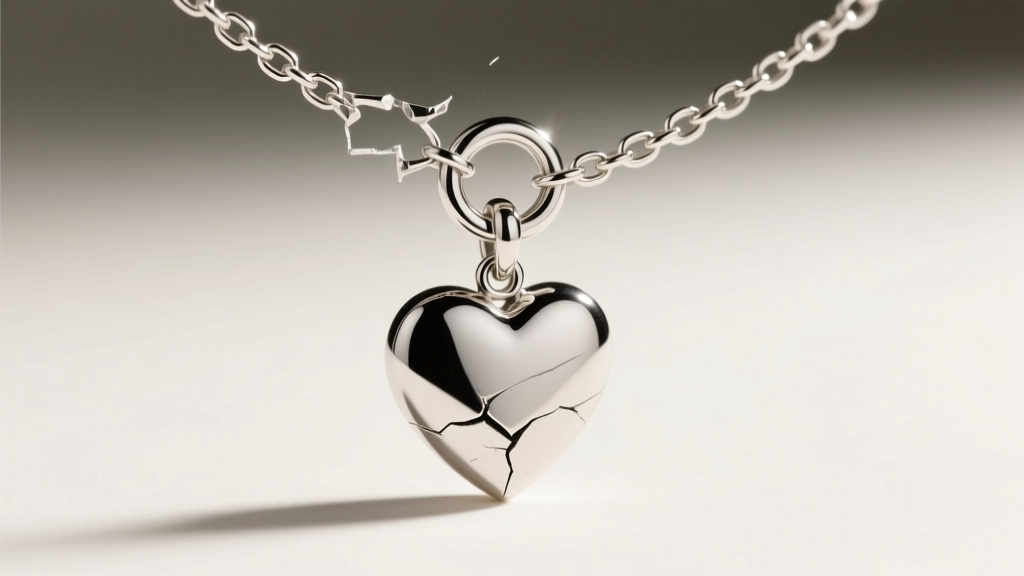
There are few things more frustrating in the world of fine jewelry than hearing the faint snap of a delicate chain giving way. When a luxury piece breaks, the immediate instinct is often panic, especially when dealing with iconic designs. Whether you are troubleshooting a vintage piece or a modern classic, understanding the mechanics of chain failure is the first step toward a seamless restoration. This comprehensive guide dives deep into the metallurgy, structural weak points, and professional repair protocols required to fix a broken chain, restore clasp tension, and maintain the integrity of your jewelry.
Diagnosing the Break: Where Chains Typically Fail
Before attempting any repair, a jeweler must conduct a microscopic evaluation of the failure point. Luxury chains are typically manufactured using high-precision drawing and linking techniques, but they are still subject to the laws of physics and material fatigue. The vast majority of breaks occur in three specific areas:
1. The Jump Ring Weak Point
The jump ring—the small circular link that connects the chain to the clasp or the pendant bail—is the most common failure point. On delicate 16-inch cable chains, these rings are often stamped from 20-gauge (0.81mm) or 22-gauge (0.64mm) wire. Because they are usually cut and bent rather than continuously welded, a sharp tug can pull the ends apart. If the jump ring is not properly soldered shut during manufacturing or a previous repair, it will eventually yield to lateral tension.
2. Clasp Spring Tension Loss
Lobster clasps rely on an internal micro-spring to keep the lever closed. Over time, exposure to cosmetics, lotions, and natural skin oils can cause debris to build up inside the clasp housing, preventing the lever from fully seating. Alternatively, the internal spring itself may suffer from metal fatigue, resulting in a clasp that feels 'mushy' and fails to snap shut securely.
3. Link Fatigue and Work Hardening
Sterling silver (925) is particularly susceptible to work hardening. When a chain is repeatedly bent, twisted, or tangled, the crystalline structure of the metal becomes rigid and brittle. Eventually, the links at the point of highest stress (usually near the clasp or the nape of the neck) will develop micro-fractures and snap cleanly without any visible stretching.
Material-Specific Repair Protocols
The repair methodology must be strictly tailored to the specific metal alloy. Applying the wrong thermal technique can melt delicate links, destroy gemstone settings, or leave unsightly fire scale that ruins the finish. According to metallurgical guidelines from the Gemological Institute of America (GIA), understanding the exact melting point and thermal conductivity of the alloy is non-negotiable for professional jewelers.
| Material Grade | Melting Point | Recommended Repair Method | Risk Factor |
|---|---|---|---|
| 925 Sterling Silver | 893°C (1640°F) | Torch Soldering (Hard/Medium) | High (Fire scale, melting links) |
| 18k Yellow Gold | 910°C (1670°F) | Laser Welding | Low (Precise, no flux needed) |
| Platinum 950 | 1768°C (3215°F) | Laser or TIG Welding | Medium (Requires high energy) |
Torch Soldering for Sterling Silver
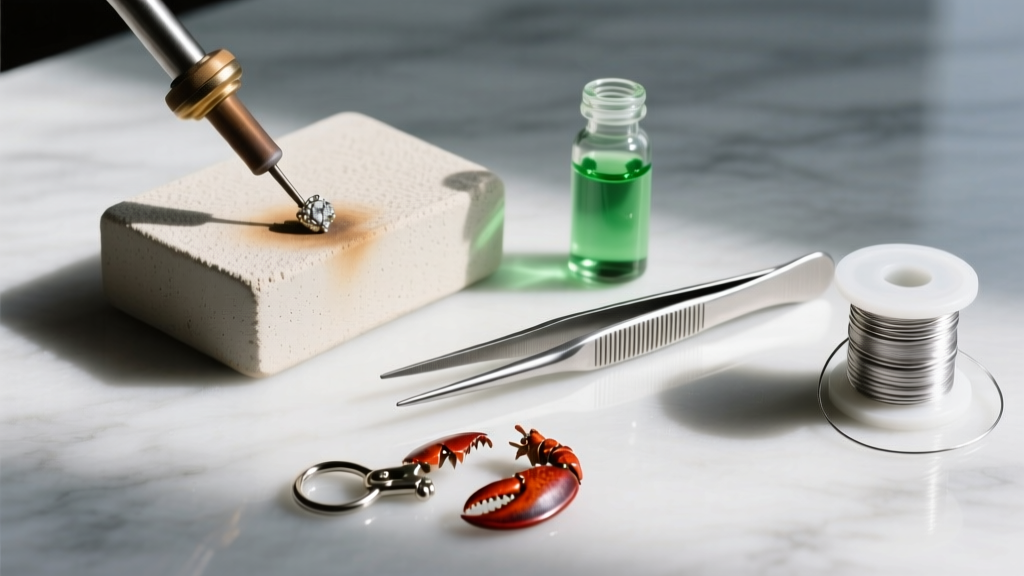
For 925 silver chains, traditional torch soldering is the standard. Jewelers use a graded solder system (Hard, Medium, Easy) with varying flow temperatures. To repair a broken silver cable chain, the jeweler will typically use 'Hard' solder (flowing around 788°C) for the primary link repair to ensure the joint is as strong as the original metal, followed by pickling in a warm citric acid bath to remove oxidation. The risk here is that silver is an exceptional heat conductor; if the flame is not carefully feathered, the heat will travel down the chain and melt adjacent links.
Laser Welding for 18k Gold and Platinum
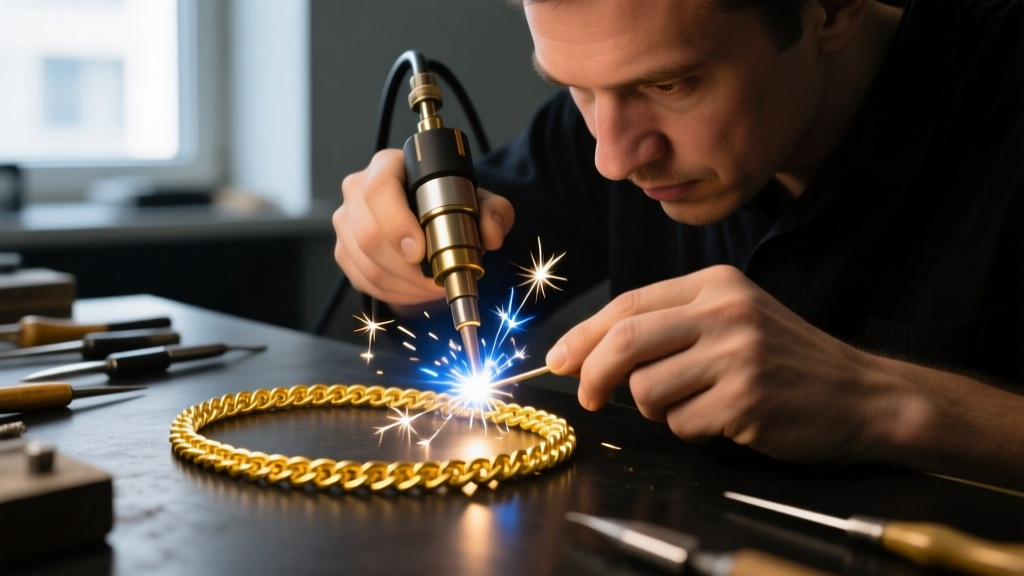
When repairing 18k gold or platinum chains, especially those with intricate designs like a rope or box chain, laser welding is the superior choice. A laser welder delivers a highly focused pulse of light energy (typically 40-60 volts with a 1.5ms pulse width) that melts a microscopic area of the metal. This allows the jeweler to fuse a broken 1mm link without applying heat to the surrounding areas, eliminating the need for flux, solder, and subsequent polishing that removes metal weight.
Step-by-Step Troubleshooting for Common Issues
If you are assessing a damaged piece at home before taking it to a professional, use a 10x jeweler's loupe to identify the exact nature of the failure. Here is how to troubleshoot the most frequent problems:
- The Pendant Bail is Worn Through: If the chain is intact but the pendant has fallen off, inspect the bail (the loop on the pendant). The friction of the chain rubbing against the bail acts like a microscopic saw. If the bail is worn more than 50% through, it must be re-tipped or replaced with a new sterling silver or gold bail using laser welding.
- The Chain Keeps Tangling and Snapping: This is often a symptom of a twisted box chain or a damaged link that is catching on its neighbors. Run the chain slowly through your fingers. If you feel a 'catch', that specific link is deformed and must be carefully manipulated back into shape with smooth-jawed chain-nose pliers before it causes a stress fracture.
- The Lobster Clasp is Stiff: Do not force the lever. Place a single drop of lightweight synthetic watch oil or specialized jewelry lubricant into the hinge mechanism. Work the lever back and forth gently. If the tension does not return, the internal spring is compromised, and the entire clasp must be cut off and replaced.
When to Rely on Official Brand Repair Services
While a skilled local bench jeweler can repair almost any chain, there are distinct advantages to sending the piece back to the original manufacturer, particularly for iconic designs. Official brand repair services ensure that replacement links, clasps, and jump rings are cast from the exact same proprietary alloy, guaranteeing a perfect color match and structural consistency.
According to industry standards highlighted by Jewelers of America, utilizing authorized repair channels also preserves the provenance and resale value of luxury items. For basic chain soldering and clasp replacements, out-of-warranty repairs typically range from $50 to $150, depending on the metal and complexity. However, if the piece features enamel, pavé diamonds, or specialized finishes (like a brushed or oxidized texture), authorized service centers have the proprietary tooling to restore the piece to factory specifications without damaging the delicate surface treatments.
Preventative Maintenance to Avoid Future Breaks
Once your chain is repaired, implementing a strict maintenance protocol will drastically extend its lifespan. Fine jewelry requires mindful handling to prevent unnecessary stress on the links.
- Proper Storage: Never throw a delicate chain into a jewelry box where it can become entangled with heavier pieces. Store it flat in a dedicated anti-tarnish pouch, or hang it vertically on a jewelry arbor to prevent micro-kinks.
- Chemical Avoidance: Chlorine in swimming pools and hot tubs is highly corrosive to both sterling silver and gold alloys. It attacks the copper and zinc components in the metal, causing severe embrittlement that will lead to sudden chain failure.
- Routine Ultrasonic Caution: While ultrasonic cleaners are excellent for removing dirt from gemstones, the high-frequency vibrations can shake loose weak solder joints or exacerbate existing micro-fractures in a delicate chain. Always have a jeweler inspect the chain integrity before utilizing ultrasonic cleaning methods.
By understanding the structural vulnerabilities of fine chains and employing the correct metallurgical repair techniques, you can ensure that your most cherished pieces remain secure and beautiful for decades to come.


