How to Repair, Untangle, and Maintain a Beaded Boho Necklace
Learn how to fix, untangle, and restring a beaded boho necklace. Expert troubleshooting for broken cords, tangled strands, and fading stones.

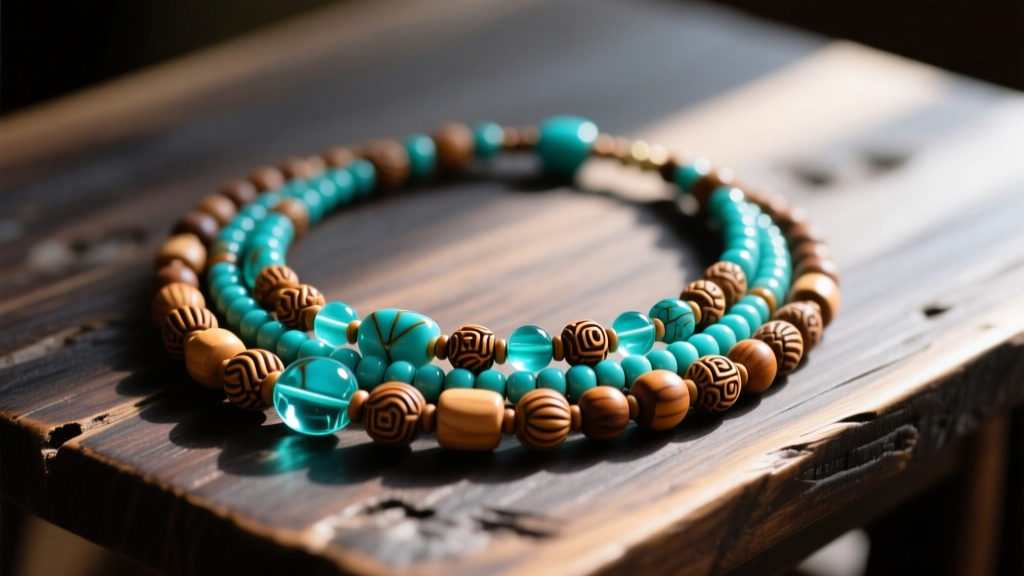
The Anatomy of a Failing Boho Necklace
Bohemian jewelry is beloved for its organic textures, layered aesthetics, and use of natural materials. However, the very elements that define a beaded boho necklace—hemp cords, porous gemstones, and heavy multi-strand designs—are also its greatest structural vulnerabilities. As jewelry repair specialists, we see a consistent pattern of failure in boho pieces: organic cords rot and snap, elastic degrades under UV exposure, and heavy stone pendants warp their bails. To keep your favorite festival and everyday boho pieces in rotation, you must move beyond basic care and adopt professional troubleshooting frameworks.
According to master jewelers and stringing experts at Rio Grande, the lifespan of a beaded necklace is entirely dictated by its stringing material and the abrasion resistance of the beads. Sharp-edged glass crystals will slice through cotton thread in months, while heavy jasper beads will stretch elastic until it snaps. Below, we break down the four most common problems with boho necklaces and provide exact, actionable solutions to fix them.
Troubleshooting 1: Untangling Multi-Strand Nightmares
Multi-strand beaded boho necklaces are notorious for knotting into impenetrable balls when tossed into a drawer. Pulling at the strands only tightens the microscopic friction points between the beads, leading to snapped cords.
The Powder and Pin Technique
Never use oil or water to untangle jewelry, as these can stain porous stones like turquoise or untreated coral. Instead, use a dry friction-reducer.
- Step 1: Lay the tangled necklace flat on a dark, non-slip silicone mat. The dark background provides contrast, while the silicone prevents the piece from sliding.
- Step 2: Lightly dust the knot with talc-free baby powder or pure cornstarch. This coats the beads and reduces surface friction.
- Step 3: Using two fine-point sewing pins (not thick safety pins, which can scratch metal beads), gently work the pins into the center of the knot. Push the beads outward from the center rather than pulling the ends of the cord.
- Step 4: Once loosened, use a soft-bristled makeup brush to sweep away the powder before storing.
Troubleshooting 2: Restringing Snapped Cords
Many mass-market boho necklaces are strung on cheap cotton or low-grade elastic to cut costs. These materials degrade rapidly when exposed to sweat, perfume, and UV light. If your necklace has snapped, do not simply rethread it on the same material. Upgrade the internal architecture.
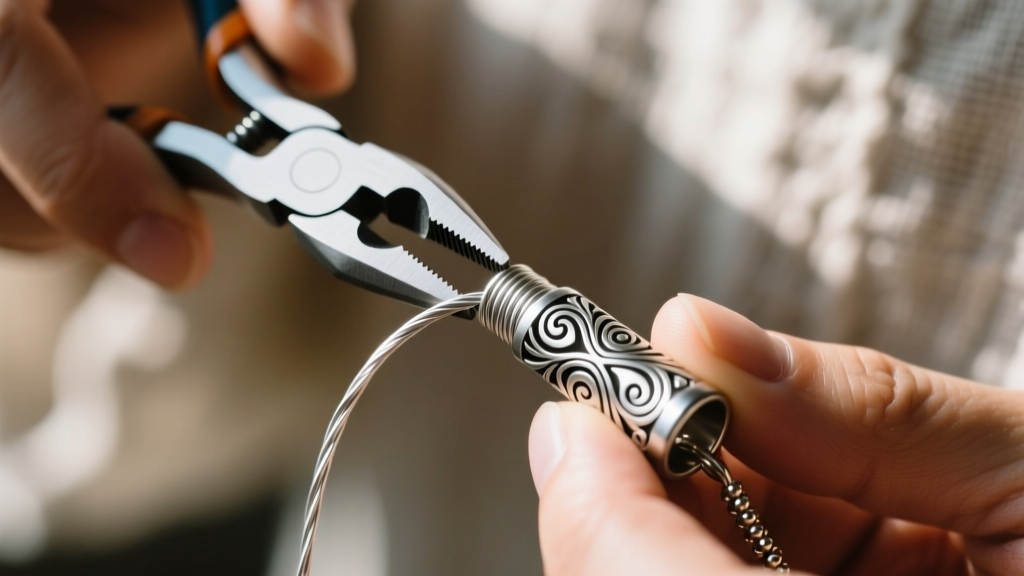
Stringing Material Comparison Chart
Choosing the right replacement cord is critical. Refer to this framework to match the stringing material to your specific bead types.
| Material | Tensile Strength | Abrasion Resistance | Best Boho Application |
|---|---|---|---|
| Hemp / Cotton Cord | 10-15 lbs | Low | Lightweight seed beads, wooden beads (requires frequent replacement) |
| Braided Nylon (e.g., FireLine 6lb) | 6-8 lbs | High | Sharp-edged glass crystals, metal tube beads |
| 49-Strand Coated Wire (0.015") | 20-30 lbs | Very High | Heavy jasper, agate, turquoise, and gemstone pendants |
| Elastic (Stretch Magic) | 5-10 lbs | Low | Slip-on wrap bracelets (Never use for heavy necklaces) |
Pro Restringing Tip: If you are using 49-strand micro-braided stainless steel wire (the gold standard for heavy stone boho necklaces), you must use 2x2mm sterling silver crimp beads and a crimping tool to secure the clasp. Tying knots in coated wire will cause the nylon coating to split, leading to catastrophic failure.
Troubleshooting 3: Securing Heavy Agate and Jasper Pendants
Boho pendants often feature raw, unpolished stone slices or large tumbled jasper that can weigh anywhere from 30 to 60 grams. A simple wire loop or a glued-in bail will eventually bend or detach under this weight, especially when the necklace swings during movement.
Expert Insight: Never rely on adhesive alone for heavy stone pendants. The natural oils from your skin and ambient humidity will break down jewelry glues like E6000 over time. Always use mechanical connections for stones over 20 grams.
To fix a slipping or bending bail, remove the pendant and wrap a custom bail using 20-gauge dead-soft sterling silver wire. Dead-soft wire is malleable enough to wrap tightly around the top of the stone or through the stone's drill hole, and it work-hardens as you manipulate it, creating a rigid, permanent loop that will not pull open under the weight of the stone.
Troubleshooting 4: Stopping Dye Bleed on "Turquoise" Beads
One of the most frustrating issues with boho jewelry is discovering that your vibrant turquoise beads are leaving blue stains on your collarbone and clothing. According to the Gemological Institute of America (GIA), a vast majority of commercial "turquoise" on the market is actually dyed howlite or magnesite, or heavily stabilized porous turquoise.
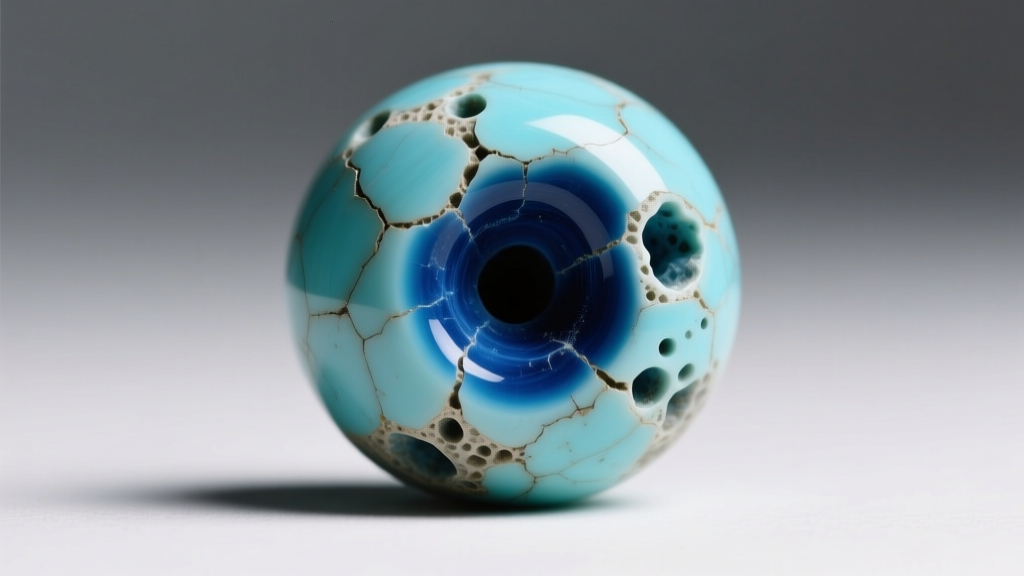
Identifying and Sealing Dyed Stones
Dyed howlite is highly porous. When it comes into contact with the natural acidity of human sweat (which typically has a pH between 4.5 and 7.0), the dye reactivates and bleeds. To troubleshoot this without replacing the beads, you must seal the stone's pores.
- Clean the beads gently with a dry microfiber cloth to remove any surface oils.
- Apply a thin, even coat of micro-crystalline wax (such as Renaissance Wax, a standard used by museum conservators) using a soft cotton swab.
- Allow the wax to dry for 15 minutes, then buff it lightly with a clean cloth. This creates an invisible, pH-neutral barrier that locks the dye inside the stone and prevents moisture penetration.
Long-Term Storage Frameworks for Boho Pieces
Proper storage is the final pillar of jewelry maintenance. Multi-strand boho necklaces should never be stored in a communal jewelry box where metal clasps can catch on organic fibers. Instead, invest in a velvet-lined, multi-tiered hanging jewelry organizer. Hang each necklace individually by its clasp, ensuring the strands fall straight. For pieces with delicate macrame sliding knots, store them flat in individual zip-top anti-tarnish bags with a small silica gel packet to control ambient humidity and prevent the organic cords from harboring mildew.
By upgrading your stringing materials, mechanically securing heavy pendants, and sealing porous stones, you can ensure your favorite beaded boho necklace survives countless seasons of wear without compromising its free-spirited aesthetic.


