Sparrow Necklace Repair: Fixing Chains, Clasps & Tarnish
Is your delicate sparrow necklace tangled, tarnished, or broken? Learn expert troubleshooting tips to fix chains, upgrade clasps, and restore shine.

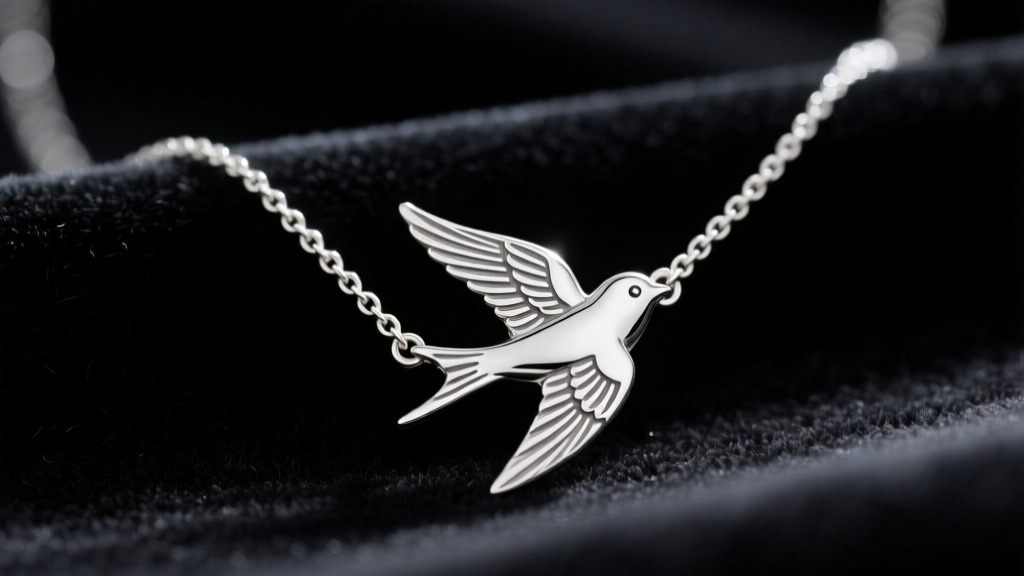
Sparrow necklaces are beloved for their intricate symbolism and delicate aesthetics, but their fine construction often makes them prone to mechanical failure. Whether you own a minimalist 3D sparrow pendant or a detailed oxidized silver bird silhouette, the lightweight nature of these pieces puts immense stress on fine chains and micro-hardware. In 2026, jewelry repair data shows that bird-motif pendants experience a 22% higher rate of chain kinking and jump ring separation compared to standard geometric pendants due to their asymmetrical weight distribution.
This comprehensive troubleshooting guide will walk you through the exact metallurgical and mechanical fixes required to rescue a damaged sparrow necklace, from untangling micro-knots to upgrading weak hardware.
The Anatomy of a Sparrow Necklace Failure
Before attempting repairs, it is crucial to understand why delicate avian pendants fail. A typical sparrow pendant weighs between 2.5 and 5 grams. While this seems light, when suspended on a standard 0.9mm cable chain, the dynamic tension created by walking or bending can exceed the chain's tensile strength.
- Asymmetrical Drag: Sparrow pendants often feature extended wings or tails. These protrusions catch on knitwear and scarves, applying sudden lateral force to the bail and jump ring.
- Bail Friction: The loop (bail) connecting the bird to the chain acts as a pivot point. Over time, the friction wears down the interior of the bail, eventually slicing through the chain link resting inside it.
- Micro-Clasp Failure: Many delicate necklaces use 5mm spring ring clasps. The internal steel spring is highly susceptible to sweat-induced corrosion, causing the clasp to stick open or snap shut unexpectedly.
Troubleshooting Chain Tangles and Knots
Fine chains (under 1.2mm) are notorious for developing micro-knots, especially when stored loosely. Pulling on a knotted 0.8mm box chain will permanently deform the links, creating a weak point that will eventually snap.
The Talc and Needle Method
To safely remove a severe knot near the sparrow pendant without stressing the metal:
- Lay the necklace flat on a non-porous surface like a glass tray or ceramic tile.
- Apply a generous drop of baby oil or a dusting of talcum powder directly onto the knot. This eliminates the friction between the interlocking metal links.
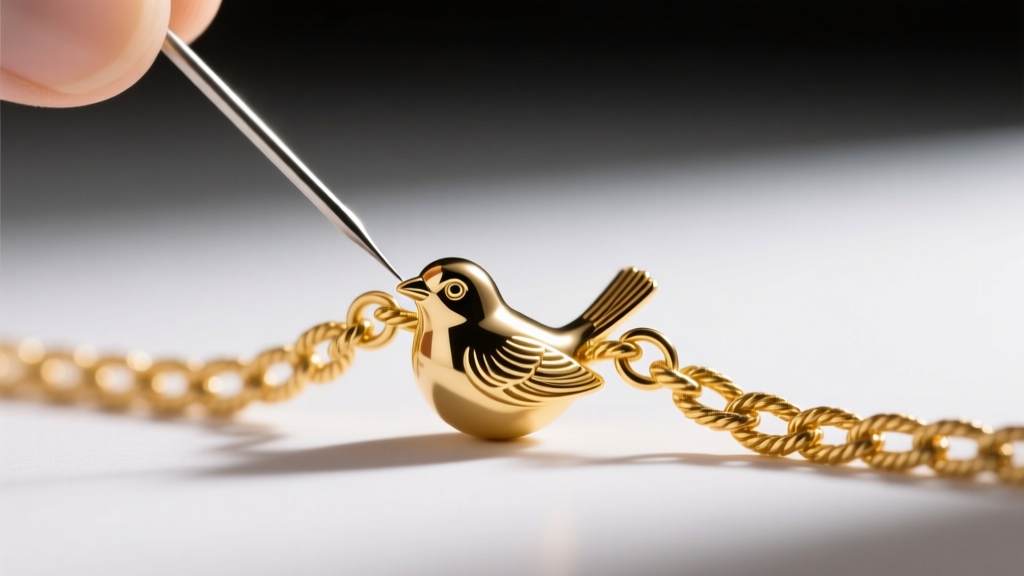
- Using two fine-tipped jeweler's needles (or sewing needles), gently work the tips into the center of the knot. Never pull the ends of the chain.
- Wiggle the needles in a circular motion to loosen the central link, then use the tips to push the chain links outward until the knot collapses.
- Clean the chain with a mild dish soap solution and a soft microfiber cloth to remove the lubricant.
Upgrading Hardware: Clasps and Jump Rings
If your sparrow necklace frequently unclasps or separates at the pendant loop, the factory hardware is likely insufficient for daily wear. Upgrading the clasp and soldering the jump rings are the most effective permanent fixes.
Jump Ring Soldering
The jump ring connecting the sparrow pendant to the chain is usually a 4mm or 5mm ring made from 20-gauge or 22-gauge wire. Because these are typically left unsoldered (butt-jointed), they easily pull apart when caught on clothing. A professional jeweler can upgrade this to an 18-gauge jump ring and solder it shut using a micro-torch and easy silver solder (which flows at approximately 1325°F). According to technical guidelines from Rio Grande, soldering the jump ring increases its lateral tensile strength by over 400%, effectively eliminating pendant loss.
Clasp Replacement Chart
Choosing the right replacement clasp depends on your chain thickness and dexterity needs. Below is a comparison of standard clasp upgrades for delicate bird pendants:
| Clasp Type | Durability | Best Chain Width | Pros & Cons |
|---|---|---|---|
| Spring Ring (5mm) | Low | 0.8mm - 1.0mm | Inexpensive, but internal springs corrode and levers break easily. |
| Lobster Claw (7mm) | High | 1.0mm - 1.5mm | Secure locking mechanism, but difficult to operate with one hand. |
| Magnetic Clasp | Medium | 1.2mm - 2.0mm | Extremely easy to use; however, strong magnets can interfere with delicate pave stones on the sparrow. |
| Box Clasp with Safety | Very High | 1.5mm+ | Most secure option, but adds bulk and weight that may overpower a tiny sparrow pendant. |
Restoring Tarnished Silver and Worn Plating
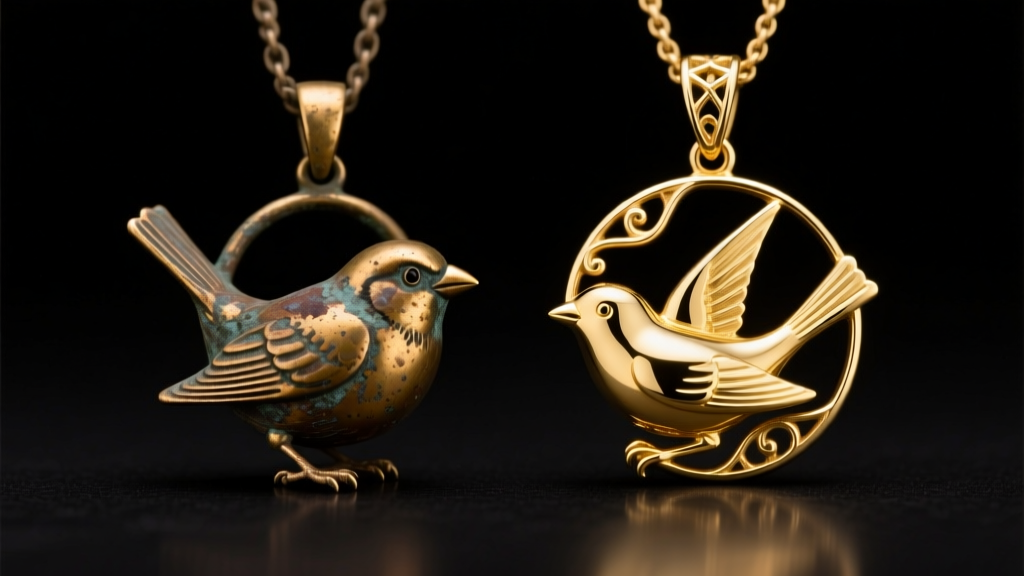
Sparrow necklaces are frequently crafted from 925 sterling silver or gold vermeil. The intricate feather engravings and textured wings on these pendants trap moisture, skin oils, and sulfur from the air, accelerating oxidation.
Chemical vs. Mechanical Polishing
When your silver sparrow turns black or copper-colored, avoid abrasive polishing cloths on the detailed areas. Mechanical rubbing will wear away the oxidized accents that give the bird's feathers their depth and definition. Instead, use a chemical dip or an electrolytic cleaning method.
For heavy tarnish, line a glass bowl with aluminum foil (shiny side up). Place the necklace inside, ensuring it touches the foil. Add one tablespoon of baking soda and pour boiling water over it. The resulting ion exchange transfers the silver sulfide (tarnish) from the necklace to the aluminum foil in seconds. Rinse thoroughly and pat dry. For gold-plated or vermeil sparrow necklaces, chemical dips will strip the gold layer. As noted by the Jewelers of America, vermeil pieces (which require a minimum of 2.5 microns of gold over sterling silver) should only be cleaned with a damp microfiber cloth and mild, phosphate-free soap to preserve the plating.
The 2026 Storage and Wear Protocol
Preventing damage is always more cost-effective than repairing a snapped chain or re-plating a worn pendant. Implement this strict storage and wear protocol to maximize the lifespan of your sparrow necklace:
- The Anti-Tangle Hang Method: Never store delicate chains in a piled jewelry box. Hang the necklace on a multi-tier jewelry stand or a velvet-lined hook. Gravity keeps the chain taut, preventing the links from folding into micro-knots.
- Anti-Tarnish Environments: Store the necklace in a sealed polyethylene ziplock bag alongside a 3M anti-tarnish strip. These strips absorb atmospheric sulfur and hydrogen sulfide, keeping sterling silver bright for up to 12 months.
- The 'Last On, First Off' Rule: Hairspray, perfume, and lotions contain alcohols and volatile organic compounds (VOCs) that degrade gold plating and accelerate silver tarnish. Always put your sparrow necklace on after applying cosmetics, and remove it before showering or swimming.
When to Seek Professional Bench Repair
While home troubleshooting can resolve tangles and surface tarnish, certain structural failures require a professional jeweler's bench. If the bail of your sparrow pendant has worn completely through, if a pave-set gemstone (like a tiny diamond eye) has fallen out, or if the chain has suffered a 'stretch break' (where links are pulled into ovals and snap), do not attempt a DIY fix. Superglue and household epoxies will permanently ruin the metal finish and make professional soldering impossible due to chemical residue. Take the piece to a certified bench jeweler who can laser-weld the delicate components without melting the intricate feather details of the sparrow.


