How to Fix a Tarnished or Broken Heart Silver Necklace
Learn how to troubleshoot common issues with your heart silver necklace, from stubborn tarnish and broken clasps to tangled chains and loose stones.

The Anatomy of Silver Tarnish: Why Your Heart Pendant Turns Black
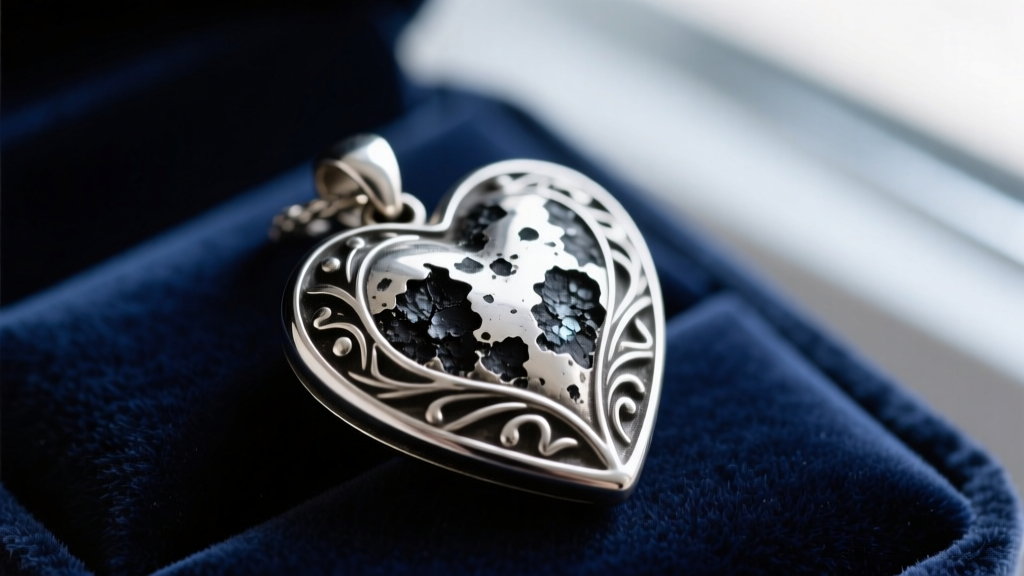
A heart silver necklace is a timeless staple, but sterling silver is inherently reactive. True sterling silver is an alloy composed of 92.5% pure silver and 7.5% base metals—most commonly copper. While pure silver is highly resistant to tarnish, the copper alloy is not. When copper is exposed to moisture, oxygen, and sulfur compounds in the air (or in your skin's natural oils), it undergoes a chemical reaction that forms silver sulfide (Ag2S). This manifests as the dull yellow, brown, or black film that eventually obscures the intricate details of your heart pendant.
According to the Gemological Institute of America (GIA), environmental factors such as high humidity, exposure to household chemicals (like bleach or ammonia), and even the sulfur in everyday foods like eggs or onions can accelerate this oxidation process. Understanding the severity of the tarnish is the first step in troubleshooting the restoration process.
Identifying the Tarnish Level
Before applying any abrasive or chemical treatment, assess the current state of your necklace. Using the wrong method on a deeply oxidized piece can permanently scratch the silver or strip away intentional antiquing (oxidized detailing) in the crevices of the heart design.
| Tarnish Severity | Visual Indicators | Recommended Treatment | Risk Level |
|---|---|---|---|
| Light | Slight dullness, faint yellowish hue | Microfiber polishing cloth | Low |
| Moderate | Brownish tint, loss of reflectivity | Silver dip solution (thiourea-based) | Medium |
| Severe | Opaque black, chalky texture in grooves | Aluminum foil electrochemical bath | Low (if done correctly) |
The Electrochemical Reversal Bath: Fixing Severe Tarnish
If your heart silver necklace has turned completely black, avoid abrasive pastes. Polishing compounds remove a microscopic layer of the metal itself. Instead, use an electrochemical reduction bath. This method reverses the chemical reaction, converting silver sulfide back into pure silver without removing any metal mass.
- Prepare the Vessel: Line a glass or ceramic bowl with aluminum foil, shiny side up.
- Add the Catalysts: Place your necklace in the bowl, ensuring the silver touches the aluminum foil. Add 1 tablespoon of baking soda and 1 tablespoon of non-iodized salt.
- The Reaction: Pour 1 cup of boiling water over the mixture. You will immediately smell sulfur (like rotten eggs) as the silver sulfide transfers from the necklace to the aluminum foil.
- Finish: Leave the necklace for 3 to 5 minutes. Remove with wooden tongs, rinse thoroughly under distilled water, and dry immediately with a lint-free cloth.
Expert Warning: Never use this electrochemical bath on a heart pendant that features glued-in gemstones (like cubic zirconia pave) or organic materials (like pearl or opal). The boiling water and alkaline environment will dissolve the jeweler's epoxy and ruin the stones.
Mechanical Failures: Fixing Clasps, Bails, and Jump Rings
Beyond cosmetic tarnish, the physical structure of a heart silver necklace is prone to specific mechanical failures due to the weight distribution of the pendant. A solid silver heart pendant acts as a pendulum, concentrating friction and stress on the bail and the jump ring connecting it to the chain.
Bail and Chain Friction
The bail is the loop at the top of the heart pendant. If you frequently swap chains, the interior of the bail can wear down. A standard cast silver bail has an inner diameter of about 3mm. If you force a chain thicker than 2.5mm through it, the friction will eventually file through the silver. If the bail is wearing thin, a jeweler can solder a sterling silver 'donut' or tube bail reinforcement inside the loop for less than $25, extending the life of the pendant by decades.
Jump Ring Separation
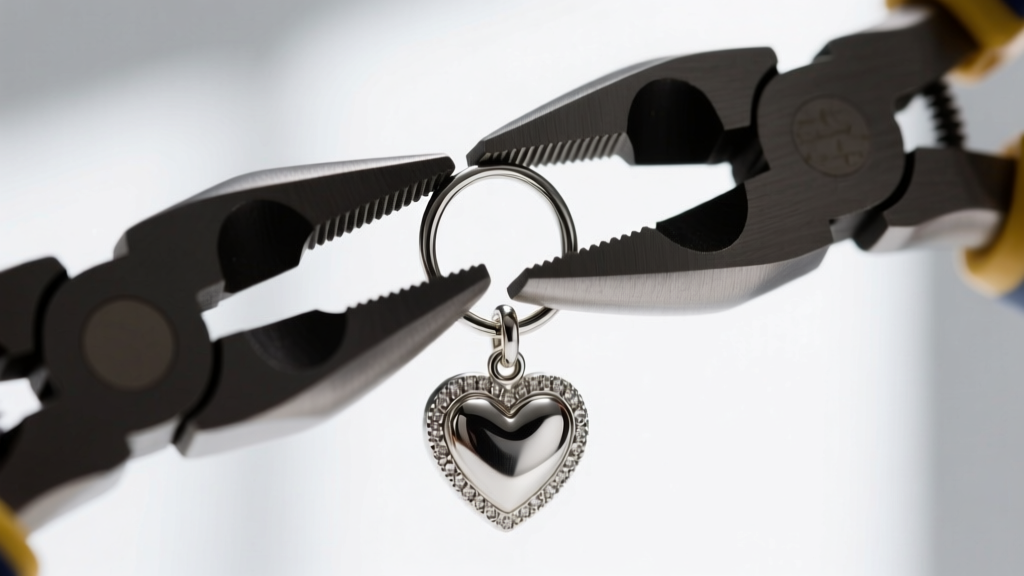
The jump ring connecting the clasp to the chain is the most common point of failure. Many mass-produced necklaces use 22-gauge or 24-gauge wire for jump rings, which is too soft to withstand daily pulling. If your necklace frequently pops open at the clasp, the issue isn't the clasp—it's the jump ring warping. The fix is to upgrade the jump ring to a 20-gauge or 18-gauge sterling silver split ring, or have a jeweler solder the existing jump ring permanently shut.
Chain Tangling and the Silver Friction Problem
Fine silver chains, particularly delicate cable or box chains (often 0.8mm to 1.2mm in width), are notorious for tangling. This happens because silver has a high coefficient of friction compared to gold or platinum. When the tiny links rub against each other, they create micro-barbs that catch on neighboring links, forming impenetrable knots.
The Baby Powder Troubleshooting Trick: Do not pull at a knotted silver chain; this tightens the links and can cause metal fatigue, leading to a snap. Instead, lay the chain flat on a dark surface. Dust the knot generously with talcum-free baby powder or cornstarch. Use two fine sewing needles to gently work the center link of the knot loose. The powder acts as a dry lubricant, eliminating the silver-on-silver friction and allowing the links to slide apart.
Skin Discoloration and Rhodium Plating Solutions
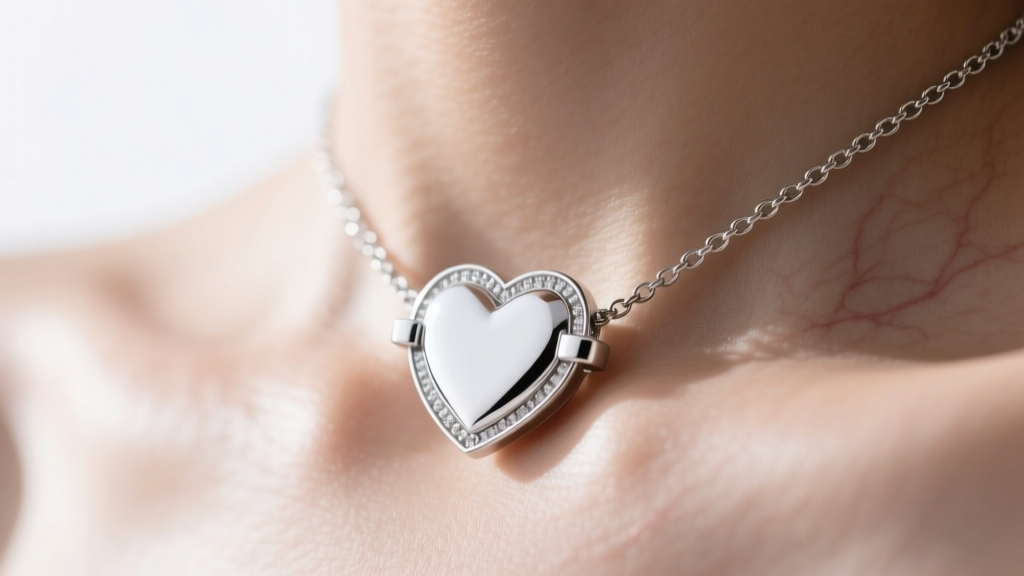
A frequent complaint with sterling silver heart necklaces is the green or black smudge left on the collarbone. This is not an allergic reaction; it is a chemical transfer. The copper in the 925 alloy reacts with the acids and salts in your sweat, creating copper chloride, which stains the skin.
To troubleshoot this, look for necklaces that feature rhodium plating. Rhodium is a platinum-group metal that provides a bright, white, and hypoallergenic barrier over the silver. According to The Silver Institute, a high-quality rhodium flash should be between 0.75 and 1.0 microns thick. If your older heart necklace is leaving green marks, the original rhodium layer has worn off. You can take it to a local jeweler to be 're-rhodiumed' (usually costing between $30 and $50), which will permanently solve the skin discoloration issue and drastically slow down future tarnishing.
Preventative Maintenance Framework
Troubleshooting is only necessary when preventative care fails. To keep your heart silver necklace in pristine condition, adopt the following storage and wear protocols:
- The Chalk Trick: Store the necklace in a sealed ziplock bag with a piece of standard white blackboard chalk. The chalk acts as a desiccant, absorbing ambient moisture and sulfur before it can reach the silver.
- Anti-Tarnish Strips: Invest in 3M anti-tarnish strips, which contain copper-based polymers that neutralize sulfur gases in your jewelry box.
- The 'Last On, First Off' Rule: Always put your silver necklace on after applying perfumes, lotions, and hairsprays, and remove it first when showering. The alcohols and oils in cosmetics accelerate the breakdown of rhodium plating and trap dirt in the crevices of the heart design.
By understanding the metallurgy and mechanical stress points of your jewelry, you can easily diagnose and resolve the most common issues, ensuring your heart silver necklace remains a brilliant, enduring piece in your collection.