Troubleshooting Turtle Necklaces: Fixing Tarnish and Broken Chains
Learn how to troubleshoot common issues with turtle necklaces. Expert fixes for tarnished silver, chipped enamel, and tangled chains to restore jewelry.

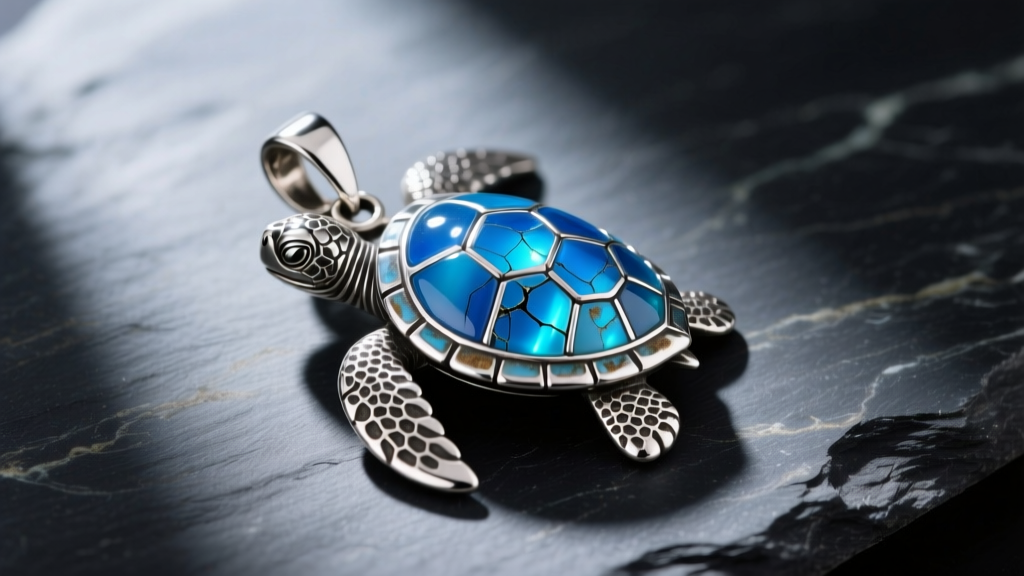
Turtle necklaces are beloved for their rich symbolism of longevity, navigation, and connection to the ocean. However, the intricate designs that make these pendants so visually appealing also introduce unique structural vulnerabilities. From delicate enamel scutes to heavy solid-silver bodies that strain flimsy chains, turtle-themed jewelry requires specialized care. If your favorite piece has lost its luster or suffered hardware fatigue, this comprehensive troubleshooting guide will help you diagnose and repair the most common failures.
The Anatomy of a Turtle Pendant: Where Failures Occur
To effectively troubleshoot turtle necklaces, you must first understand their composite anatomy. A typical sea turtle pendant consists of three main zones: the metal base (usually 925 sterling silver, brass, or gold vermeil), the shell inlay (epoxy resin, acetate, or vitreous enamel), and the bail (the loop connecting the pendant to the chain). Failures rarely happen uniformly; they occur at the intersection of these materials due to differing coefficients of thermal expansion and varying hardness levels on the Mohs scale.
Material Breakdown and Vulnerabilities
The most frequent complaint among wearers is the separation of the shell inlay from the metal bezel. This occurs when the jewelry is exposed to sudden temperature changes, such as jumping into a cold ocean while wearing a sun-warmed pendant. The metal expands and contracts at a different rate than the epoxy or enamel, breaking the cyanoacrylate or UV-cured resin adhesive bond. Furthermore, the intricate grooves meant to mimic scute patterns trap sebum, dead skin cells, and environmental grit, accelerating localized tarnish and creating a breeding ground for contact dermatitis.
Troubleshooting Tarnish and Inlay Damage
Sterling silver turtle necklaces are highly susceptible to tarnishing because the 7.5% copper alloy reacts with hydrogen sulfide in the atmosphere to form silver sulfide. When your pendant turns black, the instinct is often to use harsh chemical dips. However, chemical dips containing thiourea can permanently cloud epoxy resin inlays and strip the protective top-coat off vitreous enamel.
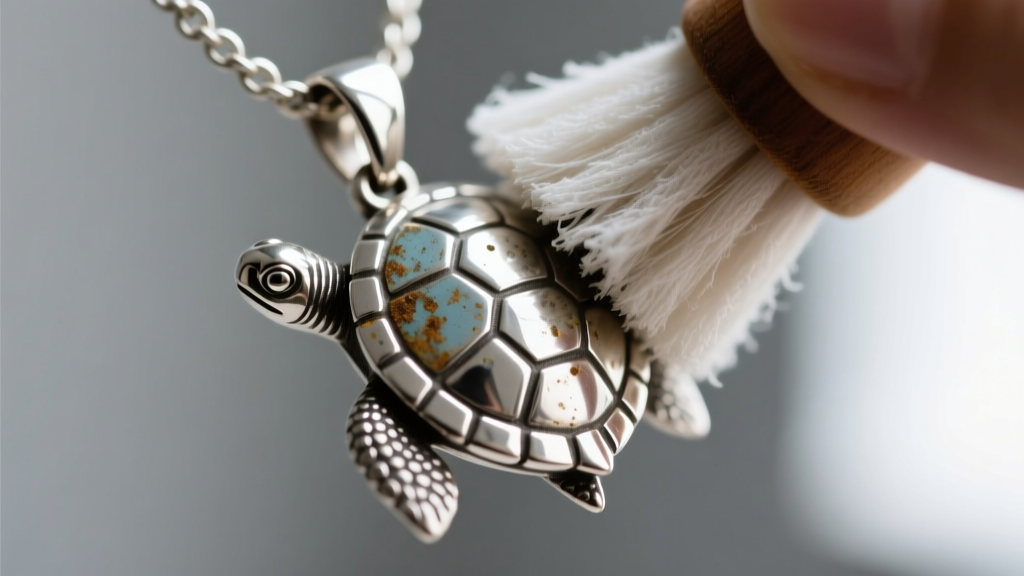
For safe, deep cleaning, use a specialized silver polishing cloth impregnated with micro-abrasives. Gently buff the metal bezel and the bail, taking care not to drag the abrasive fabric across the resin shell, which will cause micro-scratches. If your resin shell has already accumulated fine scratches from daily wear, you can restore its glass-like finish using a multi-stage plastic polish system. Apply Novus Plastic Polish #2 (Fine Scratch Remover) with a clean cotton swab, working in small circular motions over the resin scutes. Wipe away the residue with a damp cloth, then finish with Novus #1 to seal the surface. This process removes up to 0.05mm of oxidized or scratched resin without compromising the structural integrity of the inlay.
The Electrochemical Bath Warning
A popular internet hack for cleaning silver involves an electrochemical bath using aluminum foil, boiling water, and baking soda. While this method effectively reduces silver sulfide back into pure silver, you must never submerge turtle necklaces with glued inlays in boiling water. The extreme heat will instantly melt the adhesive bonding the shell to the metal, resulting in catastrophic inlay loss. According to the Smithsonian Museum Conservation Institute, composite jewelry with organic or synthetic inlays should only be cleaned using mechanical methods (like gentle wiping) or room-temperature, pH-neutral surfactants.
Fixing Chain Tangles and Clasp Failures
The physical profile of a turtle pendant—heavy at the center with a wide wingspan—creates a pendulum effect that places immense lateral stress on the chain and clasp. Many mass-produced turtle necklaces are sold with 0.7mm or 0.8mm cable chains equipped with spring ring clasps. This is a fundamental engineering mismatch.
A solid 925 silver sea turtle pendant typically weighs between 12 and 18 grams. A standard 0.8mm cable chain has a tensile break point of roughly 4 to 6 pounds, but the weak link is the spring ring clasp. The internal steel spring in a 5mm spring ring fatigues rapidly under the repetitive lateral pulling of a heavy, wide pendant, leading to a clasp that refuses to stay closed or snaps open when caught on a sweater.
| Pendant Weight | Minimum Chain Gauge | Recommended Chain Style | Required Clasp Type |
|---|---|---|---|
| Under 8g (Hollow/Resin) | 0.9mm - 1.0mm | Cable or Curb | 5mm Spring Ring |
| 8g - 15g (Standard Solid) | 1.2mm - 1.5mm | Rolo or Wheat | 7mm Lobster Claw |
| 15g+ (Heavy/Oversized) | 1.8mm - 2.2mm | Box or Rope | 10mm Trigger Lobster |
Upgrading the Hardware
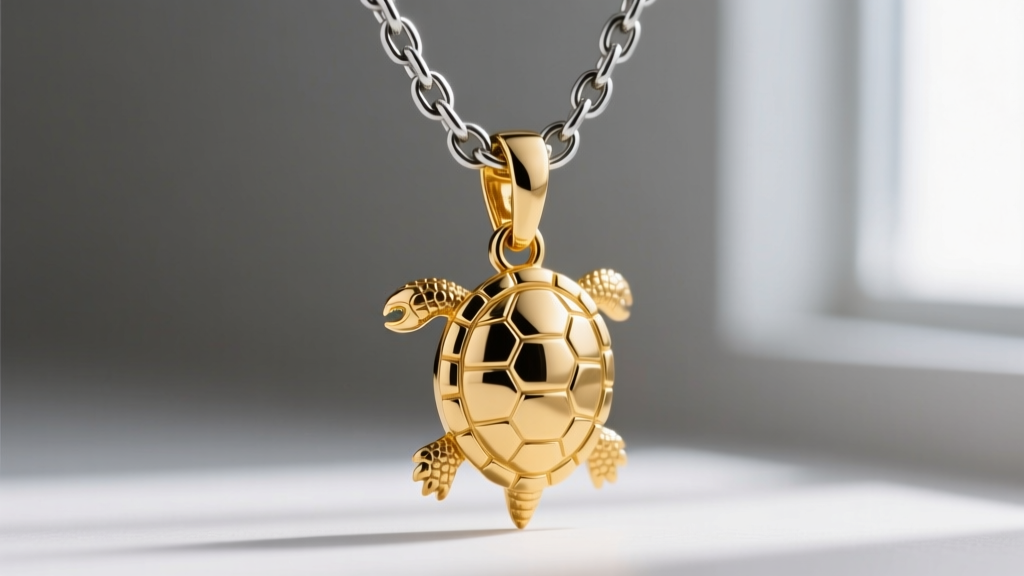
If your turtle necklace constantly tangles or the clasp fails, you must upgrade the chain. Take your pendant to a local jeweler to have the original bail carefully pried open and re-soldered onto a 1.2mm or 1.5mm rolo chain. Rolo chains feature interlocking, uniform round links that resist kinking and tangling far better than flat cable chains. Furthermore, insist on a 7mm or 10mm lobster clasp. Lobster clasps utilize a heavier, more robust internal spring mechanism and a solid cast body that resists lateral deformation, ensuring your pendant remains secure around your neck.
Ethical Sourcing: Real Shell vs. Modern Alternatives
When repairing or evaluating vintage turtle necklaces, you may encounter pendants inlaid with genuine tortoiseshell. It is critical to understand that the trade of hawksbill sea turtle shell has been globally banned under CITES (the Convention on International Trade in Endangered Species) since the 1970s. As noted by the World Wildlife Fund, the hawksbill remains critically endangered, and the sale of new tortoiseshell jewelry is illegal in most jurisdictions.
Expert Identification Tip: Genuine antique tortoiseshell will show microscopic pigment dots and a warm, amber translucency when held to a strong light. Modern vintage-style alternatives are typically made from cellulose acetate or casein plastic. If your antique inlay is cracking or flaking, do not attempt to glue it with modern superglue, as the cyanoacrylate will chemically melt the antique organic material. Consult a professional conservator.
For modern buyers, high-quality epoxy resins and hand-painted vitreous enamels offer superior durability and vibrant coloration without the ethical and legal ramifications. When purchasing new turtle necklaces, always verify the metal stamping. The Federal Trade Commission Jewelry Guides mandate that silver items stamped '925' or 'Sterling' must contain exactly 92.5% pure silver. Unstamped 'silver' turtle pendants sold on fast-fashion marketplaces are often brass or copper plated with a microscopic layer of silver, which will inevitably wear off and cause severe skin discoloration.
Preventative Maintenance for Longevity
Once you have repaired and upgraded your turtle necklace, implementing a strict maintenance routine will prevent future failures. The goal is to minimize the pendant's exposure to the three enemies of composite jewelry: moisture, friction, and chemicals.
- The 'Last On, First Off' Rule: Always put your turtle necklace on after applying sunscreen, perfume, and hairspray. The alcohols and aerosolized oils in these products will degrade the epoxy resin over time, causing it to yellow and become brittle.
- Ocean Swimming Protocol: While sea turtles belong in the ocean, your sterling silver turtle pendant does not. Saltwater is highly corrosive to the copper alloys in sterling silver and will rapidly accelerate pitting and tarnishing. If you must wear it in the water, rinse it thoroughly with fresh water and dry it with a microfiber cloth immediately afterward.
- Proper Storage Geometry: Never toss a turtle pendant loosely into a jewelry box. The wide flippers of the turtle design act as levers; if pressure is applied to a flipper while it is resting on a hard surface, the silver can bend or snap at the narrow connection points to the main shell. Store the pendant flat in a soft, anti-tarnish flannel pouch, ensuring the chain is fully uncoiled to prevent kinking.
By understanding the specific material science and mechanical stresses unique to turtle-themed jewelry, you can transform a tarnished, broken piece into a resilient, lifelong accessory. Whether you are buffing out resin scratches, upgrading a flimsy chain gauge, or carefully preserving an antique enamel scute, targeted troubleshooting ensures your jewelry remains as enduring as the creature it represents.


