The Reputation Snake Necklace Buying Guide for 2026
Discover what to look for when buying a reputation snake necklace. Explore metal grades, scale articulation, pricing tiers, and styling tips.

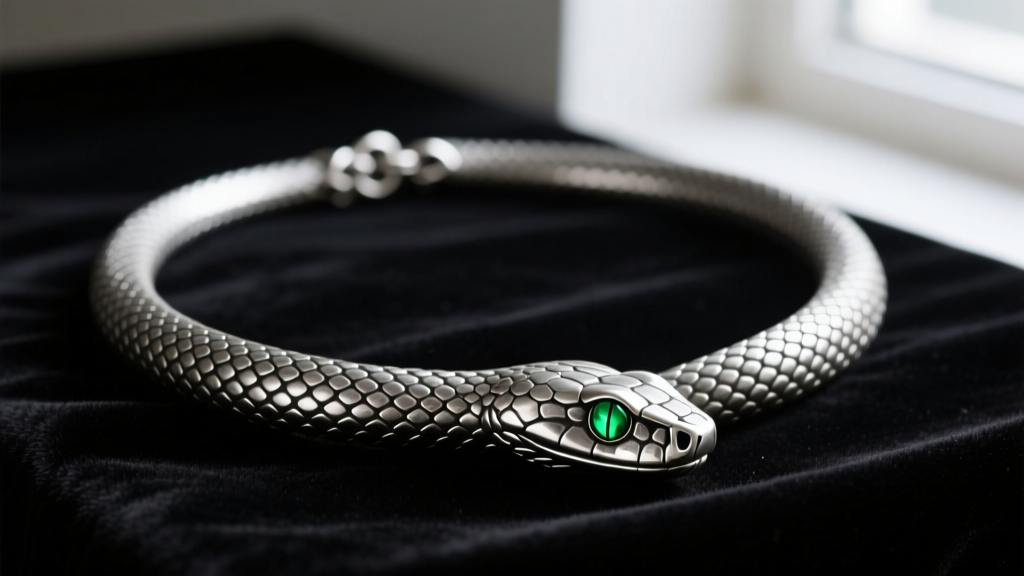
The "reputation snake necklace" has transcended its mid-2010s pop-culture origins to become a permanent fixture in dark-academia, gothic-glam, and high-fashion jewelry boxes. By 2026, the serpentine motif is no longer just a fleeting trend; it is a sophisticated statement piece that demands precise craftsmanship. However, the market is heavily saturated with everything from $20 alloy knockoffs to $5,000 fine jewelry masterpieces. This comprehensive buying guide will teach you exactly what to look for when investing in a reputation snake necklace, focusing on scale articulation, metal grades, clasp mechanics, and structural integrity.
The Anatomy of a True Reputation Snake Necklace
A genuine reputation snake necklace is defined by its aggressive, coiled aesthetic and its ability to drape fluidly over the collarbone. Achieving this "liquid metal" effect requires advanced jewelry manufacturing techniques that separate fine artisans from mass-market producers.
Scale Articulation: Hinged vs. Cast
The most critical failure point in cheap snake necklaces is poor articulation. High-end reputation snake necklaces utilize micro-hinged scales. In this process, individual scales are laser-cut from metal sheets and pinned together using stainless steel or precious metal micro-rivets. A standard 16-inch articulated snake body requires between 80 and 120 individual hinges to move freely without pinching chest hair or snagging delicate silk fabrics.
Conversely, budget options often use lost-wax casting to create the snake body as a single, solid piece of metal. While cast snakes feature deep, detailed scale textures, they are inherently stiff. Over time, the torque applied when putting on or taking off a cast snake necklace will cause microscopic stress fractures, eventually leading to a catastrophic snap. Always inspect the underside of the necklace; if you cannot see tiny rivets or hinge joints between the scales, it is a rigid cast.
Metal Grades and Oxidation Techniques
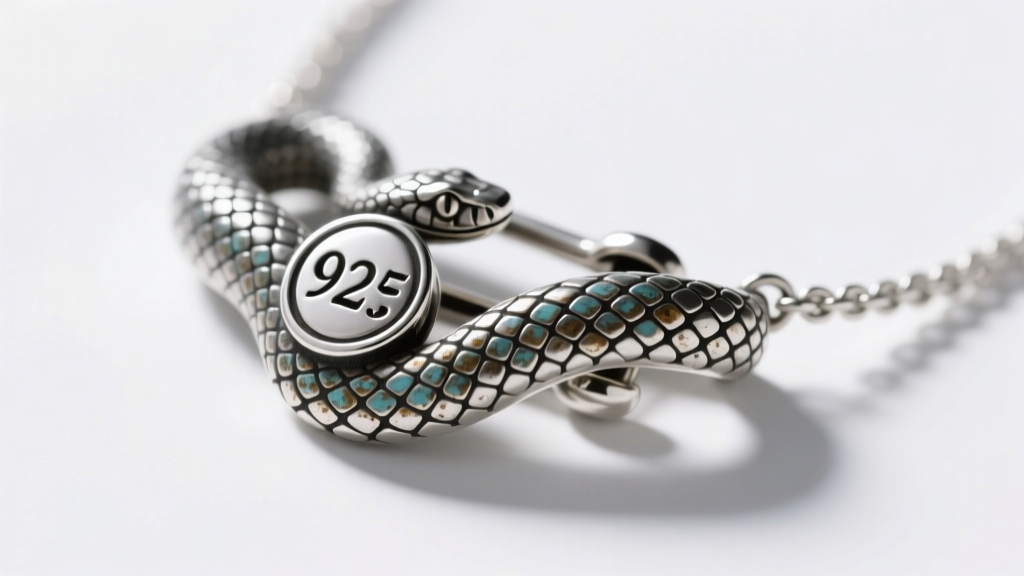
The signature "dark" look of the reputation aesthetic relies heavily on oxidation. Authentic pieces use 925 Sterling Silver treated with liver of sulfur to create a permanent, dark patina in the recesses of the scales, providing high-contrast 3D depth. According to the Federal Trade Commission (FTC) Jewelry Guides, any piece stamped "925" or "Sterling" must contain exactly 92.5% pure silver.
For luxury tiers, designers utilize black rhodium plating over 14k or 18k white gold. Black rhodium is notoriously difficult to plate and requires a barrier strike layer (often palladium or nickel-free white bronze) to prevent peeling. If a black rhodium snake necklace shows signs of flaking within the first year, it lacked the proper galvanic strike layer and should be considered defective.
Pricing Tiers: What Should You Actually Pay?
Understanding the pricing matrix for reputation snake necklaces prevents overpaying for fashion jewelry disguised as artisan work. Below is the 2026 market breakdown based on materials and manufacturing complexity.
| Tier | Price Range | Materials & Construction | Verdict |
|---|---|---|---|
| Fashion / Fast | $30 - $85 | Zinc alloy or brass, painted-on antique finish, rigid cast body. | Avoid. Will cause green skin and snap within months. |
| Bridge / Artisan | $150 - $450 | 925 Sterling silver, sulfur-oxidized, micro-hinged scales, CZ eyes. | Best value. Excellent drape and longevity with proper care. |
| Fine / Designer | $1,200 - $5,000+ | 14k/18k White Gold, black rhodium, genuine emerald/onyx, bespoke hinges. | Investment grade. Heirloom quality and superior weight. |
Gemstone Accents: Eyes and Scales
The eyes of the serpent are the focal point of a reputation snake necklace. High-quality pieces use bezel settings to protect the stones from impact, as protruding prong settings will easily catch on clothing and dislodge the gems.
Identifying Quality Inlays
While cubic zirconia (CZ) is standard in the bridge tier, fine jewelry iterations rely on natural gemstones. Onyx is favored for its deep, light-absorbing blackness, which enhances the gothic vibe. Emeralds and Tsavorite garnets are used for a striking, venomous green contrast. When purchasing a high-end piece featuring emeralds, always request documentation from a reputable gemological lab. The Gemological Institute of America (GIA) provides definitive reports on whether emeralds have been heavily fracture-filled with oils or resins, which drastically affects both the value and the durability of the snake's eyes.

Clasp Mechanisms and Failure Modes
A reputation snake necklace is inherently heavy due to the density of the overlapping scales. A standard 5mm lobster clasp will warp and fail under the tensile stress of a 60-gram silver snake. When evaluating a piece, inspect the hardware closely:
- Heavy-Duty Lobster Clasps: Must be at least 9mm to 12mm in length, featuring a robust internal spring mechanism.
- Magnetic Slide Clasps: Popular in modern luxury designs for ease of use. Ensure the magnetic core is neodymium and encased in a secure metal housing.
- Safety Figure-8s: Any high-value snake necklace featuring a box clasp or magnetic clasp must include a secondary wire safety catch (figure-8) to prevent total loss if the primary mechanism fails.
- Jump Ring Integrity: The jump ring connecting the clasp to the snake's tail must be soldered shut. Open jump rings will inevitably pull apart under the necklace's own weight.
How to Spot Counterfeits and Low-Quality Casts
The secondary market and fast-fashion sites are rife with deceptive replicas. Here is a quick troubleshooting framework to identify poor quality before you buy:
- The Drape Test: Hold the necklace by the clasp. A quality micro-hinged snake will immediately coil and wrap around your fingers like a real snake. A cheap cast snake will hang stiffly like a rigid horseshoe.
- The Smell Test: Rub the metal briskly with your thumb. If it emits a metallic, coppery odor, it is a base metal alloy (often brass or copper) plated with a microscopic layer of silver that will wear off in weeks.
- The Snag Test: Run the underside of the necklace across a piece of sheer chiffon or silk. Poorly finished scales or unpolished micro-rivets will instantly snag and tear the fabric.
Expert Maintenance Tip: Never use commercial liquid silver dips or ultrasonic cleaners on an oxidized reputation snake necklace. These harsh chemicals will strip the intentional liver-of-sulfur patina from the scale recesses, leaving the piece looking flat, overly bright, and artificially aged. Clean only with a soft, dry microfiber polishing cloth.
Final Verdict: Investing in the Serpent Motif
A well-crafted reputation snake necklace is a masterclass in jewelry engineering, blending aggressive aesthetics with fluid, wearable comfort. By prioritizing micro-hinged articulation, verified 925 silver or solid gold content, and heavy-duty soldered hardware, you can secure a piece that captures the dark, rebellious spirit of the motif while standing the test of time. Whether you opt for a mid-tier artisan silver piece or a bespoke black-rhodium designer creation, understanding the mechanics beneath the scales ensures your investment remains as striking in 2036 as it is today.


