How to Choose a Quality Resin Bead Necklace: A Buyer's Guide
Discover what to look for when buying a resin bead necklace. Learn about UV-resistant resins, stringing materials, and hardware for lasting quality.

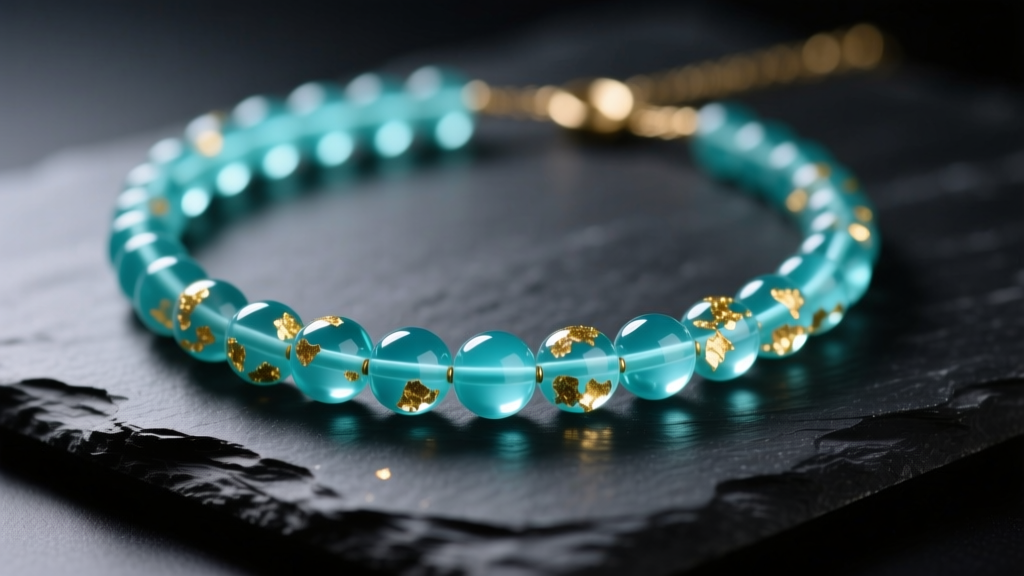
The modern jewelry market has seen a massive resurgence in resin bead necklaces, transitioning from cheap festival trinkets to high-end artisan statement pieces. However, this surge in popularity has also flooded the market with poorly constructed alternatives that yellow, crack, or snap within months. As a buyer, distinguishing between a masterfully cast, UV-stabilized epoxy piece and a mass-injected polyurethane knockoff requires a keen eye for material science and construction details.
This comprehensive buying guide will walk you through the exact specifications, material grades, and structural hallmarks you need to evaluate before investing in a resin bead necklace in 2026.
Decoding Resin Quality: Epoxy vs. Polyurethane vs. UV Resin
Not all resins are created equal. The chemical composition of the bead dictates its longevity, weight, and resistance to environmental factors. When evaluating a piece, look for transparency from the maker regarding their resin type.
Epoxy Resin (The Gold Standard)
High-quality artisan beads are typically cast in two-part epoxy resin. Epoxy cures to a Shore D hardness of 80 or higher, making it incredibly durable and resistant to scratching. Crucially, premium epoxies are formulated with Hindered Amine Light Stabilizers (HALS) and UV absorbers. According to ArtResin's material science documentation, these additives absorb UV radiation and neutralize free radicals, significantly delaying the photo-oxidation process that causes yellowing.
UV-Cured Resin
Often used for smaller, intricate beads, UV resin cures rapidly under ultraviolet light. While it offers a brilliant, glass-like finish, it can be more brittle than epoxy (Shore D 70-85) and is inherently prone to faster yellowing if not heavily stabilized. It is best suited for beads that are heavily pigmented or opaque, where internal yellowing is invisible.
Polyurethane Resin (The Mass-Market Trap)
Cheap, imported resin bead necklaces are frequently made from polyurethane. While cost-effective and fast to mold, polyurethane is highly sensitive to ambient moisture during casting, often resulting in micro-bubbles and a cloudy finish. It also lacks the structural rigidity of epoxy, making the beads susceptible to denting and rapid discoloration.
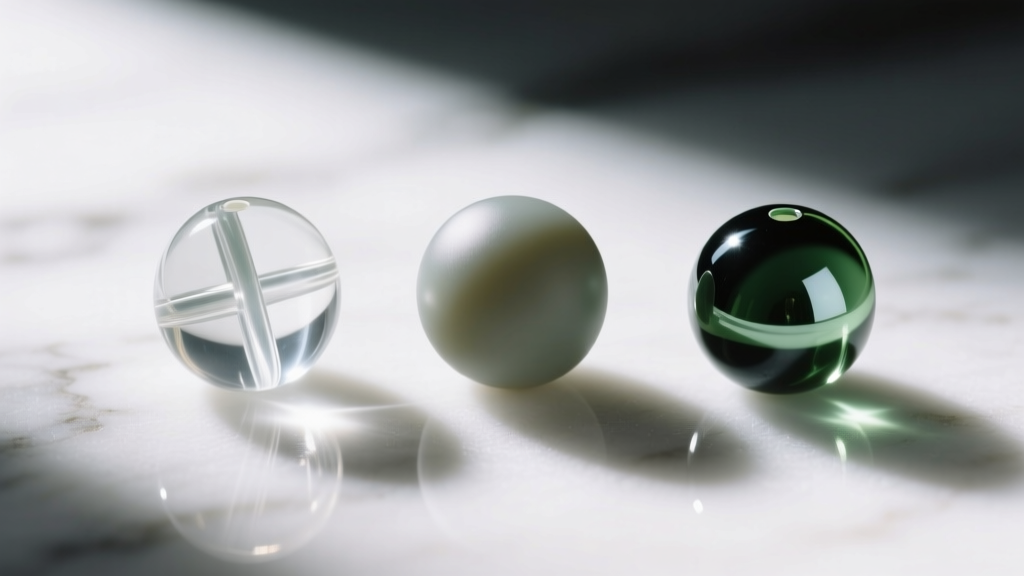
The Anatomy of a Well-Made Resin Bead Necklace
The resin itself is only half the equation. The true hallmark of a luxury or high-end artisan resin bead necklace lies in the finishing and stringing techniques.
Bead Casting and Hole Finishing
Mass-market beads are injection-molded, leaving a visible seam line around the equator of the bead and a rough "flash" inside the drill hole. This internal flash acts like a microscopic saw blade, eventually cutting through the stringing material.
High-quality beads are cast in silicone molds and feature diamond-reamed holes. This process uses a diamond-coated bit to grind the interior of the hole perfectly smooth, eliminating sharp edges and ensuring the stringing material glides without friction.
Stringing Materials: The Lifeline of Your Necklace
Because resin beads can be surprisingly dense, the stringing material must possess high tensile strength and abrasion resistance. The Fire Mountain Gems Encyclopedia recommends specific materials based on bead weight and hole diameter.
| Stringing Material | Best For | Pros | Cons |
|---|---|---|---|
| 49-Strand Stainless Steel Wire | Heavy, large resin beads | Exceptional tensile strength; kink-resistant; immune to internal bead flash. | Requires crimp beads; lacks the drape of thread. |
| Nylon Thread (Size F or G) | Medium beads, knotted designs | Beautiful drape; allows for traditional knotting between beads. | Can be sliced by un-reamed mold flash; degrades over time. |
| Silk Cord | Lightweight, single pendant beads | Classic aesthetic; soft against the skin. | Low abrasion resistance; stretches and frays easily under weight. |
Hardware and Clasps: The Hidden Failure Points
A necklace is only as strong as its weakest jump ring. Resin bead necklaces often feature substantial weight, which puts immense shear stress on the clasp assembly.
"Never trust a plated base-metal jump ring on a heavy resin necklace. The plating will chip, and the soft brass or copper core will pull apart under the dynamic load of daily wear."
When inspecting a piece, check the gauge of the wire used for the jump rings and clasps. You want a minimum of 18-gauge (1.0mm) wire, though 16-gauge (1.3mm) is preferred for heavy statement pieces. Look for solid materials: 316L stainless steel, solid 14k gold, or sterling silver. As noted by jewelry supply authority Rio Grande, closed soldered jump rings at the clasp connection point are a definitive marker of professional-grade jewelry assembly, preventing the clasp from slipping off entirely.
Pricing Tiers: What You Should Actually Pay
Understanding the market tiers will help you identify whether a resin bead necklace is priced fairly based on its construction and materials.
- Fast Fashion / Mass Market ($12 - $35): Expect polyurethane or basic UV resin, visible mold seams, un-reamed holes, and thin base-metal hardware. These are seasonal accessories that will likely yellow or break within a year.
- Artisan / Independent Maker ($60 - $150): The sweet spot for quality. These pieces feature HALS-stabilized epoxy, hand-sanded finishes, diamond-reamed holes, and 49-strand beading wire with solid sterling silver or stainless steel hardware.
- Luxury Designer ($200 - $500+): At this tier, you are paying for proprietary resin formulations (such as suspended precious metal leaf or rare organic inclusions), bespoke custom-cast hardware, and brand prestige. The resin is often poured in small, temperature-controlled batches to guarantee absolute optical clarity.
Care and Maintenance to Prevent Yellowing and Cracking
Even the most heavily stabilized epoxy resin requires proper care to maintain its optical clarity and structural integrity over decades.
- Avoid Chemical Exposure: Resin is porous on a microscopic level. Perfumes, hairsprays, and lotions can seep into micro-scratches, causing a cloudy, irreversible film. Always put your necklace on after applying cosmetics.
- Thermal Shock Prevention: Do not leave your necklace in a hot car or direct, intense sunlight for prolonged periods. Extreme heat can cause the resin to expand at a different rate than the internal stringing wire, leading to stress fractures.
- Proper Cleaning: Never use ultrasonic cleaners or harsh jewelry dips. Simply wipe the beads with a damp, lint-free microfiber cloth and a drop of mild dish soap, then dry immediately.
By scrutinizing the resin type, demanding diamond-reamed holes, and verifying the gauge of the hardware, you can confidently invest in a resin bead necklace that remains a vibrant, durable staple in your jewelry collection for years to come.


